Losing weight on an exercise bike isn’t about pedaling aimlessly while reading magazines. It’s about strategic cycling that transforms your metabolism into a fat-burning furnace. Whether you’re 20 pounds overweight or looking to shed those last stubborn pounds, this guide shows you exactly how to use your bike as a precision weight-loss tool. You’ll discover science-backed protocols that burn 400-700 calories per session, learn to avoid common mistakes that sabotage progress, and get a complete 12-week program designed for real results. Let’s turn those wheels into your secret weapon.
Why Cycling Beats Running for Sustainable Fat Loss
Cycling torches calories without destroying your joints—a critical advantage for weight loss beginners. A 155-pound person burns 252 calories in 30 minutes of moderate cycling (comparable to jogging), but with zero impact on knees or hips. Unlike outdoor running where traffic lights disrupt momentum, your stationary bike delivers uninterrupted fat-burning sessions. The real metabolic game-changer? Your ability to instantly shift between fat-burning zones. During low-intensity rides, you teach your body to efficiently burn stored fat, while high-intensity intervals trigger EPOC (Excess Post-Exercise Oxygen Consumption)—keeping your calorie burn elevated for up to 36 hours post-ride. Plus, real-time tracking of watts, heart rate, and calories eliminates the guesswork that plagues other cardio methods.
Calculate Your Exact Calorie Burn Zone
Guessing your calorie burn sabotages weight loss—use this precise calculation instead. Your actual burn depends on weight, intensity, and duration. Harvard Health data shows:
| Your Weight | 30 Min Moderate | 30 Min Vigorous |
|---|---|---|
| 130 lb | 220 calories | 330 calories |
| 160 lb | 265 calories | 400 calories |
| 190 lb | 310 calories | 465 calories |
Critical note: These figures represent gross calories. For net burn (true fat loss contribution), subtract your resting metabolic rate (50-70 calories per 30 minutes). Multiply your net burn by weekly sessions to project results: 265 calories × 4 sessions = 1,060 weekly deficit = 0.3 pounds lost weekly from cycling alone. Always pair this with a 500-calorie daily dietary deficit for 1-2 pounds of sustainable fat loss weekly.
HIIT Protocol for Maximum Fat Burn
High-intensity intervals deliver 3x the fat loss per minute compared to steady cycling. This 20-minute protocol burns 500+ calories while triggering 24-36 hours of elevated metabolism:
The 20-Minute Fat-Melter
- Minutes 0-3: Warm-up at 50% max effort
- Minutes 3-5: Sprint intervals (30s max effort, 90s recovery) × 8 rounds
- Minutes 5-8: Recovery spin at 40% effort
- Minutes 8-18: Repeat sprint protocol
- Minutes 18-20: Cool-down
Key execution points: During sprints, maintain 90-110 RPM with resistance that drops cadence by 10-15 RPM from baseline. Your heart rate must hit 85-90% of max during efforts. Avoid this mistake: Pedaling too slowly during sprints—high cadence prevents knee strain while maximizing calorie burn.
Weekly HIIT Schedule
- Weeks 1-2: 2 sessions weekly (8 sprints each)
- Weeks 3-4: 3 sessions weekly (10 sprints each)
- Weeks 5+: 2 HIIT sessions (12 sprints) + 1 tempo ride
LISS Strategy for All-Day Fat Burning
Low-intensity steady state (LISS) rides build your body’s fat-burning machinery. This 45-60 minute protocol uses 60-70% max heart rate—where you can hold a conversation—to maximize fat oxidation:
Optimal LISS Execution
- Cadence: Maintain 80-90 RPM (watch for knee wobble indicating wrong resistance)
- Resistance: Moderate—feel sustained quad burn by minute 20
- Timing: Morning fasted rides boost fat burning by 20-30% (limit to 45 minutes to prevent muscle loss)
Progress like a pro: Start at 30 minutes, adding 5 minutes weekly until hitting 60 minutes. Then increase resistance—not duration—to avoid workout creep. Track progress by noting when you can maintain target heart rate at lower resistance levels.
Perfect Your Bike Setup to Burn 15% More Calories
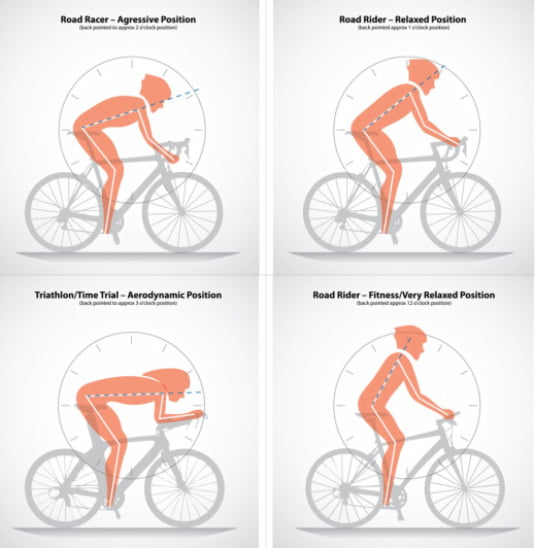
A poorly fitted bike wastes energy and causes injury. This setup increases power transfer and calorie burn:
Seat Height Formula
Stand beside your bike—seat top should align with your hip bone. Sit with heel on pedal at 6 o’clock position: legs must fully straighten. When switching to ball-of-foot pedaling, knees should have a 25-30 degree bend. Warning: Too low seats cause knee pain; too high creates hip rocking that reduces efficiency.
Handlebar Positioning
- Beginners: Position handlebars level with seat to minimize back strain
- Advanced: Lower handlebars 2-3 inches below seat for aggressive posture (increases core engagement and calorie burn)
- Recumbent riders: Adjust seat distance so knees never extend past toes at pedal top
Beginner 4-Week Starter Plan
This progression builds metabolic capacity without burnout. Focus on consistency over intensity:
Weeks 1-2 Protocol
- Frequency: 3 days/week
- Duration: 20 minutes (5 min warm-up, 15 min steady, 5 min cool-down)
- Intensity: 50-60% max heart rate (RPE 4-5/10—you can speak full sentences)
- Target: 200 calories/session
Weeks 3-4 Progression
- Frequency: 4 days/week
- Duration: 30 minutes
- Add: 30-second resistance surges every 5 minutes
- Success metric: Complete 30 minutes without stopping while maintaining conversation
Avoid this pitfall: Adding HIIT too soon—wait until you can comfortably ride 30 minutes at conversation pace.
Advanced Fat-Loss Programming

Once base fitness is established, integrate periodized blocks that prevent plateaus:
Weekly Split Example
- Monday: HIIT sprints (20 min)
- Tuesday: LISS endurance (45 min)
- Wednesday: Active recovery (30 min light cycling)
- Thursday: Tempo ride (75% max HR, 35 min)
- Friday: HIIT hill intervals
- Saturday: Long LISS (60-90 min)
- Sunday: Rest
Power zone secret: Test your FTP (Functional Threshold Power) every 4 weeks. Target Zone 2 (65-75% FTP) for primary fat burning, and Zone 6 (120-150% FTP) for metabolic spikes during HIIT.
Nutrition Timing That Doubles Fat Loss
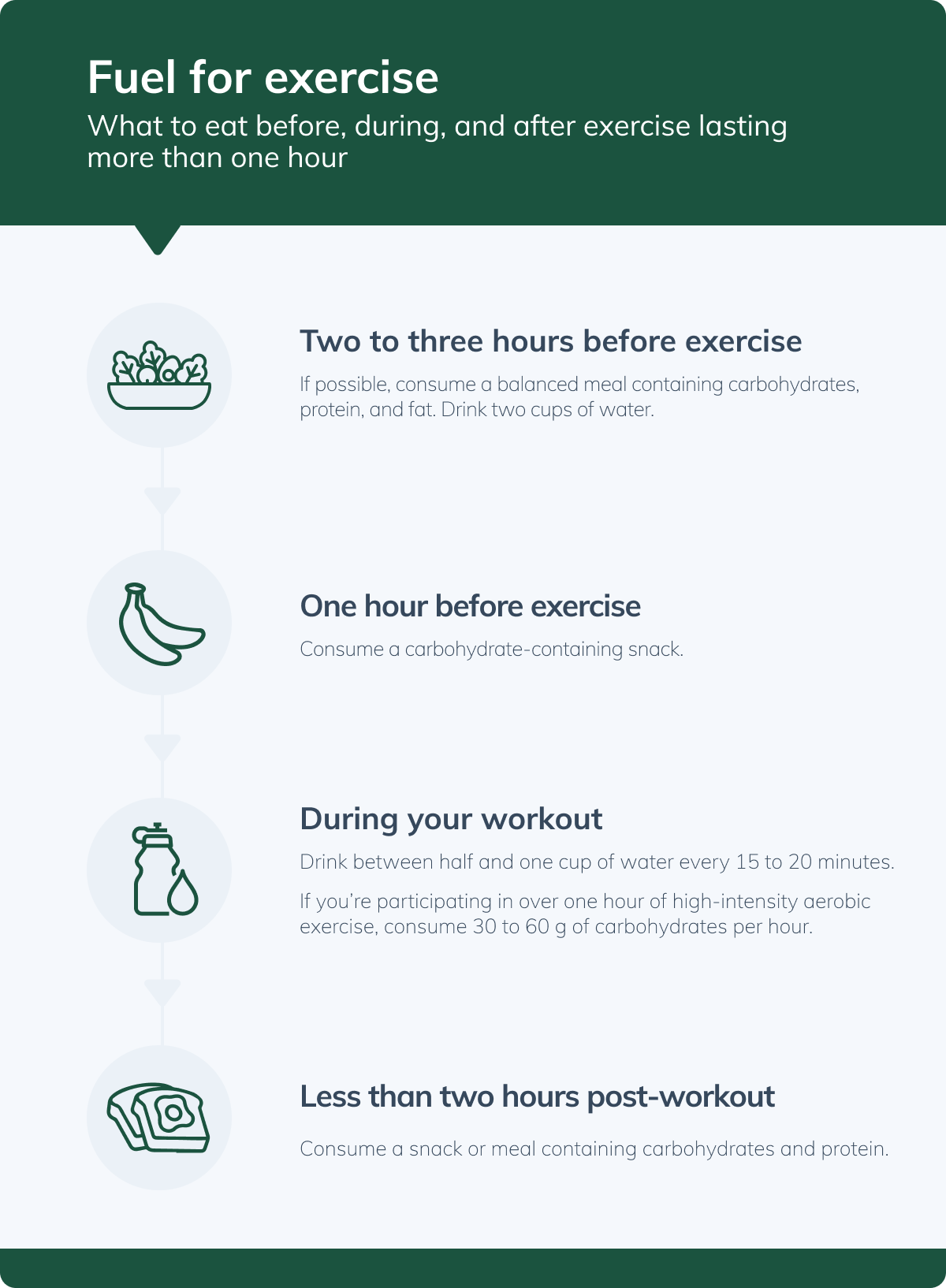
What you eat—when—makes or breaks cycling results:
Pre-Ride Fueling
- HIIT sessions: 30g carbs (banana) 30 minutes prior
- LISS fasted: Black coffee only—boosts fat oxidation 10-15%
- Long rides: 40g carbs + 10g protein (Greek yogurt + berries)
Post-Ride Recovery
Consume within 30 minutes:
– Protein: 20-30g whey or lean meat
– Carbs: 40-60g on training days, 20-30g on rest days
– Hydration: Replace 150% of fluid lost (weigh pre/post ride—1 kg loss = 1.5L fluid with electrolytes)
Critical mistake: Eating back “burned” calories—your TDEE already factors in workouts.
Break Through Weight-Loss Plateaus
When progress stalls at week 8-12, implement these science-backed resets:
Plateau-Busting Tactics
- Recalculate TDEE: Every 10 pounds lost reduces metabolism by 50-100 calories
- Double workout density: Add 15-minute “finisher” after main sets
- Add strength sessions: 2 weekly squats/deadlifts preserve muscle mass
- Carb cycle: Higher carbs on training days, lower on rest days
Stop immediately if: Resting heart rate rises 5+ bpm, persistent soreness, or performance drops >10%. Take a full deload week at 50% volume/intensity.
Common Mistakes That Sabotage Results
Even dedicated cyclists make these fat-loss killers:
Form Errors
- Bouncing in saddle: Reduces power transfer—engage core and lower resistance
- Knee collapse inward: Keep knees tracking over toes (fix with proper seat height)
- White-knuckle handlebar grip: Wastes energy—relax shoulders and focus power on pedals
Programming Blunders
- Same workout daily: Body adapts in 4-6 weeks—rotate HIIT/LISS/tempo
- Ignoring recovery: Muscles grow during rest days—schedule 1-2 weekly off-days
- Chasing calorie numbers: Prioritize performance metrics (power, heart rate) over console calories
Track Progress Beyond the Scale
Weight alone lies—use these 4 metrics for accurate progress tracking:
- Weekly average weight: Daily weigh-ins, analyzed weekly (ignore daily fluctuations)
- Body measurements: Waist, hips, thighs every 2 weeks (tape measure > scale)
- Performance gains: Record average power, heart rate, and cadence
- Clothing fit: Notice when pants buttons loosen before scale moves
Red flag: No scale change for 3+ weeks AND no measurement decrease? Recalculate your TDEE and increase calorie deficit.
Long-Term Sustainability Secrets
The best fat-loss plan is one you’ll follow for life. Build cycling into your identity:
Habit Stacking Tactics
- Morning routine: Ride while watching news or podcasts
- Lunch break: 20-minute metabolic boosters
- Social accountability: Join Zwift group rides or local cycling clubs
Motivation Maintenance
- Track non-scale victories: Stairs feel easier, improved sleep quality
- Set micro-goals: Monthly distance challenges or power PRs
- Reward system: New cycling gear after hitting milestones
Flexibility rule: Allow 10-20% of calories from favorite foods. Consistency beats perfection—ride 5 days weekly even if 2 sessions are shorter than planned.
Start with the beginner plan and progress methodically. Your exercise bike isn’t just equipment—it’s your metabolic transformation partner. Consistency with these protocols will create the calorie deficit needed for 1-2 pounds of weekly fat loss while building fitness that lasts a lifetime.