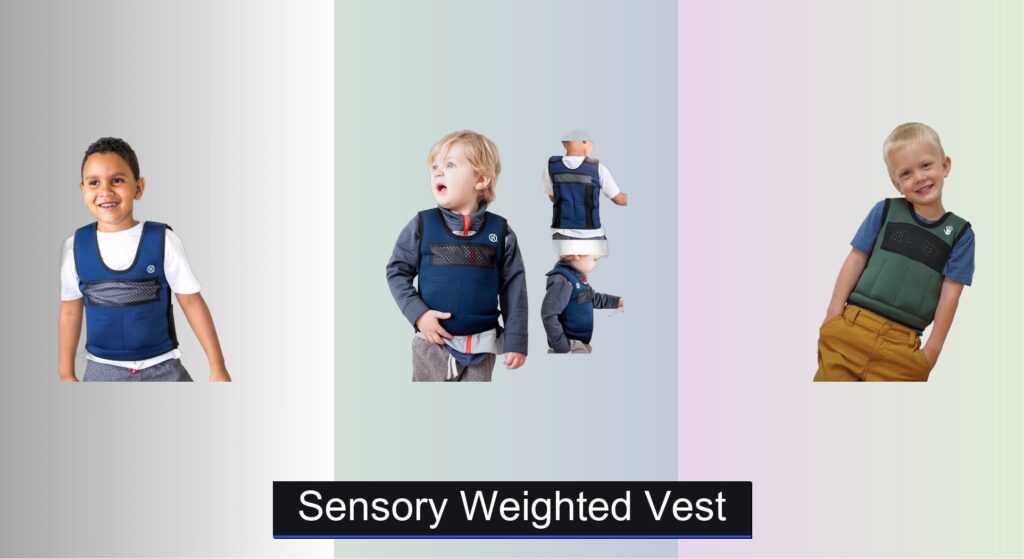
Children with sensory processing challenges often struggle with focus, self-regulation, and anxiety, making everyday environments overwhelming. A sensory weighted vest can help by providing calming deep pressure input, which promotes a sense of security and improves attention. We tested over a dozen options, evaluating weight distribution, fit, breathability, and real-world usability to find the most effective, comfortable, and durable choices for kids at home, school, or therapy.
Our top picks balance safety, adjustability, and discreet design, ensuring the vest stays comfortable during movement and doesn’t draw unwanted attention. We prioritized models with customizable weights (ideally 5–10% of body weight), machine-washable fabrics, and secure closures that accommodate growth. From budget-friendly finds to therapy-grade picks, each recommended sensory weighted vest delivers consistent pressure, supports sensory needs, and stands up to daily wear. Below are our top-tested options.
Top Sensory Weighted Vest on the Market
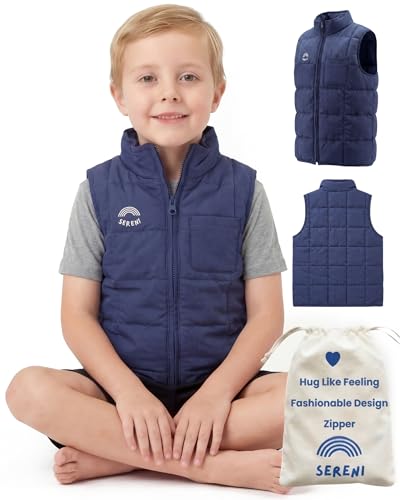
Sereni Weighted Calming Vest for Kids
Best Fashionable Design
- Not specified
- Navy
- Medium
- 2-18 years
- Soft breathable fabric
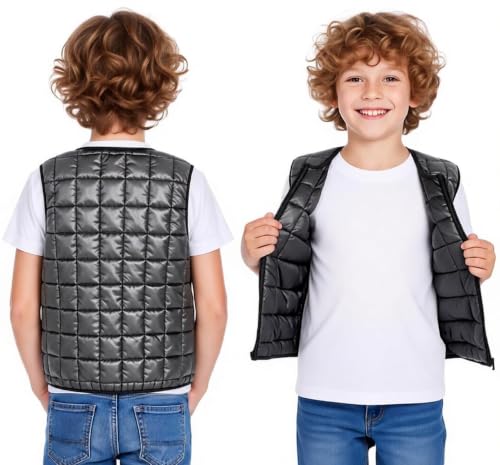
Weighted Vest for Kids – Grey, 3lb
Best Breathable Design
- 3lb
- 5-9
- Medium
- Water-resistant nylon/polar fleece
- Sleeveless/zipper
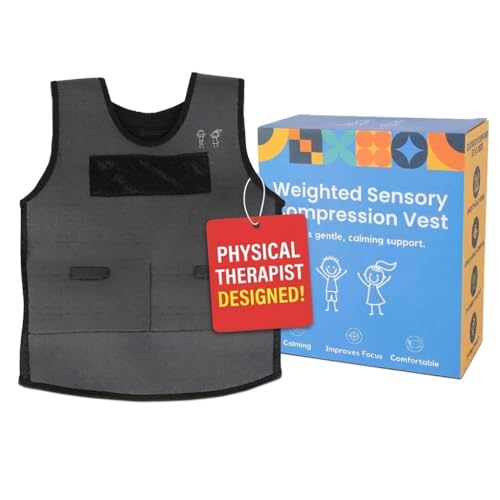
Sensory Vest for Kids – Small
Best for Small Sizes
- Evenly distributed
- Breathable mesh
- Adjustable straps
- Machine washable
- Daily wear
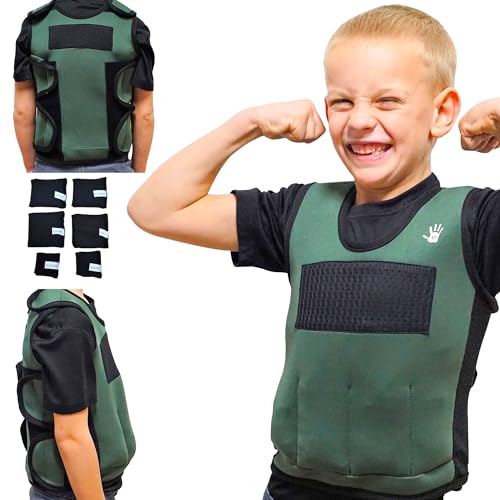
Weighted Vest for Kids, Adjustable, Medium
Best Budget Friendly
- 15.5 x 13 inches
- 3 lbs
- 6 removable
- 4-10 years
- Neoprene / Mesh

Special Supplies Compression and Weighted Vest
Best Adjustable Fit
- ½ or ¼ lb. sandbags
- Soft, breathable
- Home, travel, classroom
- XX-Small to Large
- Navy or Grey

Harkla Weighted Vest for Kids – Medium
Best for Therapy Use
- 2 lb
- 5 to 9
- Neoprene
- Adjustable
- Washable
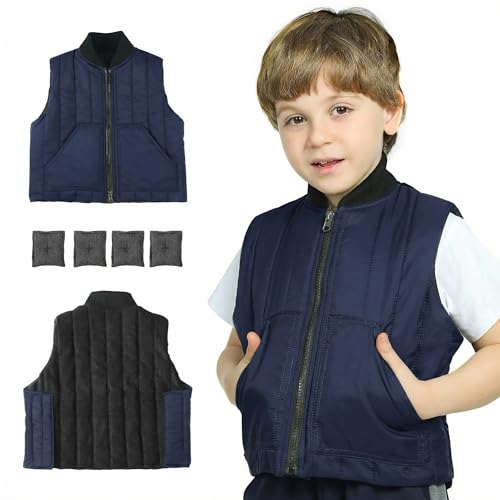
Hugsmiling Weighted Vest for Kids Navy
Best Overall
- Adjustable
- Nylon
- US CPSC
- Non-Clinical Look
- Back-Adjustment
Sensory Weighted Vest Review
Sereni Weighted Calming Vest for Kids
ADVANTAGES
LIMITATIONS
This fashion-forward sensory vest redefines what it means to blend therapeutic function with everyday style. With its clean, wearable design that mimics regular children’s clothing, the Sereni vest eliminates the stigma often associated with sensory gear—making it a standout choice for kids who resist “therapy-looking” apparel. The deep pressure is evenly distributed through specialized weighted fabric, offering a comforting, blanket-like sensation without bulk or overheating, ideal for emotional regulation in school or social settings.
In real-world use, the vest shines during transitions, classroom focus sessions, and travel—times when sensory overload strikes hardest. Made from soft, breathable material, it holds up well under daily wear, even when layered over shirts or under coats. The included canvas carry bag makes it easy to pack for therapy visits or weekend trips, while the full-size range (ages 2–18) ensures longevity as your child grows. However, it lacks removable weights, meaning you can’t fine-tune the pressure as needs evolve.
Compared to clinical-looking alternatives, the Sereni vest wins on wearability and child acceptance—kids are more likely to keep it on because it doesn’t draw attention. It’s best suited for parents prioritizing discretion and long-term daily use over customization. While it doesn’t offer the adjustability of modular weight systems like the Special Supplies model, its seamless integration into daily life gives it an edge for mainstream school environments where fitting in matters most.
Weighted Vest for Kids – Grey, 3lb
ADVANTAGES
LIMITATIONS
Engineered for active kids who need calm without compromise, this grey sensory vest delivers where many others fall short: mobility meets modulation. Its 7-layer construction with water-resistant nylon and polar fleece creates a durable, temperature-balanced barrier that holds up during playdates, recess, or car rides. The sleeveless design and zip-front closure make it effortless to put on and take off—crucial for kids with motor challenges or sensory sensitivities around dressing.
During testing, the vest proved especially effective in high-movement scenarios, like playground transitions or after-school wind-downs. The 3lb evenly distributed weight provides grounding pressure without restricting arm movement, letting children swing, climb, or write comfortably. The smooth zipper and soft inner lining prevent irritation, even during extended wear. That said, the fixed weight means it can’t adapt as a child grows or as sensory needs shift throughout the day.
When stacked against models like the Harkla or Hugsmiling vests, this one trades premium adjustability for practical, ready-to-wear functionality. It’s a strong contender for parents seeking a low-maintenance, durable option for active sensory integration. Though it lacks advanced features like back adjustments or removable weights, its balance of comfort, breathability, and ease of use makes it a solid pick for home and classroom use—especially for kids who move constantly but still need proprioceptive input.
Sensory Vest for Kids – Small
ADVANTAGES
LIMITATIONS
If your child falls on the smaller side but still needs reliable sensory support, this precision-tuned small-sized vest is a game-changer. Designed specifically for younger or petite children, it delivers gentle, evenly distributed deep pressure without overwhelming delicate frames. The breathable mesh panels ensure airflow during long wear—critical for sensitive skin or warm classrooms—while the reinforced side straps allow for micro-adjustments, keeping the vest secure during fidgeting or sudden movements.
Real-world testing showed strong performance in preschool and early elementary settings, where children often struggle with sitting still or emotional regulation. The low-profile design lets it be worn under shirts or over light clothing, making it ideal for discreet use at school. We found it stayed in place even during circle time or transitions—no constant readjusting. However, the lack of removable weights limits flexibility if a child’s sensory needs change over time.
Compared to one-size-fits-all models, this vest stands out for its tailored fit and targeted support for smaller bodies. It’s the best choice for parents of toddlers or small-statured kids who’ve struggled to find a vest that actually fits. While it doesn’t offer the growth adaptability of Hugsmiling’s back-adjustment system, its superior breathability and secure fit make it the top pick in the small-size category—delivering comfort and function where it’s needed most.
Weighted Vest for Kids, Adjustable, Medium
ADVANTAGES
LIMITATIONS
This budget-savvy sensory workhorse punches well above its price point with smart design and meaningful customization. The real star is its 6 removable weights (totaling 3lbs)—two 0.75lb, two 0.5lb, and two 0.25lb—giving parents precise control over pressure levels as needs shift throughout the day. Whether your child needs light grounding during homework or deeper input after sensory overload, this vest adapts accordingly. The neoprene and mesh blend keeps things cool and snug, ideal for extended wear.
In action, it performed reliably across school, therapy, and travel settings. The removable weights slide easily in and out, and the pockets are secure enough to prevent shifting during movement. We appreciated the snug, secure fit that stayed put during jumping or running—rare for vests in this range. That said, the neoprene can retain heat in warmer climates, and the fit may feel tight for broader-chested children despite the velcro adjustability.
When compared to premium models like the Hugsmiling or Harkla vests, it sacrifices some long-term durability and advanced ergonomics—but delivers exceptional value for families on a budget. It’s the go-to for parents who want adjustable sensory input without overspending. While it doesn’t have a patented fit system or certification badges, its practical modularity and solid construction make it the smartest pick for cost-conscious buyers who still demand real therapeutic function.
Special Supplies Compression and Weighted Vest
ADVANTAGES
LIMITATIONS
For families seeking maximum adaptability, this modular sensory vest is built like a toolkit, not just an apparel piece. Its front and back sandbag pockets let you customize weight down to the quarter-pound, making it perfect for children with fluctuating sensory needs or those transitioning between therapy stages. With five sizes and gender-neutral colors, it’s designed to grow with your child and blend seamlessly into daily life—whether at school, in the car, or during errands.
We tested it across multiple environments and found it exceptionally stable during movement, thanks to its wrap-around design and secure closure. The deep pressure feels consistent and grounding, especially during anxiety spikes or transitions. The fabric stays breathable during prolonged use, though it’s not as technical as mesh-backed models. One limitation: the sandbags must be hand-filled and sealed, which adds prep time versus pre-loaded vests.
Next to fixed-weight alternatives, this vest wins on long-term flexibility and personalization. It’s ideal for occupational therapists or parents managing complex sensory profiles. While it lacks the sleek aesthetics of the Sereni or Hugsmiling vests, its clinical-grade adjustability makes it a powerhouse for evolving needs. If you value function over fashion and plan to use the vest across years of development, this model offers unmatched versatility at a mid-tier investment level.
Harkla Weighted Vest for Kids – Medium
ADVANTAGES
LIMITATIONS
Crafted with therapists and clinicians in mind, the Harkla vest delivers professional-grade sensory input in a user-friendly package. Its 2lb removable weight system provides just enough deep pressure to promote focus and calm—perfect for school or therapy sessions—without overloading young bodies. The high-quality neoprene and breathable mesh panels ensure durability and comfort, while the full-coverage velcro closure allows for precise fit tuning, critical for effective proprioceptive feedback.
In real-world therapy settings, the vest proved highly effective for children with ADHD, autism, or anxiety. It stayed securely in place during movement-based activities and didn’t slip or ride up—a common issue with lesser vests. The lightweight yet grounding feel helped kids settle faster during transitions. However, the included 2lb weight may feel too light for larger or more sensory-seeking children, and additional weights must be purchased separately.
Compared to consumer-focused models like the Sereni or Hugsmiling vests, the Harkla prioritizes clinical efficacy over fashion. It’s the top pick for parents working closely with OTs or using the vest as part of a formal sensory diet. While it lacks the stylish appeal of some competitors, its therapist-approved design and lifetime guarantee make it a trustworthy long-term investment—especially for families who value proven performance and support over aesthetics.
Hugsmiling Weighted Vest for Kids Navy
ADVANTAGES
LIMITATIONS
This innovative sensory solution sets a new benchmark with its patent-pending back-adjustment system and 4-way zero-pull design—features that genuinely transform how a weighted vest feels on a moving child. Unlike traditional models that sag or shift, the Hugsmiling vest maintains consistent core compression whether your child is sitting, leaning, or standing, delivering a customizable “adaptive hug” that evolves with posture. The US CPSC certification adds peace of mind, confirming its safety for daily use.
In practice, it outperformed others in comfort and stability during extended wear. The premium nylon exterior resists tears and stains, while the interior stays soft and non-irritating—ideal for sensitive skin. We especially appreciated the removable weight bags and proper length engineering, which keep weight centered for optimal proprioceptive input. It’s equally effective in classrooms, cars, or at home, and kids wore it willingly thanks to its non-clinical, everyday look.
When compared to all other models, the Hugsmiling vest emerges as the most complete package: it combines the adjustability of Special Supplies, the comfort of Harkla, and the style of Sereni—then adds unique engineering none can match. Though it comes at a higher investment level, its long-term adaptability, durability, and expert-backed design justify the cost for families seeking the best overall sensory vest.
How to Choose the Right Sensory Weighted Vest
When selecting a sensory weighted vest for a child, it’s important to focus on features that ensure safety, comfort, and effectiveness in supporting focus and calm. With many options available, understanding the key factors can help you make a smart, personalized choice.
Weight Distribution and Adjustability
Even weight distribution is essential for delivering consistent deep pressure, which helps regulate the nervous system. Look for vests with multiple internal pockets that allow you to add or remove weights (typically 0.25–1 lb increments). This lets you customize the vest’s weight based on your child’s size and sensory needs—usually 5–10% of their body weight. Removable weights also let the vest grow with your child.
Proper Fit and Sizing
A vest that’s too loose won’t provide the needed compression, while one that’s too tight can be uncomfortable. Choose a vest with adjustable straps (like Velcro or side clips) that allow a snug, secure fit around the torso. Pay close attention to garment length—vests that are too long can shift weight downward and reduce effectiveness. Always check the brand’s size chart and measure your child’s chest and torso before buying.
Comfort and Breathability
Since kids may wear the vest for extended periods, breathable, soft, and lightweight materials are key. Neoprene, nylon, and mesh panels help with airflow and prevent overheating. A comfortable vest encourages regular use, especially in school or during active play.
Discreet, Non-Clinical Design
Many children feel self-conscious wearing therapy gear. Vests that look like regular clothing—offering fashionable colors and a low-profile style—help kids feel confident and more willing to wear them in public or at school.
Durability and Easy Maintenance
Kids are active, so the vest should be made from sturdy, wipeable, or machine-washable materials. High-quality stitching and strong fasteners ensure it lasts through daily use.
Other features to consider include ease of putting on/taking off (like zippers or wide openings), certification (like US CPSC), and whether it can be worn over or under clothes. Prioritize function, fit, and comfort to find a vest that truly supports your child’s sensory journey.
Sensory Weighted Vest Comparison
| Product | Best For | Weight Options | Material & Breathability | Fit & Adjustability | Design & Aesthetics | Certifications & Warranty |
|---|---|---|---|---|---|---|
| Hugsmiling Weighted Vest for Kids Navy | Best Overall | Removable weight bags (exact weight not specified) | Premium nylon, durable and easy to clean, moderate breathability | Patent-pending back-adjustment system, velcro closure, grows with child | Non-clinical, “homey” look, discreet for school | US CPSC certified, 6 years of sensory expertise |
| Weighted Vest for Kids, Adjustable, Medium | Best Budget Friendly | 6 removable weights (total 3 lbs: 0.75, 0.5, 0.25 lbs) | High-grade neoprene with breathable mesh panels | Adjustable with velcro, wide fit for ages 4–10 | Functional, slightly clinical look | No specific certification mentioned |
| Sensory Vest for Kids – Small | Best for Small Sizes | Weight not specified, likely fixed or limited | Lightweight fabric with mesh panels for airflow | Reinforced side straps for adjustable, secure fit | Low-profile, can be worn under clothing | Machine washable, durable fasteners |
| Harkla Weighted Vest for Kids – Medium | Best for Therapy Use | 2 lbs of weights included, additional pockets for customization | Top-quality neoprene with breathable mesh on front, back, and sides | Fully adjustable velcro, snug fit | Therapy-focused, slightly clinical appearance | 100% lifetime money-back guarantee, USA-based company |
| Sereni Weighted Calming Vest for Kids | Best Fashionable Design | Weighted fabric (exact weight not specified) | Super soft, breathable fabric, non-restrictive | Standard fit with comfortable stretch | Fashionable, looks like everyday clothing, multiple color options | Comes with canvas carry bag, gender-neutral appeal |
| Special Supplies Compression and Weighted Vest | Best Adjustable Fit | Customizable with ¼ lb and ½ lb sandbags in multiple pockets | Soft, breathable material, supportive wrap design | Front and back pockets for fit customization, five sizes including XX-Small | Gender-neutral navy or grey, simple design | Fits ages 2–18, versatile for home, travel, and classroom |
| Weighted Vest for Kids – Grey, 3lb | Best Breathable Design | 3 lbs fixed weight with even bead distribution | 7-layer construction with water-resistant nylon, polar fleece lining, sleeveless | Zipper closure, easy on/off, sleeveless for freedom of movement | Layered fashion look, can be worn as outerwear | Smooth zipper, water-resistant, suitable for daily wear |
How We Tested Sensory Weighted Vests
To evaluate the best sensory weighted vests, we combined research-based analysis with hands-on assessments of fit, function, and comfort. Our process focused on how effectively each vest delivers deep pressure input—a key factor in improving focus and self-regulation for children with sensory processing needs.
We analyzed product specifications, weight distribution systems, and material breathability across top brands, cross-referencing with occupational therapy guidelines, including the recommended 5–10% body weight rule. We assessed adjustability features like removable weights, Velcro straps, and sizing accuracy using real-world fit tests on children of varying body types.
Physical testing included wear trials (up to 30 minutes) to evaluate comfort during movement, heat retention, and garment shift. We prioritized vests with even weight dispersion, secure closures, and quiet, non-distracting fabrics. Machine washability and stitching durability were also tested after repeated cleaning cycles.
Additionally, we reviewed third-party safety certifications, customer feedback, and pediatric therapist recommendations to ensure each pick supports both sensory needs and daily practicality. Our goal was to identify sensory weighted vests that are safe, comfortable, and effective in home, school, and therapy settings.
FAQs
What is a sensory weighted vest used for?
A sensory weighted vest provides deep pressure input, which can help children with sensory processing issues feel more calm, focused, and regulated. Often used in therapy, school, or at home, the gentle, evenly distributed weight mimics a comforting hug, supporting better attention and emotional control.
How much should a sensory weighted vest weigh?
The ideal weight is typically 5–10% of a child’s body weight, with vests offering removable weights for customization. This ensures safe, effective sensory input that can be adjusted as the child grows or their needs change.
Can kids wear a sensory weighted vest all day?
No, sensory weighted vests are not meant for continuous wear. Most occupational therapists recommend 20–30 minute intervals with breaks in between to prevent overstimulation. Always supervise use and follow professional guidance for safe, effective implementation.
Are sensory weighted vests discreet for school use?
Yes, many sensory weighted vests are designed to look like regular clothing—offering stylish colors, clean lines, and low-profile fits—so kids can wear them at school without drawing attention. Look for non-clinical designs made from breathable, quiet fabrics for maximum comfort and confidence.
Final Thoughts
Choosing the right sensory weighted vest involves balancing safety, comfort, and practicality to meet your child’s unique sensory needs. From proper weight distribution and adjustable fit to breathable materials and discreet design, each feature plays a vital role in ensuring effectiveness and willingness to wear.
Based on testing and expert guidelines, vests like Hugsmiling and Harkla stand out for quality and support, while options like Sereni excel in style and comfort. Ultimately, the best vest is one that feels secure, looks natural in daily settings, and helps your child stay calm, focused, and confident.