That sharp, radiating pain shooting from your lower back through your buttock and down your leg makes even sitting at your desk unbearable. When sciatica strikes, finding immediate relief becomes your top priority. Learning how to use a massage ball for sciatica provides an affordable, accessible solution you can implement anywhere—whether at home, in the office, or even while traveling. Unlike expensive professional treatments that require appointments, a simple massage ball puts pain management directly in your hands.
Sciatica occurs when the sciatic nerve becomes compressed or irritated, often by tight muscles in the glutes and lower back. Specifically, the piriformis muscle—a small but powerful rotator deep in your buttock—frequently plays a starring role in sciatic pain. When this muscle tightens, it can clamp down on the sciatic nerve like a vice, creating that familiar shooting sensation. This guide delivers precise instructions for using a massage ball to target these problem areas, helping you release muscle tension and reduce nerve compression without medication or expensive equipment.
Why Massage Balls Deliver Targeted Sciatica Relief
Understanding why massage balls work requires recognizing that sciatica often stems from muscular issues rather than structural problems. When you learn how to use a massage ball for sciatica properly, you’re applying targeted myofascial release to the specific muscles compressing your sciatic nerve.
The magic happens through three physiological mechanisms. First, the concentrated pressure breaks up adhesions in tight muscle fibers, particularly in the piriformis and surrounding gluteal muscles. Second, increased blood flow to these areas brings oxygen and nutrients while flushing inflammatory compounds that contribute to pain. Third, the pressure stimulates mechanoreceptors in your skin and muscles, which can temporarily override pain signals traveling to your brain—a phenomenon known as gate control theory.
Unlike foam rollers that distribute pressure across larger areas, massage balls deliver pinpoint precision exactly where you need it. This focused approach proves especially valuable for reaching the piriformis muscle, which sits deep beneath other gluteal tissues. By controlling your body weight against the ball, you determine the exact pressure intensity, making it adaptable whether you’re experiencing a mild flare-up or severe pain.
Selecting Your Ideal Sciatica Relief Ball

Choosing the right ball significantly impacts your results. While tennis balls might seem convenient, their soft construction compresses too easily under body weight, reducing effectiveness for deep tissue work. Instead, opt for these proven options:
Lacrosse balls offer the perfect balance of firmness and size (approximately 2.5 inches in diameter). Their hard rubber construction maintains shape under pressure, delivering consistent deep tissue work without excessive discomfort. Most physical therapists recommend lacrosse balls as the gold standard for sciatica self-treatment.
Textured massage balls feature raised nodules or ridges that increase grip on muscle tissue, helping the ball stay in place as you move. These work particularly well for the curved contours of your buttocks and hips. If you find standard balls too intense initially, start with a slightly softer textured option before progressing to firmer varieties.
Dual-ball systems position two balls side by side, allowing you to target symmetrical points simultaneously. This configuration works efficiently for the muscles along either side of your spine or both glutes at once, cutting treatment time in half while maintaining proper alignment.
Avoid golf balls despite their similar size—they’re too hard and small, concentrating pressure in an uncomfortably tiny area that can bruise tissue rather than release it. Similarly, overly large balls (over 3 inches) distribute pressure too broadly to effectively target the piriformis muscle.
Essential Setup for Effective Self-Treatment
Proper preparation ensures safety and maximizes results when using a massage ball for sciatica. Begin by selecting a firm surface—carpeted floors work better than hardwood, which can make the ball roll unpredictably. Place a yoga mat or folded towel beneath you for comfort without sacrificing stability.
Wear loose-fitting athletic shorts or pants that allow easy access to your glutes and lower back. Tight clothing restricts movement and creates uncomfortable pressure points as you shift position. Keep a timer nearby; it’s easy to lose track of time when focusing on pain relief, and overdoing it can cause bruising.
Always warm up your muscles first with 5-10 minutes of light activity like walking or gentle hip circles. Cold muscles resist release and increase injury risk. Never apply deep pressure immediately upon waking or after prolonged sitting—your tissues need preparation to respond effectively.
Targeting Key Sciatica Pressure Points
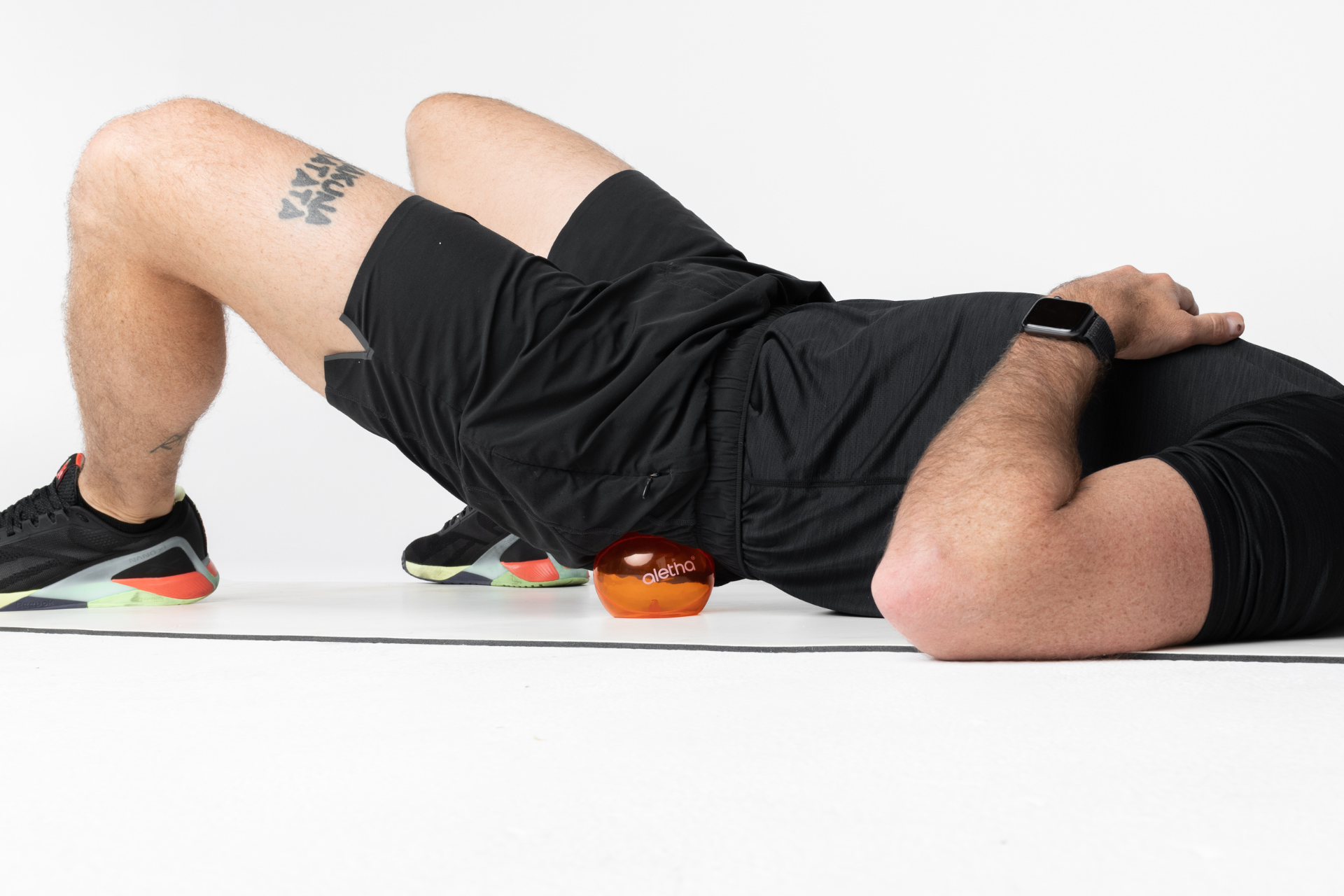
Success with a massage ball for sciatica depends on locating the precise trigger points contributing to your nerve compression. Start with these critical areas:
The Piriformis Hotspot: Lie on your back with knees bent. Place the ball under one buttock, slightly inward from the hip bone toward the tailbone. As you shift your weight, search for a tender spot about halfway between your hip bone and the center crease of your buttock. This typically indicates your piriformis muscle. When correctly positioned, you may feel referred sensations down the back of your leg.
Gluteus Maximus Release: Move the ball outward toward the widest part of your buttock. This larger muscle often harbors significant tension from sitting, contributing to overall hip tightness that affects sciatic nerve mobility.
Lower Back Access Points: For hard-to-reach areas along your spine, try the wall technique. Stand with the ball between your lower back and a wall, then slowly slide up and down. Focus on the muscles flanking your spine—not directly on the vertebrae—to release tension contributing to nerve compression.
Apply 30-90 seconds of pressure per spot, breathing deeply to facilitate muscle relaxation. If you encounter extreme tenderness, back off slightly—productive discomfort should feel like a “good hurt” rather than sharp pain.
Step-by-Step Floor Technique for Immediate Relief
Follow this sequence for comprehensive sciatica treatment:
-
Gluteus Maximus Activation: Lie on your back with one foot flat on the floor. Position the ball under the center of your affected buttock. Slowly lower your hips, controlling pressure with your hands. Hold for 60 seconds while taking deep breaths.
-
Piriformis Targeting: Shift the ball inward toward your tailbone, focusing on the deeper, more tender area. Apply moderate pressure for 60-90 seconds. You may feel radiating sensations down your leg—this indicates you’ve found the right spot.
-
Hamstring Connection: Sit with legs extended and place the ball under your thigh just below the buttock. Roll slowly toward your knee, pausing on tender spots for 30 seconds. Tight hamstrings pull on the pelvis, worsening sciatic tension.
-
Hip Flexor Balance: Roll onto your stomach with the ball positioned under your front hip. This addresses tight hip flexors that tilt the pelvis forward, increasing pressure on the sciatic nerve. Hold for 45 seconds per side.
Wall Method for Quick Office Relief
When floor positioning isn’t practical, the wall technique provides instant relief at work:
Stand with your back against a wall and place the ball between the wall and your buttock. Slowly slide down the wall, adjusting pressure with your body weight. Move side to side to target different areas of your glutes. This position allows precise piriformis targeting while keeping your hands free to stabilize yourself.
For lower back tension, position the ball along the curve of your spine and slide vertically. Focus pressure on the muscles beside your spine—not directly on the vertebrae—for optimal results. Limit wall sessions to 5-7 minutes when first starting.
Smart Frequency and Duration Guidelines
For lasting results, consistency matters more than intensity. Start with these parameters:
- Apply 30-45 seconds per trigger point when beginning
- Gradually increase to 60-90 seconds as your tolerance builds
- Complete the full sequence once daily for chronic management
- During acute flare-ups, perform modified sessions twice daily
- Never exceed two minutes per spot to avoid tissue damage
Most people notice improvement within 2-3 weeks of consistent daily use. If pain worsens or doesn’t improve after four weeks, consult a physical therapist—your sciatica may require additional treatment approaches.
Critical Safety Considerations
Avoid these common mistakes that can worsen sciatica:
- Pressing directly on the sciatic nerve: If you experience electric tingling or numbness different from your usual symptoms, reposition immediately
- Overdoing duration: Longer isn’t better—excessive pressure causes inflammation that increases pain
- Ignoring both sides: Always treat both glutes equally, even if pain is unilateral
- Skipping warm-up: Never apply deep pressure to cold muscles
Stop immediately if you experience sharp, shooting pain or increased numbness. Consult your doctor before using massage balls if you have osteoporosis, blood clotting disorders, or active inflammation.
Maximizing Results with Complementary Practices
For best outcomes, combine your massage ball routine with:
- Gentle stretching of the piriformis and hamstrings immediately after ball work
- Strengthening exercises like glute bridges to support long-term relief
- Heat therapy before sessions to increase tissue pliability
- Posture correction throughout your day to prevent tension buildup
Remember that massage balls address muscular contributors to sciatica but don’t fix structural issues like herniated discs. Use them as part of a comprehensive approach that may include professional physical therapy when needed.
When properly applied, learning how to use a massage ball for sciatica delivers immediate relief you can access anytime pain strikes. With consistent practice following these precise techniques, you’ll gain greater control over your symptoms and reduce reliance on pain medication. Start gently, stay consistent, and listen to your body’s feedback—your path to sciatica relief begins with a simple ball and the right technique.