Waking up to stabbing heel pain that feels like stepping on shards of glass is the daily reality for millions suffering from plantar fasciitis. If you’re among those struggling with this common foot condition, you’ll be relieved to know that simple, affordable relief is within reach—literally at your feet. Learning how to use a massage ball for plantar fasciitis properly can break the cycle of pain, release tension in your plantar fascia, and restore mobility without expensive treatments. This guide reveals the exact techniques that deliver real results, helping you transform painful steps into pain-free strides in as little as two weeks with consistent practice.
Why Massage Balls Work for Plantar Fasciitis
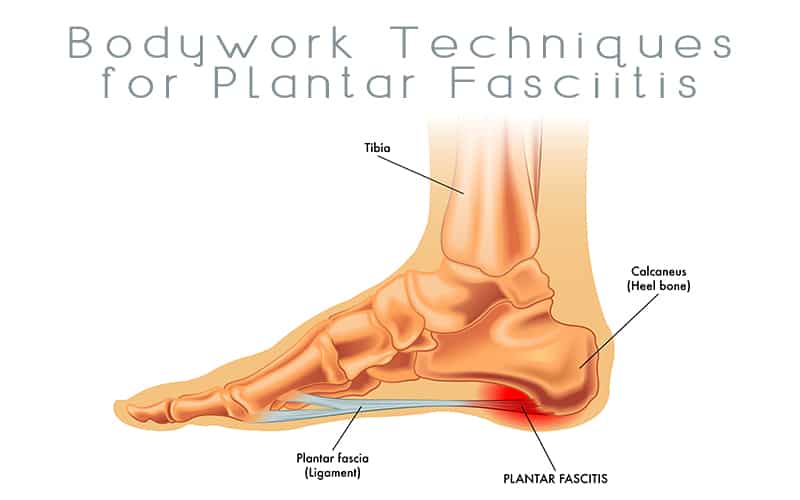
The plantar fascia—the thick band of tissue connecting your heel to your toes—becomes inflamed and painful when overworked, causing that signature morning heel pain. Massage ball therapy directly addresses this by breaking up adhesions in the fascia that restrict movement and contribute to pain. As you roll the ball under your foot, you’re performing self-myofascial release that restores flexibility to the tissue. The pressure also increases blood flow to the area, delivering oxygen and nutrients while flushing out inflammatory waste products. Additionally, the targeted pressure stimulates nerve endings in a way that interrupts pain signals to your brain, providing immediate relief while promoting long-term healing.
Selecting the Right Massage Ball

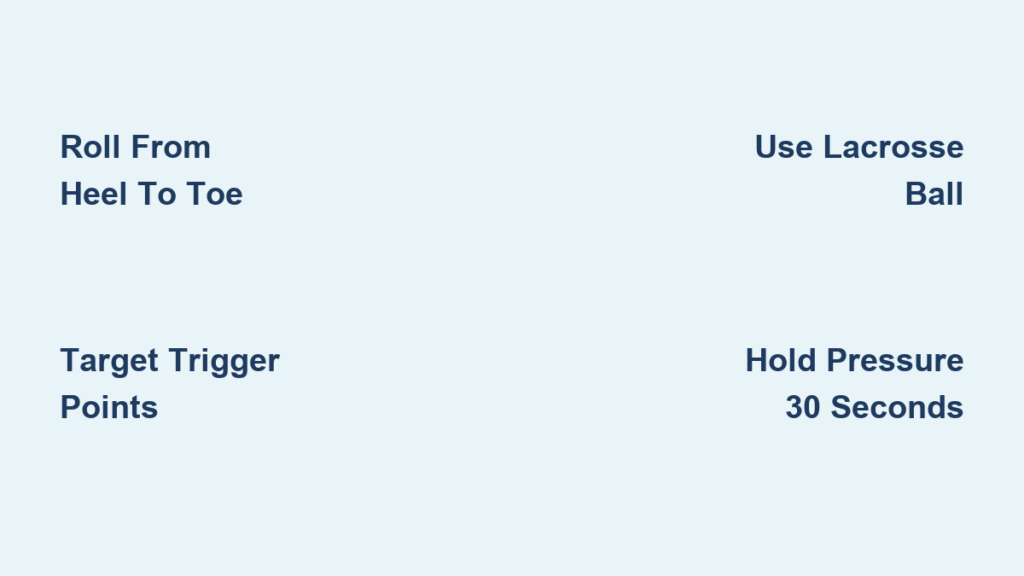
Not all massage balls deliver equal results for plantar fasciitis treatment. Your choice should match your pain tolerance and condition severity. Standard smooth rubber or silicone balls provide gentle, distributed pressure ideal for beginners or mild symptoms. They’re affordable and widely available but may lack sufficient intensity for chronic cases. Lacrosse balls have become the gold standard among physical therapists—their firmness and textured surface deliver optimal pressure for breaking up stubborn adhesions in the plantar fascia. The small size allows precise targeting of trigger points that smooth balls might miss. For severe cases, spiked or nubbed massage balls penetrate deeper into tissue with multiple contact points, but require careful use to avoid bruising. Most users benefit from starting with a lacrosse ball and progressing to spiked options only if needed.
Proper Preparation Before Starting
Skipping preparation can turn potential relief into aggravation. Begin by washing and thoroughly drying your feet—clean, dry skin prevents slipping during treatment and avoids pushing bacteria into your skin. Choose a stable surface: a yoga mat on the floor or a sturdy chair where you can comfortably reach the ground. Never perform these exercises while standing initially, as reduced stability increases fall risk. Warm up your feet first with five minutes of ankle circles, toe scrunches, or a warm foot soak. This prepares tight tissues for deeper work and makes your treatment significantly more comfortable. Position your massage ball within easy reach before you begin so you don’t have to stretch or lose balance mid-session.
Mastering the Basic Rolling Technique
Proper rolling technique forms the foundation of effective plantar fasciitis relief. Sit comfortably with legs extended and place the ball under your arch near the heel. Apply gentle downward pressure—enough to feel substantial resistance but not sharp pain. Roll slowly from heel to toe over 3-5 seconds, then back again. Complete 60-90 seconds of continuous rolling per foot, focusing on maintaining even pressure throughout the movement. When you encounter tender spots, pause and hold pressure for 20-30 seconds while taking deep breaths to relax the tissue. Your body weight should provide sufficient pressure—avoid using your hands to push down, as this often leads to excessive force. If pain intensifies sharply, reduce pressure immediately; effective treatment should feel like “good pain” that gradually subsides.
How to Identify and Treat Trigger Points
Trigger points—knots of tension in your plantar fascia—are often the primary pain sources. As you roll, note areas that feel distinctly tighter or more painful than surrounding tissue. Common trigger points include the inner heel bone, mid-arch region, and near the ball of your foot. When you locate a trigger point, stop rolling and position the ball directly beneath it. Apply firm but tolerable pressure and hold for 60-90 seconds while consciously relaxing your foot with each exhale. You’ll typically feel the intensity peak then gradually decrease as the tissue releases. After releasing a trigger point, perform several slow ankle circles to restore mobility before continuing with general rolling.
Advanced Techniques for Stubborn Pain
When standard rolling fails to provide relief, these advanced techniques deliver deeper results. Cross-fiber friction—rolling the ball side-to-side across the plantar fascia rather than lengthwise—breaks up adhesions that longitudinal rolling misses. Perform this for just 30-45 seconds per area to avoid tissue trauma. Standing massage ball therapy uses your full body weight for increased pressure but should only be attempted after 2 weeks of seated practice. Stand near a wall for balance, place the ball under your arch, and gradually shift weight onto it while keeping a slight knee bend. Hold for 30-60 seconds. For comprehensive relief, combine foot treatment with calf rolling—tight calves contribute significantly to plantar fascia strain.
Optimal Timing for Maximum Results
Duration and frequency determine your success with massage ball therapy. Start with 3-5 minutes per foot daily—consistency trumps intensity. Morning sessions are particularly effective when plantar fasciitis pain peaks with first steps. Most people notice improvement within 7-14 days of daily use. If symptoms persist beyond 3-4 weeks, consult a healthcare professional. Never exceed 7 minutes per foot per session, as over-treatment causes inflammation that delays healing. Track your progress in a symptom journal to identify what works best for your specific condition. Many find that alternating between massage ball therapy and ice therapy (rolling bare feet over a frozen water bottle) provides superior relief.
Critical Mistakes That Worsen Plantar Fasciitis
Avoid these common errors that sabotage your recovery. Applying excessive pressure too quickly causes bruising and increased inflammation—build intensity gradually over sessions. Skipping warm-ups makes treatment unnecessarily painful and less effective. Inconsistent practice yields minimal results—daily 5-minute sessions outperform weekly marathon treatments. Ignoring sharp or shooting pain signals can transform acute issues into chronic problems—stop immediately if you experience anything beyond dull, aching pressure. Using inappropriate balls like golf balls (too hard) or tennis balls (too soft) reduces effectiveness—lacrosse balls provide the ideal firmness for most people.
When to Skip Massage Ball Therapy
Certain conditions require medical consultation before attempting self-treatment. Avoid massage ball therapy if you have open wounds, blisters, or skin infections on your foot. Diabetics or those with peripheral neuropathy should consult their doctor first due to reduced foot sensation. Discontinue treatment immediately if you experience numbness, tingling, or electrical pain—these indicate possible nerve involvement. Never use massage balls if you have acute foot injuries, fractures, or severe bruising. If your pain worsens after two weeks of proper technique, seek professional evaluation to rule out other conditions like stress fractures or nerve entrapment.
Combining Treatments for Faster Relief
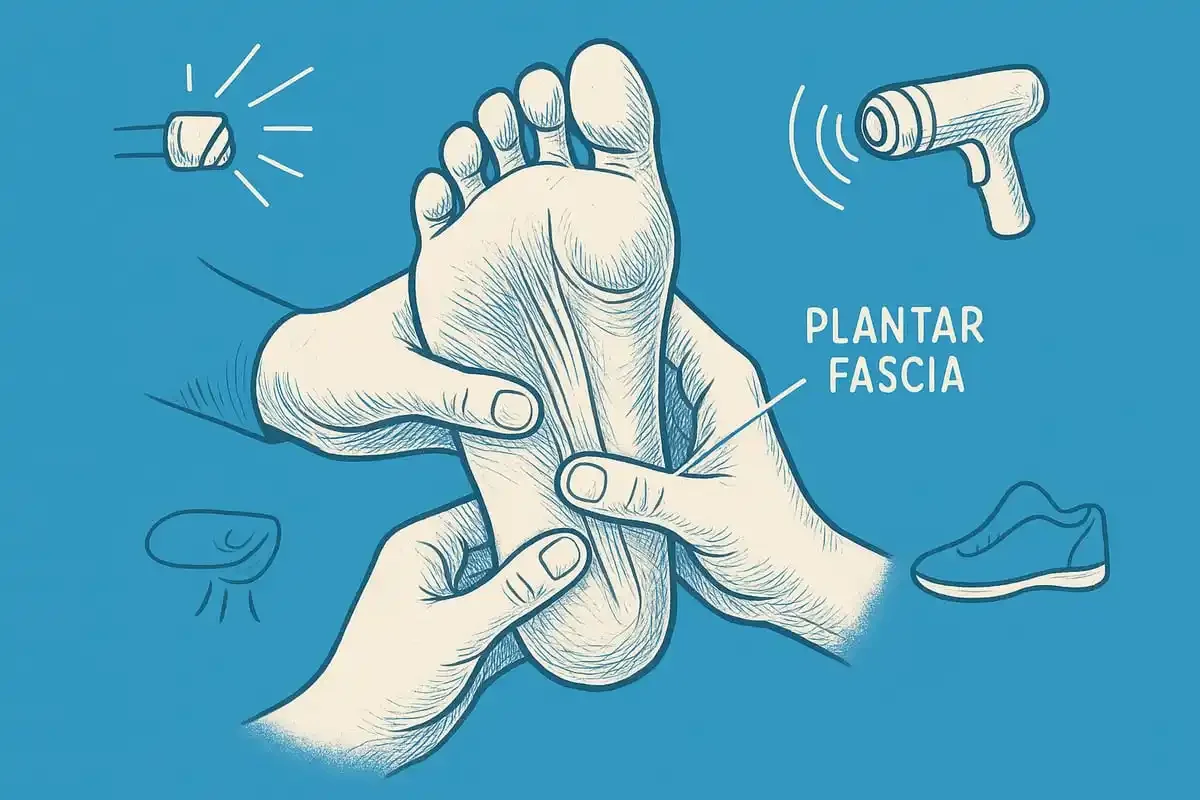
Massage ball therapy works best as part of a comprehensive approach. Follow your session with targeted stretches: the wall calf stretch and towel stretch performed while sitting significantly reduce morning pain. Wear supportive footwear with proper arch support throughout the day—avoid flat shoes or going barefoot. Consider night splints that maintain gentle stretch while you sleep, preventing overnight tightening. After your massage session, apply ice for 5-10 minutes to reduce any post-treatment inflammation. This combination approach addresses plantar fasciitis from multiple angles, delivering faster, more complete relief than any single method alone.
Preventing Future Flare-Ups
Once pain subsides, maintain your results with simple prevention strategies. Continue massage ball therapy 2-3 times weekly to keep tissues flexible. Replace worn shoes regularly—they lose supportive properties long before visible wear appears. If your job requires standing, use anti-fatigue mats and take seated breaks. Athletes should gradually increase training intensity and ensure proper footwear for their sport. Maintain calf flexibility through daily stretching, as tight calves remain the primary contributor to recurrence. Keep a massage ball at work or in your gym bag for quick maintenance sessions when your feet feel tight.
Consistent, proper use of a massage ball provides powerful relief for plantar fasciitis when performed correctly. By selecting the right ball, mastering proper technique, avoiding common mistakes, and combining treatments, you can reclaim pain-free movement and prevent future flare-ups. Start with gentle daily sessions, track your progress, and be patient—most people experience significant improvement within two weeks. If pain persists despite proper technique, consult a foot specialist to explore additional treatment options. Your journey to pain-free steps begins today with the simple roll of a ball beneath your foot.