The rhythmic thump of your walking pad can quickly transform from a subtle background sound to an overwhelming distraction, especially in home offices, apartments, or shared living spaces. Many users discover that the constant mechanical hum, belt friction, and footstep impact noise disrupt not only their own concentration but also disturb family members, roommates, or neighbors below. What’s frustrating is that walking pads are marketed as quiet alternatives to traditional treadmills, yet many models still produce more noise than expected during regular use. The good news is that with targeted interventions, you can significantly reduce your walking pad’s noise output—sometimes by as much as 50%—transforming it from a disruptive presence to a nearly imperceptible workstation companion that lets you stay active without sacrificing peace.
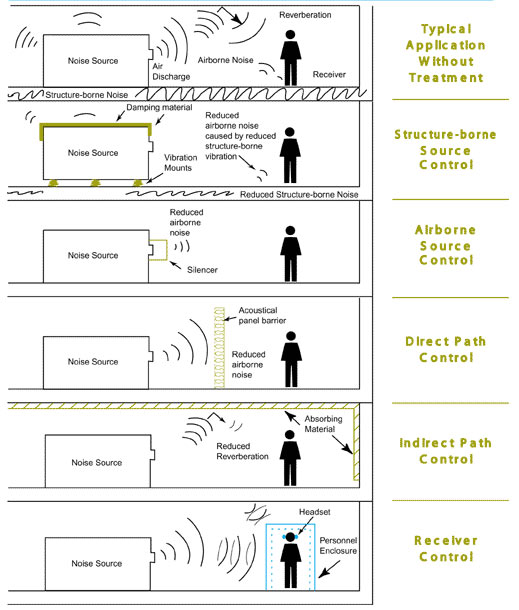
Understanding precisely where walking pad noise originates is crucial for implementing effective solutions. Unlike traditional treadmills that often sit in dedicated exercise rooms, walking pads are typically placed in living spaces where noise sensitivity is much higher. The primary noise sources include the motor assembly generating mechanical hum, the walking belt creating friction against the deck, impact noise from your footsteps transferring through the structure, and vibration that travels through the floor to adjacent rooms. Each of these components requires a different approach to quiet effectively, which is why a comprehensive strategy addressing all potential noise pathways typically yields the best results. Whether you’re dealing with a new walking pad that’s louder than promised or an older model that has developed concerning sounds over time, implementing the techniques outlined below will help you reclaim quiet productivity while staying active.
Identify and Locate the Noise Source
Before attempting any noise reduction techniques, take five minutes to properly diagnose where the noise is actually coming from. This diagnostic step prevents wasted effort on solutions that don’t address your specific problem.
Listen carefully during operation by turning off background noise sources and standing close to different sections of your walking pad while it operates at various speeds. Place one hand on the motor housing, another on the walking belt, and notice where vibration is most pronounced. If the motor feels excessively warm or vibrates intensely, you’ve likely found your primary noise contributor. If noise increases specifically when your feet contact the belt, focus your efforts on the belt-deck interface rather than the motor.
Common noise patterns reveal specific problems—a high-pitched whirring sound usually indicates motor or bearing issues, a rhythmic thumping or bumping noise often points to belt misalignment or debris caught in the mechanism, and a low-frequency rumbling vibration typically means the walking pad lacks proper dampening underneath. Squeaking sounds are almost always related to belt friction and can usually be resolved with proper lubrication. Take notes on when the noise occurs (startup, specific speeds, during incline changes) as this information helps pinpoint the exact cause.
Add Proper Floor Padding and Underlay

The single most effective noise reduction strategy for most walking pad users is installing proper flooring under the equipment. Walking pads transfer both impact noise and vibration directly to whatever surface they sit on, which then amplifies and transmits sound throughout your space.
Dedicated treadmill mats outperform generic exercise mats by providing superior vibration absorption. These specialized mats range from 6mm to 12mm thick and use high-density rubber or TPE (thermoplastic elastomer) materials that excel at dampening mechanical vibrations. The mat should extend at least 4-6 inches beyond the walking pad’s footprint on all sides to effectively capture both direct impact and peripheral vibration. For apartment dwellers with neighbors below, this single intervention often reduces noise complaints significantly.
Budget-friendly alternatives include interlocking foam floor tiles commonly used in home gyms, which can be arranged beneath the walking pad for enhanced sound absorption. Layering multiple yoga mats (at least three) creates a surprisingly effective barrier, especially for impact noise. Even a standard area rug with dense pile can make a noticeable difference on hard flooring surfaces. The key is thickness and density—thin mats simply compress too quickly to provide meaningful dampening.
Level and Stabilize Your Walking Pad

An unstable walking pad generates significantly more noise than one properly set up on a solid, level surface. Even minor rocking motions during operation cause components to shift, rub, and vibrate in ways that create distracting sounds.
Check for levelness using a spirit level placed across the deck surface both front-to-back and side-to-side. Most walking pads feature adjustable feet—typically small rubber or plastic knobs at the base—that can be turned to raise or lower each corner. Adjust until the walking pad sits perfectly level, which often reduces noise immediately. If your model lacks adjustable feet, use thin cardboard shims or felt furniture pads under corners that lift off the ground.
Tighten all connection points since constant vibration during use gradually loosens bolts, screws, and fasteners. Periodically check handrail connections, deck bolts, and access panels. A single loose component can create disproportionate noise as it rattles during operation. Keep the included tools handy for these quick maintenance sessions—spending two minutes tightening hardware monthly prevents hours of noise frustration.
Perform Regular Maintenance and Cleaning
Neglected walking pads accumulate dust, debris, and belt wear that directly contributes to increased noise levels over time. Establishing a simple maintenance routine keeps components functioning smoothly.
Clean the walking belt and deck weekly by turning off and unplugging the unit, then wiping the visible belt portion with a damp cloth. For the deck surface beneath, consult your manual—many models allow access by lifting the belt edge. Remove accumulated dust, pet hair, or debris, as particles trapped between belt and deck create friction and squeaking. Some manufacturers recommend periodic silicone-based lubricant application, but only use products specifically approved for your model.
Lubricate moving parts according to manufacturer guidelines, typically every 3-6 months of regular use. Over-lubrication attracts dust and creates sticky residue, while under-lubrication increases friction noise. Use only the recommended lubricant type and apply sparingly—most walking pads require just a few drops along the belt-deck interface.
Inspect belt tension and wear monthly, as belts that are too loose can slap against the deck, while overly tight belts strain the motor. Most models allow adjustment via a bolt near the rear roller—aim for about 2-3 inches of give when pressing down firmly on the belt center. Replace worn belts showing cracks, fraying, or glazing to restore quiet operation.
Use Commercial Noise Reduction Accessories
Beyond basic padding, specialized products target walking pad noise effectively. Anti-vibration pads replace standard feet or sit beneath them to interrupt vibration transfer. These rubber or elastomer isolators are particularly valuable on hard surfaces where impact noise amplifies. Belt conditioners specifically formulated for walking pads quiet squeaky belts—apply while manually rotating the belt for even coverage. Avoid household oils that deteriorate belt material. Sound-dampening panels placed behind the unit absorb airborne motor noise, especially helpful when positioned near sound-reflecting walls.
Optimize Your Walking Technique and Usage Patterns
Sometimes the quietest walking pad still creates noise based on usage. Wear cushioned shoes instead of barefoot or thin slippers to absorb impact. Find your walking pad’s quietest speed range—often in the middle of its capabilities rather than extremes. Maintain even weight distribution with good posture and avoid heavy heel strikes. These subtle technique adjustments reduce impact noise without compromising your walking session.
Address Motor and Electrical Issues
Unusual motor sounds require attention. Check for obstructions by manually rotating the belt when powered off. Listen for electrical buzzing which may indicate connection issues. Consider motor age since extensive use over time naturally increases noise as components wear. Persistent motor issues often warrant professional assessment.
Long-Term Prevention Strategies
Establish a maintenance schedule with monthly inspections, quarterly lubrication, and semi-annual hardware checks. Cover your walking pad when not in use to prevent dust accumulation in motor housings. Monitor performance changes to address small problems before they escalate into major noise issues.
When to Seek Professional Help
Recognize when noise indicates serious problems. Grinding or knocking sounds, visible smoke, belt slippage despite tension adjustment, or electrical issues require professional service. Weigh repair costs against replacement value—sometimes upgrading to a newer, quieter model proves more economical than extensive repairs.
Key Takeaways for a Quieter Walking Pad
Creating a truly quiet walking pad experience requires addressing multiple noise pathways simultaneously. Start with proper floor padding and equipment stabilization—these interventions typically yield the most dramatic improvements. Combine this with regular maintenance and optimized usage patterns for comprehensive noise reduction. Most users find that implementing just 3-4 key strategies transforms their walking pad from a disruptive presence to a nearly silent workstation companion. With these techniques, your walking pad can operate at noise levels comparable to a quiet conversation, allowing you to stay active without disturbing your work environment or neighbors. Remember that consistent maintenance prevents most noise issues before they start, saving you time, money, and frustration in the long run.