Your Sperax walking pad operates smoothly when the walking belt glides effortlessly across the deck surface—but this seamless movement depends entirely on proper lubrication. Over time, the friction between the belt and deck causes gradual wear, leading to squeaking noises, reduced performance, and potentially costly repairs. Learning how to oil your Sperax walking pad correctly prevents these issues and extends the machine’s lifespan significantly. With just a few simple tools and about fifteen minutes of maintenance, you can restore your walking pad to peak condition and enjoy quiet, efficient workouts for months to come.
Regular lubrication creates a protective barrier that reduces friction, minimizes heat buildup, and protects both the belt and deck from premature wear. This guide walks you through every step of the process, from selecting the right lubricant to troubleshooting common issues. Whether your walking pad has recently started making noise or you’re performing routine maintenance, these techniques will keep your Sperax running like new.
Gather Essential Lubrication Supplies
Before starting the lubrication process, collect all necessary materials to ensure a smooth workflow. You need 100% silicone-based treadmill lubricant specifically designed for walking pads—never use petroleum-based products or general-purpose silicone sprays, as these can damage the belt material and void your warranty. Look for lubricant that comes with an applicator wand or spray nozzle, which makes reaching under the walking belt significantly easier. A clean microfiber cloth or soft rags are essential for wiping excess lubricant and keeping the belt surface dry during application.
Additionally, keep these items ready:
– Protective gloves to prevent lubricant contact with your skin
– Flashlight or phone light to inspect the deck surface beneath the belt
– Screwdriver or similar tool for gently lifting the walking belt if needed
– Small container for catching any potential drips during application
Most silicone treadmill lubricants are available online or at sporting goods stores, and a single 4-ounce bottle typically lasts for multiple applications depending on usage frequency. High-quality lubricant will have a clear or slightly milky appearance and should not contain petroleum distillates that could degrade your walking pad components.
Prepare Your Walking Pad for Lubrication
Proper preparation prevents damage and ensures effective lubricant application. First, turn off and unplug your Sperax walking pad completely—this safety step prevents accidental activation while you’re working on the machine. If the walking pad has been used recently, allow it to cool to room temperature for at least 30 minutes, as applying lubricant to a hot deck surface can affect how the silicone distributes and adheres.
Clear the workspace around your walking pad to give yourself full access to all sides of the belt. Inspect the walking belt for any visible damage, such as fraying edges, tears, or excessive wear patterns that might need attention before lubrication. Vacuum or wipe down the walking belt surface to remove dust, pet hair, sweat residue, and other debris that could interfere with lubricant distribution. This cleaning step is crucial because contaminants trapped beneath the belt can create uneven wear and reduce the effectiveness of your lubrication efforts.
Access the Deck Surface Beneath the Belt
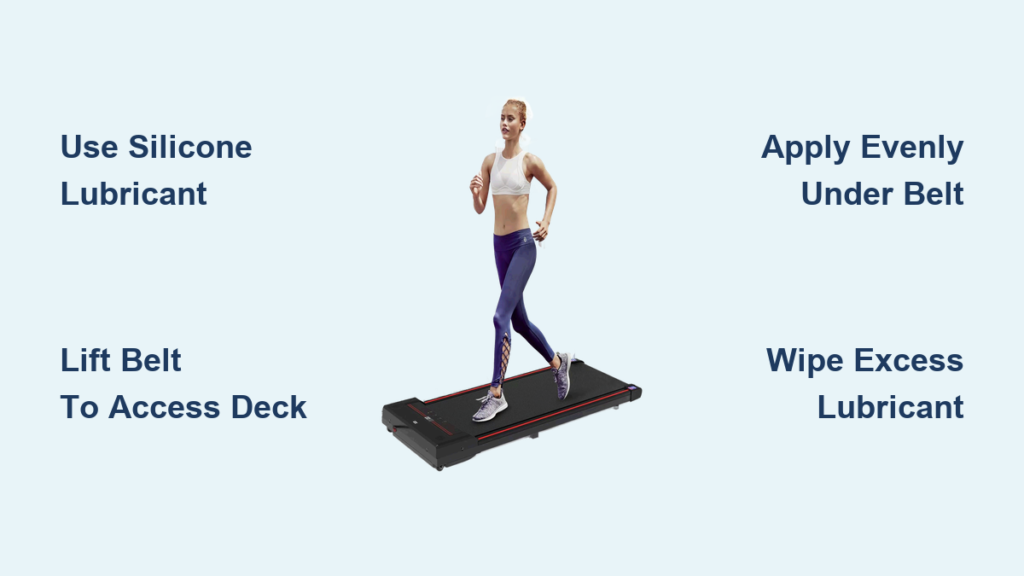
Reaching the deck surface requires lifting the walking belt slightly to expose the area where friction occurs during operation. On most Sperax walking pads, the rear roller provides the easiest access point. Locate the rear roller at the back end of the deck—this is typically larger than the front roller and sits flush with the walking pad’s frame. Gently lift the walking belt edge near the rear roller, creating a small gap between the belt and deck surface.
For Sperax models with a folding mechanism, ensure the walking pad is fully extended and locked in position before attempting to lift the belt. Some Sperax models feature access panels or specifically designed lift points, so consult your owner’s manual if you’re unsure how to safely lift the belt on your particular model. Never force the belt upward or use excessive pressure, as this can strain the belt tension system or damage the roller mechanism. The goal is simply to create enough space to apply lubricant beneath the belt without straining any components.
Apply Silicone Lubricant Evenly

With the belt lifted to expose the deck surface, apply your silicone lubricant in a controlled, methodical manner. For spray lubricants, hold the nozzle approximately two to three inches from the deck surface and apply in a steady, sweeping motion that covers the entire center portion of the deck where the belt makes most contact. For bottle applicators, squeeze gently to dispense a thin, continuous line of lubricant directly onto the deck surface, running parallel to the length of the walking pad.
The key is applying enough lubricant to coat the surface without creating puddles or excessive buildup. A thin, even layer is far more effective than a thick coat. If you’re unsure about the amount, start with less—you can always add more, but removing excess lubricant is more time-consuming. Most walking pads require only a small amount of silicone lubricant to achieve proper coverage, typically equivalent to a few teaspoons spread across the deck surface. Pro tip: Apply lubricant in 6-inch segments along the centerline of the deck, working from the rear roller toward the front.
Distribute Lubricant Across All Contact Points
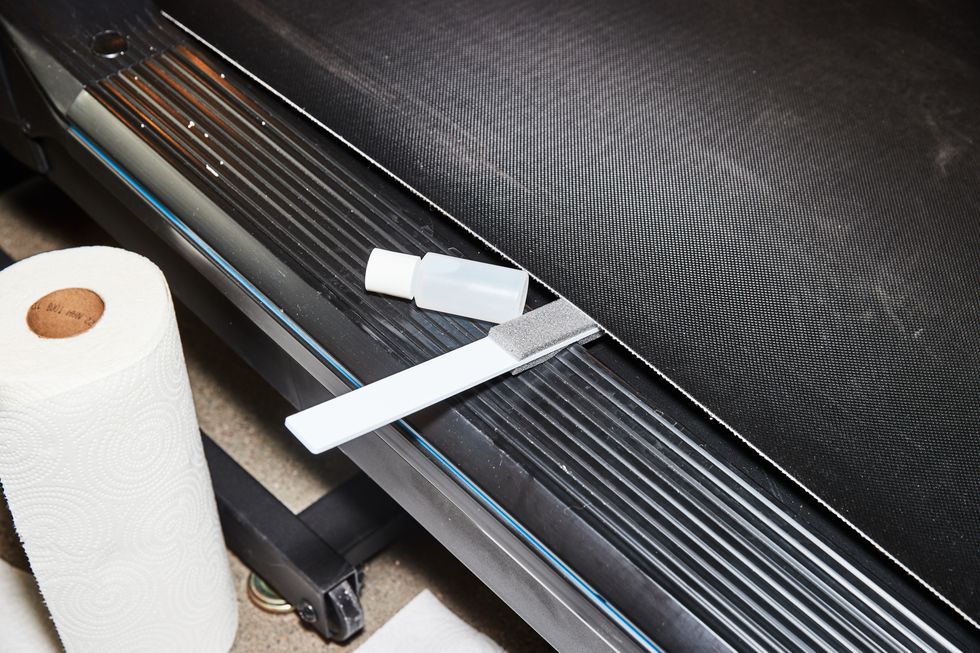
After applying the lubricant, manually walk the belt forward and backward by rotating the rear roller or gently pushing the belt. This action spreads the lubricant beneath all areas of the belt, ensuring the front roller also receives proper coverage. Continue rotating the belt through several complete revolutions until you can see that the lubricant has distributed evenly and created a thin, consistent layer across the entire deck surface.
This distribution step is critical because uneven lubrication leads to inconsistent belt performance, with some areas gliding smoothly while others continue to create friction. Take your time with this step and check that the lubricant has reached both the center and edges of the deck surface. You should notice the belt moving more freely with less resistance under your hand as you rotate it. For best results, rotate the belt through at least 10 full revolutions to ensure complete coverage.
Wipe Excess and Test the Walking Pad
Using a clean microfiber cloth, carefully wipe the walking belt surface to remove any lubricant that has squeezed out during distribution. Excess lubricant creates a slippery surface that poses a safety hazard during use and attracts dust and debris that can damage the machine over time. The goal is a thin, invisible coating rather than a visible layer of silicone on the belt surface.
Once you’ve wiped the excess, plug in your Sperax walking pad and operate it at the lowest speed setting for two to three minutes. This allows the lubricant to fully distribute and settle into the belt-deck interface. Listen carefully for any unusual squeaking, grinding, or clicking noises that might indicate improper lubrication or another underlying issue. At medium speed, place your hand on the belt surface to confirm it feels smooth and consistent without sticky or resistive patches. Important: Wait at least 15 minutes before using the walking pad for exercise to allow the lubricant to fully absorb.
Fix Common Lubrication Problems
Even when following proper procedures, issues sometimes arise that require troubleshooting. If the walking belt slides excessively underfoot after lubrication, you likely applied too much lubricant. Stop the machine, unplug it, and wipe the belt surface thoroughly with a dry cloth. Allow the walking pad to run at low speed for several minutes to help absorb excess lubricant, then test again. Persistent sliding may indicate that the belt needs re-tensioning according to your manufacturer’s specifications.
Squeaking or grinding noises after lubrication often mean the lubricant didn’t reach all necessary surfaces, or the noise originates from another component such as the rollers or motor rather than the belt-deck interface. Reinspect the deck surface to ensure complete coverage, and check that the rollers are clean and free of debris. If noises continue, the issue may require professional inspection, as continued operation with damaged components can lead to more serious problems.
Lubricant visibly leaking from beneath the belt indicates over-application. Reduce the amount used in future maintenance sessions, and always wipe excess from the belt surface immediately after distribution. Minor seepage immediately after lubrication is normal and should resolve as the lubricant is absorbed, but persistent leaking suggests you’re using too much product.
Establish a Lubrication Schedule for Long-Term Performance
Consistent lubrication intervals prevent problems before they develop and maximize your walking pad’s performance and longevity. For moderate use of approximately thirty minutes daily, lubricating the walking belt every three to six months keeps everything running smoothly. Heavy use exceeding one hour daily requires more frequent maintenance, typically every one to three months. Environmental factors also influence lubrication frequency—high humidity, dusty environments, or storage in areas with temperature fluctuations may require more regular attention.
Your Sperax walking pad will show these signs when it needs lubrication:
– Squeaking or grinding sounds during operation
– Belt feeling sticky or resistant underfoot
– Motor working harder than usual to maintain speed
– Visible wear patterns on the belt surface
– Increased energy consumption
Beyond lubrication, develop habits that protect your investment. Wipe down the walking belt surface after each use with a slightly damp cloth to remove sweat and body oils that degrade belt material over time. Weekly, vacuum around and beneath the walking pad to prevent debris accumulation near moving components. Avoid placing the machine in areas with extreme temperature changes or high humidity, as these conditions affect both the lubricant’s performance and the walking pad’s electronic components.
Frequently Asked Questions About Sperax Lubrication
What happens if I don’t oil my Sperax walking pad? Without regular lubrication, the walking belt creates excessive friction against the deck surface, generating heat and causing accelerated wear on both components. You’ll likely notice squeaking or grinding noises, the belt may feel sticky or resistive during use, and the motor works harder to maintain speed. Over time, insufficient lubrication leads to premature component failure, potentially requiring expensive repairs or complete belt replacement.
Can I use alternative lubricants instead of silicone-based products? Using non-silicone lubricants such as petroleum-based oils, WD-40, or general-purpose sprays can damage the walking belt material, degrade the deck surface, and create safety hazards during operation. These products may also void your warranty and attract excessive dust and debris. Always use lubricant specifically labeled for treadmills and walking pads to ensure compatibility with your machine’s materials.
How do I know if my walking pad needs lubrication immediately? Listen for squeaking, grinding, or clicking sounds during operation—these indicate friction between the belt and deck. Feel the belt surface underfoot for roughness, stickiness, or inconsistent resistance. Visible wear patterns on the belt surface or the motor working harder than usual to maintain speed also signal that lubrication is needed. Performing lubrication at the first sign of these symptoms prevents more serious damage.
Prioritize Safety During Maintenance
Every maintenance session should begin with safety precautions that protect both you and your equipment. Always unplug the walking pad before performing any maintenance, including lubrication—this eliminates the risk of accidental activation while your hands are near moving components. Allow the machine to cool completely if it has been recently used, as hot surfaces can affect lubricant application and distribution.
When lifting the walking belt to access the deck, do so gently without forcing or straining the belt tension system. Keep lubricant away from electrical components and ensure your hands are dry before plugging the machine back in after maintenance. If you’re uncertain about any step in the process, consult your Sperax owner’s manual or contact customer support before proceeding. Taking these precautions ensures that your lubrication routine enhances performance without creating new problems.
Regular lubrication transforms your Sperax walking pad from a machine that works hard to one that glides effortlessly through every workout session. By following these steps—gathering the right supplies, preparing properly, applying silicone lubricant correctly, and maintaining a consistent schedule—you protect your investment and enjoy reliable performance for years to address. A well-lubricated walking pad operates quietly, efficiently, and safely, making every step toward your fitness goals smoother than the last.