Your weight plates shouldn’t be scattered across your gym floor like forgotten workout remnants—they’re a significant investment that deserves proper organization. Knowing how to store weight plates correctly transforms your training space from chaotic to professional while protecting your equipment from unnecessary wear. Without dedicated storage, plates create tripping hazards, develop flat spots from improper stacking, and make your workout transitions frustratingly inefficient. This guide reveals exactly how to store weight plates for maximum space efficiency, safety, and equipment longevity—whether you’re working with a compact home gym or managing a commercial facility.
Most gym owners underestimate how much space their plates consume until they’re tripping over them during deadlifts or wasting precious workout time searching for that elusive 10-pound plate. The right storage solution isn’t just about tidiness—it’s about creating a functional training environment where every piece of equipment has its place. You’ll discover which storage types work best for your specific plate collection, how to install them safely, and why proper storage actually extends the lifespan of your plates.
How to Choose Weight Plate Storage That Fits Your Space & Budget
Selecting the right weight plate storage requires matching your specific needs to the appropriate solution rather than opting for the cheapest or most attractive option. Your decision should balance four critical factors: available floor and wall space, the composition of your plate collection, your budget constraints, and how frequently you’ll be accessing the plates during workouts. Ignoring any of these elements leads to storage that looks good but functions poorly in your actual training environment.
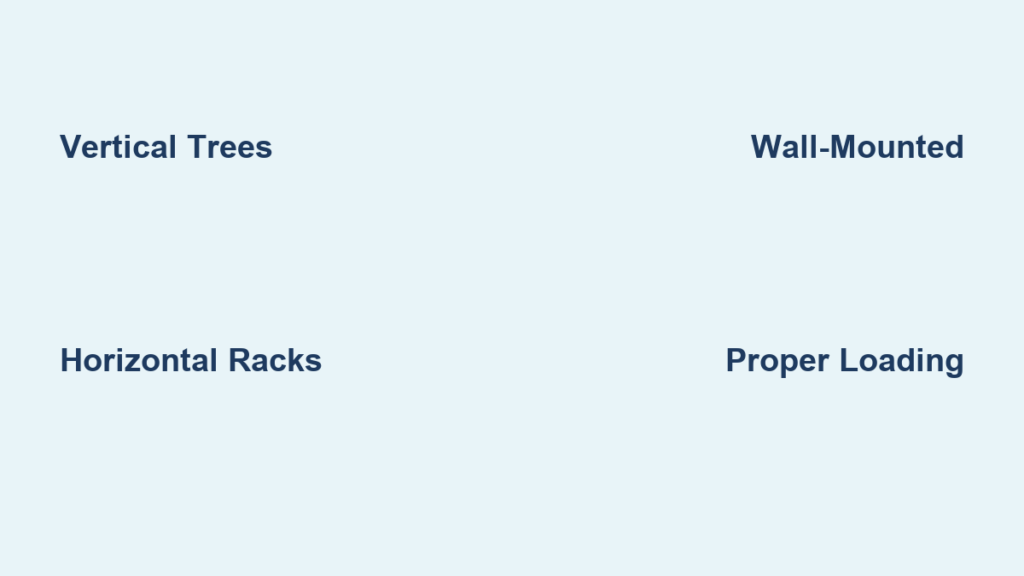
Vertical vs. Horizontal Storage: Which Works Best for Your Plates?
Vertical plate trees minimize floor footprint by stacking plates upright on pegs, making them ideal for home gyms where every square foot counts. These freestanding units typically feature 3-5 pegs of varying diameters to accommodate Olympic plates (2-inch center holes) on larger pegs while smaller pegs hold standard plates and change weights. The best vertical trees incorporate Olympic bar storage into the same unit, eliminating the need for separate bar racks and maximizing space efficiency.
Horizontal plate racks offer higher capacity but require more floor space, positioning plates flat on shelves or in troughs. These excel with bumper plate collections where uniform diameter allows neat stacking regardless of weight. Commercial gyms favor horizontal racks because they handle heavy daily use while keeping plates stable and accessible. If you own primarily bumper plates or have ample floor space, horizontal racks provide superior organization and durability for long-term use.
Vertical Plate Trees: Maximize Floor Space with Olympic Plate Storage

Vertical plate trees deliver the most efficient space utilization for home gym owners working with limited square footage. These freestanding units store plates upright on pegs, transforming what would be scattered floor space into organized vertical storage that keeps plates visible and within immediate reach during workouts. The typical vertical tree accommodates 300-500 pounds of plates depending on construction quality, with Olympic-sized pegs (2-inch diameter) handling standard bumper and iron plates.
How to Load Plates on Vertical Trees for Maximum Stability
Loading plates correctly on vertical trees prevents instability and extends both plate and storage lifespan:
- Start with heaviest plates on bottom pegs – Place 45s and 25s on lower pegs to lower the center of gravity
- Distribute weight evenly – Alternate sides when loading multiple plates to prevent tipping
- Leave 1-2 inches between plates – Prevents scratching and makes individual plates easier to remove
- Never exceed manufacturer’s weight rating – Overloading causes peg deformation and stability issues
Pro Tip: Install your vertical tree within arm’s reach of your primary lifting station to eliminate unnecessary movement during plate changes. This simple positioning adjustment saves minutes per workout that add up significantly over time.
Horizontal Plate Racks: The Best Solution for Bumper Plate Storage

Horizontal plate racks provide superior organization for bumper plate collections where plates of different weights maintain the same diameter. These racks feature flat shelves or troughs that allow plates to stack neatly without the stability concerns of vertical storage. Commercial facilities particularly benefit from horizontal racks because they withstand constant loading cycles while maintaining organization during peak usage hours.
How to Organize Bumper Plates in Horizontal Racks for Quick Access
Optimize your horizontal rack organization with this proven system:
- Group by weight class – Keep all 45s, 25s, and 10s in separate sections
- Place most-used weights at eye level – Position your primary working weights where you can grab them without bending
- Use color-coded dividers – Separate bumper plates from iron plates to prevent damage
- Leave 2 inches of space at rack ends – Prevents plates from sliding out during busy workout sessions
Warning: Never stack bumper plates beyond the rack’s height capacity—overstacking creates dangerous tipping hazards that can cause serious injury when plates fall.
Wall-Mounted Weight Plate Storage: How to Install Safely on Any Surface
Wall-mounted storage eliminates floor footprint entirely by utilizing vertical wall space most gym owners ignore. These systems feature individual pegs mounted directly to walls, creating customized storage configurations that match your exact plate collection. For home gyms under 200 square feet, wall-mounted solutions often represent the only viable storage option that maintains adequate workout space.
How to Mount Weight Plate Storage on Different Wall Types
Your wall construction type determines the mounting method for safe, secure installation:
- Wood-framed walls with studs: Locate studs using a stud finder, then secure with 3-inch lag screws rated for 200+ pounds per mounting point
- Concrete or brick walls: Use masonry anchors specifically rated for the weight load (typically sleeve anchors or wedge anchors)
- Drywall without studs: Install a backing board spanning multiple studs before mounting storage hardware
Critical Safety Check: Always test your wall-mounted storage with a partial plate load before fully loading it. Gently pull downward on the pegs to verify secure mounting before trusting your expensive plates to the system.
How to Match Storage Solutions to Your Specific Plate Collection
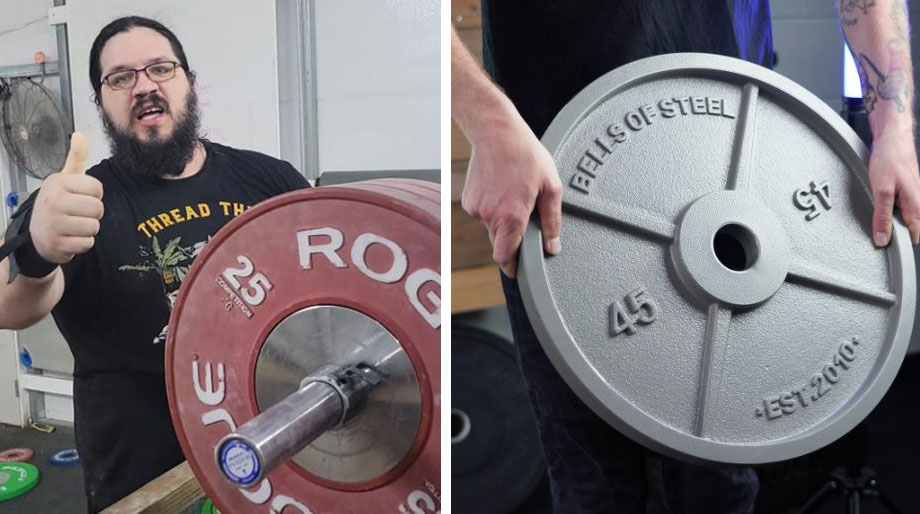
Your plate composition should dictate storage selection—not the other way around. Mixed collections with Olympic bumper plates, standard iron plates, and small change weights require versatile solutions that accommodate different center hole sizes and plate thicknesses. Bumper plates increase in thickness as weight increases, meaning ten 45-pound bumpers occupy significantly more space than ten 25-pound plates—a critical factor many gym owners overlook.
Storage Solutions for Common Plate Collection Types
| Plate Collection Type | Best Storage Solution | Why It Works |
|---|---|---|
| Primarily Olympic bumper plates | Horizontal plate racks | Uniform diameter allows neat stacking; flat orientation prevents flat spots |
| Mixed Olympic and standard plates | Vertical plate tree with multiple peg sizes | Accommodates both 2-inch Olympic holes and smaller standard plate holes |
| Competition-grade plates | Wall-mounted storage with protective padding | Keeps delicate plates secure while minimizing handling damage |
| Small home gym with minimal plates | Wall-mounted single pegs | Space-efficient solution for 2-3 pairs of plates |
Essential Buying Considerations for Long-Term Value
Weight plate storage ranges from $50 wall pegs to $350+ modular systems, making budget an important factor in your decision. However, the true cost involves evaluating value over time rather than just the initial price tag. Products like REP Fitness’s Bar and Weight Plate Tree (4.9 rating from 440 reviews) demonstrate that quality storage solutions earn strong customer approval when built to withstand regular use.
How to Evaluate Storage Quality Before Purchase
When comparing options, focus on these critical quality indicators:
- Steel gauge thickness – Lower numbers indicate thicker, more durable steel (11-14 gauge is ideal)
- Finish type – Powder coating resists scratches better than basic paint
- Weight capacity verification – Look for tested ratings rather than manufacturer estimates
- Warranty coverage – Giant Lifting’s limited-lifetime warranty provides confidence in long-term durability
Pro Tip: Read customer reviews specifically mentioning long-term use (12+ months). Comments about stability after extended use reveal quality issues that initial reviews might miss.
How to Maintain Your Weight Plate Storage System
Regular maintenance prevents minor issues from becoming safety hazards or equipment failures. Monthly inspections of your storage system should include checking all bolted connections for loosening, examining pegs for wear patterns, and verifying structural integrity under partial load.
3-Step Maintenance Routine for Long-Lasting Storage
- Tighten all connections – Use appropriate wrenches to secure any loose bolts or hardware
- Inspect contact points – Look for excessive wear on pegs where plates rest
- Clean mounting surfaces – Remove dust and debris that could affect stability
Warning: If you notice significant bending, deformation, or rust on any structural components, stop using the storage immediately and contact the manufacturer for guidance—continuing to use compromised equipment risks serious injury.
Protect Your Investment: Why Proper Storage Extends Plate Lifespan
Improperly stored weight plates suffer accelerated wear that diminishes both appearance and functionality. Bumper plates stored in piles develop flat spots that alter bounce characteristics, while iron plates exposed to moisture corrode and pit over time. The right storage solution protects your substantial equipment investment by keeping plates organized, dry, and properly supported.
Your training efficiency improves dramatically when plates are organized and accessible. Knowing exactly where each weight resides eliminates wasted workout time searching for plates and creates seamless transitions between exercises. This seemingly minor improvement compounds significantly over months of training—adding up to hours of recovered workout time annually.
The safest, most functional gyms prioritize proper equipment storage as seriously as they do the equipment itself. By implementing the right weight plate storage solution for your specific needs, you’ll create a training environment that supports serious progress while protecting your investment for years to come. Whether you choose vertical trees, horizontal racks, or wall-mounted solutions, proper storage transforms disorganized equipment into an efficient, professional training space where every workout starts with focus rather than frustration.