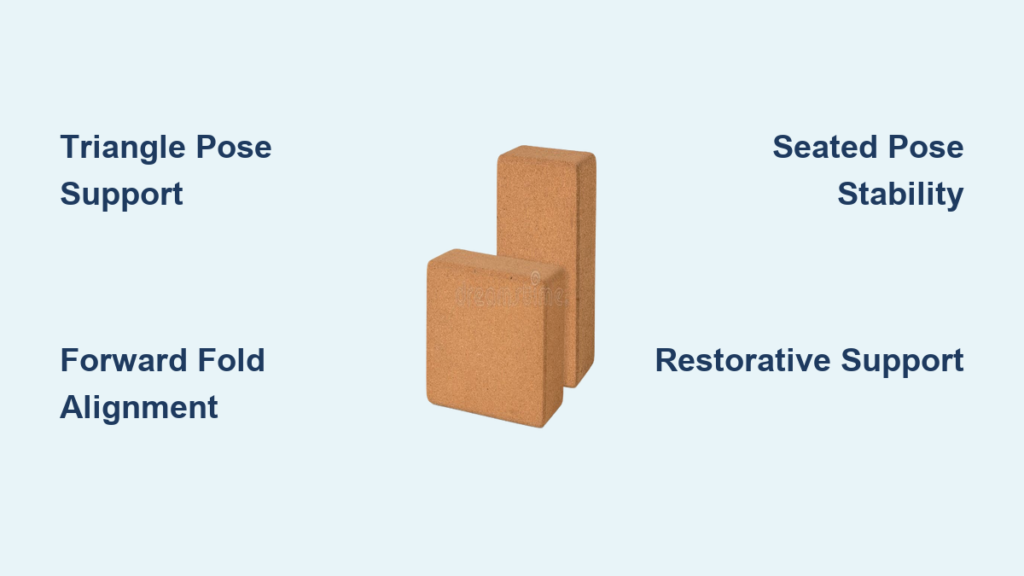
Struggling to reach the floor in Triangle Pose or rounding your spine in forward folds? Yoga blocks can be your secret weapon for a safer, more effective practice. These simple props aren’t just for beginners—they’re essential tools that help you maintain proper alignment, deepen stretches, and access poses regardless of your current flexibility level. When positioned correctly, yoga blocks bring the floor closer to you, allowing muscles to relax into poses rather than strain against gravity. Whether you’re recovering from an injury, building strength, or refining your alignment, understanding how to use yoga blocks properly transforms frustration into progress and makes yoga accessible to every body type and skill level.
Many yogis mistakenly view blocks as signs of weakness, but professional instructors and athletes use them regularly to perfect their form and prevent injury. The truth is, props like blocks actually deepen your practice by teaching your body proper movement patterns that transfer to unassisted poses as your flexibility improves. Without them, you might unknowingly compromise your alignment, potentially straining muscles or joints while missing the full benefits of each posture. This guide shows you exactly where to place blocks in common poses, how to select the right height for your current ability, and why these simple tools can revolutionize your yoga journey.
Why Proper Block Placement Matters for Alignment
Yoga blocks serve three critical functions that directly impact your practice quality: they extend your reach, provide stability, and maintain proper skeletal alignment. When your hands can’t comfortably reach the floor in standing poses like Triangle or Half Moon, blocks bring the ground closer, preventing spinal rounding that defeats the purpose of the pose. In balance poses, they offer a stable surface to press into, helping you find your center without compromising form. Most importantly, blocks ensure bones stack correctly over joints, which protects vulnerable areas like knees and shoulders while allowing muscles to work efficiently.
How Block Height Affects Your Practice
The height you choose for your block dramatically impacts the effectiveness of each pose. Blocks can be positioned at three different heights to provide varying levels of support:
- Low height (block flat on its widest face) – Offers minimal elevation for subtle adjustments
- Medium height (block on one of its narrower faces) – Provides moderate support for most practitioners
- High height (block standing on its narrowest end) – Delivers maximum elevation for beginners or significant limitations
Choose the lowest height that allows you to breathe comfortably while maintaining proper alignment. If your muscles are straining or you’re holding your breath, the block is probably too low. As your flexibility improves over weeks or months, gradually lower the block height to continue progressing toward full expression of each pose.
Choosing the Right Block for Your Needs

Not all yoga blocks work equally well for every pose or practitioner. Understanding material differences and size options helps you select the perfect prop for your specific needs.
Foam vs. Cork: Which Material Works Best?
Foam blocks offer lightweight portability and gentle cushioning, making them ideal for seated poses where comfort matters most. They’re quieter when dropped and won’t scratch studio floors, but their softer surface compresses under pressure, creating instability in balance poses where you need firm support.
Cork blocks provide superior density and grip, especially valuable when practicing hot yoga or when your hands tend to slip. Their natural texture offers excellent traction even when sweaty, and they maintain their shape under pressure for poses requiring firm support. While heavier and more expensive, cork blocks typically last longer without showing wear.
Determining the Correct Block Size
Most yoga blocks come in three standard sizes, each serving specific purposes:
- Standard blocks (4 x 6 x 9 inches) – Versatile for most standing and seated poses
- Small blocks (3 x 6 x 9 inches) – Fit better between thighs in poses like Reclining Bound Angle
- Mini blocks (2.5 x 4 x 6 inches) – Perfect for subtle hand elevation in Triangle or between knees
Start with a standard foam block if you’re new to using props, then add cork or different sizes as you discover which poses challenge you most.
Essential Standing Pose Modifications

Standing poses build foundational strength and stability, but tight hamstrings or limited shoulder mobility often prevent proper alignment. These block techniques transform common standing poses.
Triangle Pose Without Spinal Compromise
Why you need a block: Most practitioners round their spine trying to reach the floor, losing the pose’s spinal extension benefits.
How to use it correctly:
1. Set your block at medium height just outside your front ankle
2. As you enter Triangle Pose, press your bottom hand firmly into the block
3. Keep your spine long by actively reaching through your top fingertips
4. Rotate your chest open while maintaining stable pressure on the block
Pro tip: Your hand should rest flat on the block’s surface—not gripping the edge—which prevents wrist strain and creates better shoulder alignment.
Warrior II Stability Boost
Why you need a block: Many yogis dump weight into the front shoulder, compromising alignment.
How to use it correctly:
1. Place a block under your front hand at low or medium height
2. Press down through your hand to activate shoulder stabilizers
3. Maintain equal pressure through both feet while engaging your core
4. Keep your gaze over your front middle finger
Warning: Avoid pressing too hard into the block, which can cause shoulder tension—press firmly but maintain ease in your neck and jaw.
Game-Changing Seated Pose Adjustments

Tight hips and hamstrings often turn seated poses into uncomfortable struggles rather than restorative stretches. These block modifications make seated work accessible and beneficial.
Seated Forward Fold Without Back Rounding
Why you need a block: Tight hamstrings cause spinal rounding that defeats this pose’s purpose.
How to use it correctly:
1. Sit with legs extended straight in front of you
2. Place a block at medium height within reach of your hands
3. Inhale to lengthen your spine, then exhale to hinge forward from hips
4. Rest hands on block while keeping spine long and chest open
Time-saving shortcut: If you can’t sit upright comfortably, place a folded blanket or second block under your sitting bones to tilt your pelvis forward.
Reclining Bound Angle Pose Knee Support
Why you need blocks: Knees often lift too high, creating strain rather than release.
How to use them correctly:
1. Set two blocks at medium height on either side of your mat
2. Lie back with soles of feet together and knees falling open
3. Slide blocks under each knee for full support
4. Let arms rest at your sides with palms up
Expert note: This supported version can be held for 5-10 minutes, activating your parasympathetic nervous system for deep relaxation.
Restorative Poses That Require Block Support
Restorative yoga uses props to support the body in gentle poses held for extended periods. Blocks provide the stable, firm foundation these poses require.
Supported Bridge Pose for Lower Back Relief
How to use it correctly:
1. Lie on your back with knees bent and feet hip-width apart
2. Lift hips slightly and slide a block under your sacrum
3. Lower hips onto block, letting arms rest at your sides
4. Breathe deeply for 3-5 minutes
Pro tip: Start with the block at medium height, then lower to low height as your back opens over time.
Supine Twist Knee Elevation
How to use it correctly:
1. Lie on your back with arms in a T-position
2. Bend one knee and let it cross over your body
3. Place block under knee at height that creates even spinal rotation
4. Hold for 1-2 minutes per side
Warning: If you feel compression in your lower back, raise the block height—your twist should feel even from shoulder to hip.
Advanced Block Techniques for Experienced Practitioners
Even seasoned yogis benefit from creative block usage to deepen poses, add challenge, or explore new variations.
Handstand Preparation Against the Wall
How to use blocks correctly:
1. Place two blocks against wall at highest height
2. Come into downward dog with hands on blocks
3. Walk feet closer to hands until hips stack over shoulders
4. Practice engaging core while pressing firmly into blocks
Expert tip: This builds shoulder strength and spatial awareness without the fear factor of full handstands.
Core Activation with Thigh Squeeze
How to use it correctly:
1. Sit with knees bent, holding block between inner thighs
2. Lift feet toward shins while maintaining constant pressure on block
3. Keep spine long and chest open
4. For advanced challenge, extend legs straight while squeezing
Pro tip: Imagine you’re trying to melt the block between your thighs—this activates deep stabilizing muscles.
Common Block Mistakes That Sabotage Your Practice
Even with the best intentions, improper block usage can undermine your practice. Avoid these frequent errors:
Choosing the Wrong Height
Blocks set too high prevent strength development; blocks set too low force compromised alignment. Test your height selection: Can you breathe deeply without straining? If not, adjust immediately.
Unstable Placement
Blocks on loose carpets or uneven surfaces create wobble that compromises balance poses. Always place blocks on clean, non-slip surfaces and test stability before committing your full weight.
Inconsistent Usage
Using blocks only in some poses but not others where needed creates uneven development. Assess each pose individually for prop requirements rather than making blanket decisions.
Final Note: Yoga blocks aren’t signs of weakness—they’re intelligent tools used by elite practitioners to refine alignment and prevent injury. Start incorporating them today where you feel strain or limitation, and notice how your practice transforms from frustrating to fulfilling. As your body opens, gradually reduce block height while maintaining proper form, celebrating each small progression along your yoga journey.