Finding the right yoga mat can transform your practice from frustrating to fulfilling. A poorly chosen mat slips during downward dog, lacks cushioning for seated poses, or becomes uncomfortably sticky during hot sessions. With so many options on the market, selecting the ideal mat requires understanding how thickness, material, grip, and size impact your specific practice. Whether you’re a beginner just starting your yoga journey or an experienced practitioner upgrading your gear, this guide reveals exactly what to consider when choosing a yoga mat that supports your body and enhances your practice.
Your perfect yoga mat provides reliable traction when you sweat, adequate joint protection for your body type, and portability that matches your lifestyle. It shouldn’t distract you with unpleasant odors, slip during challenging poses, or wear out after just a few months. By evaluating key factors like thickness, material composition, and grip performance, you can avoid common pitfalls and invest in a mat that serves you well for years.
Determine Your Ideal Yoga Mat Thickness for Joint Protection
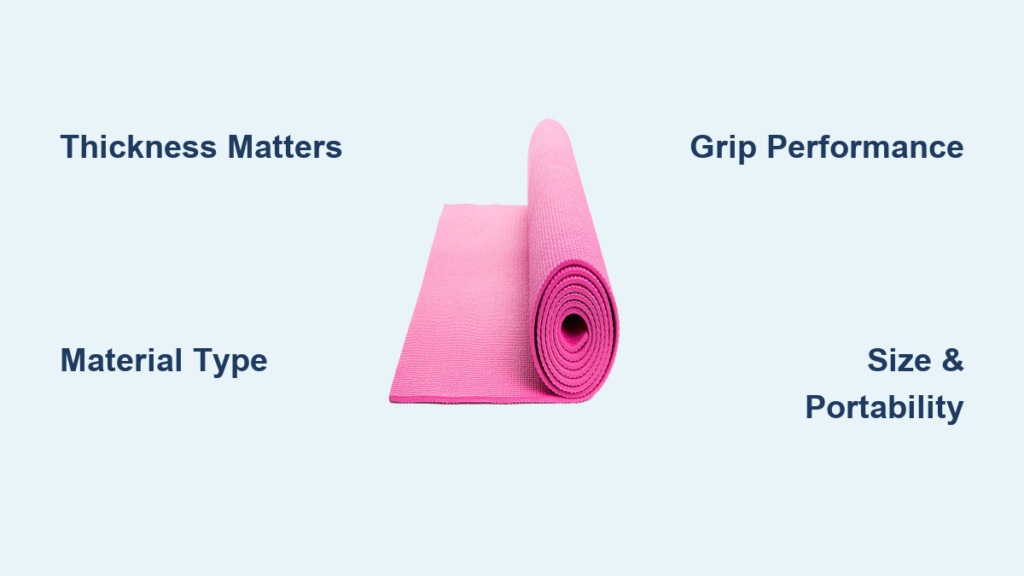
The right thickness balances cushioning with stability, directly affecting your comfort and performance during practice. Most yoga mats range from 1.5mm to 6mm thick, with each dimension serving different needs and practice styles.
Thin mats (1.5-3mm) offer minimal cushioning but maximum stability and floor connection. Experienced practitioners who prioritize balance poses often prefer these for their responsive feedback. However, if you have sensitive knees or wrists, thin mats may cause discomfort during floor work. These ultra-portable options excel for travelers or those who carry their mat frequently.
Standard mats (4-5mm) provide the sweet spot for most practitioners. They cushion joints adequately while maintaining reasonable stability for standing poses. This thickness works well for diverse practice styles and suits beginners who haven’t yet developed specific mat preferences. Most popular brands feature their flagship models in this range because they satisfy the broadest audience.
Thick mats (6mm+) prioritize joint protection above all else. They absorb impact during challenging poses that stress wrists, knees, and hips. However, the extra cushioning can compromise stability in balance poses and may feel “spongy” underfoot. Thick mats suit practitioners with joint concerns, those recovering from injuries, or anyone who prioritizes comfort over performance precision.
Density matters as much as thickness—press your hand into potential mats and observe how quickly they rebound. High-density mats resist compression over time, maintaining their cushioning properties longer. Quality mats return to shape promptly without feeling overly soft or unstable.
Compare Yoga Mat Materials for Performance and Sustainability

PVC Mats Offer Reliable Grip at Affordable Prices
PVC mats deliver excellent traction even when wet, making them popular for hot yoga and intense practices. They’re dense, durable, and easy to clean with just a damp cloth. However, PVC raises environmental concerns as it’s petroleum-based, doesn’t biodegrade, and releases harmful chemicals during manufacturing. If choosing PVC, look for phthalate-free options to reduce exposure to potentially harmful plasticizers.
Natural Rubber Provides Superior Wet Grip and Eco-Friendliness
Natural rubber mats offer exceptional traction that actually improves as you sweat. The moisture enhances grip rather than compromising it, making rubber ideal for hot yoga. These biodegradable mats maintain cushioning through years of regular practice but require more frequent cleaning due to their open-cell construction. Note that rubber contains latex, so avoid these if you have latex allergies.
Cork Mats Deliver Unique Performance for Sweaty Practices
Cork becomes grippier when damp, providing excellent traction for hot yoga sessions. The material has natural antimicrobial properties that inhibit bacterial growth in shared spaces. Cork mats are firm yet comfortable, offering good joint protection without excessive cushioning. They’re heavier than synthetic options, which matters if you carry your mat regularly, and require specific care to prevent drying and cracking.
TPE Offers a Middle Ground Between Synthetic and Natural Options
TPE mats provide good grip and cushioning while being lighter than PVC. They typically feature closed-cell construction that resists moisture and bacteria—ideal for shared studio settings. TPE is non-toxic and often free from latex and PVC, making it suitable for those with allergies. The main drawback is durability; TPE mats generally don’t last as long as high-quality PVC options.
Evaluate Texture and Grip Performance for Your Practice Style
Grip determines how securely your hands and feet stay planted during practice, directly impacting safety and confidence. A mat with poor grip forces constant micro-adjustments that distract from flow and increase injury risk.
Textured surfaces with patterns, ridges, or raised dots increase traction as you sweat. These textures help prevent the slippery feeling that plagues smooth mats during intense practices. However, textured surfaces can be harder to clean and may catch debris more readily than smooth alternatives.
Wet grip becomes crucial for practitioners who sweat heavily or engage in heated practices. Materials like rubber and cork actually improve grip when damp, while smooth PVC maintains consistent performance. Test potential mats by pressing your hand firmly onto the surface and attempting to slide it—you should feel resistance. If your hand glides easily, the mat may not provide sufficient grip for dynamic sequences.
Select the Right Size and Portability Features for Your Lifestyle
Standard mats measure approximately 24 inches wide by 68 inches long, accommodating most practitioners in seated and standing positions. However, taller individuals or those who prefer more space may find standard dimensions constraining.
Wide and long mats provide extra room for lateral poses and comfortable positioning during relaxation. Extra-wide options at 28-30 inches benefit broader-shouldered practitioners, while extended lengths reaching 72-74 inches prevent heels or head from hanging off during full-body stretches.
Travel mats prioritize portability above all else, folding compactly or rolling into slim profiles that fit in luggage. These typically sacrifice thickness and cushioning for packability. Some fold to the size of a large book, while others roll tightly with minimal diameter. Consider how you’ll carry your mat—strap-style carriers keep mats rolled securely but add bulk, while tote bags distribute weight evenly.
Match Your Mat to Your Specific Practice Style
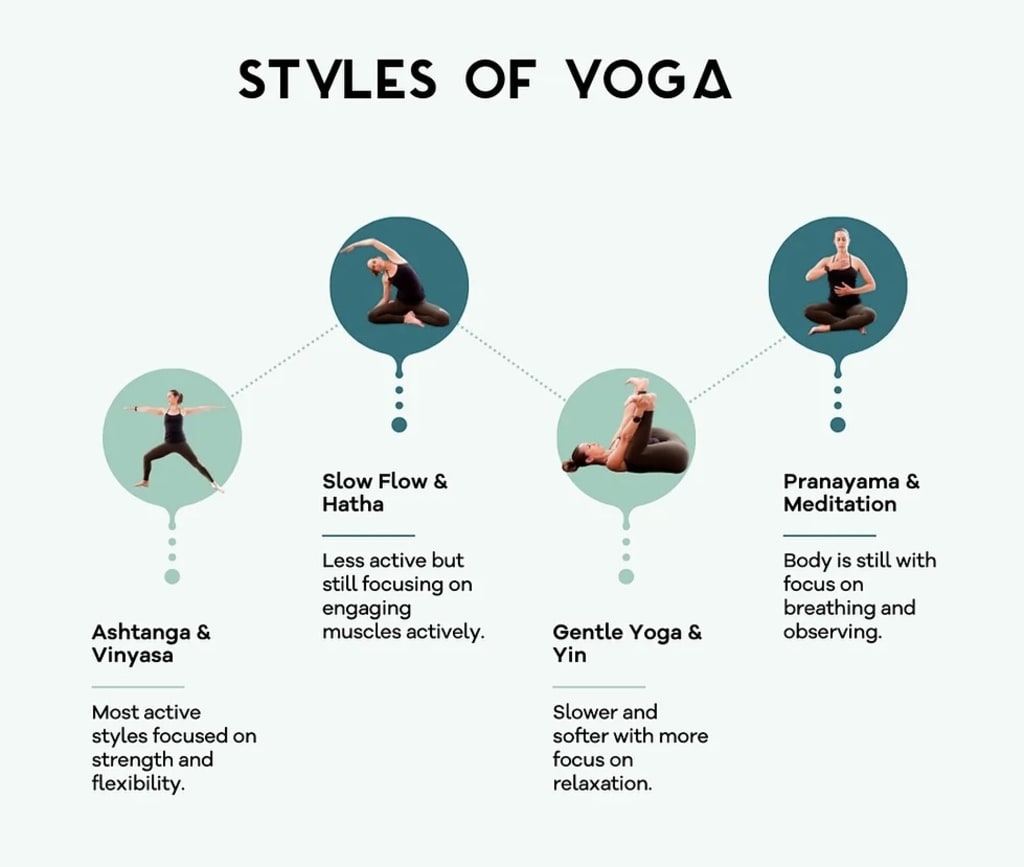
Different yoga styles place distinct demands on mats, and matching your mat to your practice type enhances both performance and enjoyment.
Hot yoga practitioners need mats with excellent wet grip that won’t become slippery when soaked with sweat. Materials like cork and rubber excel in these conditions, as does textured PVC. Consider moisture-wicking properties and antimicrobial features since hot, humid environments encourage bacterial growth.
Vinyasa and power yoga practitioners move dynamically through poses, requiring mats that provide stable footing during transitions and balances. Grip is paramount—your mat should hold firmly during rapid movements. Medium thickness offers a good balance of cushioning and stability. Durability matters since these practices stress mats through repeated stress and sweat exposure.
Restorative and Yin yoga involve prolonged stillness, making cushioning the priority concern. Thicker mats protect joints during long holds on the floor. Grip matters less since these practices involve minimal movement. Soft, plush surfaces enhance comfort during extended relaxation poses.
Assess Value Beyond the Price Tag

Yoga mats span from under $20 to over $150, and understanding what drives these differences helps you assess true value.
Budget mats under $30 typically feature basic PVC construction with standard thickness. They provide adequate performance for casual practitioners but often lack durability. Mid-range mats ($30-70) represent the sweet spot for most practitioners, offering quality materials, reliable construction, and meaningful design options. Premium mats exceeding $70 feature high-end materials like natural rubber or cork, superior construction, and often specialized performance characteristics.
Consider cost per use rather than total price alone. A $40 mat that lasts two years of regular practice costs less per session than a $20 mat requiring annual replacement. Factor in your practice frequency, the mat’s expected lifespan, and warranty coverage when evaluating value.
Implement Proper Mat Care to Extend Lifespan
Proper maintenance extends your mat’s lifespan and maintains hygienic conditions for practice. Wipe your mat after each practice with a gentle cleaning solution—diluted vinegar, mild soap, or specialized yoga mat sprays work well. Avoid harsh chemicals and machine washing unless the manufacturer specifically recommends it.
Allow your mat to dry completely before rolling or storing it. Rolled mats trap moisture, fostering bacterial growth. Air dry in a well-ventilated space away from direct sunlight, which can fade colors and degrade some materials over time.
Rotate your mat periodically to ensure even wear. Most practitioners position themselves similarly during practice, causing localized wear patterns. Flipping or rotating your mat distributes stress more evenly across the surface.
Make Your Confident Final Decision
Selecting the ideal yoga mat requires balancing multiple factors against your specific needs. Start by identifying your non-negotiables—the features most essential to your practice. Consider your practice frequency, where you’ll practice most often, and be honest about how you’ll actually use the mat.
The right mat becomes an extension of your practice—a foundation that supports and inspires without drawing attention to itself. By understanding these key factors and evaluating your own needs systematically, you can find a mat that serves you well for years of practice ahead. Your perfect yoga mat awaits; now you know exactly how to choose it.