Your Liforme yoga mat represents a significant investment in your practice, and proper cleaning isn’t just about aesthetics—it’s essential for preserving the unique Griptex surface and natural rubber construction that makes these mats stand out. Unlike standard yoga mats, Liforme mats feature a specialized etched surface designed to provide exceptional grip during hot yoga and intense sessions. However, this innovative construction means certain cleaning approaches that work fine on cheaper mats can actually damage your Liforme, compromising its performance characteristics over time.
Understanding how to clean your Liforme yoga mat correctly will extend its lifespan significantly while maintaining the traction and stability you rely on during every pose. The good news is that Liforme mat care doesn’t require expensive products or complicated routines—it simply requires knowing what to avoid and following a few consistent practices. This guide covers everything you need to know, from identifying harmful cleaning products to mastering the proper rolling technique that prevents warping and damage.
Why Liforme Mat Care Differs
Liforme mats are constructed largely from natural rubber, which gives them their renowned cushioning and grip but also makes them sensitive to certain compounds found in common cleaning products. The Griptex surface—an innovative etched design that provides the mat’s signature non-slip properties—reacts adversely to oils, chemicals, and essential oils that many practitioners might instinctively reach for when their mat needs freshening up.
The biodegradable nature of these mats, while environmentally friendly, also means the materials are more susceptible to breakdown from UV exposure and heat. This construction explains why Liforme provides specific care instructions and emphasizes using only approved cleaning methods. A mat that receives proper care can last for years, while one cleaned with inappropriate products may lose its grip properties, develop surface damage, or deteriorate prematurely.
Harmful Cleaning Products to Avoid
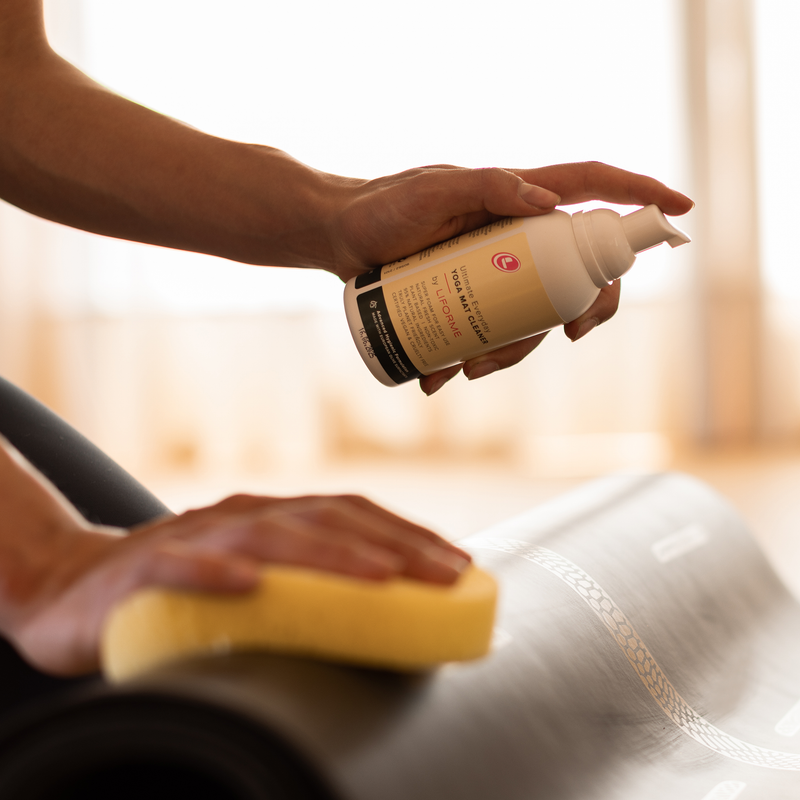
Certain cleaning products that work perfectly fine on other mats will cause lasting damage to your Liforme. Understanding these harmful substances protects your investment and ensures your mat continues performing at its best.
Standard Cleaning Sprays Damage Griptex Surface
Commercial multi-surface cleaning sprays typically contain oils, surfactants, and chemical compounds designed to cut through grease and grime. These same properties, however, can strip the Griptex coating and leave residue that actually reduces grip rather than improving it. Even sprays labeled as “natural” or “gentle” often contain plant-based oils that react with the rubber material. When your mat needs cleaning, reach for products specifically approved by Liforme rather than whatever spray happens to be under your sink.
Essential Oils Compromise Long-Term Performance
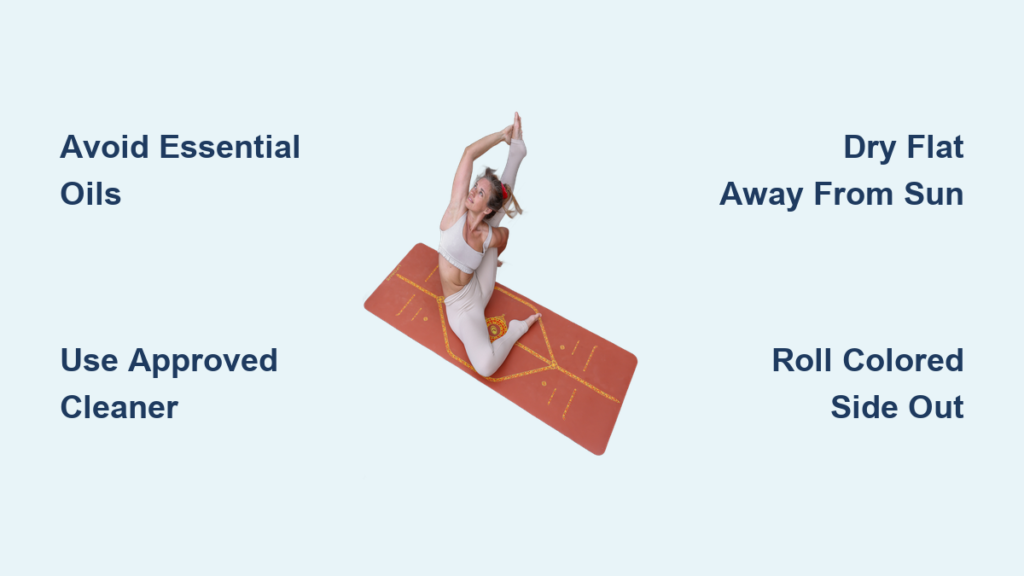
While aromatherapy and yoga often go hand in hand, essential oils should never contact your mat’s surface. These concentrated plant compounds can penetrate the natural rubber, causing discoloration, degrading the Griptex texture, and leaving behind a residue that becomes increasingly slippery over time. The chemical composition of essential oils makes them particularly damaging to rubber-based materials, and the effects may not become apparent until the mat’s performance has already deteriorated significantly.
Body Lotions Create Slippery Buildup
If you apply body lotions, oils, or moisturizers before or during your practice, you’re gradually building up a layer of residue on your mat’s surface. This accumulation doesn’t just reduce grip—it can also attract dirt and bacteria, creating a feedback loop where your increasingly slippery mat encourages more product use, which causes further slippage. Keep lotions away from your mat entirely, and clean your hands thoroughly before practice if you’ve recently applied hand cream.
Approved Cleaning Approach for Daily Maintenance
Liforme recommends using only cleaning products and methods specifically approved for their mats. These approved solutions are formulated to clean the surface without affecting the natural rubber base or the Griptex coating. The company provides detailed cleaning instructions through their official care guide, which contains product-specific recommendations and step-by-step procedures.
For regular maintenance between deep cleans, a simple wipedown with an approved solution helps remove sweat, dirt, and bacteria without saturating the mat’s material. The key is using products that clean without leaving residue, affecting the surface texture, or introducing compounds that degrade rubber over time. When in doubt about whether a cleaning product is safe, Liforme’s official care documentation should be your reference point rather than general cleaning advice found online.
Drying Your Mat Properly After Cleaning
Improper drying causes more damage to yoga mats than almost any other care mistake. After cleaning, your Liforme mat must dry completely before storage, but how you dry it matters almost as much as whether you clean it at all.
Never Use Direct Sunlight for Drying
Never place your freshly cleaned mat in direct sunlight or near heat sources to speed drying. While the instinct might be to set it outside on a sunny day or drape it over a heater, this accelerates the degradation of the biodegradable materials significantly. Instead, lay your mat flat in a well-ventilated indoor area away from windows and heat registers. A fan gently circulating air across the surface speeds drying without introducing damaging heat or UV exposure.
Verify Complete Dryness Before Storage
Check that your mat is completely dry before rolling it for storage. Any remaining moisture trapped inside a rolled mat creates an environment where mold and mildew can develop, particularly given the natural rubber construction. Press a clean, dry cloth against various spots on the mat’s surface to verify no moisture remains. When you’re certain the mat is fully dry, you can proceed with proper storage.
Storage Technique for Long-Term Preservation

How you roll and store your Liforme between uses directly impacts its flatness, performance, and longevity. Liforme provides specific instructions based on the physics of their mat’s layered construction, and following these guidelines prevents common issues like warping, delamination, and permanent curling at the edges.
Roll with Colored Side Out for Proper Tension
After ensuring your mat is completely dry, roll it up with the coloured side featuring the etched Griptex design facing outward. This orientation matters because Liforme mats are constructed with layers of varying thickness, and rolling with the designed direction maintains proper tension throughout the mat’s structure. Rolling the mat the opposite way—with the bottom side facing outward—introduces stress that can cause the mat to lie unevenly during future practice sessions.
Store in Climate-Controlled Environment
Store your rolled mat in a cool, dry location away from direct sunlight and temperature fluctuations. A mat bag or carrying case provides protection but should only be used when the mat is fully dry. Some practitioners store their mats standing upright in a closet, which works well as long as the storage area remains stable in temperature and humidity.
Protecting Against Sun and Heat Damage During Use

The biodegradable materials that make Liforme mats environmentally friendly also make them vulnerable to accelerated breakdown from UV radiation and heat exposure. This vulnerability affects both daily care and decisions about where you practice.
Avoid Direct Sunlight During Outdoor Practice
Never leave your Liforme mat outside in direct sunlight, whether during a park yoga session, while drying after cleaning, or during storage. Even brief exposure on a sunny day adds up over time, gradually breaking down the organic compounds in the natural rubber and other biodegradable components. If you practice outdoors, bring your mat inside immediately after your session rather than leaving it exposed.
Keep Distance From Indoor Heat Sources
During use, position your mat away from windows where direct sunlight might fall on it mid-practice. If you practice near heat sources like heating vents or radiators, create distance between your mat and these warm areas. The same principles apply to storage—avoid closets or rooms that experience significant temperature swings, as these conditions stress the materials and can cause premature aging.
Addressing the Initial Rubber Scent Properly
When you first unbox your Liforme mat, you might notice a slight natural rubber smell. This odor is completely normal and stems from the genuine natural rubber construction that gives these mats their superior performance characteristics. The smell is not harmful and does not indicate any quality issues with your mat.
Liforme’s Pre-Use Airing Process
Liforme addresses this characteristic proactively through an airing process implemented after manufacturing. This post-production treatment helps dissipate many of the volatile compounds responsible for the rubber smell before the mat reaches customers. However, some residual odor may still be present, particularly if the mat has been in packaging for some time.
Safe Methods to Dissipate Odor
If the initial smell bothers you, unroll the mat in a well-ventilated room for 24-48 hours before first use. Avoid the temptation to speed this process with fans, heaters, or direct sunlight—all of which can damage the mat. The smell will naturally dissipate within the first week of regular use as the mat continues airing out in your practice space.
Extending Your Mat’s Lifespan Through Consistent Care
Consistent, proper care transforms a good yoga mat into a long-term practice companion. By following these principles regularly, you preserve not just the mat’s appearance but its fundamental performance characteristics—grip, cushioning, and texture—that make your practice possible.
Establish a Cleaning Routine
Clean your mat regularly with approved methods, particularly after hot yoga sessions or practices where you sweat heavily. Sweat contains salts and oils that can affect the Griptex surface if left to accumulate. Between deeper cleanings, a quick wipedown removes surface contaminants before they become embedded. Store your mat properly every time, rolling it correctly and keeping it away from damaging environmental factors. Inspect your mat periodically for signs of wear, damage, or areas where the Griptex texture might be wearing thin.
End-of-Life Considerations
When your mat eventually reaches the end of its usable life, the biodegradable construction means proper disposal won’t contribute to landfill accumulation the way synthetic mats do. This environmental consideration represents part of the Liforme philosophy—a mat designed not just for excellent performance but for responsible manufacturing and end-of-life impact.
By treating your Liforme yoga mat with the care it deserves, you ensure that every practice session benefits from the grip, cushioning, and stability that drew you to these mats in the first place. The few minutes required for proper cleaning and storage pay dividends in performance and longevity, making your investment in a quality mat pay off for years of practice ahead.