Your Bala yoga mat becomes a second skin during practice, absorbing sweat, oils, and bacteria with every session. Without proper cleaning, that once-grippy surface turns slippery and develops unpleasant odors that distract from your flow. Learning how to clean Bala yoga mat properly is essential—not just for hygiene but for maintaining the exceptional grip and cushioning that make these TPE (thermoplastic elastomer) mats worth the investment. Unlike standard PVC mats, Bala’s eco-friendly TPE material requires specific cleaning methods to preserve its performance and longevity. This guide delivers exactly what you need: actionable steps to keep your mat fresh, grippy, and safe for years of practice.
After hot vinyasa flows or intense power sessions, sweat and skin oils penetrate deep into your mat’s textured surface. Ignoring regular cleaning creates a breeding ground for bacteria that compromises both hygiene and traction—exactly what you don’t need when holding crow pose. Most practitioners don’t realize that improper cleaning actually damages TPE material faster than regular use. By following these science-backed care protocols, you’ll extend your mat’s life while creating a cleaner, safer practice environment. Let’s dive into the specific methods that keep your Bala mat performing like new.
Daily Cleaning Routine for Post-Practice Freshness
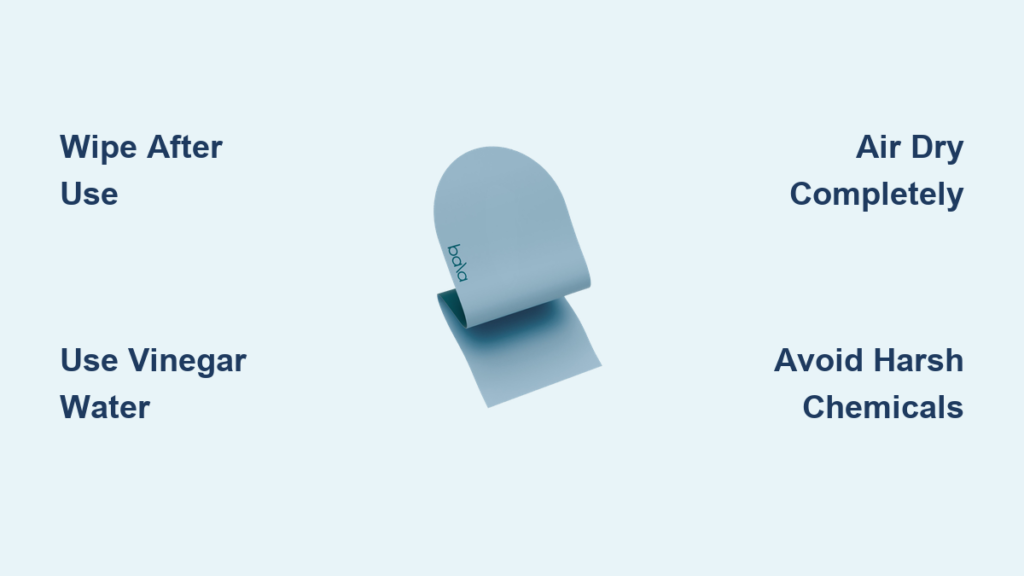
Wipe your mat within 15 minutes of finishing practice while sweat is still damp but not fully absorbed. Use a spray bottle with equal parts water and white vinegar to lightly mist the surface—never soak it, as excess moisture seeps into the TPE layers and causes long-term damage. Immediately wipe in circular motions with a microfiber towel, focusing on high-contact zones where hands and feet create the most sweat buildup. This simple 90-second ritual prevents bacteria from setting into the textured surface and maintains optimal grip for your next session.
For practitioners who flow multiple times daily, keep Bala-approved cleaning wipes in your practice space for quick sanitization between sessions. These pre-moistened wipes eliminate 99.9% of bacteria without harsh chemicals that degrade TPE material. Never substitute regular disinfectant wipes, as their alcohol content dries out the mat’s surface and creates micro-tears where bacteria thrive. Always air-dry your mat completely before rolling—hanging it over a shower rod works best—because trapped moisture is the #1 cause of premature mat failure.
Weekly Deep Cleaning Protocol to Restore Original Grip

When your Bala mat starts feeling slightly sticky or loses traction during downward dog, it’s time for a thorough weekly cleaning. Unroll your mat completely on a tile floor or in the shower (if waterproof), then mix 2 cups warm water with 1 teaspoon mild dish soap—skip bleach or ammonia cleaners that break down TPE polymers. Dip a soft-bristled brush into the solution and gently scrub the entire surface using circular motions, spending extra time on sweaty zones where grip has diminished. The textured surface requires this mechanical action to lift embedded contaminants from the crevices.
Rinse thoroughly with clean water using a damp cloth—multiple passes may be needed to eliminate all soap residue that causes slipping. Press a dry towel firmly across the surface to absorb excess moisture, then hang your mat in a shaded, well-ventilated area. Never dry in direct sunlight, as UV exposure degrades TPE material within weeks, causing fading and surface breakdown. Complete drying typically takes 2-4 hours; perform the “hand press test” across multiple areas to confirm no damp spots remain before storage.
Effective DIY Cleaning Solutions You Can Make Today
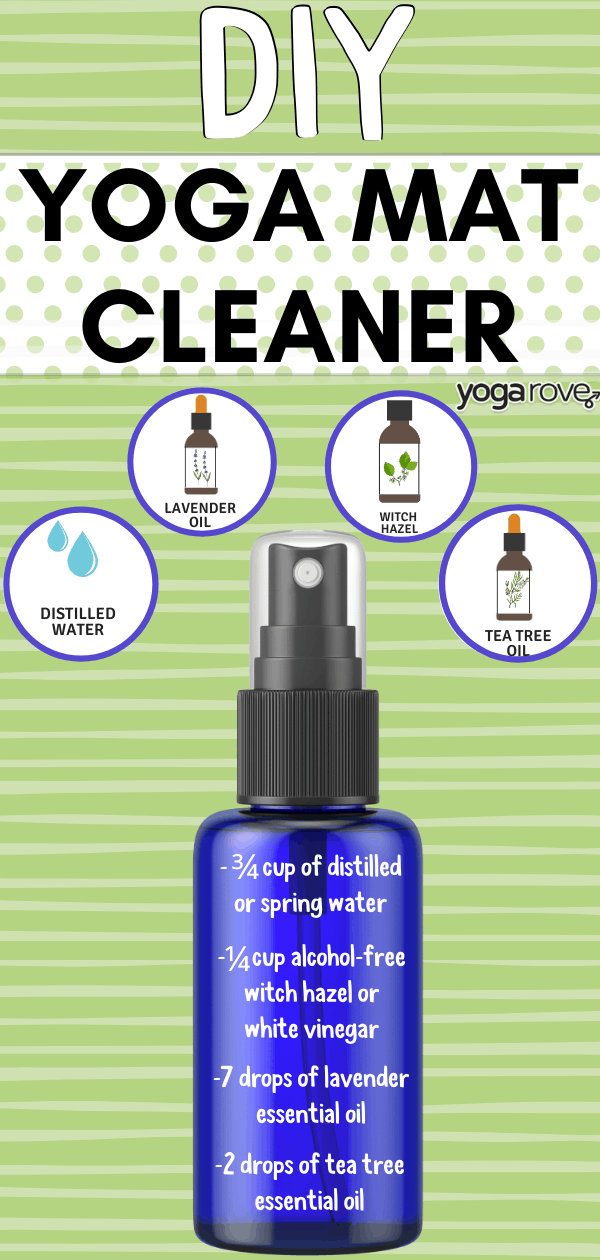
Create a powerful yet gentle cleaner by combining 1 cup distilled water, 1 tablespoon castile soap, and 10 drops tea tree oil in a spray bottle. This plant-based solution sanitizes without harsh chemicals and leaves a subtle, refreshing scent that enhances your practice environment. Shake well before each use and spray lightly across your mat’s surface—this mixture effectively breaks down odor-causing compounds while preserving the mat’s natural grip. Store your DIY solution in a cool, dark place where it remains effective for up to three weeks.
For stubborn odors that linger after regular cleaning, apply a paste of baking soda and water directly to problem areas and let sit for 15 minutes before wiping clean. The alkaline properties neutralize acidic sweat compounds responsible for persistent smells. Avoid vinegar-only solutions for odor removal, as the acidic nature can degrade TPE over time when used excessively. Always test new solutions on a small corner first and wait 24 hours to check for discoloration before full application.
Critical Mistakes That Damage Your Bala Yoga Mat
Never machine wash or submerge your Bala mat in water—the agitation causes delamination as TPE layers separate from prolonged moisture exposure. Similarly, pressure washers and strong hose sprays force water into microscopic pores that never fully dry, creating permanent mold pockets. Harsh chemicals like bleach, ammonia, and alcohol-based cleaners degrade TPE material within weeks, causing surface cracks that harbor bacteria and reduce grip. These chemicals also leave residues that irritate skin during practice, defeating the purpose of cleaning.
Avoid abrasive tools like steel wool or stiff brushes that scratch the textured surface, creating smooth zones where bacteria accumulate. Never store your mat damp in closed bags—this creates the perfect environment for mold growth that penetrates deep into the material. Skip fragrance-heavy commercial cleaners that leave slippery residues; these defeat the purpose of cleaning by making your mat more dangerous during practice.
Proper Drying Techniques to Prevent Mold Growth
Hang your mat vertically over a shower rod or clothesline with both sides exposed to air—this doubles drying speed compared to laying flat. In humid climates, position a fan 3-4 feet away to circulate air without direct force that could warp the mat. Never use heat sources like radiators or hairdryers, as temperatures above 85°F degrade TPE material and cause warping. Check for trapped moisture in the mat’s center by folding it gently; if cool spots remain, continue drying for another hour.
Complete drying typically takes 2-6 hours depending on humidity levels. Before storing, perform the “palm test” by pressing your hand firmly across multiple sections—if any area feels cool or damp, continue drying. Some practitioners roll their mat loosely around a dry towel to absorb residual moisture, then unroll and air for 15 minutes before next use. This method prevents the musty odors that develop when mats are stored even slightly damp.
Smart Storage Methods for Long-Term Mat Protection
Store your Bala mat unrolled and flat whenever possible—this prevents permanent creases that compromise cushioning in high-impact areas. If space requires rolling, keep the textured side facing outward (the side that contacts your skin) to preserve the grip pattern. Never use tight elastic straps, as constant tension warps the mat’s shape over time; opt for simple fabric ties that allow slight expansion. Store your mat off the floor on a shelf or in a closet to avoid dust accumulation and temperature extremes.
Avoid storing in cars, garages, or basements where temperature fluctuations degrade TPE material. Use breathable cotton bags instead of plastic carriers—these allow airflow while protecting from dust. If you practice at studios, consider rotating between two mats to ensure each gets 48+ hours of drying time between sessions. Proper storage extends your mat’s life by preventing the material breakdown that occurs from improper folding and environmental exposure.
When It’s Time to Replace Your Bala Yoga Mat

Replace your mat immediately if you notice persistent odors that won’t wash out, visible mold growth, or significant thinning in high-contact areas. Check for grip degradation by performing downward dog on a clean, dry mat—if your hands slide even after proper cleaning, the textured surface has worn smooth. Most Bala mats last 1-3 years with proper care, but daily hot yoga practitioners may need replacement annually due to accelerated material breakdown from sweat exposure.
Don’t ignore skin irritation that develops after practice—this often indicates bacteria buildup deep within the mat that cleaning can’t reach. Similarly, if your mat has become stiff or lost cushioning, the TPE material has degraded and won’t provide adequate joint protection. When replacing, consider your evolved practice needs; you might benefit from a thicker mat for joint sensitivity or different texture for advanced poses.
Pro Tips for Extending Your Mat’s Lifespan
Wash hands and feet before practice to minimize transferring oils that degrade the mat’s surface. Wait 30 minutes after applying lotions before unrolling your mat—this simple delay prevents chemical breakdown from skincare products. Use a yoga towel during hot sessions to absorb sweat before it penetrates the mat, then wash the towel after each use. Rotate your mat’s orientation weekly if practicing in the same spot to distribute wear evenly across the surface.
Clean your practice space regularly—dust and dirt from floors transfer to your mat and accelerate surface wear. Keep a dedicated spray bottle of your DIY cleaner at your practice space to encourage consistent cleaning habits. After deep cleaning, apply a light dusting of baking soda across the surface before rolling to absorb residual moisture and prevent odors between sessions.
By following these specific, actionable care methods, you’ll keep your Bala yoga mat fresh, grippy, and hygienic for thousands of practice sessions. Proper cleaning isn’t just maintenance—it’s an investment in the quality and safety of every pose you flow through. Your mat supports you; return the favor with these science-backed care techniques that maximize both performance and longevity.