Your yoga mat shouldn’t stay home while you’re exploring the world. Whether you’re jet-setting for business, embarking on a weekend getaway, or simply commuting to a studio across town, knowing how to travel with yoga mat properly ensures you never sacrifice your practice. The right mat selection and packing strategy transforms travel from a disruption to an opportunity for deeper practice. This guide reveals exactly how to travel with yoga mat across different transportation modes while maintaining your routine anywhere.
Most yogis abandon their practice during trips because they assume standard mats are too bulky or airlines won’t allow them. But with the right ultra-thin mat and smart carrying solution, you can maintain your practice in hotel rooms, parks, or even airport lounges. You’ll discover specific product recommendations, air travel hacks, and space-saving routines that keep your practice alive no matter where your adventures take you.
Choose the Right Travel Yoga Mat Based on Thickness
Selecting the appropriate travel yoga mat forms the foundation of successful mobile practice. Standard mats (3-6mm) won’t work for most travel scenarios, but understanding the critical differences between thickness levels ensures you choose a mat that genuinely suits your travel style.
Why 1.5mm Mats Dominate Travel Yoga
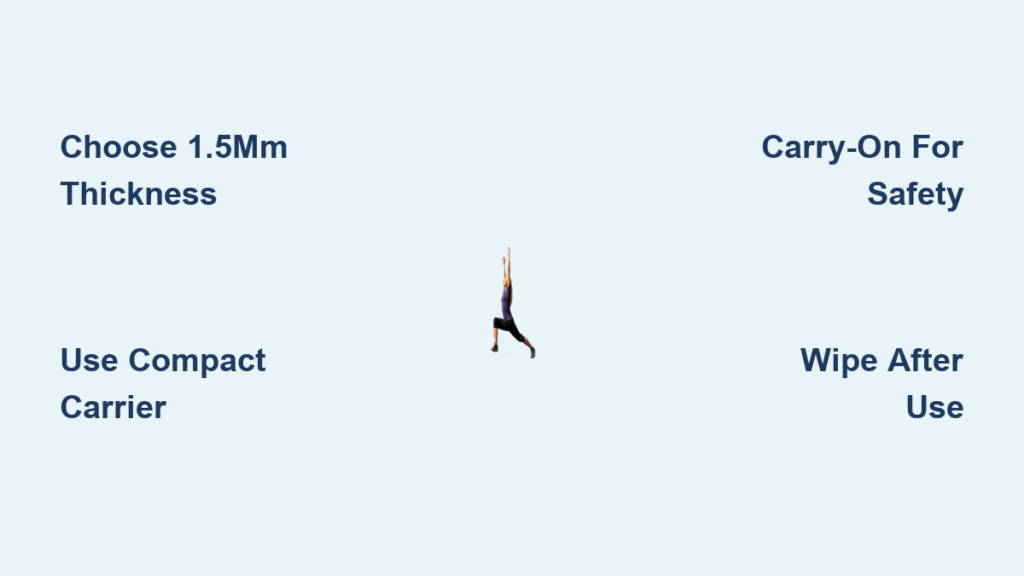
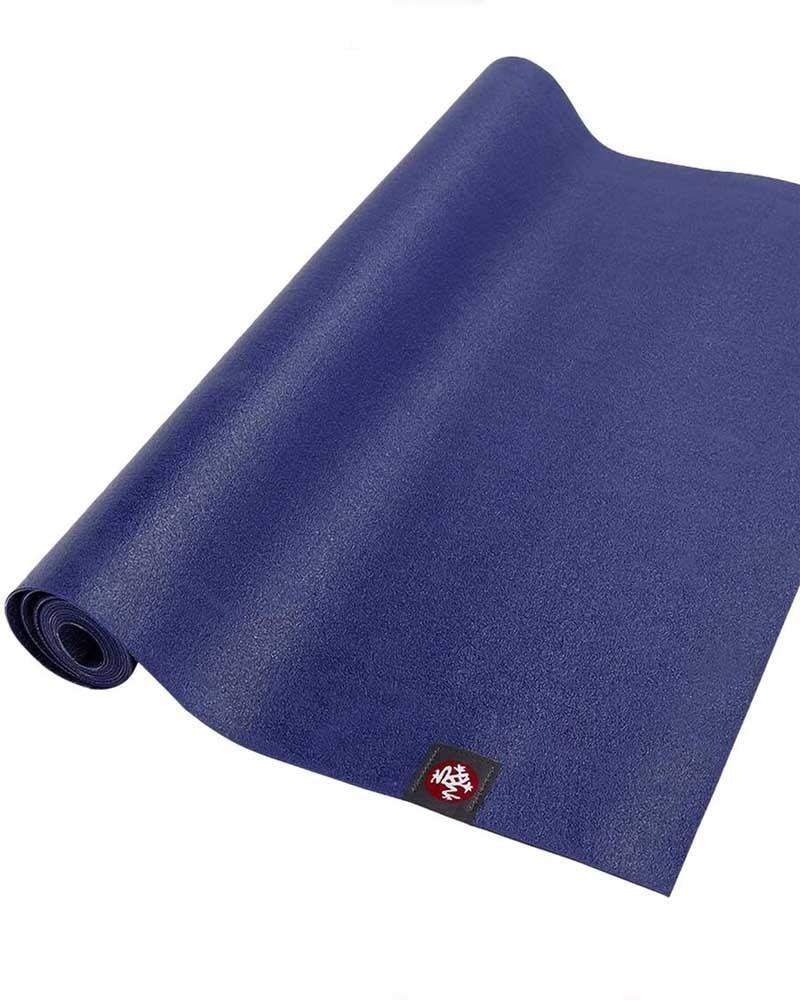
Ultra-thin 1.5mm mats have become the gold standard for how to travel with yoga mat efficiently. These mats fold compactly to fit in suitcases, backpacks, or carry-on bags without adding significant weight. Manduka’s eKO Superlite Travel Yoga Mat (1.5mm) weighs just 1.5 pounds and folds to the size of a large book, making it perfect for frequent flyers. While the minimal thickness provides less joint cushioning, quality 1.5mm mats deliver sufficient grip and stability for most poses. If you have sensitive knees or wrists, test these mats before relying on them for all travel—practitioners with joint concerns often prefer 2mm options.
Material Matters for Grip and Durability
Travel yoga mats come in various materials that significantly impact performance. Natural rubber mats like the eKO Superlite provide excellent grip even when damp from sweat, crucial for maintaining balance during travel disruptions. TPE (thermoplastic elastomer) offers a lightweight alternative with good moisture resistance, while cork mats deliver natural antimicrobial properties that prevent odors during extended trips. Microfiber surfaces work exceptionally well when sprayed with water, making them ideal for hot yoga practitioners. Choose rubber for maximum grip during sweaty practices, cork for natural odor resistance, or TPE for the lightest weight option when figuring out how to travel with yoga mat.
Top-Rated Travel Mats by Budget and Use Case
Understanding the product landscape helps you make informed purchasing decisions based on your specific travel needs and budget constraints. The travel yoga mat market spans from entry-level options to premium products with varying features.
$45-$54: Manduka eKO Superlite for Frequent Flyers
The eKO Superlite Travel Yoga Mat 1.5mm represents one of the most trusted options for how to travel with yoga mat. Available in multiple colorways (with select colors like Cascade priced at $45.00), this mat features environmentally friendly construction made from natural tree rubber. Its biodegradable design avoids toxic plasticizers while providing the grip Manduka is known for. At just 1.5mm thick, it folds easily for suitcase packing but still delivers reliable performance. This mat works perfectly for travelers who prioritize packing efficiency and feel comfortable practicing with minimal cushioning.
$64: PRO Travel Mat for Road Trippers Wanting Extra Cushion
The PRO Travel Yoga Mat 2mm offers noticeably more cushioning at $64.00 in Black Night. The additional millimeter provides significant improvement in joint protection during extended floor work while maintaining a compact profile. Road trippers benefit from this extra comfort after long drives, as they can sacrifice some portability for enhanced cushioning without worrying about strict airline size restrictions. This mat rolls to fit easily in most carry-on bags but provides near-standard mat comfort for those who find 1.5mm options too thin.
Essential Carriers That Make Transporting Your Mat Effortless
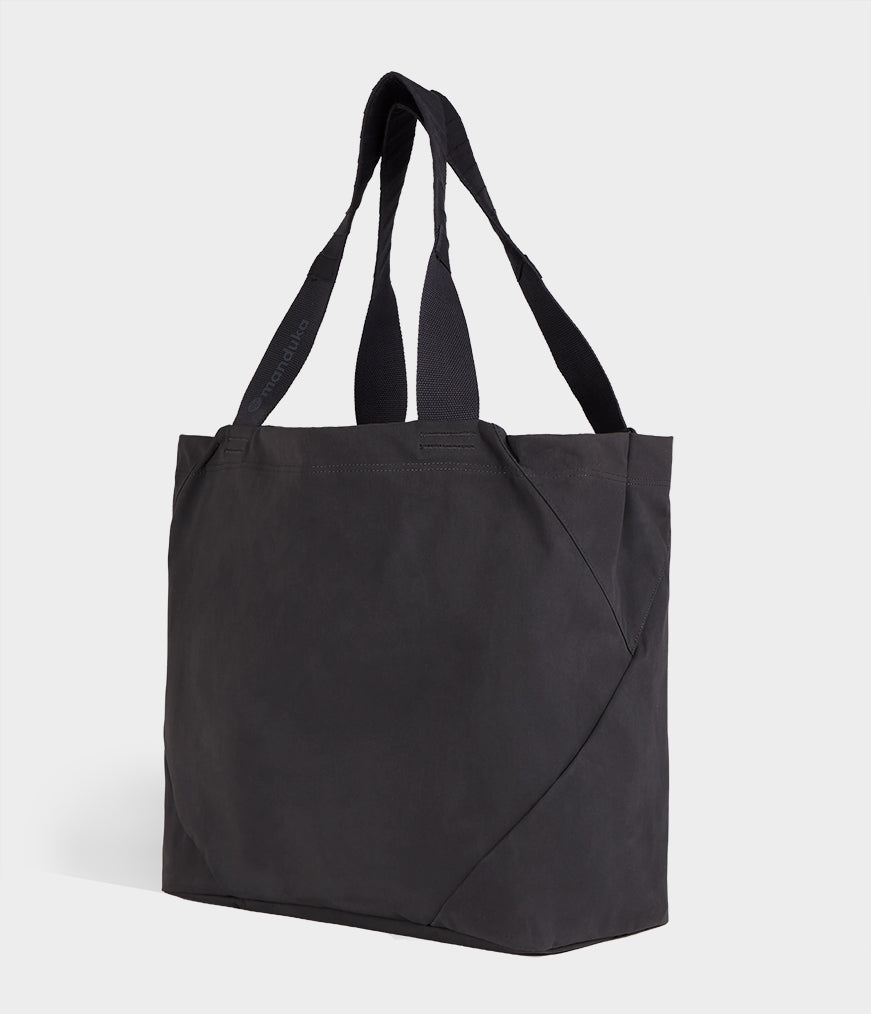
Even ultra-thin travel mats benefit from appropriate carrying solutions. Purpose-built carriers and multi-function bags protect your investment while making transit more comfortable.
$22 Commuter Carrier vs. $108 Premium Hala Options
The Commuter Mat Carrier at $22.00 offers basic functionality for travelers seeking affordable mat transportation. This entry-level option works well for those new to traveling with yoga mats or casual practitioners. For frequent travelers, the Hala Mat Carrier at $108.00 provides premium materials and construction designed specifically for comfortable shoulder carrying through airports. The Go Light 4.0 Mat Carrier at $45.00 strikes the ideal balance—lightweight design that adds minimal weight to your carry load while providing secure mat transportation. When learning how to travel with yoga mat, choose carriers with padded straps to prevent shoulder strain during extended walking.
Multi-Function Totes for Packing Everything in One Bag
The Kosha Carryall Oversized Tote at $128.00 serves travelers who prefer consolidating belongings into fewer bags. This tote accommodates not only a rolled yoga mat but also clothing, accessories, and other travel necessities—perfect for longer trips. The Breathe Easy Yoga Bag at $38.00 combines mat carrying functionality with ventilation features that allow damp mats to dry rather than developing odors. For how to travel with yoga mat efficiently, choose bags with multiple compartments to organize your practice gear and daily essentials in one convenient package.
Air Travel Hacks: Getting Your Mat Through Security and Onto Planes
Flying with yoga mats requires specific strategies to navigate airport security and cargo handling smoothly while ensuring your mat arrives in good condition.
Why Carry-On Beats Checked Luggage Every Time
Carry-on storage is preferable for yoga mats whenever possible. This avoids the risk of lost luggage separating you from your practice gear and prevents rough handling that could damage mats in checked baggage. Most carry-on compartments can accommodate rolled mats or folded thin mats without issue. Verify your specific airline’s size restrictions since some regional flights have smaller overhead bin dimensions. When figuring out how to travel with yoga mat by air, measure both your rolled mat and the airline’s carry-on dimensions carefully—most 1.5mm mats fold to sizes that fit even in tight overhead bins.
Security Screening Tips to Avoid Mat Inspection Delays
Yoga mats typically don’t require special treatment at security checkpoints and can remain in your carry-on bag during screening. However, arrive with extra time as thin foldable mats may trigger additional scrutiny if security personnel aren’t familiar with them. Keep your mat easily accessible in case you need to remove it for inspection. For international travel, research destination-specific considerations such as local yoga studio requirements or restrictions on importing natural rubber products. Knowing these details prevents surprises when learning how to travel with yoga mat across borders.
Road Trip and Commuting Strategies for Daily Practice

Ground transportation offers more flexibility than air travel for carrying yoga mats, but specific strategies still improve the experience.
Public Transit-Friendly Carrying Solutions
Carrying yoga mats on buses, trains, and subways requires comfortable solutions that won’t inconvenience you or others. Backpack-style carriers distribute weight evenly across your back, leaving hands free for tickets and doors. Consider traveling during off-peak hours when transit is less crowded, as bulky mats make navigating packed vehicles difficult. For daily commuters learning how to travel with yoga mat, foldable 1.5mm mats paired with slim carriers allow transport without dominating workspace or requiring large storage solutions.
Car Storage Tips to Prevent Mat Damage During Long Drives
Rolled mats fit well behind car seats, in trunk spaces, or under seats in larger vehicles. Secure mats to prevent sliding during driving, which could create distraction or cause damage. For long road trips, pack mats where they won’t be crushed by heavy luggage. The flexibility of car travel means you can bring a slightly thicker mat than you’d attempt to fly with, since weight and bulk constraints are less stringent. When figuring out how to travel with yoga mat by car, position it vertically against the back of front seats rather than horizontally where it might roll and create hazards.
Post-Travel Mat Care That Extends Your Mat’s Lifespan
Consistent maintenance extends your travel mat’s lifespan and ensures hygienic practice conditions wherever you roam.
Quick-Dry Techniques for Hotel Room Practice
Wipe your mat down after each practice session to remove sweat and oils. Always allow mats to dry completely before storing—rolled damp mats develop mildew and odors. Air dry mats in well-ventilated areas away from direct sunlight, which can fade colors. When traveling, hang your mat over a shower rod or chair back to maximize airflow. For how to travel with yoga mat successfully, pack a small microfiber towel to speed up drying time between practices.
Deep Cleaning Methods When Bathtubs Are Available
When staying in accommodations with bathtubs, submerge mats in water with gentle soap, scrub gently with a soft brush, rinse thoroughly, and air dry completely. Travelers who practice daily should aim for weekly deep cleaning during extended trips. Avoid harsh chemicals that could degrade mat materials or leave residues affecting grip. For how to travel with yoga mat while maintaining hygiene, pack travel-sized mat cleaner in your bag for quick cleanings between deep sessions.
Product Selection Cheat Sheet by Travel Style
Different travelers have different priorities—matching your equipment to your specific travel style ensures the best experience.
Budget Traveler’s $67 Complete Setup (Mat + Carrier)
Combine the eKO Superlite in its $45.00 colorway with the Commuter Mat Carrier at $22.00 for solid performance at accessible price points. This setup delivers essential functionality without sacrificing quality—perfect for occasional travelers or those testing the waters of mobile practice.
Premium Experience: $180 Investment for Serious Practitioners
For frequent travelers willing to invest, pair the GRP Adapt Travel Yoga Mat at $78.00 with the Hala Mat Carrier at $108.00. This premium setup offers enhanced performance features in an ultra-portable package with comfortable transportation—ideal for yogis who consider their practice non-negotiable regardless of travel circumstances.
Traveling with a yoga mat opens possibilities for maintaining your practice anywhere your adventures take you. The investment in quality travel equipment pays dividends through continued practice continuity and sustained wellbeing during trips. With these strategies for how to travel with yoga mat, no destination need interrupt your yoga journey—your practice becomes part of the adventure rather than a casualty of it.