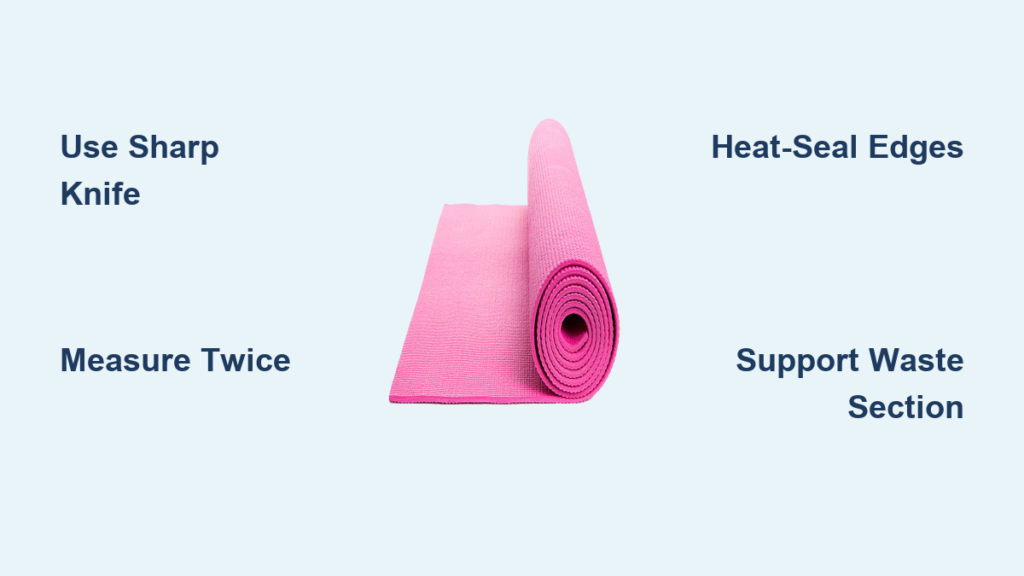
When your yoga mat no longer fits your practice space or you need a travel-sized version for on-the-go sessions, knowing how to cut a yoga mat properly becomes essential. Many yogis face this dilemma when moving to a smaller home studio, preparing for travel, or repurposing an old mat into smaller sections for specific uses. The right cutting technique preserves your mat’s functionality while avoiding frayed edges, compromised grip, and premature wear. This guide reveals exactly how to cut a yoga mat cleanly and safely, whether you’re trimming excess bulk or creating a custom-sized practice surface that perfectly fits your needs.
Attempting to cut a yoga mat with improper tools or techniques often leads to jagged edges that unravel after just a few uses, wasted material from inaccurate cuts, or even injury from slipping blades. Fortunately, with the right preparation and equipment, you can achieve professional-looking results that maintain your mat’s performance characteristics. Below you’ll discover material-specific cutting methods, essential tools for different mat thicknesses, and edge-finishing techniques that prevent fraying for months to come.
Best Tools for Cutting Yoga Mats Without Damage

Choosing the right cutting implement makes all the difference between a clean, precise edge and a ragged mess that compromises your mat’s integrity. Your selection should match both your mat’s thickness and material composition.
Utility Knife Selection for Standard Thickness Mats
A sharp utility knife delivers the cleanest results for most standard 3-6mm yoga mats. Look for a model with a retractable blade that allows you to expose just enough length for controlled cutting. Always use a fresh blade—dull blades tear rather than slice through mat materials, causing fraying that worsens with each use. When cutting PVC or TPE mats, replace the blade after every 2-3 mats to maintain optimal performance.
Scissors That Actually Cut Through Thick Yoga Mats
Standard household scissors will fail you when cutting yoga mats. Instead, invest in heavy-duty fabric shears or aviation snips designed for cutting through multiple layers of material. These specialized scissors maintain their edge longer and provide the leverage needed to cut through dense foam or rubber without hand fatigue. For curved cuts or intricate shapes, use smaller, sharp-pointed embroidery scissors that allow precise control around tight corners.
Rotary Cutter Technique for Professional Straight Lines
For yoga mats requiring perfectly straight edges—like when creating uniform travel mats—a rotary cutter paired with a metal straightedge produces unmatched results. The rolling action cuts through multiple layers of mat material with minimal effort while maintaining consistent pressure along the entire cut line. Always use a self-healing cutting mat underneath your yoga mat to protect both your work surface and the cutter’s blade.
Workspace Setup for Clean Yoga Mat Cuts
Your cutting environment significantly impacts the precision and safety of your yoga mat modification project. Proper preparation prevents shifting materials, inaccurate cuts, and potential injuries.
Surface Protection That Prevents Mat Damage
Never cut your yoga mat directly on bare wood, tile, or carpeted surfaces. Instead, lay down cardboard, a self-healing cutting mat, or several layers of newspaper to protect both your workspace and the mat’s bottom surface. This foundation prevents the cutting tool from digging into your work surface while providing the slight “give” needed for clean cuts through dense materials. For thicker mats (8mm+), add an extra layer of cardboard to absorb cutting pressure.
Lighting and Visibility for Precision Cutting
Poor lighting causes measurement errors and uneven cuts. Position a bright LED work lamp directly above your cutting area to eliminate shadows that obscure your marked lines. Natural daylight works best when available—try to schedule your cutting project near a window during midday hours. For night work, use an adjustable task light with a daylight color temperature (5000K-6500K) that accurately renders colors and line markings.
Measure Twice, Cut Once: Precision Marking Techniques
Accurate measurements prevent costly mistakes that could ruin your entire mat. Follow these professional marking methods to ensure your cuts align perfectly with your intended dimensions.
Measuring Your Body Dimensions for Custom Fit
Rather than guessing standard sizes, measure your body in key yoga positions to determine your ideal mat dimensions. Stand on your mat in Mountain Pose (Tadasana) and mark where your heels and fingertips extend beyond the mat’s edges. For seated poses, note where your knees extend past the sides. Most practitioners need at least 6 inches of extra length beyond their height to accommodate extended poses comfortably.
Transfer Marks That Won’t Disappear Mid-Cut
Use a washable fabric marker or chalk pencil to create visible, temporary guidelines that won’t bleed through your mat. Test your marking tool on a small corner first to ensure it removes cleanly. For dark-colored mats, use a silver or white chalk pencil that provides maximum contrast. Mark both sides of the mat along your cutting line—this prevents alignment errors if the mat shifts during cutting.
Execute Flawless Straight Cuts Every Time
Straight cuts require technique more than strength. Master these methods to achieve professional results regardless of your mat’s thickness or material.
The 30-Degree Blade Angle Secret
Hold your utility knife at exactly 30 degrees to the mat surface for the cleanest cut. This shallow angle allows the blade to slice through material rather than tear it, especially important for PVC and TPE mats that fray easily. Maintain consistent pressure throughout the cut—too light creates incomplete cuts, while too heavy causes the blade to dig in and create uneven edges.
Cutting Thick Mats Without Delamination
For premium 8mm+ mats, make multiple shallow passes rather than forcing a single deep cut. Score the surface lightly along your marked line, then gradually deepen the cut over 3-4 passes. After cutting about two-thirds through, flip the mat and complete the cut from the opposite side. This technique prevents delamination where layers separate during cutting, which commonly happens with high-density foam mats.
Material-Specific Cutting Techniques That Work

Different yoga mat materials require specialized approaches to prevent damage and ensure clean edges that last.
How to Cut PVC Yoga Mats Without Fraying
PVC mats respond best to utility knives with fresh blades. After cutting, immediately heat-seal the edges with a hair dryer on high setting held 2-3 inches away. The heat slightly melts the PVC edge, creating a sealed finish that prevents unraveling. Work slowly along the cut edge, spending about 5 seconds per inch for optimal results without burning the material.
Cutting Cork Yoga Mats Without Chipping
Cork surfaces are prone to chipping along cut edges. To prevent this, cut with the cork side facing up using sharp scissors with pointed tips. Make small, incremental cuts rather than long continuous strokes, and expect slightly rough edges that may require light sanding with fine-grit sandpaper afterward. For best results, apply a thin layer of wood glue along the cut edge to seal any potential chips.
Edge Finishing Methods That Prevent Fraying
Raw-cut edges will deteriorate quickly without proper finishing. Choose the right sealing method for your mat material to extend its usable life.
Electrical Tape Edge Sealing That Lasts
For immediate, durable edge protection on any mat type, use high-quality electrical tape (not duct tape). Press the tape firmly along the cut edge, wrapping 1/4 inch around to the back side. For best adhesion, clean the edge with rubbing alcohol first and apply tape when both mat and tape are at room temperature. This method adds minimal bulk while preventing fraying for 6-12 months with regular use.
Liquid Seam Sealer Application Process
Apply a thin bead of Gear Aid Seam Grip or similar flexible seam sealer along the cut edge using the applicator tip. Smooth the bead with your finger (wearing a glove) to ensure complete coverage. Allow 24 hours drying time before using the mat. This invisible finish works particularly well on rubber and TPE mats, creating a waterproof barrier that prevents moisture penetration and subsequent delamination.
7 Pro Tips for Cutting Yoga Mats Like a Professional
Learn from experienced yogis and craftspeople who’ve mastered the art of yoga mat modification through years of trial and error.
Never Cut While Mat Is Rolled or Curled
Always work with your mat completely flat and relaxed for at least 24 hours before cutting. Mats that have been stored rolled develop memory that causes them to curve during cutting, resulting in uneven edges. If you’re in a hurry, place heavy books on the mat overnight to flatten it before marking your cut lines.
The Waste Section Support Principle
Always support the section you’re cutting away rather than letting it hang freely. Unsupported waste material creates tension that pulls the mat away from your straightedge, causing curved cuts where you intended straight lines. Place a heavy book or have a helper hold the waste section flat against your work surface throughout the cutting process.
When Cutting Isn’t the Solution: Smart Replacement Guidelines
Sometimes modifying your existing mat isn’t worth the effort or produces subpar results. Recognize these situations where replacement makes more sense than cutting.
Mats With Widespread Surface Damage
If your mat shows significant wear across more than 30% of its surface—including compressed areas, persistent stickiness, or embedded dirt—cutting merely relocates these problems to the edges of your new mat. In these cases, invest in a new mat rather than modifying one that’s already compromised. High-quality mats typically last 1-3 years with regular use before needing replacement regardless of cutting attempts.
Mats Approaching End of Lifespan
Yoga mats lose structural integrity over time, even in areas that appear undamaged. If your mat is more than two years old with regular weekly use, cutting may reveal hidden delamination or cause edges to crumble. Check for subtle signs of aging like reduced grip, uneven thickness, or a powdery residue on the surface—these indicate the mat is too far gone for successful modification.
After successfully cutting your yoga mat, proper maintenance preserves your work and extends the life of your customized practice surface. Clean your mat regularly with a solution of one part white vinegar to four parts water, which removes sweat and bacteria without damaging most edge finishes. Always air dry completely before rolling—never store a damp mat as moisture accelerates edge deterioration. For heat-sealed PVC edges, avoid direct sunlight during drying to prevent warping.
The ability to cut a yoga mat properly transforms what might become waste into functional, personalized equipment that enhances your practice. Whether you’re creating a space-saving mat for apartment living, a travel version that fits in your suitcase, or repurposing an old mat into smaller sections for specific uses, these techniques ensure professional results that maintain performance and durability. Remember that the right tools, precise measurements, and proper edge finishing make all the difference between a temporary fix and a long-lasting solution that supports your yoga journey for months to come.