Your yoga mat is the foundation of your practice, yet most practitioners neglect proper care until problems arise. Sweat, oils, and bacteria accumulate with each session, creating slippery surfaces and unpleasant odors that compromise both hygiene and performance. Learning how to maintain yoga mat properly isn’t just about cleanliness—it’s about preserving your investment, enhancing grip during challenging poses, and creating a hygienic space for your practice. Whether you’re a daily vinyasa vinyasa flow enthusiast or attend weekly restorative classes, this guide reveals practical, material-specific techniques to keep your mat in peak condition for years to come.
Daily Cleaning Habits That Prevent Long-Term Damage
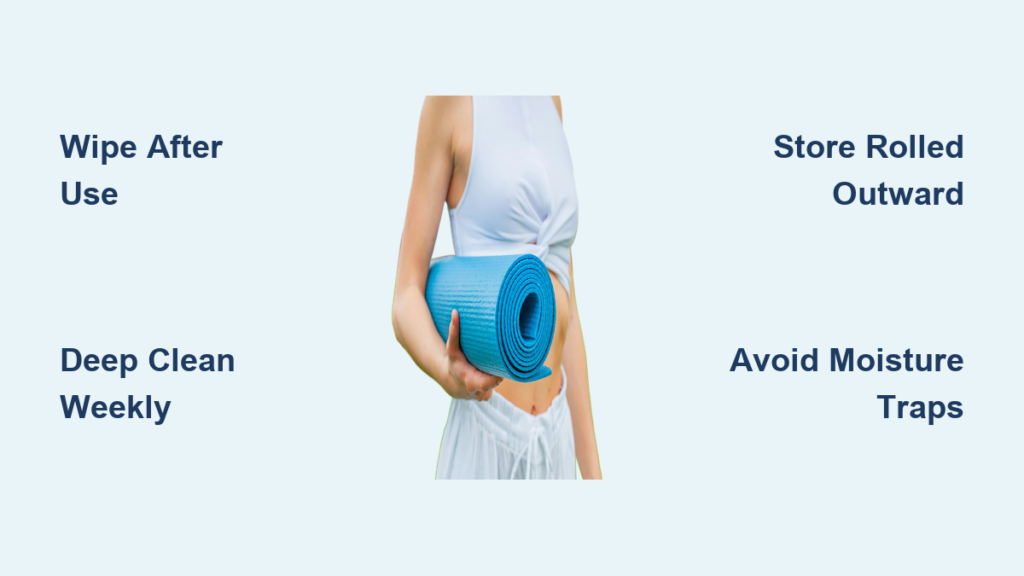
Wiping down your mat immediately after practice takes less than two minutes but dramatically extends its lifespan. When you neglect this simple step, sweat penetrates the surface, breaking down materials and creating an environment where bacteria thrive. To clean effectively: mix one cup of water with two drops of mild dish soap in a spray bottle, mist your mat lightly (never drench it), then wipe in circular motions with a microfiber cloth. Focus extra attention on high-contact areas like where your hands and feet rest in downward dog.
Never roll up a damp mat—even slightly moist conditions encourage mold growth within hours. Instead, hang it over a shower curtain rod or balcony railing with good air circulation. If you’re practicing in a studio, carry a small towel specifically for absorbing excess moisture before transport. For hot yoga practitioners who sweat heavily, consider keeping two mats and alternating between sessions to allow each one ample drying time.
Deep Cleaning Methods for Different Mat Materials

Weekly deep cleaning restores grip and eliminates odor-causing bacteria that daily wiping misses. However, your approach must match your mat’s composition to avoid damage. For PVC mats (the most common type), fill your bathtub with lukewarm water and add 1/4 cup of white vinegar. Submerge your mat and gently scrub problem areas with a soft-bristled brush, then rinse thoroughly and hang to dry away from direct sunlight.
Natural rubber mats require special care—never soak them completely. Instead, lay flat on a clean surface and wipe with a solution of one tablespoon baking soda dissolved in two cups of water. The baking soda neutralizes odors while gently exfoliating the surface. For cork mats, which develop better grip when slightly damp, use only a damp cloth with a few drops of tea tree oil (a natural antimicrobial) to clean without oversaturating the material.
Storage Techniques That Prevent Curling and Warping
How you store your yoga mat between sessions significantly impacts its longevity. Always roll your mat with the textured side facing outward—this preserves the surface that contacts your skin and prevents edges from curling inward over time. If your mat has alignment lines, use them as a guide to maintain consistent rolling direction.
Store your rolled mat in a breathable cotton bag, never plastic, which traps moisture and promotes mildew. Keep it in a cool, dry place away from direct sunlight and temperature extremes. Avoid leaving your mat in your car trunk, where summer heat can warp materials and winter cold makes them brittle. For frequent travelers, invest in a mat strap with ventilation holes rather than a sealed carrying case.
Troubleshooting Common Mat Problems
Slippery surfaces often indicate product buildup from lotions or improper cleaning. To restore grip on PVC or TPE mats, sprinkle coarse sea salt over the surface, let it sit for 30 minutes, then brush off with a dry cloth. The salt creates microscopic texture that enhances traction without damaging the material. For persistent slipperiness, try a 50/50 mixture of water and witch hazel in a spray bottle—this astringent solution removes oils while being gentle on most mat materials.
Curling edges frustrate practitioners and create tripping hazards. To correct this, roll your mat in the opposite direction for 24 hours secured with straps. For severe curling, place the mat face-down on a flat surface with heavy books at each end for 48 hours. Prevent future curling by always rolling with the textured side out and avoiding direct heat sources that cause material contraction.
Persistent odors usually signal bacteria deep within the mat’s surface. Beyond regular cleaning, try this professional technique: after your normal cleaning routine, mix one teaspoon of baking soda with one cup of water in a spray bottle, mist your mat thoroughly, and let it sit for 15 minutes before wiping dry. The baking soda penetrates microscopic pores to neutralize odors at their source.
Material-Specific Maintenance Cheat Sheet

Different yoga mat materials require tailored care approaches. Follow this quick reference guide:
PVC Mats: Tolerate frequent cleaning but avoid petroleum-based products. Best deep cleaned with vinegar solutions. Air dry only—never machine dry.
Natural Rubber: Keep away from direct sunlight which accelerates deterioration. Clean with baking soda solutions only—avoid vinegar which can degrade rubber over time.
TPE (Eco-Friendly): Machine washable on gentle cycle but air drying preserves thickness. Avoid oil-based cleaners that break down the material.
Cork: Develops better grip when slightly damp. Clean with damp cloth only—never soak. Allow to dry completely face-up to prevent warping.
Cotton/Hemp: Often machine washable in cold water. Always air dry—never use dryer. Becomes softer with each wash.
Proactive Measures to Double Your Mat’s Lifespan
Small habit changes during practice protect your mat from unnecessary wear. Always practice on a clean surface—sweep or vacuum your space before unrolling to prevent dirt from grinding into the mat’s surface. Consider using a thin yoga towel over your mat during intense sessions; this absorbs sweat before it penetrates the mat and can be washed after each use.
Modify your transitions to reduce dragging. Instead of sliding your hands and feet across the mat during pose changes, lift and place them deliberately. This prevents micro-abrasions that accumulate over time and create rough patches. Remove jewelry before practice—rings and bracelets create tiny tears that compromise the mat’s integrity.
Rotate your mat periodically if you practice in the same space. Shift your alignment by a few inches each session or flip the mat end-to-end to distribute wear evenly. Some dedicated practitioners keep two mats and alternate between them, giving each mat extended recovery time between sessions.
When Cleaning Isn’t Enough: Recognizing Replacement Time

Even with perfect maintenance, yoga mats eventually reach the end of their functional life. Visible signs include permanent discoloration in high-wear areas, deep cracks in the surface, and edges that curl despite corrective measures. If your mat develops holes or thin spots that compromise cushioning, it’s time for replacement regardless of age.
Loss of grip despite thorough cleaning indicates material degradation. As mats age, the surface properties that provide traction break down, creating a slippery surface even when clean. This deterioration poses safety risks during standing and balance poses, making replacement essential.
Most quality mats last 1-3 years with regular use and proper care. Daily practitioners should expect annual replacement, while occasional users may extend their mat’s life to three years. Investing in a quality mat and maintaining it properly maximizes your investment while ensuring a safe, hygienic practice surface.
Integrating Mat Care Into Your Practice Ritual
Learning how to maintain yoga mat properly transforms cleaning from a chore into a meaningful ritual that enhances your entire practice. Each time you wipe down your mat after session, you’re completing a circle of practice—acknowledging the space you’ve created for growth. When you carefully roll and store your mat, you’re honoring the role it plays in your wellness journey.
Start with one simple improvement: establish a post-practice wipe-down habit using the water and mild soap solution. Build from there, gradually incorporating deeper cleaning practices and material-specific care. Your mat, your practice, and your body will thank you for the attention and care you invest. A well-maintained yoga mat isn’t just equipment—it’s an extension of your practice space, supporting every breath, movement, and moment of stillness on your yoga journey.