Your Lululemon yoga mat isn’t just exercise equipment—it’s the foundation of your entire practice. Many yogis invest in this premium mat only to struggle with slipping during downward dog or premature wear within months. Proper technique transforms your experience, making challenging poses accessible while protecting your investment. This guide reveals exactly how to position, grip, maintain, and maximize your Lululemon mat for every style of practice, ensuring optimal performance from day one through years of use.
Activate Your Mat’s Superior Grip Before First Practice
Don’t step onto your new Lululemon mat immediately after unboxing—proper activation ensures maximum traction from your very first session. Your mat arrives compressed from shipping with a thin protective film that reduces initial grip. Unroll it completely in your practice space and allow 24-48 hours for it to flatten naturally, eliminating stubborn curling edges that disrupt alignment.
Before your inaugural practice, wipe the surface with a clean, damp microfiber cloth using gentle pressure. This removes manufacturing residues while awakening the polyurethane surface’s microscopic texture. For immediate grip enhancement, lightly mist the mat with water—Lululemon’s signature material becomes tackier as it absorbs moisture, creating the perfect foundation for challenging balances. Skip soap or cleaners during this initial activation, as they leave residues that interfere with the mat’s natural grip properties.
Why Your Hands Might Still Slip in Downward Dog
Even with proper activation, many practitioners experience slipping during sweaty sessions because they’re fighting the mat’s design rather than working with it. Your Lululemon mat performs best when your skin makes direct contact with the surface—avoid practicing with lotion or excessive hand sweat that creates a barrier between you and the mat’s grip-enhancing texture.
For intense flows, strategically place a small microfiber towel under your dominant hand during challenging arm balances. This targeted approach manages sweat without compromising the full mat surface needed for transitions. If slipping persists despite clean hands, your mat may need deeper cleaning to remove invisible oil buildup—try a 50/50 water and witch hazel solution that cuts through residue without damaging the surface.
Position Your Mat for Optimal Alignment and Flow
The placement of your Lululemon mat significantly impacts your entire practice, yet most yogis unroll it haphazardly without considering spatial dynamics. Position your mat so the longer edge runs perpendicular to your primary focal point—whether that’s a window, wall mirror, or simply the center of your practice space. This orientation creates visual anchors that help maintain consistent alignment across sessions, especially during asymmetrical poses.
Leave at least 12 inches of clearance on all sides to accommodate natural movement during dynamic flows. In crowded studios, angle your mat slightly toward the front rather than perfectly parallel to others—this subtle adjustment creates more personal space during wide-legged poses without encroaching on neighbors. For home practice, mark your ideal mat position with discreet tape dots on the floor to maintain consistency session after session.
Master Moisture-Responsive Traction Techniques
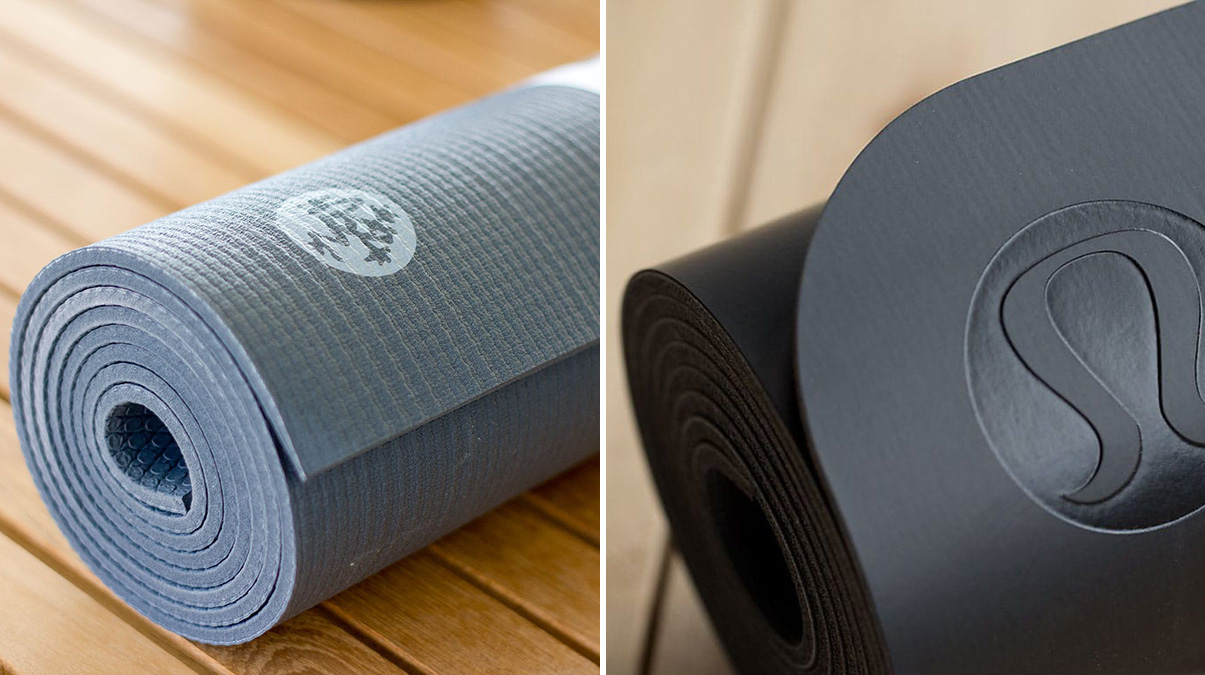
Lululemon’s signature grip works differently than standard PVC mats—you must understand its moisture-responsive properties to unlock its full potential. Unlike cheaper mats that become slippery when wet, your Lululemon mat actually improves grip as your skin naturally moistens during practice. The polyurethane surface creates microscopic suction points that activate with light moisture from your hands and feet.
Time your water application strategically: mist the entire surface before hot yoga sessions for immediate tackiness, but for moderate practices, allow your natural sweat to gradually activate the grip. During particularly challenging sequences, lightly dampen just your hand and foot placement areas rather than the entire mat—this targeted approach maintains optimal traction exactly where you need it without unnecessary moisture buildup.
How to Prevent Edge Curling During Intense Flows
Curling edges disrupt alignment and create tripping hazards during dynamic transitions. This common issue stems from improper storage combined with heat exposure during vigorous practices. To prevent curling, always roll your mat with the textured side facing outward—this maintains the natural curve of the material and protects the grip surface.
When curling occurs mid-practice, immediately place heavy books or blocks along the affected edge for 5-10 minutes while continuing your session elsewhere on the mat. For persistent curling, unroll your mat completely and place it under a clean, flat surface like a dining table for 24 hours. Never leave your mat unrolled in direct sunlight or near heating vents, as temperature extremes permanently damage the material’s memory.
Clean Your Mat for Long-Term Performance
Improper cleaning destroys more Lululemon mats than regular use—you must follow specific protocols to maintain grip and prevent premature wear. After every practice, wipe down your mat with a solution of one part water to one part witch hazel using a microfiber cloth. This gentle formula removes sweat and bacteria without stripping the mat’s natural tackiness.
For deep cleaning, lay your mat flat in a bathtub filled with lukewarm water and a capful of mild, fragrance-free soap. Gently agitate the surface with your hands for 2-3 minutes, then rinse thoroughly with clean water. Never submerge your mat in hot water or use abrasive scrubbers—these damage the polyurethane surface and accelerate wear. Air dry completely (24-48 hours) away from direct sunlight before rolling or storing.
What to Do When Your Mat Loses Traction
When your Lululemon mat becomes slippery despite regular cleaning, invisible residue buildup is likely the culprit. Body oils, lotions, and mineral deposits from sweat create a barrier that prevents the mat’s surface from gripping properly. For severe cases, create a cleaning paste using baking soda and water, then gently rub it into problem areas with a soft toothbrush before rinsing thoroughly.
Prevent future traction loss by establishing a pre-practice ritual: wash your hands and feet with unscented soap immediately before stepping onto your mat. During sweaty sessions, keep a small spray bottle of water nearby to refresh the surface—this simple habit maintains optimal grip without harsh chemicals. If traction doesn’t improve after multiple deep cleanings, contact Lululemon’s customer service about their limited warranty coverage for manufacturing defects.
Store Your Mat to Preserve Shape and Performance

Your storage method directly impacts your mat’s longevity and readiness for practice. Always roll your Lululemon mat with the textured side facing outward—this maintains the natural curve of the material and prevents the edges from developing permanent curls. Store it vertically in a mat rack or horizontally in a cool, dry space away from direct sunlight, which fades colors and degrades materials over time.
Never fold your mat for storage, as this creates permanent creases that disrupt alignment during practice. If traveling, use Lululemon’s dedicated mat strap rather than twisting it tightly, which stresses the material. For car transport, avoid leaving your mat in extreme temperatures—heat above 90°F causes permanent warping, while freezing temperatures make the material brittle.
Extend Your Mat’s Lifespan with Strategic Rotation

Maximize your investment by rotating your mat regularly to distribute wear evenly across the surface. Most practitioners unconsciously place their hands and feet in the same spots during every practice, creating premature thinning in these high-impact zones. Shift your alignment slightly with each session—move your entire practice area 2-3 inches forward, backward, or sideways to engage fresh mat surface.
For studio practitioners who share floor space, flip your mat occasionally to use both sides evenly. Lululemon mats feature consistent grip on both surfaces, allowing you to extend the life of your investment through strategic rotation. Every 3-6 months, inspect your mat for thinning areas and adjust your practice positioning to avoid concentrating pressure on weakened spots.
Troubleshoot Common Practice Disruptions
Unexpected issues can derail your flow if you’re unprepared with solutions. When your mat shifts during practice, it’s usually due to an uneven floor surface or improper mat placement. Place non-slip yoga mat anchors at each corner or use double-sided tape designed for temporary floor adhesion—never permanent adhesives that damage both your mat and flooring.
If unpleasant odors develop despite regular cleaning, your mat likely harbors bacterial growth in the material’s pores. Soak it in a solution of water and hydrogen peroxide (10:1 ratio) for 15 minutes, then rinse thoroughly and air dry completely. Persistent odors indicate deep contamination—contact Lululemon about their quality guarantee for potential replacement.
Final Note: Properly using your Lululemon yoga mat transforms both your practice and investment value. By activating the grip correctly, positioning strategically, cleaning appropriately, and storing carefully, you’ll maintain optimal performance for years while preventing common frustrations. Implement just one new technique from this guide in your next session—whether it’s misting before practice or rotating your mat position—and notice immediate improvements in stability and comfort. Your mat serves as the foundation for every pose, and treating it with this level of care reflects the same dedication you bring to your yoga journey.