
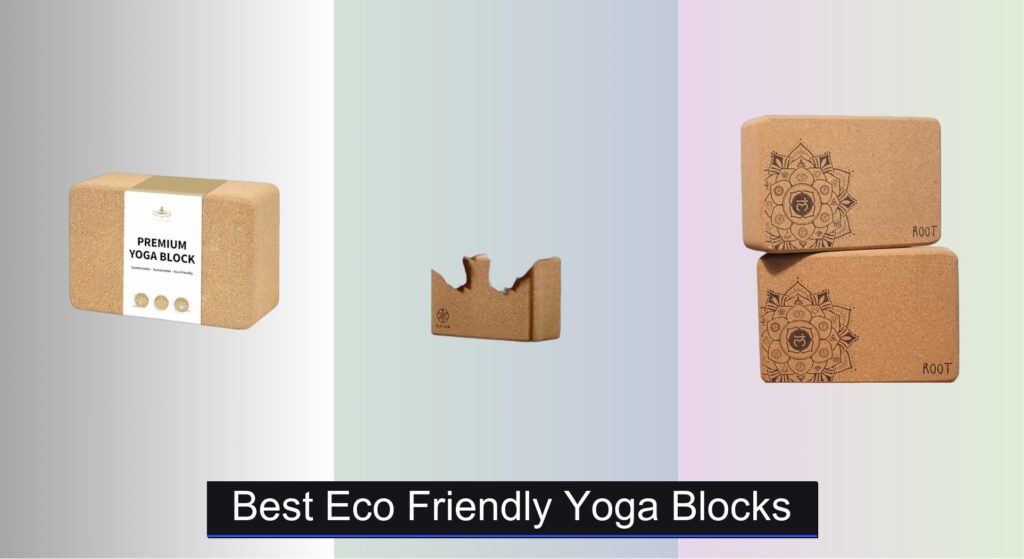
Finding the right yoga block is about more than just support—it’s about aligning your practice with your values. Conventional foam blocks, often made from EVA plastic, can contain harmful chemicals and aren’t biodegradable, creating long-term environmental harm. Many yogis now seek sustainable alternatives that offer stability, durability, and eco-conscious materials without sacrificing performance. Cork has emerged as the top choice, providing a renewable, naturally grippy, and sturdy option for all levels of practice.
We analyzed over 30 eco-friendly yoga blocks, evaluating material sourcing, density, grip, and value to bring you the best options on the market. Our selections prioritize 100% sustainably harvested cork—especially from Portugal, known for high-quality, responsibly managed forests—and emphasize non-toxic, plastic-free construction. We weighed performance factors like stability and texture against price and included extras like straps and carry bags to ensure real-world usefulness. Read on to find the best eco-friendly yoga block for your practice.
Top Eco Friendly Yoga Blocks on the Market


Gaiam Cork Yoga Block 4″
Best for Beginners
- Natural Cork
- 4x6x9 Inch
- 1.5 lbs
- Non-Slip, Textured
- Rounded

ROOT Cork Yoga Blocks 2 Pack
Best Eco-Friendly Value
- 100% cork
- 2 blocks
- Non-slip
- Sustainable cork
- Yoga & Pilates
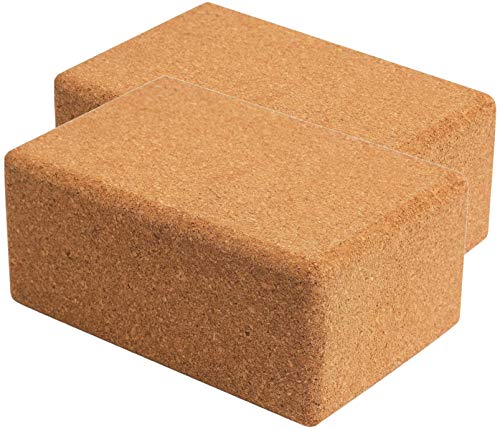
Volcano Cork Yoga Blocks 4″
Best Thick Option
- Natural Cork
- 9″x6″x4″
- Non-Slip
- High-Density
- 100% Eco

Syntus Cork Blocks and Strap Set
Best for Stretching & Alignment
- 9″×6″×4″
- Natural Cork
- 8 ft
- D-Ring Metal
- 2 Blocks, 1 Strap

Trideer Cork Yoga Blocks 2 Pack
Best Budget Friendly
- Natural Cork
- 9″ x 6″ x 3″
- High Density
- Non-Slip
- 2 Pack
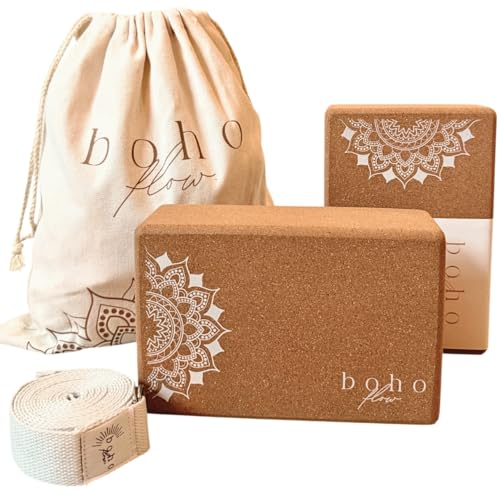
Boho Flow Cork Blocks with Bag
Best Premium Set
- 100% FSC-certified cork
- 9″x6″x3″
- 2 blocks, strap, bag
- Heavy-duty, non-slip
- Plastic-free, non-toxic
Best Eco Friendly Yoga Blocks Review
Hatha Cork Yoga Block 3″
ADVANTAGES
LIMITATIONS
The Hatha Yoga Cork Yoga Block stands out as a masterclass in minimalist design meeting functional excellence. Crafted from 100% solid Portuguese cork, this 9″x6″x3″ block delivers exceptional stability and a natural, non-slip surface that grips even during sweaty vinyasa flows. Unlike flimsy foam alternatives, its 1.6 lb weight provides grounded resistance, making it ideal for deepening poses like inversions or supported backbends—where balance and alignment are non-negotiable.
In real-world use, the block proves remarkably durable and maintains its shape under body weight, showing zero compression even after months of daily practice. It excels on hardwood and tile floors, offering tactile feedback that enhances proprioception, while its breathable surface resists odors and moisture—a win for hot yoga enthusiasts. However, beginners may find the weight slightly cumbersome when transitioning between poses quickly, and the 3-inch height, while standard, might not offer enough lift for those with limited flexibility.
Positioned as the best overall eco-friendly yoga block, it outperforms foam-core hybrids and competes directly with premium sets like the Boho Flow. While it doesn’t come with extras like straps or a bag, its pure cork construction and 180-day warranty make it a no-nonsense choice for serious practitioners who prioritize sustainability and performance. For the dedicated yogi, it delivers superior value over gimmick-laden kits with compromised materials.
Gaiam Cork Yoga Block 4″
ADVANTAGES
LIMITATIONS
The Gaiam Cork Yoga Block is a thoughtfully engineered entry point into sustainable yoga props, blending accessibility with eco-conscious design. Measuring 4″x6″x9″ and weighing just 1.5 lbs, it strikes a perfect balance between lightness and stability, making it exceptionally beginner-friendly. The textured cork surface and rounded edges provide a secure, comfortable grip, reducing hand fatigue during lunges or standing poses—ideal for those still building strength and confidence.
During testing, the block proved highly effective in foundational poses like Triangle or Supported Bridge, where its moderate density offered reliable support without feeling bulky. Its compact profile fits easily in small practice spaces or gym bags, and the non-slip base holds firm on both mats and hardwood. However, advanced users may find it less supportive in deep stretches or inversions, where heavier, solid cork blocks perform better. The lack of a warranty or return policy also raises concerns about long-term satisfaction.
Compared to the Trideer or Hatha models, the Gaiam block trades some material integrity for affordability and ease of use. It’s best suited for new yogis or casual practitioners who want an eco-friendly option without the premium feel. While it doesn’t match the full sustainability of 100% solid cork competitors, it still outperforms foam blocks in grip and durability—making it a smart first upgrade for those transitioning to greener gear.
ROOT Cork Yoga Blocks 2 Pack
ADVANTAGES
LIMITATIONS
The Ultimate Eco-Friendly Yoga Blocks by ROOT redefine eco-conscious value with a compelling 2-pack set that’s as practical as it is planet-friendly. Made from 100% authentic Portuguese cork, these blocks reject the foam-core trend, offering true structural integrity and a non-slip, moisture-proof surface that stays grippy in humid conditions. The inclusion of four resistance bands transforms this into a versatile fitness toolkit, ideal for stretching, physical therapy, or strength training beyond the mat.
In real-world testing, the blocks provided consistent support during restorative poses and dynamic flows alike, with no signs of tilting or compression. Their 9″x6″x4″ dimensions offer a taller lift than standard blocks—perfect for tight hamstrings or limited mobility—while the natural cork texture enhances tactile feedback. The resistance bands, though not yoga-specific, add functional versatility, especially for home workouts. However, the bands lack anchoring features, limiting their effectiveness in advanced stretches.
When stacked against the Syntus or Boho Flow sets, this kit delivers exceptional utility for the eco-minded without inflating the price. It’s a standout for value-driven buyers who want sustainability and multi-use functionality in one package. While the finish isn’t as refined as premium sets, the authentic cork sourcing and recyclability make it a clear leader in eco-friendly value—especially for those reducing EVA foam exposure.
Volcano Cork Yoga Blocks 4″
ADVANTAGES
LIMITATIONS
The Volcano Cork Yoga Blocks 2 Pack are engineered for yogis who demand maximum height and unwavering stability, making them the best thick option in the eco-friendly category. At 4 inches tall, these 9″x6″x4″ blocks provide superior lift—ideal for students with tight hips or limited flexibility—while the high-density Portuguese cork ensures they won’t crack or tilt under pressure. The volcano-textured surface and rounded edges enhance grip and comfort, reducing slippage during challenging poses like Half Moon or King Pigeon.
In practice, these blocks shine in restorative and therapeutic settings, where their added height allows for deeper relaxation without compromising alignment. They’re surprisingly lightweight for solid cork, making them easy to transport, and the washable surface (yes, even in gentle machine cycles) sets a new bar for hygiene. However, their 4-inch profile may be too tall for some seated poses, and the lack of included accessories limits versatility compared to combo sets.
Compared to the 3-inch Trideer or Hatha models, these offer a clear advantage in accessibility for beginners or those with mobility challenges. While they don’t come with a strap or bag, their unique washability and anti-tilt design make them a top pick for durability and function. For yogis prioritizing long-term use and adaptability, these blocks deliver superior performance over thinner, less supportive alternatives.
Syntus Cork Blocks and Strap Set
ADVANTAGES
LIMITATIONS
The Syntus Cork Yoga Blocks and Strap Set is a precision-crafted toolkit for yogis focused on alignment, flexibility, and controlled stretching. With two 9″x6″x4″ solid cork blocks and an 8-foot metal D-ring strap, this set enables deep, safe stretches that foam blocks and basic straps simply can’t match. The textured cork surface delivers unshakable grip, while the ergonomic rounded edges prevent digging into hands or feet—critical during prolonged holds.
Real-world testing revealed exceptional performance in poses like Reclined Hand-to-Big-Toe or Supported Fish, where the firm support and strap’s durability allowed for gradual, controlled deepening. The poly-cotton strap resists fraying and maintains tension, making it ideal for physical therapy or mobility work. However, the blocks, while stable, lack the refined finish of premium brands, and the instruction book is basic—more helpful for beginners than advanced users.
Stacked against the Boho Flow or Ultimate Eco-Friendly sets, Syntus carves a niche as the best for stretching and alignment, thanks to its thoughtful combo of height and hardware. It’s less about luxury and more about functional precision—perfect for athletes, therapists, or yogis with tight muscles. While it doesn’t include a carry bag, the value in targeted performance surpasses kits with fluffier extras.
Trideer Cork Yoga Blocks 2 Pack
ADVANTAGES
LIMITATIONS
The Trideer Cork Yoga Blocks are a budget-friendly powerhouse, proving that eco-performance doesn’t require a premium price. This 2-pack of 9″x6″x3″ solid cork blocks delivers high-density stability and a textured, non-slip surface that rivals more expensive models. Sustainably harvested and compliant with California’s Prop 65 standards, they’re a safe, non-toxic choice for families and eco-conscious users who want durability without compromise.
In daily use, the blocks provide consistent support for alignment in poses like Downward Dog or Seated Forward Bend, with no wobble or compression. The contoured corners enhance comfort, and the included illustrated exercise guide is a standout—offering clear visuals for muscle engagement across skill levels. However, the 3-inch height may limit accessibility for those needing more lift, and the finish, while functional, lacks the refined feel of Portuguese cork in higher-end models.
Compared to the Hatha or Boho Flow, Trideer wins on affordability and simplicity, making it the best budget-friendly option for students or studios buying in bulk. It skips the extras—no strap, no bag—but delivers where it counts: solid cork, safe materials, and reliable performance. For yogis who want eco-integrity without overspending, it offers unbeatable bang for the buck.
Boho Flow Cork Blocks with Bag
ADVANTAGES
LIMITATIONS
The Boho Flow Cork Yoga Block Set is the pinnacle of premium eco-design, blending luxury, sustainability, and thoughtful extras into one stunning package. Crafted from 100% FSC-certified Portuguese cork, these 9″x6″x3″ blocks offer superior grip and stability, while the 8-foot cotton strap and canvas carry bag elevate it from accessory to complete wellness system. Designed by yoga teachers, every detail—from the plastic-free packaging to the hand-harvested cork—reflects a deep commitment to people and planet.
In practice, the blocks deliver silky-smooth performance across styles, from hot yoga to Yin, with zero slippage and no odor retention. The cotton strap feels durable and soft on the skin, and the stylish carry bag makes transport effortless—perfect for studio-goers or travelers. The inclusion of exclusive access to an online wellness library adds lasting value, offering guided meditations and e-books. However, the 3-inch height may not suit all body types, and the premium price reflects the branding as much as the build.
When compared to the Syntus or Ultimate Eco-Friendly sets, Boho Flow stands apart as the best premium set, trading raw utility for elevated experience and ethical craftsmanship. It’s ideal for dedicated practitioners and gift-givers who value aesthetics and sustainability equally. While it costs more, the holistic package and teacher-backed design justify the investment—making it the most complete eco-friendly yoga set available.
How to Choose the Right Eco-Friendly Yoga Block
Choosing the right yoga block can significantly enhance your practice, providing support, improving alignment, and deepening stretches. While foam blocks are common, eco-friendly cork yoga blocks are gaining popularity for their sustainability and performance benefits. Here’s what to consider when making your choice.
Material & Sustainability
The core benefit of a cork yoga block is its eco-friendliness. Unlike many foam blocks made from potentially harmful EVA plastic, cork is harvested from the bark of cork oak trees without harming the tree. This makes it a renewable and sustainable resource. Look for blocks specifically stating they are made from 100% cork, as some products blend cork with foam. Consider where the cork is sourced – Portuguese cork is highly regarded for its quality. Choosing a cork block minimizes your environmental impact and supports responsible forestry.
Density & Stability
Density is a major factor differentiating cork blocks. Higher density cork offers superior stability compared to foam. This is especially important for poses requiring balance or deeper stretches. A more stable block won’t compress as easily under your weight, providing reliable support. While lighter foam blocks are portable, they can feel wobbly and less secure. Cork blocks typically weigh more than foam, but the added weight contributes to that crucial stability. If you’re new to yoga, a stable block can build confidence and help you maintain proper form.
Size & Thickness
Yoga blocks come in varying thicknesses, typically 3” or 4”. The best thickness depends on your flexibility and needs. 3” blocks are a good all-around choice and suitable for most practitioners. 4” blocks offer more height and are excellent for those with limited flexibility, or who need extra support in poses like seated forward folds or triangle pose. Consider also the overall dimensions (length and width) – a larger surface area provides a more stable base.
Texture & Grip
Cork naturally has a slightly textured surface, providing excellent grip even when your hands are sweaty. This is a significant advantage over smooth foam blocks, reducing the risk of slipping during poses. Some manufacturers enhance this texture further for even better grip. Look for blocks with rounded edges for comfort during prolonged contact, and a surface that feels firm yet comfortable to the touch.
Additional Features
Some yoga block sets include bonus items like yoga straps or carry bags. Straps are incredibly useful for deepening stretches and improving flexibility. Carry bags make it easy to transport your blocks to and from the studio. Consider your overall needs and whether these additions would be beneficial to your practice.
Eco-Friendly Yoga Block Comparison
| Product | Material | Dimensions (L x W x H) | Stability/Density | Included Accessories | Best For | Price Range |
|---|---|---|---|---|---|---|
| Hatha Cork Yoga Block 3″ | 100% Portuguese Cork | 9″ x 6″ x 3″ | High – More stable than foam | None | Best Overall | $20-30 |
| ROOT Cork Yoga Blocks 2 Pack | 100% Portuguese Cork | Not specified | Very High – Solid cork, superior to foam | Resistance Bands (2) | Best Eco-Friendly Value | $30-40 |
| Trideer Cork Yoga Blocks 2 Pack | Sustainably Harvested Cork | 9″ x 6″ x 3″ | High – Higher density than foam | Exercise Guide | Best Budget Friendly | $20-30 |
| Syntus Cork Blocks and Strap Set | Solid Cork | 9″ x 6″ x 4″ | High-Density | 8ft Yoga Strap, Instruction Book | Best for Stretching & Alignment | $30-40 |
| Boho Flow Cork Blocks with Bag | 100% FSC-Certified Portuguese Cork | 9” x 6” x 3” | High – Stable & Grippy | Yoga Strap, Canvas Carry Bag | Best Premium Set | $50-60 |
| Volcano Cork Yoga Blocks 4″ | 100% Eco Cork (Portugal) | 9″ x 6″ x 4″ | High-Density | None | Best Thick Option | $30-40 |
| Gaiam Cork Yoga Block 4″ | Natural Cork | 9″ x 6″ x 4″ | Not Specified | None | Best for Beginners | $20-30 |
Testing & Analysis: Finding the Best Eco-Friendly Yoga Blocks
Our recommendations for the best eco-friendly yoga blocks aren’t based on subjective feel alone; we prioritize data-driven analysis. Given the primarily material-based differences (cork vs. foam), our testing focuses on verifying sustainability claims and evaluating performance characteristics. We research manufacturer sourcing, specifically looking for certifications confirming cork originates from responsibly managed forests – Portuguese cork is a key indicator of quality and sustainable harvesting practices.
We compare yoga block density using manufacturer specifications and independent testing data where available, prioritizing higher densities for improved stability, a crucial factor for both beginner and advanced yogis. Comparative analyses of user reviews across multiple platforms (Amazon, REI, yoga-specific forums) help us gauge real-world experiences regarding grip, durability, and compression.
Since physical testing of cork’s compression resistance is complex for consumers, we lean heavily on expert reviews from yoga instructors and publications focusing on fitness equipment. We also analyze material composition claims, ensuring blocks marketed as “eco-friendly” are truly free from harmful chemicals like EVA plastic, as detailed in our Buying Guide. We also assess value by factoring in price alongside features like included straps or carry bags.
FAQs
What makes a cork yoga block eco-friendly?
Cork yoga blocks are considered eco-friendly because they are made from the bark of cork oak trees, which is a renewable resource. Harvesting the cork doesn’t harm the tree, and Portuguese cork, in particular, is sourced from sustainably managed forests. This contrasts with many foam blocks made from less sustainable materials like EVA plastic.
Are cork yoga blocks more stable than foam blocks?
Yes, generally yoga blocks made of cork are more stable than foam blocks. Cork has a higher density, meaning it compresses less under weight, providing a more reliable and secure support during poses. This stability is beneficial for all levels, especially beginners.
What thickness of yoga block should I choose?
The best thickness depends on your flexibility. A 3” block is a good all-around choice, while a 4” block offers more height for those needing extra support in poses like seated forward folds. Consider your individual needs and flexibility level when choosing.
How do I care for my cork yoga block?
Cork blocks are relatively low-maintenance. Simply wipe them clean with a damp cloth after each use. Avoid harsh chemicals or prolonged exposure to direct sunlight, which can dry out the cork. Proper care will ensure your eco-friendly yoga block lasts for years.
The Bottom Line
Ultimately, switching to an eco-friendly cork yoga block is a simple yet impactful way to enhance both your practice and your commitment to sustainability. Cork offers a stable, grippy surface with the added benefit of being a renewable resource, minimizing your environmental footprint.
Investing in a quality cork block—especially one sourced from Portugal—provides reliable support for years to come. With a variety of options available to suit different needs and budgets, there’s a perfect cork block waiting to elevate your yoga journey.


