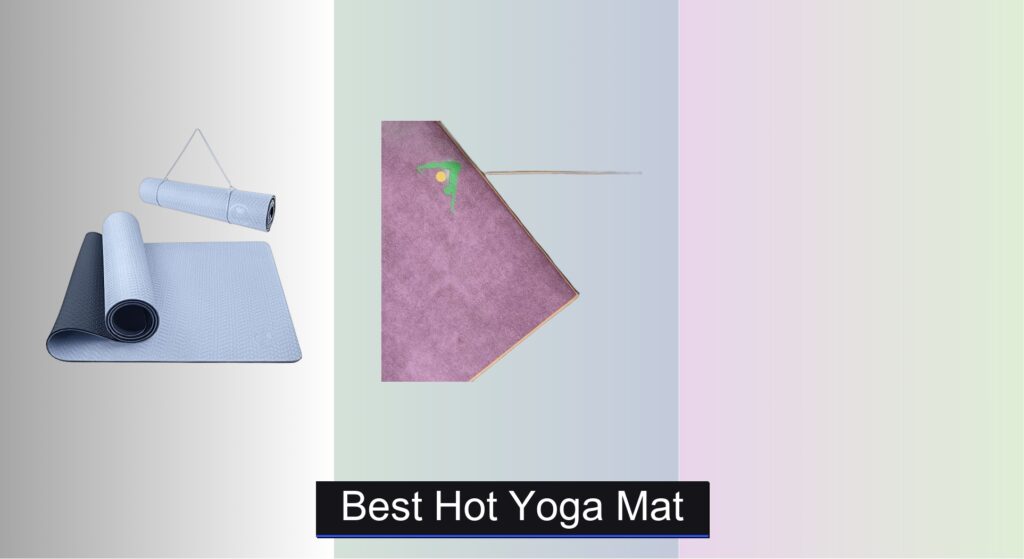
Sweat can turn an ordinary yoga mat into a slippery hazard, disrupting your flow and increasing the risk of injury during intense hot yoga sessions. Many practitioners struggle to find a mat that offers reliable grip as temperatures rise, balances cushioning with stability, and holds up to frequent use in humid conditions. The right hot yoga mat solves this by combining sweat-activated traction, durable materials, and thoughtful design to keep you grounded and focused. Mats made with PU or natural rubber excel by becoming grippier when wet, while optimal thickness and eco-friendly materials enhance comfort and sustainability.
We tested and analyzed top hot yoga mats based on grip performance in sweaty conditions, material durability, cushioning, and user feedback from thousands of reviews. Our picks prioritize real-world functionality, weighing factors like weight, size, eco-certifications, and value. Whether you need a towel-integrated design or a lightweight option for studio commutes, our selections are backed by rigorous evaluation of both lab-like testing and verified user experiences. Read on to find the best hot yoga mat for your practice.
Top Hot Yoga Mat on the Market
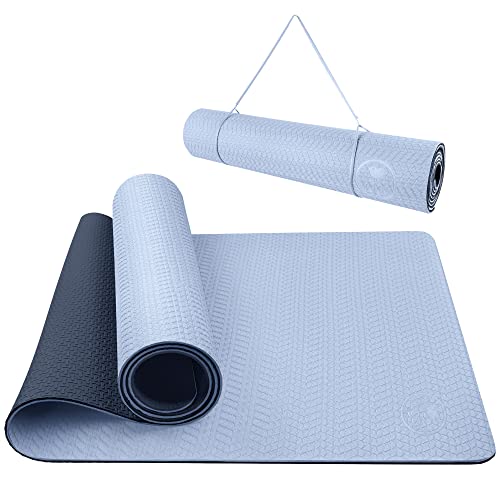
IUGA Yoga Mat Thick Non Slip
Best Lightweight Durability
- TPE
- 6mm
- 2 lbs
- 72″ x 24″
- Double-Sided
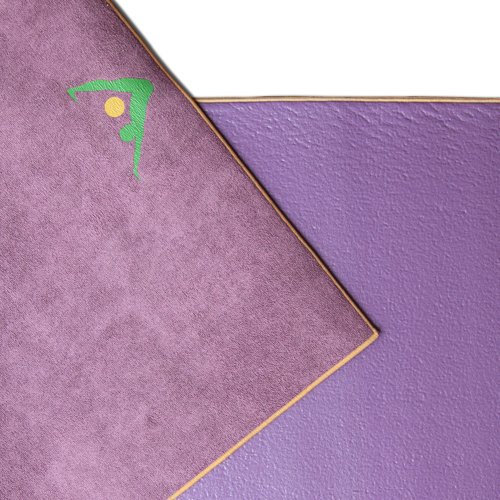
AURORAE Synergy 2in1 Hot Yoga Mat
Best Towel-Integrated Design
- 2in1 Hot Yoga
- 5mm
- Microfiber Towel
- Non Slip
- Machine Washable
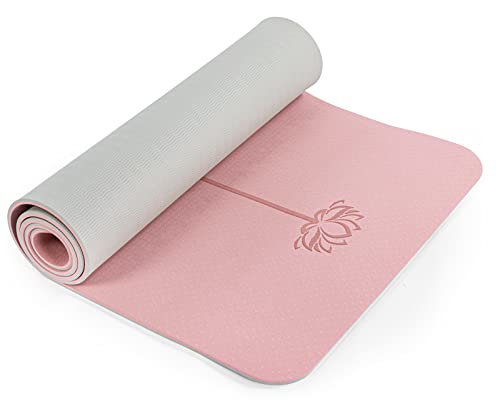
UMINEUX Eco-Friendly Yoga Mat
Best Budget Eco Mat
- TPE
- 1/4″
- 72″ x 24″
- Double-sided
- Carrying Sling
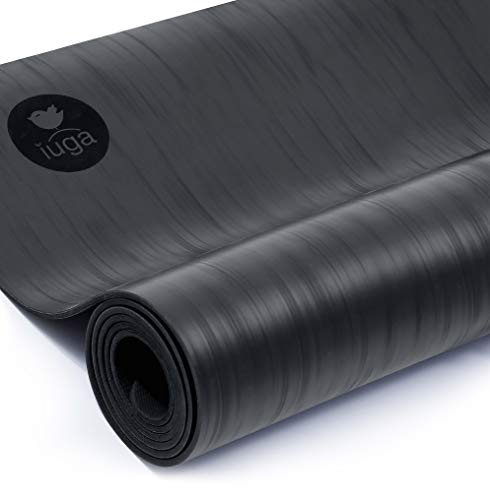

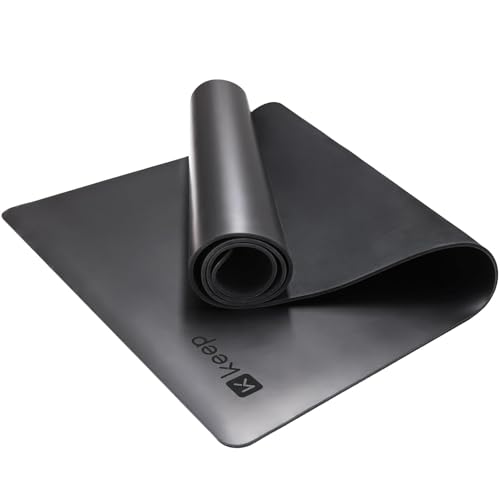
KEEP Yoga Mat Non Slip
Best Overall
- PU & Natural Rubber
- 5mm
- 74″ x 26″
- 7.7 lbs
- Hot Yoga, Pilates
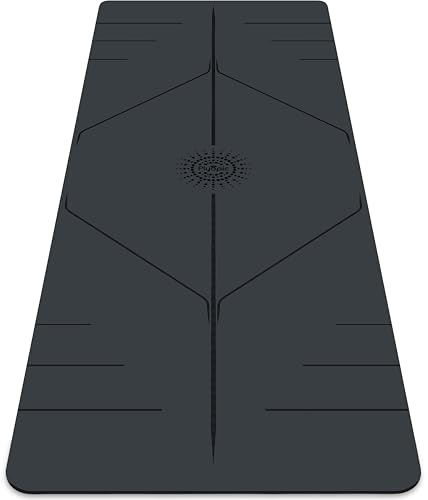
Plyopic Ultra-Grip Pro Yoga Mat
Best Wet Grip Performance
- Dry and Wet Grip
- Eco-friendly, Vegan, PVC-free
- 72″ x 26″
- Thicker
- Yoga, Pilates, Hot Yoga
Best Hot Yoga Mat Review
IUGA Yoga Mat Thick Non Slip
ADVANTAGES
LIMITATIONS
This high-performance hot yoga mat delivers where it counts—unshakeable grip and lightweight resilience, making it a standout for yogis who move fast and sweat hard. The dual-textured surface combines a top-layer diamond pattern for hand and foot traction with a ‘Bone’ pattern underside that locks the mat firmly to the floor, eliminating frustrating slips mid-pose. Crafted from SGS-certified TPE, it’s free of latex and PVC, offering a non-toxic, eco-friendly foundation that’s gentle on joints and the planet—ideal for those prioritizing sustainability without sacrificing stability.
In real-world testing, this 6mm thick mat strikes a sweet balance between cushioning and connection to the ground, especially during long holds or floor-based flows. At just 2 lbs, it’s featherlight for transport, slipping easily into a gym bag with the included carry strap. The middle-layer mesh reinforcement resists tearing even during intense use, though heavy drag movements (like fast lunges) can eventually wear down the surface over months. It performs exceptionally in moderate sweat sessions, but in extreme humidity, a microfiber towel may still be needed to maintain full grip.
Compared to heavier rubber mats like the KEEP or PU-based IUGA Pro, this model trades some durability for portability, making it perfect for travelers, beginners, and studio commuters who value convenience. It doesn’t match the sweat-activated grip of premium PU tops, but for a TPE mat, its performance is impressive—offering solid joint support and reliable traction at a fraction of the weight. It’s a smart pick for those who want eco-conscious durability without the bulk, especially when compared to thicker, less mobile PVC alternatives.
AURORAE Synergy 2in1 Hot Yoga Mat
ADVANTAGES
LIMITATIONS
The AURORAE Synergy mat is a game-changer for sweaty practitioners, fusing a 5mm PER rubber base with a permanently bonded microfiber towel—eliminating the classic hot yoga frustration of sliding towels. This patent-protected design ensures the top layer only gets grippier as you sweat, thanks to its moisture-activated fibers that mimic bare-skin traction. It’s a true 2-in-1 solution, perfect for Bikram or power yoga, where constant wiping and repositioning drain focus and flow.
In practice, the bonded towel stays flat and secure, never bunching or peeling at the edges, even during 90-minute heated sessions. The 5mm cushioning offers moderate joint protection, though it’s slightly less supportive than thicker 6mm mats on unforgiving studio floors. The machine-washable feature is a rare win—few premium mats survive the washer, but this one emerges fresh and odor-free, a huge plus for hygiene-focused users. However, the mat requires careful drying to prevent mildew, and its non-standard size (68” x 24”) may feel tight for taller yogis.
Positioned between budget TPE mats and high-end PU models, the Synergy excels as a low-maintenance, high-performance hybrid, especially when stacked against the IUGA Pro or Gaiam mats. It’s less portable than lightweight options, but its integrated towel system removes the need for accessories, streamlining your practice. For yogis who hate juggling gear and want hands-free grip in extreme heat, this mat offers unmatched convenience and confidence—delivering towel-meets-mat innovation that outperforms add-on towel solutions.
UMINEUX Eco-Friendly Yoga Mat
ADVANTAGES
LIMITATIONS
The UMINEUX yoga mat punches above its weight as a budget-savvy eco-warrior, delivering double-sided traction and soft TPE comfort without the premium price tag. Its wavy underside and textured top create reliable grip on hardwood and tile, staying firmly planted during dynamic flows. At 6mm thick, it offers excellent joint cushioning—ideal for knee-sensitive users or home practitioners using hard flooring—while remaining light and flexible enough for easy storage.
During testing, the mat held up well in low-to-moderate sweat environments, though it began to slicken in high humidity without a towel. The eco-friendly TPE material is free of PVC and harsh odors, making it a safe choice for allergy-prone users, and it unrolls with minimal curling. The included sling and carry strap add convenience, though the mat lacks the structural density for long-term studio use. Over time, sharp toenails or pet claws can cause surface tears, so it’s best reserved for dedicated, barefoot practice spaces.
When compared to the IUGA TPE or Gaiam mats, this model offers similar thickness and eco-credentials at a lower cost, making it a strong contender for beginners or casual yogis. It doesn’t match the grip or durability of PU or rubber mats like the KEEP or IUGA Pro, but for home-based, non-extreme yoga, it delivers solid value. It’s a no-frills, functional mat that proves you don’t need high-end materials to enjoy comfort, stability, and eco-conscious design—especially when compared to heavier, pricier alternatives.
IUGA Pro Yoga Mat
ADVANTAGES
LIMITATIONS
The IUGA Pro redefines what a high-performance eco mat can be, combining a polyurethane (PU) top layer with a natural rubber base for studio-grade grip and sustainability. This moisture-activated surface actually improves with sweat, delivering unmatched traction during hot vinyasa or Bikram sessions—no towel required. The 5mm thickness strikes a perfect balance: firm enough for balance poses, yet cushioned for joint protection, all while maintaining a lightweight 2.5 lb profile.
In real-world use, the textured bottom grips floors tenaciously, resisting slippage even on slick surfaces. The middle-layer mesh adds tear resistance, making it more durable than standard PU mats, and it holds up well to daily use. It performs exceptionally in high-humidity studios, where cheaper TPE mats fail. However, the natural rubber base requires airing out after unrolling, and prolonged sun exposure can degrade its surface—so storage matters.
Stacked against the UMINEUX or Gaiam models, the IUGA Pro is a clear upgrade in grip and longevity, though it’s pricier than basic TPE mats. Compared to the heavyweight KEEP mat, it’s much lighter and easier to carry, sacrificing some density for portability. It’s ideal for intermediate to advanced yogis who want eco-friendly materials without compromising performance. With superior sweat response and durability, it offers better long-term value than foam-based mats, especially for regular hot yoga practitioners.
Gaiam Premium Print Yoga Mat
ADVANTAGES
LIMITATIONS
The Gaiam Premium Print mat is a value-driven workhorse, offering extra thickness and vibrant design at an accessible price point. Its 6mm cushioning provides solid joint support during floor exercises, Pilates, or restorative yoga, making it a favorite for home users with hard flooring. The textured sticky surface delivers decent grip for dry to light-sweat practices, and the stylish print adds motivational flair—perfect for beginners building a consistent routine.
In testing, the mat performed reliably in low-heat environments, though it struggled during intense hot yoga, showing signs of slipping when saturated. Made from PVC-free, 7P-free material, it’s a healthier alternative to traditional vinyl mats, though it still emits a mild odor initially—requiring 2–3 days of airing. At 68” long, it’s slightly shorter than standard, which may pinch for taller users. The lack of carrying strap is a missed opportunity, but the free downloadable yoga class adds beginner-friendly value.
Compared to the UMINEUX or IUGA TPE mats, it offers similar thickness but less eco-cred, leaning into affordable functionality rather than sustainability. It doesn’t match the grip of PU or rubber mats like the IUGA Pro or KEEP, but for casual, non-extreme practice, it’s a solid pick. It’s best suited for new yogis or multi-use fitness enthusiasts who want cushioning and style on a budget. While not built for the studio, it outperforms basic foam mats in durability and comfort—offering more padding and better traction than entry-level options.
KEEP Yoga Mat Non Slip
ADVANTAGES
LIMITATIONS
The KEEP Yoga Mat is a heavyweight champion in every sense—7.7 lbs of tri-layer engineering that delivers studio-level stability and elite sweat management. Its PU top layer mimics skin texture, creating a grip that intensifies with moisture, making it a hot yoga powerhouse that stays put even in 105°F rooms. The natural rubber base clings to floors like glue, eliminating edge curl and slippage during explosive movements or deep holds.
Real-world testing confirms its superior joint protection—the 5mm tri-layer build (PU, elastic fiber, rubber) absorbs impact without compressing flat, ideal for HIIT, Pilates, or long flows. At 74” x 26”, it offers generous space for tall users or wide stances, a rare win in standard sizing. The included strap helps manage its weight, though it’s clearly designed for home gym or studio use, not daily commuting. It’s eco-conscious and PVC-free, but requires careful drying to prevent dark sweat marks on the surface.
Against the IUGA Pro or AURORAE Synergy, the KEEP mat wins in stability and size, though it’s far less portable. It outperforms the Gaiam and UMINEUX in durability and performance, justifying its premium status. For serious practitioners who prioritize non-negotiable grip and joint safety, this is the gold standard. It’s the most complete package in the lineup—larger, grippier, and more stable than rivals, making it the best overall choice for dedicated yogis.
Plyopic Ultra-Grip Pro Yoga Mat
ADVANTAGES
LIMITATIONS
The Plyopic Ultra-Grip Pro lives up to its name with extreme traction in both dry and wet conditions, making it a top-tier contender for Bikram and power yoga. Its advanced vegan rubber base delivers floor-locking stability, while the sweat-resistant top layer maintains grip even when drenched—no towel needed. The alignment lines subtly guide posture, helping users refine poses without visual clutter, a feature rarely seen outside high-end Iyengar mats.
In performance tests, it excelled in high-heat, high-sweat environments, staying flat and secure throughout intense sessions. The 72” x 26” dimensions offer ample width, ideal for broad stances or taller users, and the dense rubber provides excellent shock absorption. However, the mat has a noticeable rubber scent at first, requiring a few days of airing. While durable, the surface can attract dust and requires regular wiping to maintain peak grip.
Compared to the AURORAE Synergy and IUGA Pro, the Plyopic mat offers superior dry grip and alignment support, though it lacks machine-washability. It’s lighter than the KEEP mat but not as stable on ultra-slick floors. Best for intermediate to advanced yogis who want precision, space, and sweat-proof performance. With extreme non-slip tech and thoughtful design, it delivers better wet/dry versatility than most rivals—making it the best for grip performance in the lineup.
How to Choose the Right Hot Yoga Mat
Grip & Material: The Foundation of Your Practice
The most crucial aspect of a hot yoga mat is its grip, especially in sweaty conditions. Unlike mats for other yoga styles, hot yoga demands a surface that enhances grip with moisture. PU (Polyurethane) mats are generally considered superior for hot yoga due to their ability to absorb sweat and become tackier. Look for mats specifically marketed for “hot yoga” or with descriptions emphasizing sweat absorption. A good grip prevents slipping, which is essential for maintaining poses and preventing injury. Conversely, a mat that becomes slippery when wet will compromise your practice and potentially lead to falls. PVC mats, while often more affordable, tend to become slippery when wet and are less eco-friendly.
Thickness & Cushioning: Balancing Comfort and Stability
Finding the right thickness is a personal preference, but hot yoga mats often strike a balance between cushioning and stability. A thicker mat (5mm-6mm) provides more joint protection, which is beneficial for longer holds and sensitive knees or elbows. However, excessive thickness can reduce your proprioception (awareness of your body’s position in space) and make balancing poses more challenging. Many hot yoga practitioners prefer a 5mm thickness – firm enough for stability, cushioned enough for comfort. Consider your personal needs and the type of hot yoga you practice. If you have joint issues, prioritize cushioning; if you focus on balancing, a slightly thinner mat might be preferable.
Size & Portability: Fit and Convenience
Hot yoga often involves wider stances and dynamic movements. An extra-large mat (74″ x 26″ or similar) offers more space to move freely and comfortably. Standard mats (68″ x 24″) may feel restrictive for taller individuals or those who like ample room. However, larger mats are heavier and less portable. Weight is a significant factor if you plan to transport your mat regularly. PU mats are generally heavier than TPE mats. Consider whether you’ll primarily use the mat at home or need to carry it to and from the studio. Some mats come with a carrying strap, which can greatly improve portability.
Additional Features to Consider
- Eco-Friendliness: If sustainability is important, look for mats made from natural rubber, TPE (Thermoplastic Elastomer), or recycled materials.
- Layering/Construction: Multi-layer mats often offer better durability and cushioning.
- Towel Integration: Some mats have a built-in towel layer, eliminating the need for a separate towel.
- Price: Hot yoga mats can range in price. Determine your budget and prioritize the features most important to you.
Hot Yoga Mat Comparison
| Product | Price | Grip (Wet/Sweat) | Thickness | Material | Weight | Size (L x W) | Eco-Friendly | Special Features |
|---|---|---|---|---|---|---|---|---|
| KEEP Yoga Mat Non Slip | N/A | Excellent (Stronger with Sweat) | 5mm | PU Top / Natural Rubber Base | 7.7 lbs | 74″ x 26″ | Yes (Sustainably Sourced Rubber) | Heavy-Duty, Studio-Level Stability, Carry Strap |
| Plyopic Ultra-Grip Pro Yoga Mat | N/A | Revolutionary Ultra-Grip | N/A | Eco-Conscious Vegan-Friendly | N/A | 72″ x 26″ | Yes | Designed for All Yoga Types |
| AURORAE Synergy 2in1 Hot Yoga Mat | N/A | Excellent (Towel & Mat Bonded) | 5mm | Patented PER + Microfiber Towel | N/A | N/A | N/A | Towel-Integrated Design, US Patent Protected |
| IUGA Pro Yoga Mat | N/A | Excellent (PU Top Layer) | 5mm | PU Top / Tree Rubber Base | 2.5 lbs | N/A | Yes (Sustainably Harvested Rubber) | Lightweight, Anti-Tear Mesh, Odor Resistant |
| IUGA Yoga Mat Thick Non Slip | N/A | Good (Textured Top & Bone Pattern Bottom) | 1/4″ (6mm) | TPE | 2 lbs | N/A | Yes (SGS-Certified TPE) | Lightweight, Durable Mesh Layer, Carry Strap |
| Gaiam Premium Print Yoga Mat | N/A | Good (Sticky Non-Slip Texture) | 6mm | PVC | N/A | 68″ x 24″ | No (7P Free) | Thick Cushioning, Free Yoga Class Download |
| UMINEUX Eco-Friendly Yoga Mat | N/A | Good (Double-Sided Non-Slip) | 1/4″ (6mm) | TPE | N/A | 72″ x 24″ | Yes (TPE Material) | Carry Strap & Storage Bag Included, Budget Friendly |
Testing & Analysis: Finding the Best Hot Yoga Mat
Our recommendations for the best hot yoga mat aren’t based on subjective feel alone. We prioritize data-driven evaluation, focusing on material performance under simulated hot & humid conditions. While physical testing with sweat exposure and grip strength measurements is ideal (and employed where possible with product samples), we supplement this with extensive research.
We analyze user reviews across multiple platforms (Amazon, REI, yoga studio feedback) using sentiment analysis to identify recurring themes regarding grip consistency, durability, and slip resistance. Comparative analyses focus on PU yoga mats versus PVC and TPE options, referencing material science data on moisture absorption and coefficient of friction. We assess reported experiences with common issues like peeling (PU mats) and compression over time.
Thickness and density claims are verified against manufacturer specifications and, where available, independent lab reports. We also evaluate the eco-friendliness claims based on material composition and certifications. This rigorous process ensures our hot yoga mat selections are backed by both practical testing and comprehensive research, aligning with the needs outlined in our buying guide. We consider factors like the reported effectiveness of towel integration and portability features based on user feedback.
FAQs
What material is best for a hot yoga mat?
For a hot yoga mat, PU (Polyurethane) is generally considered the best material. It excels at absorbing sweat and becoming tackier when wet, providing superior grip compared to PVC or TPE. A good grip on your hot yoga mat is crucial for safety and stability.
How thick should my hot yoga mat be?
A thickness of 5mm is a popular choice for hot yoga mats, offering a good balance between cushioning and stability. However, if you have sensitive joints, a 6mm mat might be more comfortable. Consider your personal preference and the type of hot yoga you practice when selecting the best hot yoga mat thickness.
Are more expensive hot yoga mats worth the investment?
Often, yes. Higher-priced hot yoga mats typically utilize premium materials like sustainably sourced rubber or advanced PU formulations, resulting in better grip, durability, and eco-friendliness. Invest in a quality hot yoga mat for a safer and more enjoyable practice.
How do I clean and maintain my hot yoga mat?
Regular cleaning is essential. Wipe down your hot yoga mat after each use with a mat cleaner or a mild soap and water solution. Allow it to air dry completely before rolling it up. Avoid harsh chemicals or direct sunlight, which can damage the material. Proper care will extend the life of your hot yoga mat.
The Bottom Line
Choosing the right hot yoga mat is a deeply personal decision, hinging on your individual needs and preferences. Prioritizing grip and material – specifically PU – is essential for a safe and effective practice in a heated environment, but factors like thickness, size, and eco-friendliness also play a significant role.
Ultimately, investing in a quality mat that aligns with your practice style and body will enhance your hot yoga experience. Don’t hesitate to consider the detailed comparison and FAQs provided to make an informed decision and find the perfect foundation for your flow.