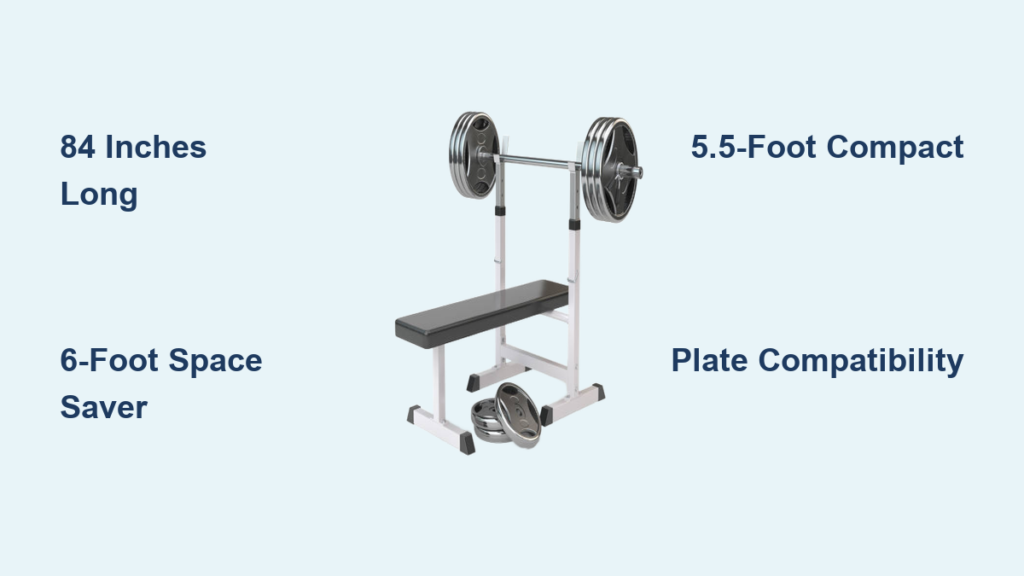
If you’ve ever set up a home gym or wondered why your plates don’t fit properly, you’ve likely asked yourself “how long is a weight bench bar” and discovered the answer isn’t as straightforward as you thought. The standard Olympic weight bench bar measures 84 inches (7 feet), but multiple length variations exist to accommodate different training spaces, lifting styles, and user preferences. This seemingly simple question actually reveals important considerations about equipment compatibility, space requirements, and training effectiveness that directly impact your lifting experience.
Understanding the precise length of your weight bench bar prevents frustrating mismatches between bars and plates, ensures safe training in your available space, and helps you select equipment that supports your specific fitness goals. Whether you’re a beginner setting up your first home gym or an experienced lifter optimizing your training environment, knowing the exact dimensions and their implications saves time, money, and potential workout interruptions. This guide cuts through the confusion by detailing every standard bar length, how to measure your existing equipment, and which size best serves your unique training situation.
Standard 7-Foot Olympic Barbell Dimensions Explained
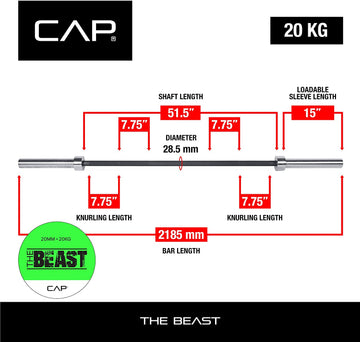
The 84-inch (7-foot) Olympic barbell represents the industry standard used in commercial gyms, competitions, and serious home setups worldwide. This measurement includes both the center shaft where you grip and the rotating sleeves where plates attach, creating a balanced design optimized for multiple lifting disciplines. Men’s Olympic bars typically weigh 45 pounds (20 kg), while women’s versions weigh 33 pounds (15 kg), with slight differences in shaft diameter and overall length.
Why 7 Feet Became the Standard Length
The seven-foot measurement wasn’t chosen arbitrarily—it solves multiple practical problems for lifters. This length provides sufficient grip space for various hand positions during bench press, overhead press, and squats while maintaining proper weight distribution. The extended sleeves accommodate standard 45-pound Olympic plates with room for additional loading, allowing lifters to progress toward heavier weights without equipment limitations.
Benefits of the Full-Length Olympic Bar
The 84-inch standard creates universal compatibility across gyms and equipment manufacturers. When you walk into any commercial facility or serious home gym, the seven-foot bar ensures your plates will fit properly regardless of brand. This length also provides the optimal amount of “whip” or flex during Olympic lifts, which experienced lifters utilize for momentum during explosive movements like cleans and snatches. The standardization means you can train anywhere with consistent equipment, making it ideal for competitive lifters who need familiar equipment during competitions.
Space-Saving Alternatives: 6-Foot and 5.5-Foot Bars
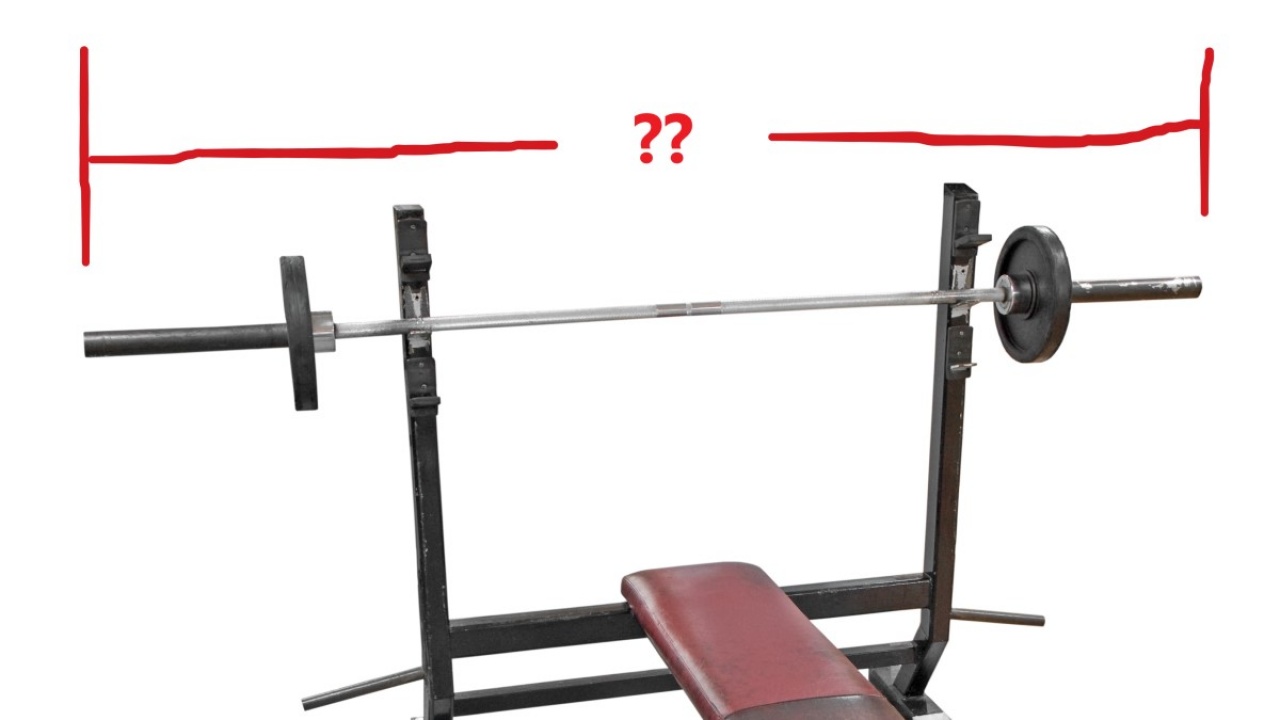
When your workout space measures less than ten feet in any direction, the standard seven-foot bar becomes impractical. Six-foot (72-inch) bars emerged as the most popular solution for home gym owners with limited square footage, offering a practical compromise between functionality and space efficiency.
How 6-Foot Bars Impact Your Training
Six-foot bars work effectively for most pressing movements but require adjustments to your plate selection. Standard 45-pound Olympic plates often fill the entire sleeve length before reaching heavier weights, forcing many users to switch to 25-pound plates or specialized bumper plates with smaller diameters. The reduced overall length also decreases bar flex during lifts, which some lifters prefer for precision movements like bench press where whip might interfere with stability.
Compact 5.5-Foot Bars for Extreme Space Constraints
For apartment dwellers or those with truly minimal workout areas, 5.5-foot (66-inch) bars provide the ultimate space-saving solution. These compact bars typically require dedicated plate sets with smaller diameters, as standard Olympic plates won’t fit properly without contacting each other. While not suitable for competitive training, these bars enable effective strength maintenance in environments where even a six-foot bar would be impractical. Many users report successfully building strength with these shorter bars when paired with appropriate plate selections and realistic weight progression plans.
Critical Diameter Specifications Beyond Bar Length
Length alone doesn’t determine bar compatibility—sleeve and shaft diameters play equally important roles in how your equipment functions together. Most standard Olympic weight bench bars feature a 2-inch (50mm) sleeve diameter that accepts standard Olympic plates with matching 50mm center holes.
How Shaft Diameter Affects Your Grip
The shaft diameter—the part you actually grip during lifts—typically measures either 1 inch or 1.125 inches (28-30mm). Most modern Olympic bars use the slightly thicker 1.125-inch shaft, which provides better knurling bite and comfort for average to larger hand sizes. Some specialty bars or older equipment may feature the thinner 1-inch shaft, which feels different in the hand but remains fully functional for general lifting purposes.
Sleeve Length Variations by Bar Size
The portion of the bar where plates load (the sleeve) varies significantly between bar lengths:
– 7-foot bars: Approximately 16 inches of usable sleeve length per side
– 6-foot bars: Roughly 13 inches of sleeve length
– 5.5-foot bars: About 11 inches of sleeve length
This sleeve length directly impacts how much weight you can load before plates contact each other or the bar end caps. Understanding these measurements prevents the frustration of purchasing plates that won’t fit your specific bar.
Measuring Your Weight Bench Bar Accurately
If you’re trying to determine how long is a weight bench bar you already own, proper measurement technique ensures you get accurate specifications for future equipment purchases.
Step-by-Step Measurement Process
Grab a metal tape measure (cloth versions stretch over time) and follow these steps:
1. Measure from end cap to end cap along the bar’s centerline
2. Record the total length in both inches and centimeters
3. Measure the sleeve diameter using calipers at the smooth section near the plate loading area
4. Measure your plates’ center holes to confirm compatibility
Common Measurement Mistakes to Avoid
Many users accidentally measure only the shaft length, excluding the sleeves, which creates confusion when comparing to standard specifications. Others measure from the edge of the knurling to the end, which doesn’t represent the total usable length. Always measure the complete bar from physical end to physical end, including any end caps or collars.
Space Planning: How Bar Length Affects Your Gym Layout
The length of your weight bench bar directly determines your minimum required workout space dimensions. A seven-foot bar needs approximately eight feet of clearance in the direction of movement to prevent wall contact during exercises like overhead press or bent-over rows.
Minimum Space Requirements by Bar Length
- 7-foot bar: Requires 10×10 foot space minimum for safe movement
- 6-foot bar: Can function in 8×8 foot areas with careful equipment placement
- 5.5-foot bar: Fits in 6×6 foot spaces, ideal for apartment balconies or small closets
When positioning your bench against a wall, remember that a seven-foot bar extends 3.5 feet beyond each end of the bench when racked. This overhang must clear walls, mirrors, or other equipment by at least six inches to prevent dangerous collisions during lifts.
Plate Compatibility Issues by Bar Length

Length directly impacts which plates will work with your bar. Standard 45-pound Olympic plates have a 17-inch diameter, which consumes significant sleeve space on shorter bars.
Loading Capacity Comparison
- 7-foot bar: Accommodates 800+ pounds with standard plates
- 6-foot bar: Maxes out around 400-500 pounds with standard plates
- 5.5-foot bar: Limited to 200-300 pounds with standard plates
Many six-foot bar owners switch to 25-pound plates or specialized bumper plates with smaller diameters to maximize loading capacity. Attempting to load standard Olympic plates on five-and-a-half-foot bars often results in plates contacting each other before reaching meaningful weights, rendering standard plates essentially unusable.
Specialty Bars: Technique and Competition Variations
Beyond standard lengths, specialty bars serve specific training purposes with carefully engineered dimensions.
Technique Bars for Beginners
Lightweight technique bars (15-25 pounds) typically measure 5-6 feet, making them ideal for learning proper form without the intimidation of heavier weights. The shorter length and reduced weight allow beginners to focus on movement patterns before progressing to full Olympic bars.
Women’s Olympic Bars
Officially sanctioned women’s Olympic bars measure approximately 82.6 inches—slightly shorter than men’s bars—with a 25mm shaft diameter instead of the standard 28-30mm. These modifications accommodate typically smaller hand sizes while maintaining competition legality.
Deadlift-Specific Bars
For competitive deadlifters, specialized bars measure 90-92 inches—significantly longer than standard Olympic bars. This extra length creates additional whip or flex that experienced lifters utilize for bounce off the floor during maximal attempts.
Choosing Your Ideal Weight Bench Bar Length
The right bar length depends on three critical factors: your available space, lifting goals, and experience level.
Space-Constrained Home Gyms
Measure your available floor space before purchasing—don’t just measure the room dimensions. Account for the bar’s full swing radius during exercises like overhead presses where the bar moves through a wide arc. If your space measures less than 8 feet in any direction, start with a six-foot bar to avoid constant wall collisions.
Performance-Focused Lifters
If you’re training for strength competitions or serious personal records, invest in a standard seven-foot Olympic bar despite space challenges. The universal compatibility, maximum loading capacity, and proper whip characteristics make this the only sensible choice for performance-oriented training. Consider rearranging your living space or investing in specialized storage solutions to accommodate the proper equipment.
Beginners and Casual Lifters
New lifters often benefit from starting with shorter, lighter bars that allow focus on form without the intimidation of heavy weights. A five or six-foot technique bar provides most benefits of barbell training in a more approachable package. As technique improves and strength develops, transitioning to longer bars becomes a natural progression.
Final Decision Checklist for Bar Length Selection
Before purchasing any weight bench bar, answer these critical questions to determine how long is a weight bench bar you actually need:
- What are the exact dimensions of my workout space, including ceiling height?
- What is my current lifting experience and future strength goals?
- Which plate sets do I already own or plan to purchase?
- Will I need to store the bar when not in use, and where?
The seven-foot Olympic bar remains the gold standard for serious training, but shorter options serve legitimate purposes when space constraints make the standard bar impractical. Neither choice represents inferior equipment—just different tools designed for different circumstances. Select the bar length that best supports your specific training environment and goals, and you’ll create an enjoyable, effective workout experience for years to come.