You’ve probably walked into a gym, approached the bench press station, and wondered exactly what you’re lifting when you grab that bar. For beginners especially, the confusion around bench press bar weights creates unnecessary uncertainty—some bars feel lighter than others, and without knowing the starting weight, your progress tracking becomes guesswork. Understanding precisely how much your bench press bar weighs is fundamental to proper programming, accurate record-keeping, and achieving consistent strength gains. Whether you’re just starting your fitness journey or fine-tuning your powerlifting routine, this guide reveals exactly what you’re lifting off the rack and how to select the right bar for your specific training needs.
Standard Olympic Bench Press Bar Weight
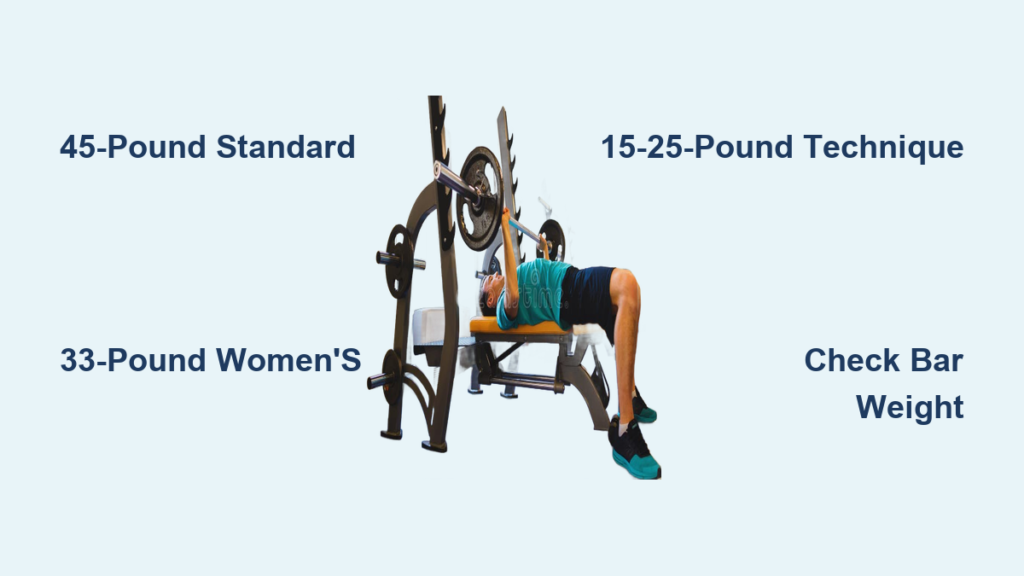
When most people ask “how much does a bench press bar weigh,” they’re referring to the standard Olympic barbell found in nearly every commercial gym. This essential piece of equipment weighs precisely 45 pounds (20 kilograms), establishing the baseline for most strength training programs in the United States. The 45-pound weight isn’t arbitrary—it’s designed to work seamlessly with standard weight plates that increment in 10, 25, and 45-pound increments, creating logical progression paths for lifters of all levels.
What Makes an Olympic Bar Different?
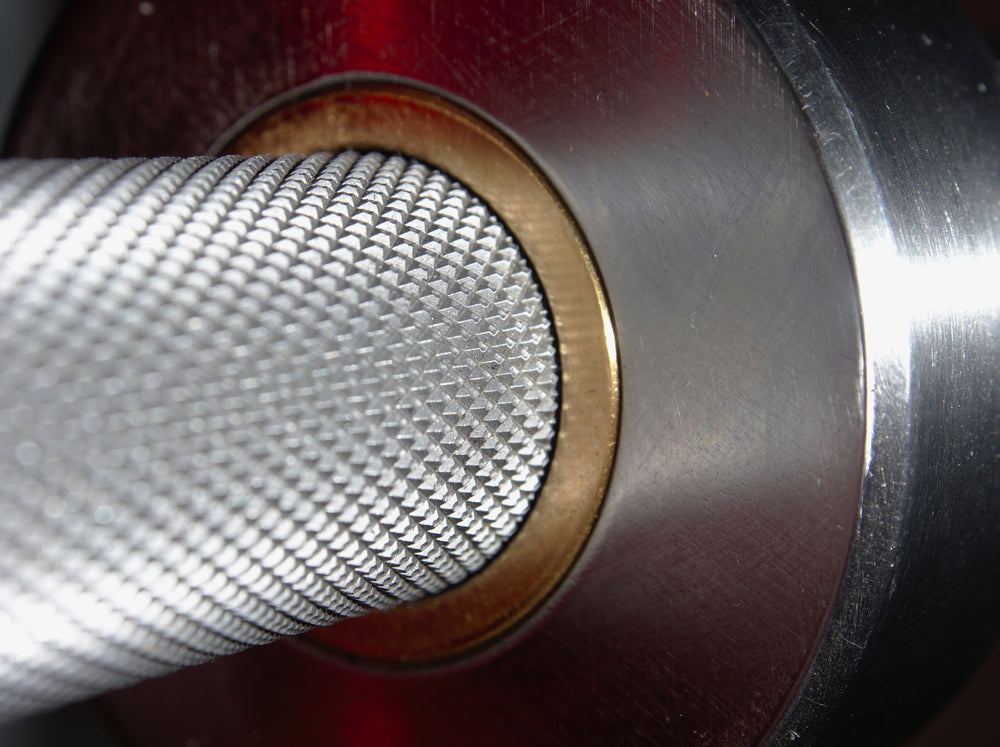
Olympic bars feature specific engineering characteristics that distinguish them from other weightlifting equipment. They measure approximately 7.2 feet long with rotating sleeves that allow the bar to spin during lifts, reducing stress on your wrists during bench press repetitions. The shaft diameter typically falls between 28-29mm, providing a comfortable grip for most hand sizes while maintaining sufficient stiffness for heavy loads. The knurling pattern—those textured grooves along the bar—creates crucial grip points that help you maintain consistent hand placement on every set. When you see those distinctive Olympic rings etched near the sleeves, you know you’re working with equipment that meets international competition standards.
Why the 45-Pound Standard Matters for Your Bench Press
That 45-pound starting weight significantly impacts your training calculations. If you load 45-pound plates on each side, you’re actually lifting 135 pounds total (45-pound bar + 90 pounds of plates). Many beginners mistakenly count only the plates, leading to inaccurate progress tracking and potentially overestimating their strength. Understanding this baseline prevents programming errors and ensures you’re following appropriate percentage-based training protocols. For competitive powerlifters, knowing the exact bar weight becomes even more critical when calculating opener attempts for competitions where every pound counts.
Women’s Olympic Bar Weight Specifications
Female lifters benefit from specialized equipment designed for physiological differences, and the women’s Olympic barbell represents a crucial adaptation. This bar weighs 33 pounds (15 kilograms), creating a more accessible starting point for developing proper bench press technique without unnecessary strain. The reduced weight proves particularly valuable for beginners who might otherwise struggle with the standard 45-pound bar, allowing them to focus on form mastery before adding significant load.
Key Differences in Women’s Bars
Beyond the weight difference, women’s Olympic bars feature a thinner 25mm shaft diameter compared to the standard 28-29mm men’s bars. This seemingly small difference dramatically improves grip comfort for individuals with smaller hands, reducing forearm fatigue during sets. The overall length also decreases slightly to approximately 7 feet, while maintaining sufficient sleeve length for standard plate loading. Many commercial gyms now prominently feature these women’s bars in their equipment lineup, recognizing their value for proper technique development and injury prevention.
Technique and Training Bar Alternatives

Not every lifter should begin with a 45-pound bar, which is why specialty bars exist in various weight classes to support different training phases and experience levels. These alternatives serve specific purposes that can accelerate your progress when used appropriately in your programming.
Light Technique Bars (15-25 Pounds)
Beginners often benefit significantly from starting with technique bars weighing between 15 and 25 pounds. These bars typically measure 5-6 feet in length with a much thinner shaft diameter (often 20mm or less), creating a manageable learning tool for mastering proper bench press mechanics. By eliminating the challenge of controlling heavy weight, technique bars allow you to focus entirely on critical elements like scapular retraction, proper bar path, and consistent breathing patterns. Many experienced coaches recommend spending several weeks developing flawless technique with a 15-pound bar before progressing to heavier equipment.
Training Bars (25-35 Pounds)
Training bars bridge the gap between technique bars and full Olympic bars, typically weighing 25-35 pounds. These serve multiple purposes: they work well as warm-up bars before heavy sets, provide appropriate resistance for high-repetition hypertrophy work, and offer a suitable progression step for lifters transitioning from technique bars to standard Olympic bars. Some manufacturers produce 35-pound “hybrid” bars that combine women’s bar weight with men’s bar dimensions, creating versatile equipment for various training applications and multiple users in home gym settings.
Competition Bar Specifications
Powerlifting and weightlifting competitions use specialized bars with extremely tight manufacturing tolerances, and understanding these specifications matters if you plan to compete. While standard gym bars might vary by several ounces, competition bars must meet exacting standards to ensure fairness across platforms.
Powerlifting Competition Bars
IPF-approved powerlifting bars weigh exactly 45 pounds with a tolerance of only 100 grams. These bars feature more aggressive knurling patterns than standard gym equipment, particularly at the “powerlifting mark” in the center of the bar, which helps competitors find consistent hand placement for each attempt. The shaft diameter measures precisely 29mm, affecting how the bar feels in your hands during maximal lifts. Elite powerlifters often train with competition-spec bars to prepare their technique and grip for the exact equipment they’ll face on competition day.
Olympic Weightlifting Bars
While not typically used for bench press, Olympic weightlifting bars follow similar but distinct specifications. These bars weigh 20 kilograms (44.1 pounds) with tighter tolerances and feature a slightly thinner 28mm shaft diameter designed for the dynamic movements of the snatch and clean and jerk. The sleeves rotate more freely than powerlifting bars to accommodate the rapid loading and unloading that occurs during Olympic lifting attempts.
Regional and Brand Variations You’ll Encounter

Gym equipment varies considerably across different regions and manufacturers, creating subtle but meaningful differences in the bars you’ll encounter. American commercial gyms almost universally use 45-pound Olympic bars, while European and Asian facilities more frequently employ the metric 20-kilogram standard (44.1 pounds), creating a minor but noticeable difference when calculating precise training percentages.
Major Manufacturer Differences
Rogue Fitness dominates the American market with bars ranging from entry-level models to elite competition equipment. Eleiko, a Swedish manufacturer, produces bars favored by many international competitions with distinctive knurling patterns. Budget brands like CAP offer affordable options but typically feature lower-quality steel and less precise tolerances. The finish coating—black oxide, chrome, zinc, or bare steel—affects grip texture and corrosion resistance, with bare steel providing the best grip but requiring regular maintenance to prevent rust.
Choosing the Right Bar for Your Bench Press Goals
Selecting appropriate bench press bar weight depends on your experience level, training goals, and the specific demands of your fitness program. Beginners should generally start with the lightest practical bar—typically a 15-pound technique bar—to develop proper mechanics before adding significant load. The 45-pound Olympic bar should become your primary training tool once you’ve mastered technique with lighter weights.
Progression Strategy for Different Experience Levels
Novice lifters benefit from spending several weeks perfecting form with technique bars before progressing to heavier equipment. Intermediate lifters typically train with standard Olympic bars but may incorporate lighter bars for specific training purposes like speed work or high-repetition technique practice. Advanced powerlifters often match their training bar specifications to competition equipment, including shaft diameter, knurling pattern, and sleeve rotation characteristics.
Key Takeaways for Bench Press Success
Understanding bench press bar weights empowers you to make informed decisions about your training equipment and progress appropriately through your strength development journey. The standard 45-pound Olympic bar serves as the benchmark for most commercial gyms, while women’s 33-pound bars and technique bars between 15-25 pounds offer accessible options for beginners and specialized training purposes. When calculating your total lifted weight, always remember to include the bar weight in your totals—this simple practice prevents programming errors and ensures accurate progress tracking.
Choose a bar weight appropriate for your current strength level and training goals, prioritizing proper technique development before pursuing heavy loads. Whether you’re just starting out or preparing for competition, knowing exactly how much your bench press bar weighs transforms guesswork into precise, measurable progress toward your strength goals.