Your yoga mat absorbs hundreds of hours of your practice—sweat, skin cells, and environmental debris accumulate with every downward dog and warrior pose. Without proper maintenance, these elements break down your mat’s material, causing premature wear, unpleasant odors, and compromised grip that can disrupt your practice. A well-maintained mat provides better traction, cushioning, and hygiene, transforming your practice space into a truly supportive foundation. This guide delivers specific, actionable techniques for keeping your mat fresh and functional regardless of material type or practice frequency.
How to Clean Yoga Mat After Every Practice Session
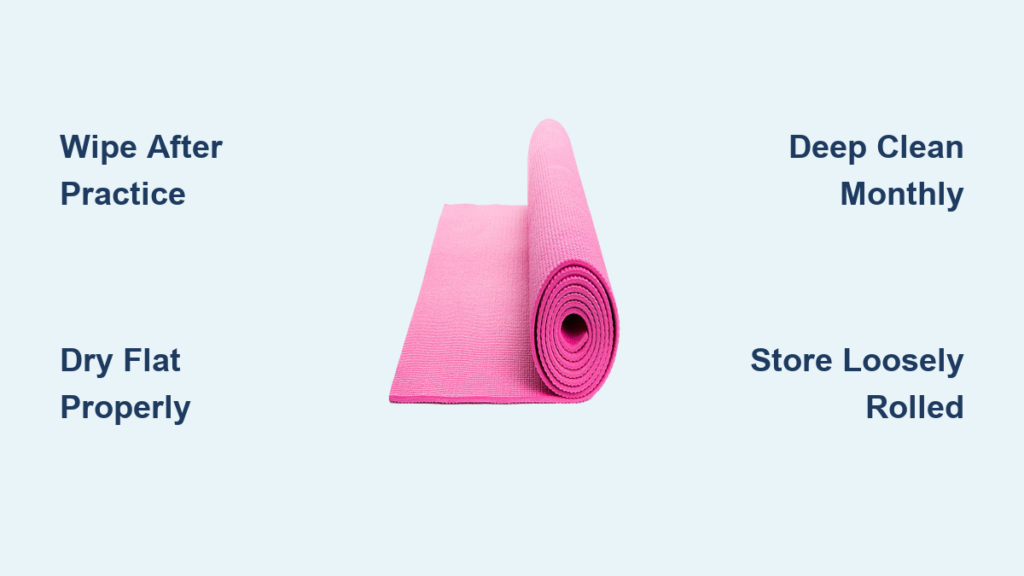
Immediate attention after practice prevents most long-term damage to your mat. Grab a microfiber towel and a simple cleaning solution right after your final savasana—this takes less than two minutes but makes the biggest difference in longevity. Spray your mat lightly with a 1:1 water and white vinegar mixture (add 2-3 drops of tea tree oil for natural antimicrobial properties) focusing on high-contact zones where your hands and feet rest. Avoid drenching the surface, as excessive moisture weakens material bonds over time.
Wipe the entire surface using firm, sweeping motions that follow the mat’s grain. Pay special attention to textured areas where sweat and oils embed themselves—these spots become slippery hazards if neglected. For practitioners who flow in heated environments or sweat heavily, keep a dedicated yoga towel on hand to absorb moisture during practice, reducing the cleaning burden afterward. This simple post-practice ritual prevents 90% of common mat problems before they start.
Proper Drying Techniques That Prevent Mold and Odors
Rolling up a damp mat creates the perfect breeding ground for bacteria and mildew that causes persistent odors and material breakdown. After cleaning, lay your mat flat in a well-ventilated area away from direct sunlight, which can fade colors and degrade certain materials. Allow at least 30 minutes for thorough drying—thicker mats may require up to an hour depending on humidity levels. Flip the mat halfway through drying to ensure both sides receive equal air exposure.
If space is limited at home, invest in a simple wall-mounted mat rack that keeps your mat suspended vertically. This allows air circulation on both sides while taking up minimal floor space. For studio practitioners who need to transport their mat immediately, partially roll it from both ends toward the center to create an air channel through the middle—never seal it completely until fully dry. Mats stored damp develop that distinctive musty smell within 24 hours that’s nearly impossible to eliminate completely.
Deep Cleaning Methods for PVC and TPE Yoga Mats
PVC and TPE mats withstand more rigorous cleaning than natural alternatives, making them ideal for frequent deep cleaning. Fill your bathtub with lukewarm water and add one tablespoon of mild dish soap or specialized mat cleanser. Submerge your mat completely and gently agitate the water with your hands for 2-3 minutes, focusing on textured areas where dirt accumulates. Avoid using abrasive scrubbers that scratch the surface and create bacterial hiding spots.
After soaking for 15-20 minutes, drain the tub and rinse your mat thoroughly under running water until all soap residue disappears—leftover suds create slippery patches during practice. Never wring or twist your mat to remove water; instead, press gently against the sides of the tub to expel excess moisture. Lay flat on a clean towel to dry completely before storing. This deep cleaning process every 2-3 weeks keeps synthetic mats performing like new for years.
Special Care Instructions for Natural Rubber and Cork Mats
/person-cleaning-yoga-mat-e2114ccf7c3b4d03a7ab2c70656bd41b.jpg)
Natural rubber mats require gentler handling to maintain their integrity and distinctive grip. Never submerge these mats in water or use vinegar solutions that can degrade the material. Instead, dampen a microfiber cloth with water and a tiny amount of mild soap, then wipe the surface using light pressure. Focus on visible dirt spots rather than treating the entire mat unless heavily soiled. For stubborn stains, sprinkle a small amount of baking soda directly on the spot and gently rub with a damp cloth before wiping clean.
Cork mats need even more careful treatment due to their porous nature. Clean with a fine mist spray (not direct liquid application) of water and mild soap, immediately wiping dry with a clean cloth. Never leave moisture sitting on cork surfaces, as this causes warping and loss of grip. Some manufacturers recommend applying a thin layer of natural cork conditioner every 3-6 months to maintain suppleness—check your mat’s specific care instructions before attempting this. Both rubber and cork mats benefit from occasional airing in indirect sunlight to eliminate odors without material damage.
How to Store Yoga Mat to Prevent Curling and Damage

Rolling technique significantly impacts your mat’s flatness during practice. Always roll your mat with the top surface facing outward (away from the floor side), starting from the end where your head rests during savasana. This preserves the natural memory of the material and prevents edge curling. Roll loosely rather than tightly—excessive tension creates permanent creases that never lay flat during practice, especially problematic for thicker natural rubber mats.
When storing at home, avoid keeping your mat compressed in a carrying bag for extended periods. Instead, place it loosely rolled in a closet or under your bed where temperature remains consistent. For frequent travelers, choose a carrying bag with mesh panels that allow airflow rather than sealed plastic sleeves. If your mat develops persistent curling, unroll it completely and place heavy books on the corners for 24-48 hours to reset the material’s shape before returning to proper storage.
Troubleshooting Common Yoga Mat Problems
Why Your Yoga Mat Smells After Cleaning
Persistent odors usually indicate trapped moisture or bacterial growth beneath the surface. First, ensure you’re completely drying your mat after each cleaning session—flip it halfway through the drying process. For stubborn smells, create a paste of baking soda and water, apply to the mat surface, let sit for 15 minutes, then wipe clean with a damp cloth. Never use essential oils directly on your mat, as they can degrade materials and cause skin irritation during practice.
How to Fix a Slippery Yoga Mat Surface
Slippage often results from cleaning product residue or natural material breakdown. Rinse your mat thoroughly with plain water to remove any buildup from previous cleanings. For new mats, a “breaking in” period is normal—regular practice naturally develops texture that improves grip. During sweaty sessions, keep a microfiber towel nearby to wipe hands and feet between poses. If grip doesn’t improve after proper cleaning and drying, your mat may have reached the end of its usable life and needs replacement.
When to Replace Your Yoga Mat Based on Wear Patterns
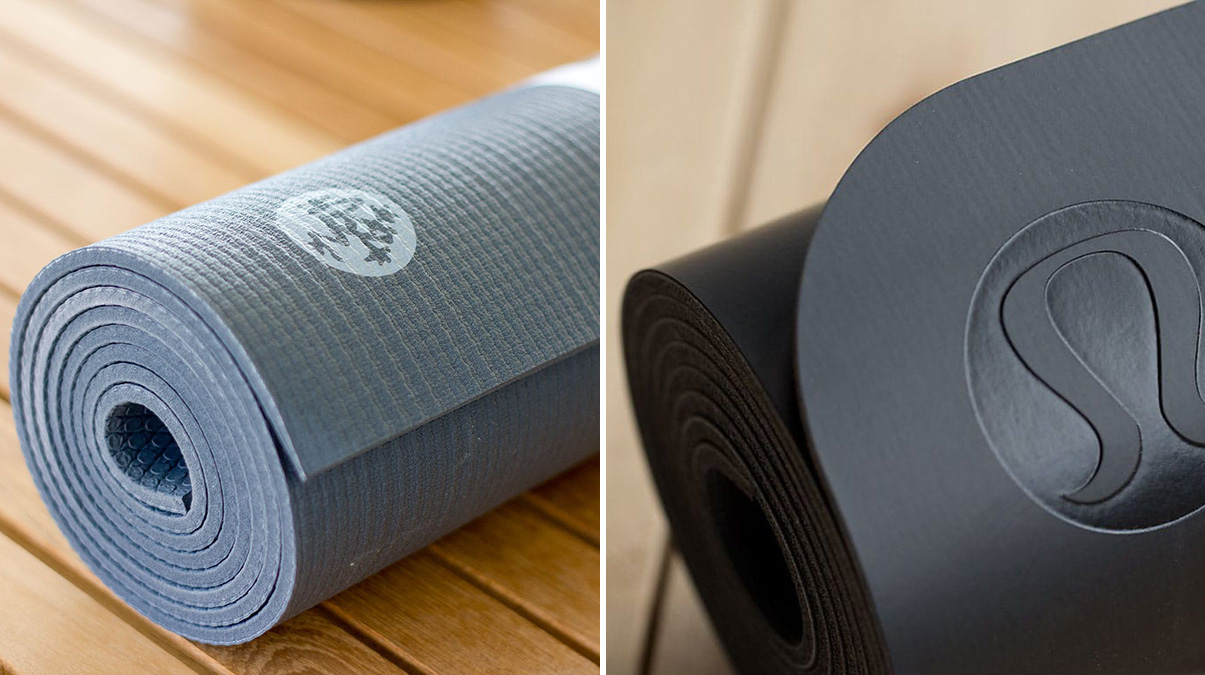
Monitor these critical signs that indicate replacement time: visible thinning or holes in high-pressure areas (especially under knees and hands), persistent odors that return immediately after deep cleaning, permanent indentations that affect stability in standing poses, and significant loss of grip despite proper maintenance. Most quality mats last 1-3 years with regular practice, though daily hot yoga practitioners may need replacement annually.
Before purchasing a new mat, consider what caused the previous one to fail. If grip was the issue, try a different material like natural rubber or textured TPE. If maintenance proved too difficult, opt for more durable PVC that withstands frequent cleaning. Measure your practice space to ensure the new mat provides adequate coverage—many practitioners upgrade to longer or wider mats as their practice evolves.
Essential Products That Simplify Yoga Mat Care Routine
Keep these three items in your yoga bag for effortless maintenance: a small spray bottle filled with your cleaning solution (vinegar/water mix for most mats), a microfiber towel dedicated to mat cleaning, and a natural fiber carrying bag with ventilation. Avoid commercial wipes containing alcohol or harsh chemicals that degrade mat surfaces over time.
For home practitioners, add a wall-mounted drying rack to your setup—it pays for itself in extended mat lifespan within months. If you practice in shared spaces, invest in a dedicated yoga towel that provides a washable barrier between you and the mat surface, reducing direct contact and cleaning frequency. These simple tools transform mat care from a chore into an integrated part of your practice ritual.
Creating a Sustainable Yoga Mat Care Schedule
Build maintenance into your existing routine rather than treating it as separate work. Wipe your mat during the final minutes of savasana while your body rests. Schedule deep cleaning for the same day each week—many practitioners pair it with laundry day for consistency. Store your cleaning supplies where you unroll your mat to eliminate friction in the process.
Start with just two habits: immediate post-practice wiping and thorough weekly drying. As these become automatic, add monthly deep cleaning sessions. Remember that imperfect consistency still yields significant benefits—missing one cleaning session won’t ruin your mat, but establishing regular care patterns will extend its functional life by years. Your mat supports your practice; returning that care creates a more mindful, sustainable relationship with your equipment.
Final Tip: Rotate between two mats if possible—this gives each one adequate drying time between uses while doubling your effective mat lifespan through reduced wear per mat.