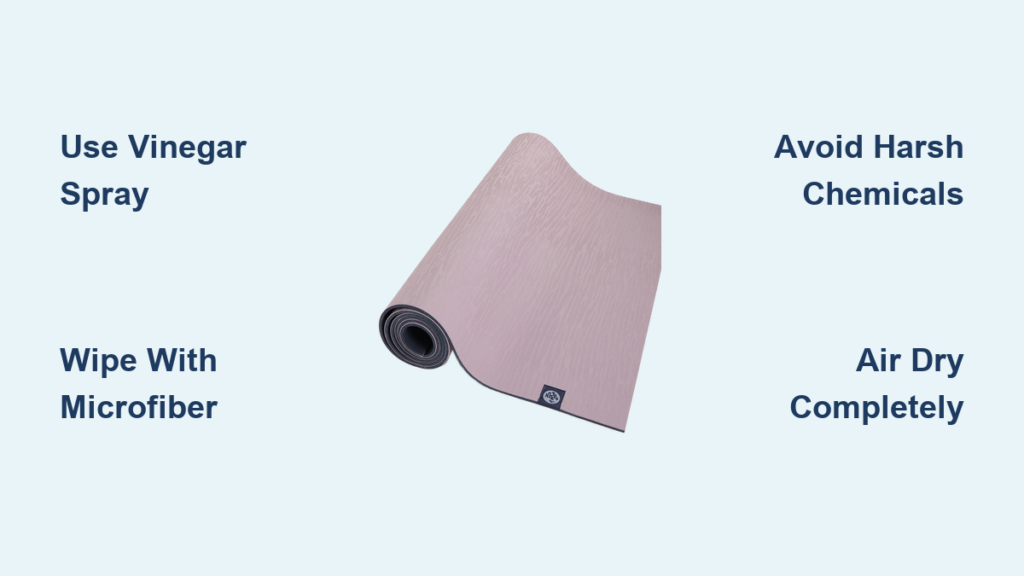
Your Eko yoga mat is more than just equipment—it’s a sustainable investment in your practice and the planet. Crafted from natural rubber and organic materials, these eco-friendly mats require specific cleaning methods to maintain their grip, cushioning, and environmental integrity. Unlike synthetic mats that tolerate harsh chemicals, your Eko mat demands gentle, natural cleaning approaches that preserve both its performance and sustainable composition. Sweat, oils, and bacteria accumulate in the porous surface during every session, creating conditions for odor buildup and material degradation if left unaddressed. Understanding how to clean your Eko yoga mat properly ensures it remains hygienic, performs optimally, and lasts for years of dedicated practice.
Natural rubber yoga mats absorb sweat and oils during use, which while beneficial for grip, means improper cleaning leads to odor, bacterial growth, and material breakdown over time. The good news is that maintaining your mat only requires a few minutes after each practice plus periodic deeper cleaning. This guide covers everything you need to know about keeping your Eko mat clean and fresh, from quick post-practice refreshes to comprehensive deep cleaning methods and long-term care strategies.
Why Standard Cleaning Methods Damage Natural Rubber Mats

Natural rubber has different properties than synthetic materials, making common cleaning approaches potentially harmful. Harsh chemicals break down rubber molecules, causing deterioration, discoloration, and loss of cushioning properties. Chlorine-based products, ammonia, and industrial cleaners strip protective coatings and can leave your mat surface sticky or slippery. Even some essential oils cause staining when applied directly or in excessive quantities.
How Natural Rubber Reacts to Improper Cleaning
Natural rubber’s porous structure absorbs cleaning solutions deeply, so residues remain trapped even after surface drying. These residues attract more dirt, accelerate material breakdown, and compromise your grip during practice. Hot water causes delamination in layered mats, while abrasive tools scratch the surface, creating areas where bacteria accumulate more readily. Understanding these reactions prevents costly mistakes that shorten your mat’s lifespan.
Quick Cleaning Methods After Every Yoga Session
Implementing a cleaning routine immediately after each session prevents sweat and oils from embedding in your mat’s surface. This quick maintenance takes only minutes but significantly extends your mat’s lifespan and maintains hygienic conditions for every practice.
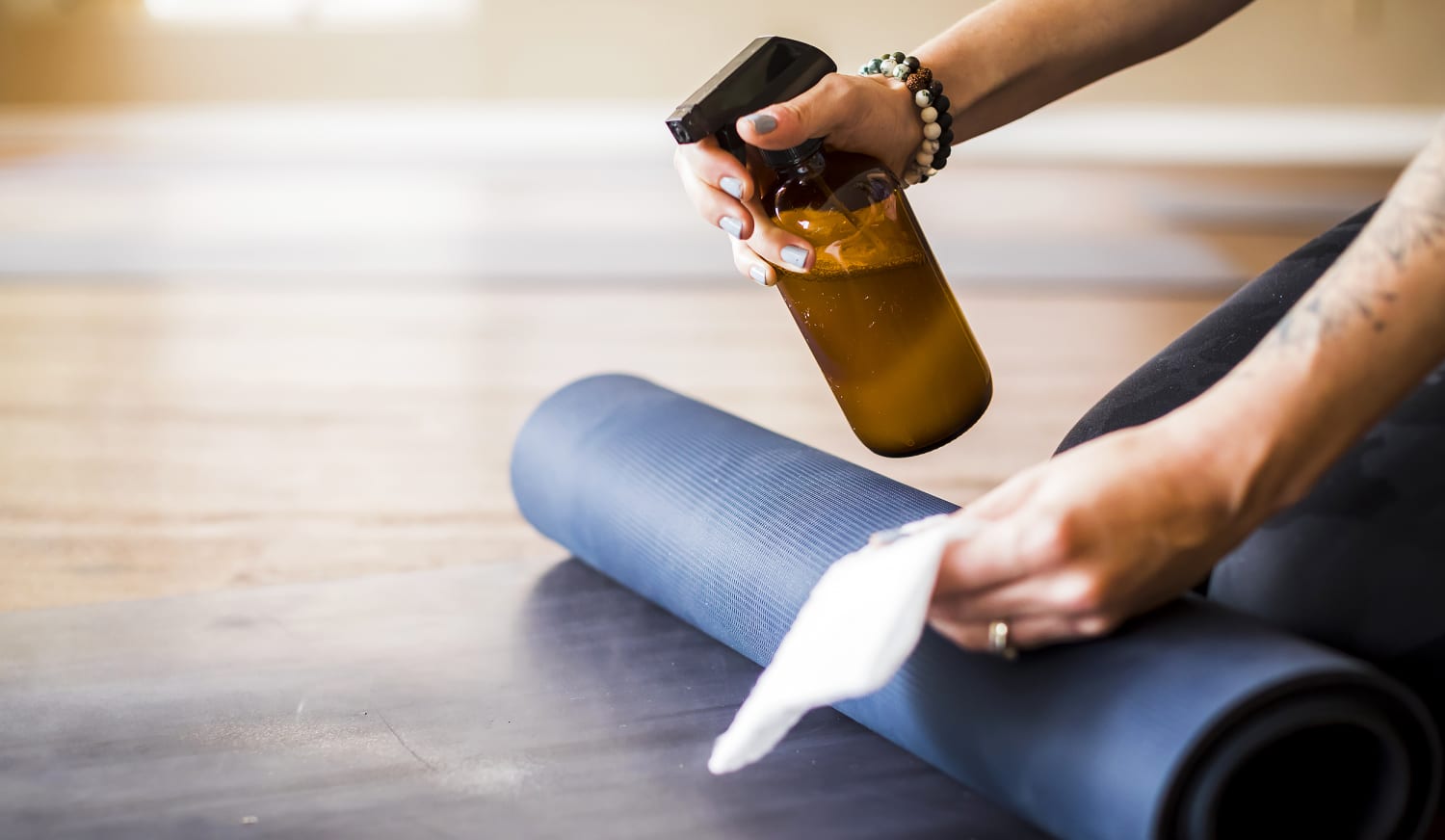
The Two-Cloth Wipe-Down Technique
For effective quick cleaning after practice:
1. Unroll your mat completely on a clean, dry surface
2. Mist with your eco-friendly cleaning solution (never saturate)
3. Use one damp microfiber cloth to clean the surface in gentle circular motions
4. Immediately follow with a second dry cloth to absorb moisture
5. Allow to air dry completely before rolling
This technique removes more residue than single-cloth methods and prevents moisture-related damage. Microfiber works best due to its high absorbency and ability to capture microscopic particles regular cloths miss.
Best Eco-Friendly Cleaning Solutions for Natural Rubber
Creating your own cleaning solutions ensures chemical-free treatment while maintaining your mat’s eco-friendly properties. Natural ingredients provide antibacterial and deodorizing action without harsh synthetic compounds.
Three Effective DIY Cleaning Sprays
Basic Vinegar-Tee Tree Spray:
– Mix 1 cup distilled water + 1 tbsp white vinegar + 5 drops tea tree oil
– Shake well before each use
– Vinegar breaks down salt deposits while tea tree provides antibacterial properties
Citrus-Lavender Freshener:
– Combine 1 cup distilled water + juice of ½ lemon + 10 drops lavender oil
– Works especially well for hot yoga mats
– Lemon degreases while lavender offers antimicrobial benefits
Castile Soap Deep Cleaner:
– Dilute 1 tbsp pure castile soap in 2 cups distilled water
– Add 10 drops eucalyptus oil for antibacterial action
– Ideal for weekly deep cleaning sessions
Step-by-Step Deep Cleaning Process for Eko Mats
Weekly deep cleaning removes embedded dirt that quick cleaning can’t address. This thorough process takes 30-45 minutes but significantly extends your mat’s lifespan.
Proper Soaking Technique
- Remove loose debris by gently shaking or brushing with soft-bristled brush
- Fill basin with lukewarm (not hot) water and your chosen cleaning solution
- Submerge mat completely for 5-10 minutes (15 max for heavy buildup)
- Gently press and release mat in water—never scrub vigorously
- For stubborn spots, use soft sponge with light pressure only
Complete Rinsing and Drying Method
Residual cleaning solution attracts more dirt and may cause skin irritation. To rinse properly:
– Drain dirty water and rinse under clean running water
– Continue until water runs clear with no bubbles
– Press (don’t wring) between clean towels to remove excess water
– Hang to dry in well-ventilated area away from direct sunlight
– Allow 24 hours for complete drying before rolling
Eliminate Persistent Odors Without Damaging Your Mat
/person-cleaning-yoga-mat-e2114ccf7c3b4d03a7ab2c70656bd41b.jpg)
Yoga mats develop odors from bacteria thriving in sweat-moistened surfaces. Natural rubber provides excellent conditions for these microorganisms when oils accumulate in its porous structure.
Baking Soda Overnight Treatment
For immediate odor relief:
– Sprinkle baking soda generously over entire mat surface
– Let sit for several hours or overnight
– Vacuum thoroughly, paying attention to texture grooves
– Follow with standard cleaning to remove all residue
Enzymatic Cleaner Protocol
For stubborn odors:
– Select enzymatic cleaner specifically for natural materials
– Apply according to product instructions
– Allow extended contact time (typically 30+ minutes)
– Rinse thoroughly with clean water
– Air dry completely before next use
Cleaning Frequency Based on Your Practice Style
Your cleaning schedule should match your practice intensity and environment. Daily practitioners need more frequent attention than occasional users.
Practice-Specific Cleaning Schedule
Daily practitioners:
– Surface clean after every session
– Deep clean weekly
– Odor treatment as needed
Hot yoga practitioners:
– Surface clean after every session
– Deep clean twice weekly
– Enzymatic treatment weekly
Infrequent practitioners (1-3x weekly):
– Surface clean after each use
– Deep clean every 2 weeks
– Full inspection monthly
Critical Mistakes That Ruin Natural Rubber Mats
Certain cleaning approaches cause irreversible damage to Eko mats. Avoid these common errors:
Chemical Damage to Prevent
- Bleach and chlorine products: Break down rubber molecules causing deterioration
- Ammonia-based cleaners: Strip protective coatings leaving sticky surfaces
- Undiluted essential oils: Cause staining and material reactions
- All-purpose household cleaners: Contain chemicals that degrade natural rubber
Mechanical Damage to Avoid
- Stiff brushes and scrub pads: Scratch surface creating bacteria traps
- Machine washing: Causes delamination and warping
- Excessive scrubbing: Alters surface texture affecting grip
- Wringing when wet: Distorts mat shape permanently
Proper Storage Techniques to Prevent Mold Growth
Improper storage creates ideal conditions for mold growth that can ruin your mat.
Correct Drying and Rolling Method
- Always ensure complete dryness before rolling (24+ hours)
- Roll with top surface facing outward
- Maintain consistent tension to prevent warping
- Store in breathable cotton bag, never plastic
- Keep in climate-controlled environment away from sunlight
Troubleshooting Common Eko Mat Problems
Fixing a Sticky or Tacky Surface
- Clean with diluted vinegar solution (1 part vinegar to 3 parts water)
- Apply with soft cloth using gentle circular motions
- Rinse thoroughly with clean water
- Air dry completely
- If persistent, try mild castile soap solution
Restoring Lost Grip
- Deep clean to remove residue affecting traction
- For permanent texture loss, use textured yoga towel overlays
- Never apply oils or lotions directly to mat surface
- Consider light sanding with 400+ grit sandpaper on inconspicuous area first
Addressing Discoloration
- Most discoloration is cosmetic and doesn’t affect performance
- Try gentle cleaning with lemon juice and water
- For stubborn stains, use baking soda paste (15-20 minute application)
- Never use bleach or whitening agents on natural rubber
Essential Supplies Checklist for Mat Maintenance
Keep these items ready for effective Eko mat care:
- Distilled water (prevents mineral deposits)
- White vinegar for odor neutralization
- Pure castile soap for gentle cleaning
- Tea tree, lavender, and eucalyptus essential oils
- Multiple microfiber cloths (color-coded for cleaning/drying)
- Soft-bristled brush for debris removal
- Spray bottle for diluted solutions
- Drying rack or hanging system
- Yoga towel for practice sessions
Regular cleaning transforms mat maintenance from a burden into a simple routine that protects your investment and ensures a hygienic surface for every practice. By following these specific cleaning guidelines tailored to your Eko yoga mat’s natural materials, you’ll enjoy better grip, fresher smell, and a mat that serves your practice for years to come. Proper care maintains both the performance of your mat and honors the environmental commitment behind your eco-friendly choice.