Your Gaiam yoga mat accompanies you through every sun salutation, warrior pose, and moment of stillness on the mat. Yet after repeated use, sweat, oils, dead skin cells, and bacteria accumulate on its surface, affecting both hygiene and performance. Knowing how to clean Gaiam yoga mat properly isn’t just about maintaining appearances—it’s essential for your health, the mat’s longevity, and maintaining the grip and cushioning that make your practice enjoyable. Whether you practice daily or weekly, this comprehensive guide walks you through proven cleaning methods for every Gaiam mat type, from quick daily maintenance to deep cleaning routines that restore your mat to like-new condition.
Regular cleaning prevents the buildup of contaminants that can cause odors, surface degradation, and even skin irritations. Gaiam mats come in several material types—PVC, TPE, cork, and their proprietary Select Grip technology—each requiring specific care approaches. Using the wrong cleaning method can damage your mat’s surface, reduce its grip, or void any warranty coverage. By following the guidelines in this article, you’ll protect your investment while ensuring a clean, hygienic surface for every practice session.
Quick Daily Cleaning Steps After Yoga Practice
After each yoga session, performing a brief surface clean takes only minutes but prevents stubborn buildup that becomes difficult to remove later. This quick routine is the foundation of proper mat care and significantly reduces the need for intensive deep cleaning sessions.
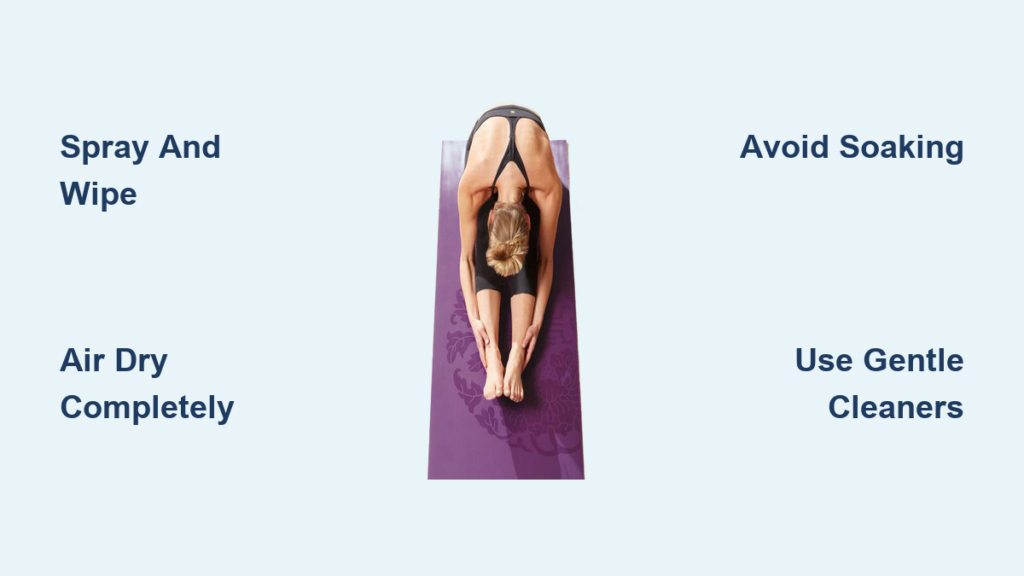
For daily cleaning, start by laying your mat flat in a well-ventilated area. Gaiam recommends using either their proprietary mat cleaner spray or a DIY solution of equal parts water and white vinegar in a spray bottle. Lightly mist the entire surface—avoid oversaturation, as the mat should feel damp rather than wet. Wipe systematically using a clean microfiber cloth, working from one end to the other in long, smooth strokes. Pay extra attention to high-contact areas where your hands and feet typically rest during practice, such as the centerline for downward dog and the top edge for standing poses.
Never roll up and store a damp mat, as trapped moisture creates an ideal environment for bacterial growth, mold, and mildew. After wiping down your mat, allow it to air dry for 15-20 minutes before rolling or storing. If you practice hot yoga or sweat heavily, extend this drying time and consider using a dry microfiber cloth immediately after practice to absorb excess moisture before applying any cleaning solution.
Best Cleaning Solutions for Gaiam Mats
Commercial Cleaners That Won’t Damage Your Mat
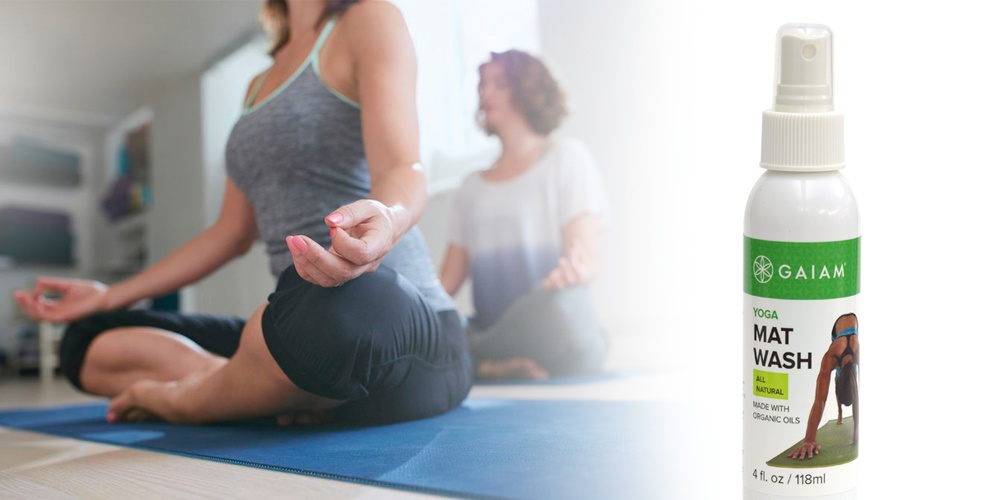
Gaiam produces their own line of mat care products specifically formulated for their yoga mats, representing the safest and most effective option for cleaning your mat. Their Mat Cleaner Spray comes in various scents and is designed to be gentle on Gaiam materials while effectively removing sweat, oils, and bacteria without leaving residue that affects grip. The convenient spray format works well for quick daily cleaning and requires minimal wiping afterward. Gaiam also offers pre-moistened Mat Wipes, perfect for studio use or travel, though these are best reserved for surface cleaning rather than deep cleaning sessions.
Third-party commercial cleaners labeled specifically for yoga mats generally work well on Gaiam mats, provided they contain no harsh chemicals. Look for products compatible with PVC, TPE, and cork materials, which typically indicate a pH-balanced formula. Avoid all-purpose household cleaners, disinfecting wipes containing bleach or ammonia, glass cleaners, and products with strong fragrances or dyes, as these can damage your mat’s surface, cause discoloration, or leave slippery residues.
DIY Cleaning Solutions You Can Make at Home
Creating your own cleaning solution at home saves money and lets you control exactly what contacts your mat. The simplest effective DIY solution combines equal parts distilled water and white vinegar in a spray bottle. Add 5-10 drops of essential oil—tea tree, lavender, or eucalyptus work exceptionally well—for natural antimicrobial properties and a pleasant scent. Shake well before each use to ensure proper mixing.
Another popular approach uses water with a few drops of mild, fragrance-free dish soap, which is particularly effective for removing heavier soil from PVC and TPE mats. For cork mats, use soap-based solutions sparingly and rinse very thoroughly, as residual soap can affect the cork’s natural properties. Some practitioners add a tablespoon of baking soda for extra deodorizing power, though this can leave white residue if not rinsed completely. Always test any new cleaning solution on a small, inconspicuous area of your mat before applying it to the entire surface.
Clean Different Mat Materials Properly
PVC Mats: The Most Forgiving Material
Gaiam’s traditional PVC yoga mats, including their popular Thick Mat and Essential Mat lines, are the most durable and forgiving when it comes to cleaning. PVC has a non-porous surface that resists deep penetration of contaminants, meaning most dirt and bacteria remain on the surface where cleaning easily removes them. These mats can withstand more intensive cleaning methods, including light scrubbing with soft brushes and occasional use of mild dish soap solutions.
For PVC mats with Gaiam’s Grip texture—raised patterns designed to improve traction—pay extra attention to cleaning the textured areas where dirt can lodge. A soft-bristled toothbrush gently cleans these textures without causing damage. The textured surface actually enhances grip even when slightly damp, which explains its popularity among practitioners who sweat heavily during practice. After cleaning, ensure all textured grooves are free from cleaning residue, as buildup can reduce grip over time by creating a slippery film in the texture channels.
TPE Mats: Eco-Friendly Options Need Gentle Care
Thermoplastic elastomer mats represent Gaiam’s eco-friendly option, as TPE is recyclable and often made from recycled materials. These mats have slightly different cleaning requirements than PVC. TPE is more sensitive to certain chemicals and can be degraded by oil-based substances, so avoid cleaning solutions containing oils, petroleum ingredients, or harsh solvents. Stick to water-based cleaning solutions, vinegar mixtures, and commercial cleaners specifically labeled as TPE-safe.
TPE mats are more porous than PVC, meaning they can absorb liquids more readily if overexposed to moisture. This makes avoiding oversaturation during cleaning especially important. Never submerge a TPE mat in water, as this can cause the material to swell and lose its shape. Instead, use the spray-and-wipe method with minimal moisture, and if deeper cleaning is needed, wipe with a well-wrung-out cloth rather than spraying directly. TPE mats tend to dry faster than PVC options, which is a practical advantage for regular practitioners.
Cork Mats: Specialized Care for Natural Material
Gaiam cork yoga mats offer unique benefits including natural antimicrobial properties from cork’s cellular structure, but they require specialized care. Cork is hygroscopic, absorbing and releasing moisture based on environmental conditions, which makes proper cleaning and drying particularly important. When cleaning cork mats, use minimal liquid—cork can become saturated if exposed to too much moisture, leading to warping or cracking.
The natural antimicrobial properties of cork help resist bacterial growth, but this doesn’t eliminate the need for regular cleaning. Dead skin cells, sweat, and oils still accumulate on the surface and affect performance over time. For cork mats, avoid harsh chemicals that could strip natural oils or damage the cellular structure. Mild soap solutions are acceptable but must be rinsed very thoroughly. Some practitioners use only water for regular cleaning, relying on cork’s natural properties between more thorough sessions.
Select Grip Mats: Maintain Enhanced Traction
Gaiam’s Select Grip technology provides excellent traction that improves when slightly moist, making these mats ideal for hot yoga and intense practices. This technology combines a PVC or TPE base with a specialized surface layer requiring careful cleaning to maintain performance. Use only Gaiam-recommended cleaners or very mild DIY solutions, and avoid abrasive scrubbing tools or cloths that could wear down the grip texture over time.
The Select Grip surface performs best when kept clean of any residue that interferes with its moisture-activated grip properties. Residue from body oils, lotions, or cleaning products can reduce grip effectiveness, making the mat feel slippery even when damp. Be particularly thorough about rinsing away all cleaning residue, and consider wiping the mat with a clean water-dampened cloth after each cleaning session. Some users report that a very light misting with water before practice helps activate the grip properties, especially in hot yoga environments.
Remove Stubborn Stains and Odors Effectively
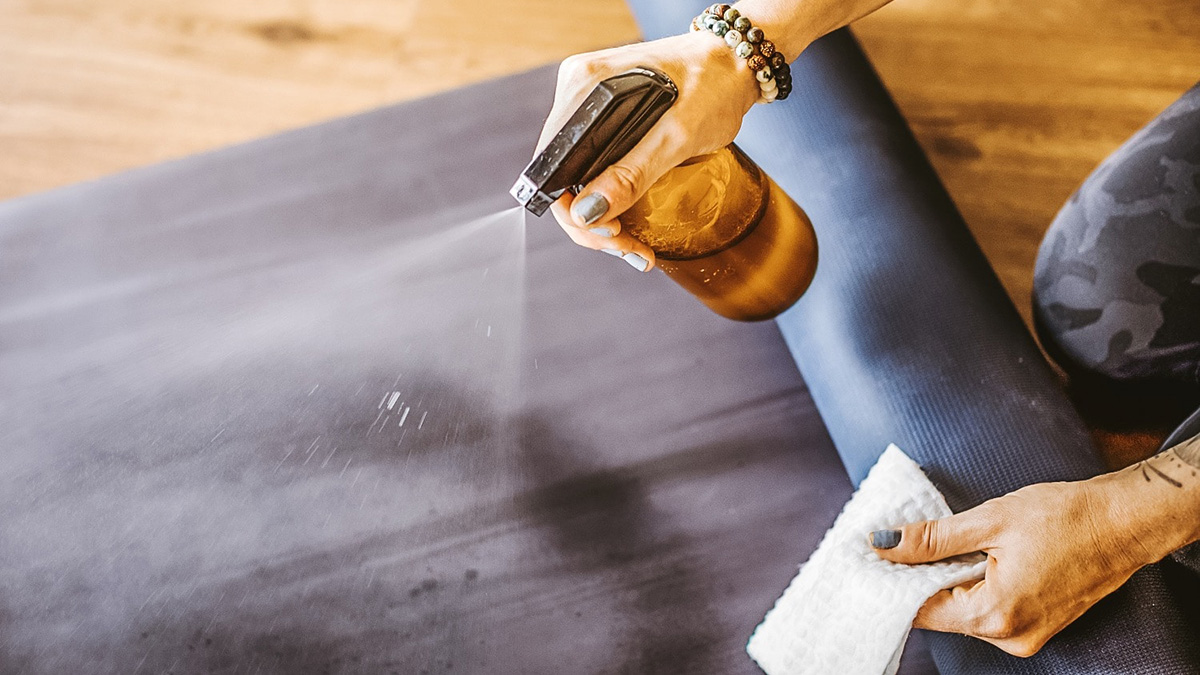
Despite regular cleaning, yoga mats can develop stubborn stains or persistent odors requiring extra attention. For general discoloration or light stains, a paste made from baking soda and water applied directly to the affected area helps lift the stain. Leave the paste on for 15-30 minutes, then gently scrub with a soft brush and rinse thoroughly. For more stubborn stains, a solution of water and hydrogen peroxide (3% concentration) can be applied carefully, but always test on an inconspicuous area first and avoid using this on colored or printed surfaces.
Persistent odors usually stem from bacteria embedded in the material rather than surface contamination. For odor issues, a deeper cleaning approach is necessary. Try soaking the affected area with a solution of water and white vinegar in a 1:1 ratio, allowing it to sit for 10-15 minutes before rinsing thoroughly. For particularly stubborn odors, a solution of water with a tablespoon of baking soda and a few drops of tea tree oil—known for natural antibacterial properties—applied and left for 30 minutes or more often resolves the issue. Rinse completely and dry thoroughly afterward. Mats with odors that persist despite thorough cleaning may have deep contamination requiring replacement.
Dry and Store Your Mat Properly to Prevent Damage
Complete Drying Protocols for Longevity
Proper drying is arguably the most critical factor in maintaining your Gaiam yoga mat’s condition, yet it’s where many practitioners make mistakes. The goal is complete drying—meaning no moisture remains anywhere in the mat, including core material and edges—before storage. Partial drying leads to mold, mildew, odor, and material degradation that shortens your mat’s lifespan significantly.
The ideal drying environment is a well-ventilated room with moderate temperature and low humidity. Position a fan to circulate air across both sides of the mat, which speeds drying considerably. For outdoor drying, choose a shaded area with good airflow rather than direct sunlight, as UV rays degrade mat materials over time. Hanging the mat over a clothesline or shower rod with plastic clips (avoiding metal that could cause rust stains) allows air to reach both sides simultaneously. In humid climates, indoor drying with air conditioning or dehumidifier support may be necessary.
Storage Best Practices for Mat Protection
Once completely dry, proper storage protects your mat from damage and contamination. For regular practitioners, storing the mat unrolled in a dedicated mat bag or hanging on a mat rack keeps it ready for use while protecting it from floor contaminants. Gaiam produces mat bags in various styles, including carrying straps and shoulder bags that make transportation convenient while providing storage protection.
If you must roll your mat, Gaiam recommends rolling with the same side facing out each time to maintain consistent dimensions and prevent warping. Start from one end, rolling steadily toward the other to create a tight, even roll without wrinkles. Secure with a strap or bag tie, but avoid elastic bands creating indentations over time. Store the rolled mat standing upright on its end rather than lying flat, which can cause compression and misshaping. Never store mats in car trunks, garages, or locations with extreme temperatures or humidity fluctuations.
Final Thoughts on Gaiam Mat Maintenance
Knowing how to clean Gaiam yoga mat properly protects your investment, ensures hygienic practice conditions, and preserves the grip and cushioning performance you expect. The key principles are consistency—regular cleaning prevents difficult-to-remove buildup; thoroughness—complete drying and proper storage protect against damage; and appropriate methods—using solutions and techniques suited to your specific mat material prevents inadvertent damage.
The specific cleaning approach that works best depends on your practice frequency, session intensity, mat material, and personal preferences for cleaning products. Don’t hesitate to experiment with different approaches to find what works for your situation, but always prioritize gentle, mat-safe products and thorough drying. Your yoga mat is your foundation for practice—treating it with the care it deserves ensures reliable support for years of satisfying practice ahead.