Your massage gun ball attachment works hard to relieve muscle tension after workouts, but that intense usage leaves behind sweat, oils, and bacteria that compromise both hygiene and performance. When this essential tool develops a sticky residue or unpleasant odor, it’s not just uncomfortable—it can actually cause skin irritation or reduce the effectiveness of your recovery sessions. Learning how to clean massage gun ball attachments correctly extends their lifespan while ensuring each session delivers the therapeutic benefits you need. This straightforward maintenance task takes just minutes but prevents the buildup that leads to premature replacement of your expensive equipment.
Most users don’t realize that neglecting proper cleaning causes more than just hygiene issues—residue accumulation actually changes how the attachment interacts with your muscles, creating inconsistent pressure points and reducing therapeutic value. Whether you’re an athlete using your massage gun daily or someone who relies on it for weekly tension relief, establishing a simple cleaning routine keeps your equipment performing at its best. In this guide, you’ll discover exactly how to clean massage gun ball attachments for optimal hygiene and longevity without damaging these sensitive components.
Essential Supplies for Cleaning Massage Gun Balls

Gather these basic items before starting your cleaning process to ensure effective maintenance without damaging your attachment. You’ll need a soft microfiber cloth, mild soap or gentle detergent, warm water, and a clean towel for drying. The microfiber cloth is crucial because it cleans effectively without leaving lint behind or scratching delicate surfaces—regular paper towels or rough fabrics can degrade the material over time.
Avoid harsh chemicals like bleach, ammonia, or abrasive cleaners that break down common attachment materials. Most massage gun balls are constructed from foam, rubber, or silicone, all of which deteriorate when exposed to strong solvents. If your manufacturer recommends specific cleaning products, follow those instructions precisely, but standard mild soap and water works effectively for routine maintenance on most attachments. Never use petroleum-based products as they can cause rubber components to become sticky or disintegrate.
What to Avoid When Cleaning Your Attachment
Several common household items can permanently damage your massage gun ball. Harsh disinfectants containing alcohol above 70% concentration may dry out rubber and silicone materials, causing cracks. Hot water beyond lukewarm temperatures can warp certain foams and soften rubber compounds. Never submerge the attachment shaft or connection point—only clean the ball portion itself as moisture in electrical components causes irreversible damage. If you’re unsure whether a cleaning product is safe, test it on a small inconspicuous area first or stick with the manufacturer’s recommendations.
Quick Cleaning Routine After Every Massage Session
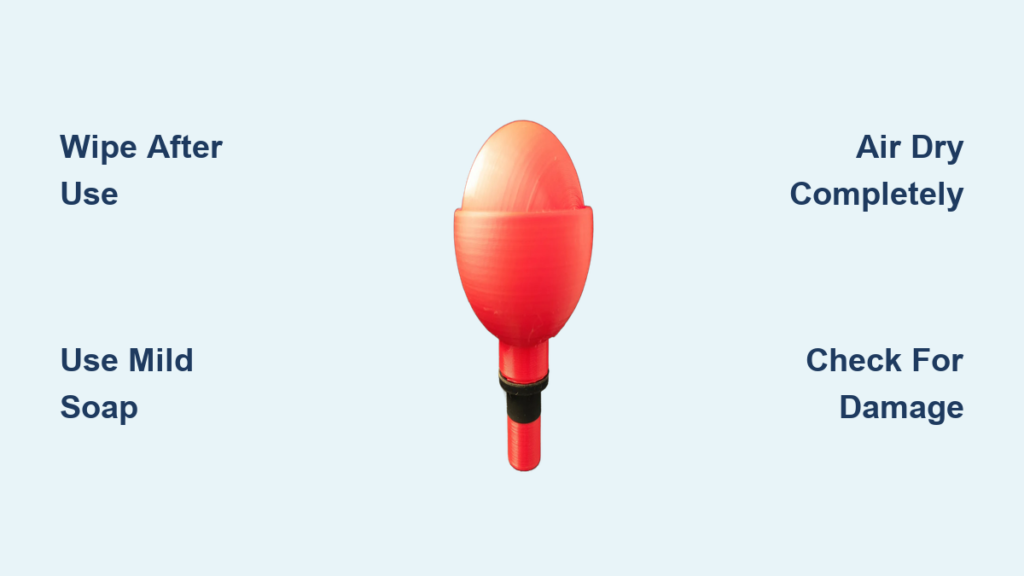
Implement this 60-second cleaning habit after each use to prevent buildup that requires intensive cleaning later. Immediately detach the ball from your massage gun body while residue is still fresh and easier to remove. Wipe the entire surface thoroughly with a slightly damp microfiber cloth, paying special attention to textured areas where sweat and oils accumulate. For light maintenance, plain water suffices, but add one drop of mild soap to your cloth for sessions involving heavy perspiration.
Proper Drying Technique for Daily Maintenance
After wiping, immediately dry the attachment with a clean, dry section of your microfiber cloth. Residual moisture left on the surface creates an environment where bacteria thrive between uses. Pay particular attention to the base where the ball connects to the shaft—this area traps moisture that can migrate toward electrical components. Allow the attachment to air dry for at least 10 minutes before reattaching or storing to ensure no hidden moisture remains. This simple routine prevents the gradual buildup that leads to stubborn stains and odors requiring deep cleaning.
Deep Cleaning Process for Thorough Sanitization
Perform this comprehensive cleaning method weekly for daily users or monthly for occasional users when surface cleaning no longer removes visible residue. Start by removing the ball attachment completely from the massage gun body—never attempt to clean attachments while connected to the device. Prepare a basin with lukewarm water (not hot) and add a small amount of mild detergent, creating minimal suds.
Step-by-Step Deep Cleaning Procedure
- Submerge only the ball portion in the cleaning solution for 5-10 minutes to loosen embedded oils
- Gently rub the entire surface with your fingers or a soft cloth, focusing on textured areas
- Rinse thoroughly under running water until all soap residue disappears
- Inspect the attachment for cracks, tears, or material degradation during cleaning
- Shake off excess water before proceeding to drying
Avoid aggressive scrubbing that could damage the material’s surface texture. Some attachments have crevices where residue hides—use a soft toothbrush gently if needed, but never force cleaning tools into tight spaces. Complete removal of soap residue is critical, as leftover detergent creates a sticky surface that attracts more dirt during your next session.
Correct Drying Methods to Prevent Damage
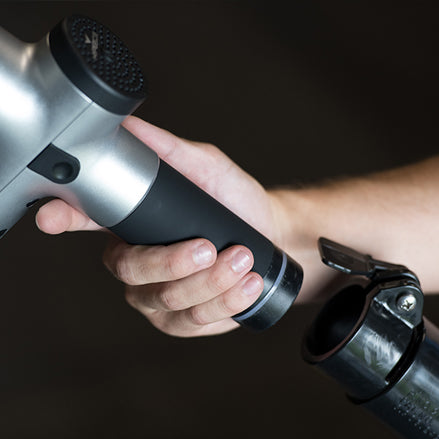
Improper drying causes more attachment damage than incorrect cleaning methods. After rinsing, shake the attachment vigorously to remove excess water from crevices. Pat the surface dry with a clean towel, then place it in a well-ventilated area away from direct heat sources. Never use hair dryers, radiators, or sunlight to speed drying—these heat sources warp materials and accelerate degradation.
Optimal Drying Timeframes by Material Type
Foam attachments require 24-48 hours to dry completely due to their porous nature, while rubber and silicone balls typically need 12-24 hours. Place the attachment on a drying rack or hang it if possible to expose all surfaces to air circulation. Before storage or reuse, perform the “touch test”—the entire surface should feel completely dry with no cool moisture sensation. Using a damp attachment transfers moisture to your massage gun body, potentially damaging electrical components over time.
Safe Storage Practices After Cleaning
Store your completely dry attachment in a clean, breathable container away from extreme temperatures. Avoid plastic bags or airtight containers that trap residual moisture and promote bacterial growth. If your massage gun came with a carrying case, ensure the compartment for attachments allows air circulation—many users leave zippers partially open for this reason.
Organizing Multiple Attachments
If you own several attachments, designate specific storage locations to prevent cross-contamination. Keep a dedicated pouch or container for clean attachments separate from used ones awaiting cleaning. When traveling, protect the ball attachment with a clean cloth barrier to prevent dust accumulation and physical damage during transit. Proper storage completes your cleaning routine by maintaining hygiene until your next use.
Material-Specific Cleaning Considerations
Different ball attachment materials require tailored cleaning approaches. Foam balls absorb the most moisture and need the gentlest handling—avoid submersion when possible and never squeeze aggressively during drying. Rubber attachments resist water better but become sticky when exposed to oils or harsh chemicals. Silicone balls offer the most durability but can develop surface imperfections from abrasive cleaning.
Identifying Your Attachment Material
Most manufacturers specify material type in product documentation. Foam balls feel soft and compress easily, rubber has a slightly tacky surface and moderate firmness, while silicone feels smooth and maintains consistent firmness. When in doubt, treat your attachment as the most delicate material type (foam) to prevent accidental damage. Always check manufacturer guidelines for material-specific care instructions before attempting any cleaning method.
Warning Signs It’s Time for Replacement

Even with perfect cleaning habits, attachments eventually wear out. Visible cracks, tears, or missing chunks indicate immediate replacement is necessary—using damaged attachments causes skin irritation and delivers inconsistent pressure. If the ball feels sticky despite thorough cleaning, material breakdown has occurred and replacement is the only solution. Persistent odors that remain after deep cleaning signal trapped bacteria that cleaning can’t remove.
Expected Lifespan Under Proper Maintenance
With regular cleaning and proper storage, foam attachments typically last 3-6 months with daily use, rubber lasts 6-12 months, and silicone can exceed 12 months. High-frequency users may need replacements more often. Keep a spare attachment on hand so you’re never forced to use a degraded ball while waiting for a replacement. Regular inspection during cleaning sessions helps you anticipate replacement needs before performance suffers.
Proactive Maintenance Habits for Longevity
Extend your attachment’s lifespan by implementing these simple habits alongside regular cleaning. Rotate between multiple ball attachments if you use your massage gun frequently—this gives each one adequate drying time and distributes wear evenly. Immediately clean attachments used with lotions or oils, as these substances penetrate materials more deeply than sweat alone. Store your entire massage gun system in a climate-controlled environment away from temperature extremes that degrade materials.
Never skip the post-session wipe-down, even when rushed—this single habit prevents 80% of deep cleaning needs. Keep your cleaning supplies conveniently accessible near your usual storage location to encourage consistent maintenance. By making attachment care part of your regular routine, you’ll maximize both hygiene and performance from your massage gun investment.
Regular cleaning of your massage gun ball attachment takes minimal time but delivers significant benefits for both your equipment and your recovery sessions. By following these specific cleaning methods tailored to your attachment material, implementing the quick post-session wipe-down routine, ensuring complete drying before storage, and replacing attachments at the first signs of wear, you’ll maintain optimal performance from your massage gun system. Proper maintenance not only keeps your sessions hygienic and effective but also represents significant long-term savings by extending the life of your attachments. Start incorporating these simple cleaning practices today to ensure every massage session delivers the therapeutic benefits you need.