If your Prana yoga mat has developed stubborn odors or visible stains after regular practice, you’re not alone. Many yogis struggle with maintaining their mats properly, leading to premature wear and unpleasant practice sessions. Cleaning your Prana yoga mat correctly is essential for hygiene, performance, and extending its lifespan. This guide provides specific, actionable methods to keep your mat fresh and functional for every practice. You’ll discover the safest cleaning approaches that won’t damage your mat’s special materials while eliminating odors and bacteria effectively.
Immediate Cleaning Solutions for Post-Practice Maintenance
Wipe Down After Every Session With Proper Technique
Cleaning your Prana yoga mat after each use prevents buildup that becomes difficult to remove later. Start by mixing one part white vinegar with four parts water in a spray bottle—this natural solution effectively neutralizes odors without harsh chemicals. Lightly mist the surface of your mat, avoiding soaking it completely. Use a soft microfiber cloth to gently wipe the entire surface in circular motions, paying special attention to areas where hands and feet contact the mat most frequently.
Never use paper towels as they can leave lint behind and potentially scratch the mat’s surface. Instead, fold your microfiber cloth into quarters to maintain a clean wiping surface throughout the process. After wiping, stand your mat upright against a wall or over a bathtub to allow it to air dry completely before rolling it up. This simple daily routine takes less than two minutes but significantly extends your mat’s usable life.
Deep Cleaning Methods for Stubborn Buildup
Prepare the Perfect Cleaning Solution Without Damaging Materials
Creating the right cleaning mixture is crucial for Prana mats, which often feature specialized eco-friendly materials. Combine 1 cup of distilled water, 2 tablespoons of mild castile soap, and 5-7 drops of tea tree oil in a spray bottle. The tea tree oil provides natural antibacterial properties while the castile soap cleans effectively without leaving residue. Avoid using vinegar in deep cleaning solutions if your mat has rubber components, as prolonged vinegar exposure can degrade certain natural rubbers over time.
Shake the solution gently before each use and test it on a small, inconspicuous corner of your mat first. Wait 10 minutes to ensure no discoloration or texture changes occur. If the test area looks unaffected, proceed with cleaning the entire mat. This solution works particularly well for removing the oily residue that builds up from regular use while preserving your mat’s grip and texture.
Step-by-Step Deep Cleaning Process
Begin by laying your Prana yoga mat completely flat on a clean surface—never attempt deep cleaning while the mat is rolled or folded. Spray your prepared solution evenly across the entire surface, then let it sit for 3-5 minutes to break down oils and bacteria. Using a soft-bristled brush (like a clean toothbrush), gently scrub problem areas in small circular motions. Focus extra attention on the edges where dirt tends to accumulate.
Rinse thoroughly by wiping with a clean, damp microfiber cloth dipped in plain water. Never submerge your Prana mat completely unless specifically stated as safe in your product documentation. For best results, wipe in one direction rather than circular motions during the rinsing phase to remove all cleaning solution residue. Improper rinsing is the most common mistake that leads to slippery mats after cleaning.
Drying Techniques That Prevent Warping and Odors
Proper Air Drying Methods for Different Environments
How you dry your Prana yoga mat significantly impacts its longevity and performance. Always hang your mat to dry using a clothesline or towel bar—never lay it flat on the ground where moisture can get trapped. If hanging isn’t possible, drape the mat over a clean shower curtain rod or the back of a chair, ensuring both sides have equal air exposure.
Avoid direct sunlight for extended periods as UV rays can degrade the mat’s materials over time. Instead, choose a well-ventilated indoor space away from direct sun. In humid climates, position a fan nearby (not directly blowing on the mat) to increase airflow without causing excessive drying that might lead to cracking. Your mat should feel completely dry to the touch on both sides before storing—typically 4-12 hours depending on thickness and humidity levels.
Storage Practices That Extend Your Mat’s Lifespan
Correct Rolling and Storage Techniques
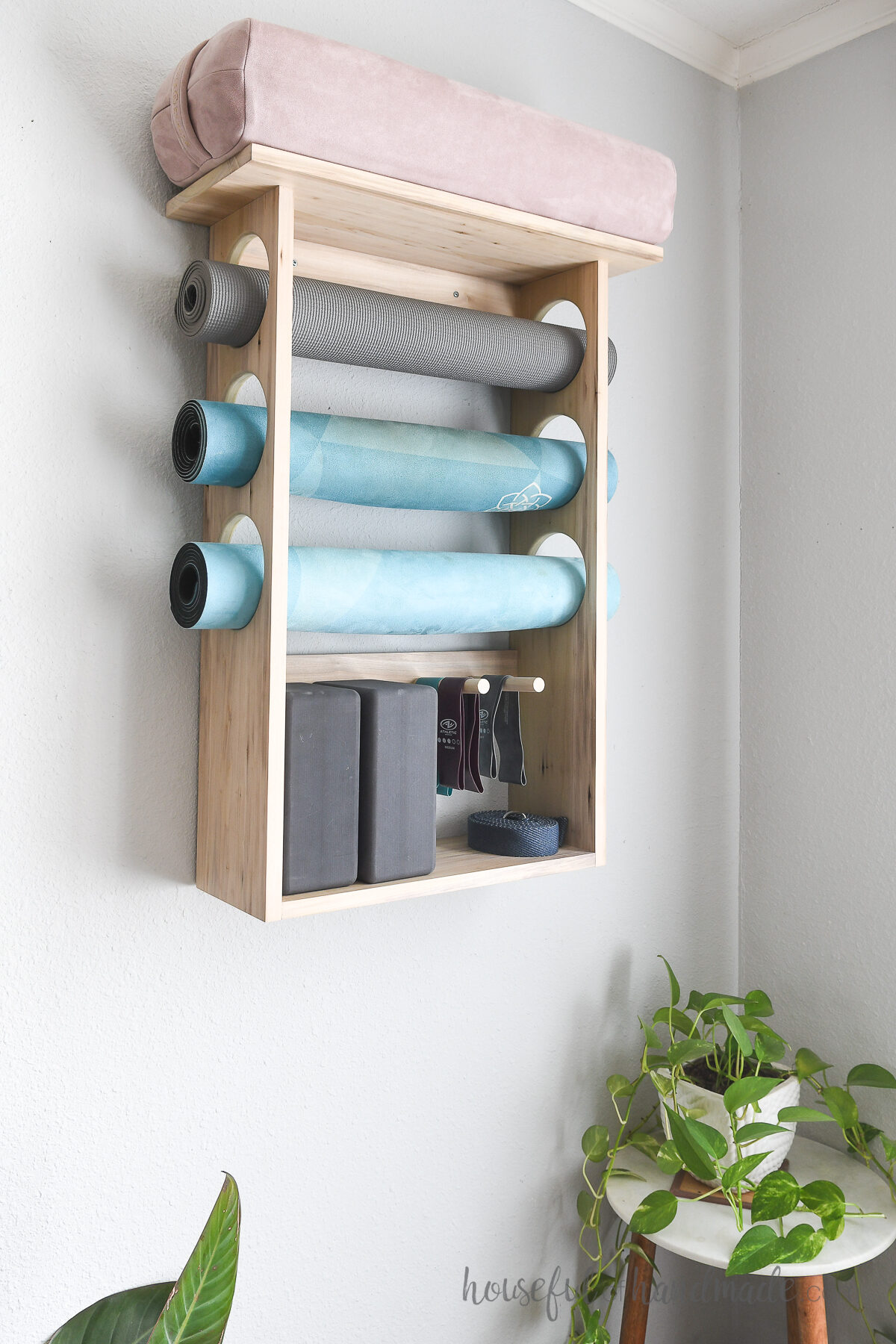
Never store your Prana yoga mat while it’s still damp, as this creates the perfect environment for mildew growth. Once completely dry, roll your mat with the top side facing out—this preserves the intended texture and prevents the bottom from developing permanent creases. Avoid folding your mat, as sharp creases can cause permanent damage to the material structure over time.
Store your rolled mat in a breathable cotton bag rather than plastic, which traps moisture. If you don’t have a dedicated mat bag, an old pillowcase works perfectly. Keep your stored mat in a cool, dry place away from direct sunlight and extreme temperature fluctuations. Never leave your mat in a hot car or damp basement, as these environments accelerate material degradation.
Troubleshooting Common Cleaning Problems

Addressing Persistent Odors After Cleaning
If your Prana yoga mat still smells after cleaning, the issue likely stems from trapped moisture in the mat’s core. Try this specialized treatment: mix 1 tablespoon of baking soda with 1 cup of warm water and lightly spray onto the mat. Let it sit for 15 minutes, then wipe thoroughly with a damp cloth. The baking soda neutralizes odors while being gentle on mat materials.
For severe odor issues, prepare a solution of equal parts water and witch hazel, which has natural astringent properties. Spray lightly, let sit for 5 minutes, then wipe clean. Never use strong fragrances to mask odors, as these can irritate sensitive skin during practice and potentially damage the mat’s surface over time.
Fixing Slippery Surfaces After Cleaning
A common frustration occurs when your Prana mat becomes slippery after cleaning—usually from soap residue. To correct this, mix 1 cup of water with 1 tablespoon of white vinegar in a spray bottle. Spray lightly on the affected areas and wipe with a clean microfiber cloth using straight motions rather than circles. The vinegar cuts through residual oils while restoring grip.
If slipperiness persists, try a final rinse with just water on a clean cloth, followed by thorough air drying. Sometimes multiple light rinses work better than one heavy rinse. Remember that some natural rubber mats require 24-48 hours after deep cleaning to fully regain their original grip as the materials re-stabilize.
Preventative Maintenance Strategies
Weekly Care Routine to Minimize Deep Cleaning Needs
Implement a simple weekly maintenance ritual to reduce the frequency of deep cleaning. After your regular post-practice wipe-down, sprinkle a small amount of baking soda across the mat’s surface. Let it sit for 10-15 minutes to absorb odors, then brush it off with a soft dry cloth. This weekly treatment prevents odor buildup and reduces the need for more intensive cleaning sessions.
For practitioners with particularly sweaty practices, consider keeping a dedicated mat towel that covers your Prana mat during hot yoga sessions. This creates a barrier that prevents excessive sweat from penetrating the mat surface, significantly extending the time between necessary deep cleanings.
When to Replace Your Prana Yoga Mat

Recognizing Irreversible Damage Signs
Even with perfect care, all yoga mats eventually need replacement. Your Prana mat has reached its end-of-life when you notice permanent indentations from frequent hand and foot placement that don’t bounce back, significant thinning in high-pressure areas, or persistent odors that won’t dissipate despite thorough cleaning. Cracks along the edges or loss of grip even when completely dry are also clear indicators.
Most quality Prana mats last 1-3 years with regular use and proper maintenance. If you practice daily, expect to replace your mat annually. Continuing to use a worn-out mat can affect your alignment and increase injury risk due to compromised stability and cushioning.
Final Note: Consistent, proper cleaning dramatically extends your Prana yoga mat’s life while enhancing your practice experience. By implementing these specific techniques—immediate post-practice wiping, proper deep cleaning methods, and careful drying and storage—you’ll maintain optimal performance from your investment. Remember that prevention through regular maintenance reduces the need for intensive cleaning sessions, keeping your mat fresh and functional for every practice. When your mat eventually reaches the end of its lifespan, you’ll know you’ve maximized its value through proper care.