Nothing ruins your yoga flow faster than slipping on a sweaty mat during downward dog. Suede yoga mats solve this problem with their exceptional grip and moisture-absorbing properties, but they require specific care to maintain that performance. Unlike standard PVC mats, suede tops absorb sweat immediately, creating a tacky surface that actually improves as you practice. However, this unique feature means traditional cleaning methods can damage your investment if not done correctly.
When sweat, oils, and dirt accumulate on your suede yoga mat, the once-grippy surface becomes slippery and develops unpleasant odors. Many practitioners unknowingly shorten their mat’s lifespan by using harsh cleaners or improper drying techniques. The good news is that with the right approach, your suede yoga mat can deliver superior performance for years rather than months.
This guide reveals the exact methods to clean your suede yoga mat without compromising its signature grip. You’ll learn quick cleaning techniques between sessions, deep cleaning procedures that actually restore traction, and critical drying practices that prevent mold and mildew.
Effective Quick Cleaning Between Yoga Sessions
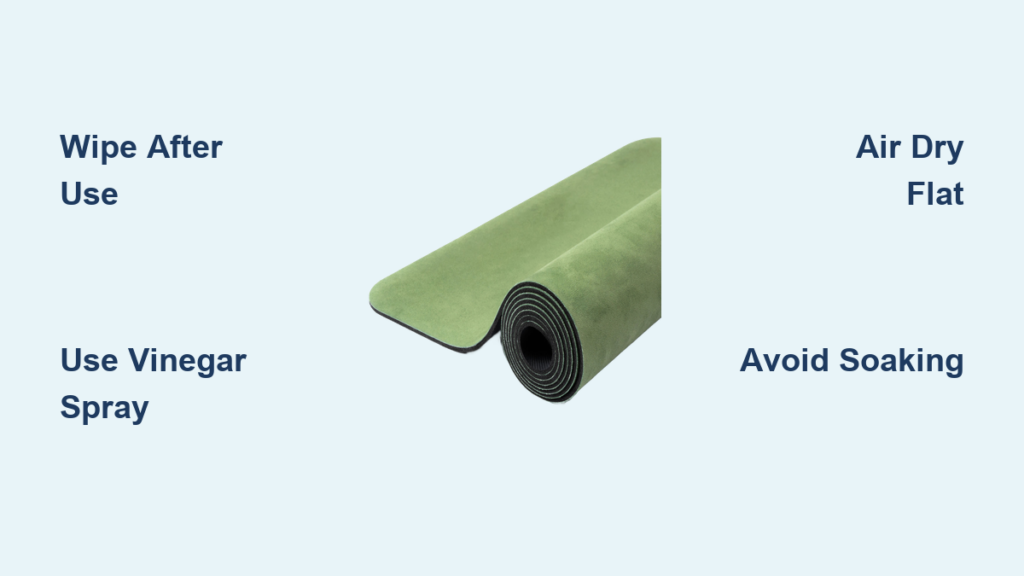
Wiping down your suede yoga mat immediately after practice prevents the buildup that leads to permanent stains and odors. This simple routine takes less than five minutes but dramatically extends your mat’s usable life while maintaining optimal grip for your next session.
Start by unrolling your mat in a well-ventilated area away from direct sunlight. Use a clean, dry microfiber towel to gently wipe the entire surface using circular motions—this lifts surface residue without forcing it deeper into the fibers. Pay special attention to high-contact zones under your hands and feet where sweat concentrates during practice. For mats with visible moisture, allow them to air for 10-15 minutes before wiping to prevent spreading dampness across the surface.
When a simple dry wipe isn’t enough, prepare a light cleaning solution by mixing one part white vinegar with three parts cool water in a spray bottle. Mist the solution lightly across the mat’s surface—never saturate it—and wipe with a clean cloth using gentle pressure. The vinegar neutralizes odors while the minimal moisture refreshes the suede texture without compromising the mat’s integrity. Always finish by wiping with a dry section of your towel to remove excess moisture before storing.
How Often Should You Perform Quick Cleanings?
Your cleaning frequency should match your practice intensity. Daily practitioners should wipe their mats after every session, while those practicing 2-3 times weekly can skip one session between cleanings. Hot yoga enthusiasts need immediate post-practice cleaning regardless of frequency, as the combination of intense sweat and heat accelerates bacterial growth. If your mat develops a faint odor during practice or feels less grippy when damp, increase your cleaning frequency immediately—these are early warning signs of buildup.
Deep Cleaning Methods That Actually Restore Grip
When your suede yoga mat develops persistent odors or visible discoloration, a thorough deep clean becomes essential. Contrary to popular belief, properly executed deep cleaning can actually rejuvenate your mat’s grip rather than diminish it. The key is using the right water temperature, gentle agitation, and avoiding common pitfalls that damage suede surfaces.
Hand Washing Technique for Maximum Control
Fill your bathtub with cool to lukewarm water (never hot, as heat damages the fibers) and add one tablespoon of mild, fragrance-free detergent. Submerge your mat completely and gently press it into the water—avoid vigorous scrubbing that can felt the delicate fibers. For stubborn spots, use your fingertips to gently rub the affected area in small circles. Let the mat soak for no longer than 15 minutes, then drain the soapy water and refill with clean water for rinsing. Continue rinsing until the water runs completely clear, indicating all detergent has been removed.
Is Machine Washing Safe for Suede Yoga Mats?
Many manufacturers approve machine washing for their suede-top mats, but always check your specific care label first. If permitted, place your mat in the washing machine alone or with one or two clean towels to provide gentle agitation. Select the delicate cycle with cold water and add just a teaspoon of mild detergent—excess soap leaves residues that attract dirt. Never use bleach, fabric softeners, or dryer sheets, as these chemicals break down the mat’s grip-enhancing properties. After washing, immediately remove the mat and proceed to proper drying—leaving it in the machine creates a damp environment where mildew thrives.
Best Cleaning Solutions That Protect Suede Texture

Choosing the right cleaning solution makes all the difference between a refreshed mat and a damaged one. Suede yoga mats require pH-balanced cleaners that remove contaminants without stripping the specialized texture that provides superior grip during practice.
Natural Cleaning Solutions You Already Own
Your kitchen likely contains the perfect cleaning ingredients for suede yoga mats. The white vinegar solution mentioned earlier (one part vinegar to three parts water) effectively neutralizes odors and breaks down organic matter without harsh chemicals. For particularly stubborn odors, create a baking soda paste by mixing baking soda with just enough water to form a spreadable consistency. Apply this paste to affected areas, let sit for 20 minutes, then gently wipe away with a damp cloth. Both solutions evaporate completely, leaving no residue that could compromise your mat’s performance.
What to Look for in Commercial Yoga Mat Cleaners
When purchasing specialized cleaners, check labels for “safe for microfiber” or “suede-friendly” assurances. Avoid products containing alcohol, ammonia, or strong fragrances that can dry out the mat’s surface. The best commercial options dry quickly (within 15-20 minutes) and contain natural antimicrobial ingredients like tea tree oil. Spray these cleaners lightly across the surface and wipe with a clean cloth—never saturate the mat. Remember that less is more with suede yoga mats; excessive cleaning product requires more water for removal, increasing drying time and mold risk.
Proper Drying Techniques That Prevent Mold
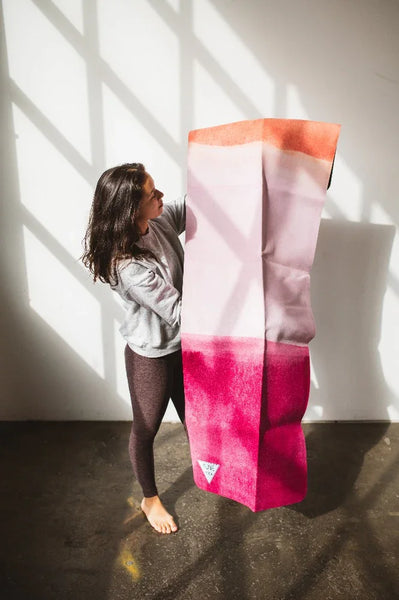
How you dry your suede yoga mat determines whether it stays fresh or develops that dreaded musty smell. The dense fibers that provide excellent grip also trap moisture, creating ideal conditions for mold if not dried properly.
Always air dry your mat completely before storing—this typically takes 4-8 hours depending on humidity. Lay it flat on a clean towel in a well-ventilated area away from direct sunlight, which can fade colors and degrade materials. For faster drying, hang the mat over a shower rod or clothesline, ensuring both sides receive airflow. Never use a clothes dryer, as heat damages the fibers and can cause delamination between the suede top and rubber base. If you notice any lingering dampness after initial drying, flip the mat and continue drying for another 2-4 hours—skipping this step is the leading cause of premature mat failure.
Essential Maintenance Habits for Longevity
The most effective cleaning strategy involves preventing excessive buildup through consistent maintenance. These simple habits require minimal effort but significantly extend your mat’s performance life.
Use a dedicated yoga towel during particularly sweaty practices to create a washable barrier between your body and the mat. Store your mat loosely rolled with the suede side facing out to prevent permanent creases that affect grip. After outdoor practices, always inspect for embedded dirt or sand—which acts as an abrasive during cleaning—and remove particles before wiping down the surface. Never practice on rough surfaces like concrete without a protective ground cloth, as this rapidly wears down the delicate suede texture.
Critical Mistakes That Destroy Suede Yoga Mats
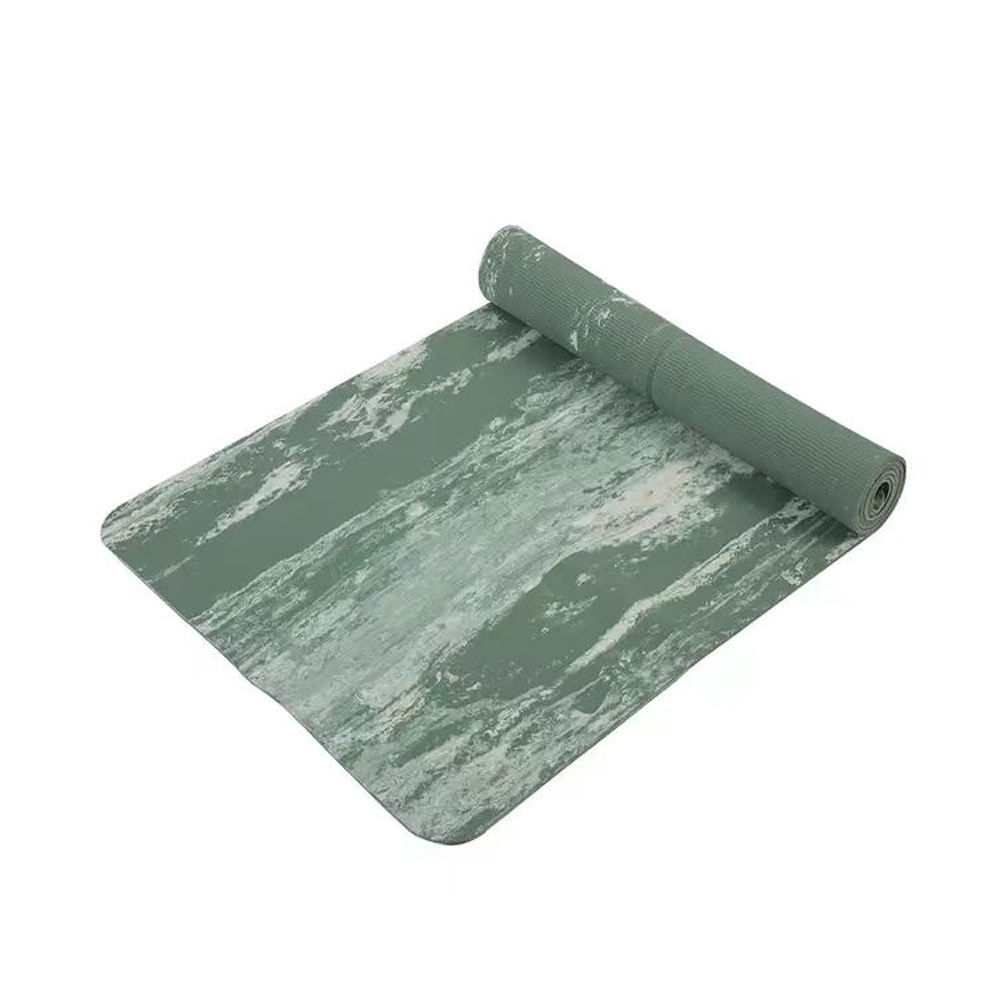
Many practitioners unknowingly damage their expensive mats through seemingly harmless cleaning practices. Avoid these common errors to protect your investment:
Never use disinfecting wipes—they contain alcohol that strips the mat’s texture and leaves a slippery residue. Avoid soaking your mat for extended periods, as excessive water causes the rubber backing to separate from the suede top layer. Never store your mat while damp, even for short periods, as this creates the perfect environment for mildew growth that’s nearly impossible to eliminate. Skip abrasive scrubbing tools entirely—your fingertips provide sufficient cleaning power without damaging fibers.
When It’s Time for a New Suede Yoga Mat
Even with perfect care, all yoga mats eventually reach the end of their useful life. Recognize these signs that indicate replacement time has arrived: persistent odors that return within days of deep cleaning, visible thinning or bald spots in high-contact areas, loss of grip even when the mat is clean and dry, and any separation between the suede top and rubber base layers.
Most quality suede yoga mats last 1-3 years with regular use and proper maintenance. Daily hot yoga practitioners may need replacement closer to the one-year mark, while occasional users can often enjoy 2-3 years of service. When shopping for a replacement, look for mats with reinforced edges and eco-friendly cleaning recommendations that align with the care methods you’ve learned here.
Maintaining your suede yoga mat properly ensures it continues delivering that signature grip and comfort session after session. By implementing these targeted cleaning techniques and avoiding common mistakes, you’ll maximize both hygiene and performance from your investment. Remember that consistent, gentle care beats infrequent aggressive cleaning every time—your mat’s longevity depends on regular attention rather than waiting for problems to develop. Implement these practices today and enjoy a fresh, grippy mat that enhances rather than hinders your practice.