You’ve seen athletes hurling heavy balls to the ground with explosive force, but learning how to do a medicine ball slam properly separates effective training from wasted effort. This dynamic full-body exercise builds raw power, torches calories, and strengthens your entire kinetic chain in ways traditional weightlifting can’t match. When performed correctly, the medicine ball slam transforms your hips into powerful engines that drive force through your core and arms, delivering athletic performance gains that translate directly to sports and daily life. In this guide, you’ll discover the exact technique breakdown, equipment selection secrets, and programming strategies that make this exercise a game-changer for your fitness routine.
Before you grab the heaviest ball available, understand that improper form turns this powerhouse movement into a spine-straining liability. The difference between building explosive power and risking injury comes down to mastering three critical phases: the explosive hip drive upward, the controlled descent, and the impact absorption. Most beginners make the critical mistake of using their arms as the primary movers rather than properly engaging their hips—the true power source in this movement. By the end of this guide, you’ll know exactly how to generate maximum force while protecting your joints through every slam repetition.
Select Your Perfect Medicine Ball: Rubber vs. Leather Slam Options
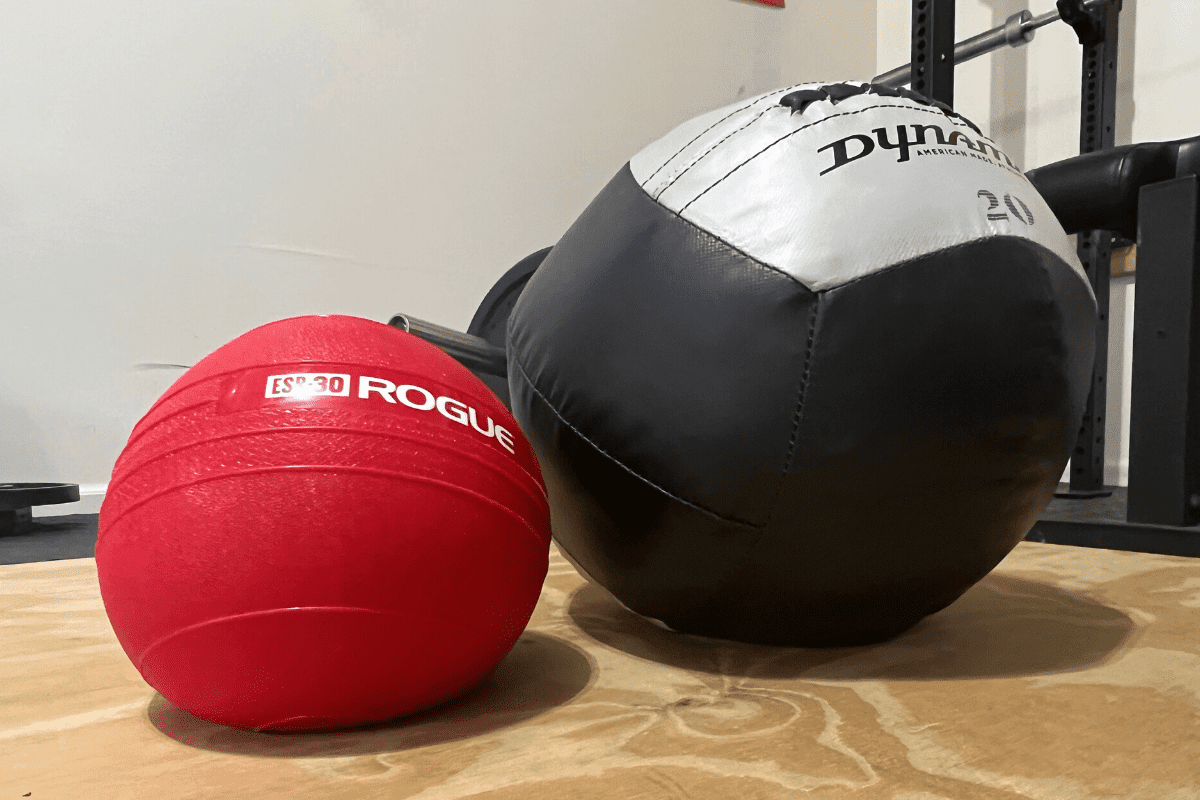
Choosing the right medicine ball makes or breaks your slam training effectiveness. Your first decision involves material selection, as different constructions dramatically impact bounce characteristics and grip security during explosive movements.
Rubber medicine balls provide the most consistent rebound on hard surfaces, making them ideal for beginners learning proper technique. These balls bounce predictably back toward your hands after impact, allowing you to maintain rhythm through consecutive repetitions. The firm surface also offers excellent grip when your palms get sweaty during intense sets. Look for rubber balls with textured surfaces that won’t slip when your hands get damp from exertion.
Leather medicine balls offer superior grip texture that many athletes prefer once they’ve mastered basic technique. While they provide less bounce than rubber options, the enhanced control makes them excellent for advanced users focusing on maximum power output rather than continuous repetitions. The slightly softer surface reduces impact stress on your joints while maintaining durability through hundreds of slams.
Determine Your Starting Weight for Safe, Effective Training
Your initial medicine ball weight should challenge you without compromising form—typically 6-12 pounds for beginners. Grab a ball at the lower end of this range and practice the full movement pattern for 10-15 repetitions. If you can maintain proper hip-driven technique throughout, you’ve found your starting weight. Many beginners make the critical error of selecting weights that force them to round their lower backs during the downward phase, creating dangerous spinal compression.
Intermediate athletes with solid foundational strength should test 12-20 pound balls that allow explosive movement while still requiring significant effort. The weight should feel challenging by the final repetitions of your set, but never so heavy that your technique deteriorates. Advanced users seeking maximum power development may progress to 20-40 pound balls, but only after mastering proper form with lighter loads.
Perfect Your Slam Stance: The Athletic Base That Generates Power
Your feet position determines whether you’ll generate explosive power or waste energy through poor mechanics. Stand with your feet shoulder-width apart, toes pointing slightly outward, and knees bent at approximately 30 degrees—this athletic stance mimics the ready position used by elite athletes before explosive movements.
Lock In Your Core and Grip Before Lifting
Before initiating the upward phase, engage your core by drawing your navel toward your spine and maintaining this tension throughout the entire movement. Place both hands firmly on the ball with fingers spread wide and thumbs positioned opposite your fingers—this grip creates maximum control during high-force movements. Your arms should hang naturally downward with elbows slightly bent, not locked straight, allowing for fluid movement during the explosive lift.
Critical mistake alert: Many beginners hold the ball too high near their chest before lifting, which eliminates the full hip hinge needed for maximum power generation. Instead, start with the ball between your legs at knee height to maximize your range of motion and leverage.
Master the Explosive Upward Drive: Hip Power Over Arm Strength
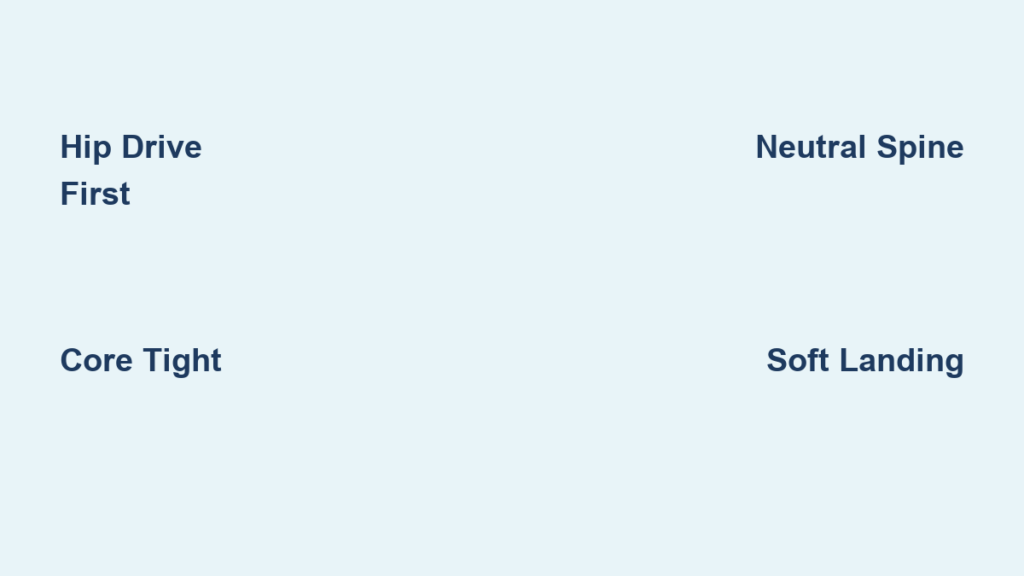
The most common error in medicine ball slams involves using arms as the primary movers rather than properly engaging the hips—the true powerhouse of this movement. To generate maximum force, initiate the lift by explosively extending through your hips, knees, and ankles simultaneously while keeping your arms relatively straight.
Generate Maximum Height Through Proper Sequencing
As you drive upward, pivot on the balls of your feet and allow your heels to lift slightly off the ground. Your arms should follow your lower body movement, not lead it—think of your arms as extensions of your powerful hip drive rather than independent movers. At the peak of your extension, your body should be fully stretched with arms reaching maximum height overhead, chest lifted, and shoulders pulled down and back.
Pro tip: Visualize “jumping through the ceiling” rather than “throwing the ball up.” This mental cue shifts your focus to lower body power generation, where your largest, strongest muscles reside.
Execute the Downward Slam: Controlled Descent for Maximum Impact

The downward phase transforms potential energy into explosive power, but improper technique turns this into a dangerous spinal compression exercise. Immediately after reaching full extension, begin the downward motion by rapidly flexing your hips and knees while actively pulling the ball downward with your lats.
Target Your Slam for Optimal Force Transfer
Aim to slam the ball 6-12 inches in front of your toes rather than directly between your feet. This positioning allows your hips to move freely through the full range of motion without obstruction. Keep your eyes locked on the ball throughout its descent to time your impact perfectly—this visual tracking improves neuromuscular coordination and power output.
Warning: Never round your lower back during the downward phase. Maintain a neutral spine position by keeping your core engaged and imagining a straight line from your tailbone through the top of your head.
Catch and Reset: Managing the Rebound Without Injury
What happens after impact determines whether you complete consecutive repetitions safely or risk joint damage from uncontrolled forces. Upon hitting the ground, the medicine ball will bounce upward with significant force—your job is to absorb this energy through your entire kinetic chain.
Soft Landing Mechanics for Joint Protection
When catching the rebound, allow your hips and knees to flex slightly to absorb the impact forces through your musculature rather than your joints. Keep your arms slightly bent at the elbows to act as shock absorbers—locking your elbows straight transfers destructive forces directly to your shoulder joints. For consecutive repetitions, immediately transition into the next upward phase without pausing; for single reps, reset completely before initiating the next movement.
Expert note: If your ball isn’t bouncing well, check for surface wear or switch to a rubber ball designed specifically for slamming exercises—leather balls often provide less predictable rebound.
Avoid These 3 Dangerous Slam Mistakes
Rounded Spine During Descent
This common error places dangerous compressive forces on your intervertebral discs. Fix it by consciously maintaining core tension throughout the movement and reducing weight until proper technique becomes automatic. Your spine should remain in neutral alignment from start to finish.
Insufficient Hip Extension
Failing to fully extend your hips during the upward phase wastes explosive potential and shifts excessive load to your upper body. Strengthen your posterior chain with hip thrusts and kettlebell swings to develop the hip power needed for proper slams.
Poor Landing Mechanics
Landing with locked knees after catching the rebound transmits destructive forces directly to your joints. Always land softly with hips and knees flexed to absorb impact through your muscles.
Program Your Slams for Maximum Results

Power Development Protocol
For explosive strength gains, perform 3-5 sets of 1-5 repetitions using heavier medicine balls (70-85% of your max). Rest 2-5 minutes between sets to ensure full recovery of your nervous system. This protocol develops maximum power output for athletic performance.
Conditioning Circuit Integration
For fat loss and metabolic conditioning, include medicine ball slams in high-intensity circuits: 8-12 repetitions followed immediately by 10-15 bodyweight squats and 20-30 seconds of rest. Repeat this circuit 4-6 times for a calorie-torching workout that builds functional strength.
Ready to Transform Your Training?
Mastering how to do a medicine ball slam properly unlocks explosive power development that few exercises can match. Start with proper technique at a light weight, focusing on hip drive as your primary power source, maintaining core stability throughout, and landing with soft joints to absorb impact safely. Progress gradually to heavier weights as your strength and skill develop, and soon you’ll experience the transformative power of this dynamic full-body movement. Grab an appropriately weighted medicine ball, find adequate space, and start building the explosive athleticism that elevates your performance in every area of fitness.