Your walking pad suddenly starts squeaking during your morning routine, or you notice the belt struggling to maintain speed. These common issues often signal one critical maintenance task you’ve likely overlooked: proper lubrication. Learning how to lubricate a walking pad correctly isn’t just about quieting annoying noises—it’s the key to extending your machine’s lifespan by 30-50% while ensuring consistent performance. Without proper lubrication, the friction between your walking belt and deck surface accelerates wear, strains the motor, and can lead to costly repairs or premature replacement.
Most users don’t realize that walking pads require lubrication every three to six months, depending on usage. This simple 15-30 minute maintenance task prevents the most common walking pad failures by creating a protective barrier that allows the belt to glide smoothly. In this guide, you’ll discover exactly how to lubricate your walking pad properly, including selecting the right lubricant, avoiding costly mistakes, and recognizing when your machine needs attention—helping you enjoy years of reliable service from your fitness investment.
Stop Squeaking and Belt Slippage with Proper Lubrication
Walking pad squeaking isn’t just annoying—it’s your machine’s warning sign that friction has reached damaging levels. When the belt rubs against the deck without adequate lubrication, heat builds up rapidly, degrading both components and forcing the motor to work harder. This friction cycle creates multiple problems that escalate quickly if ignored.
Why Friction Destroys Walking Pad Performance
Without proper lubrication, the constant contact between your walking belt and deck generates excessive heat that breaks down belt material over time. This heat causes the belt to become stiff and brittle, making it more prone to cracking and fraying. The motor must compensate for increased resistance by drawing more power, which accelerates electrical component wear. In severe cases, the belt can actually melt slightly to the deck surface, creating permanent damage that requires complete replacement.
How Lubrication Protects Your Investment
Applying the correct lubricant creates a microscopic barrier between the belt and deck that dramatically reduces friction. This protective layer allows the belt to glide effortlessly while preventing heat buildup that damages components. Proper lubrication also helps repel dust and debris that would otherwise accumulate between the belt and deck, creating abrasive particles that accelerate wear. The result? A walking pad that operates quietly, uses less energy, and maintains consistent performance through thousands of miles of use.
Select Your Walking Pad’s Perfect Lubricant
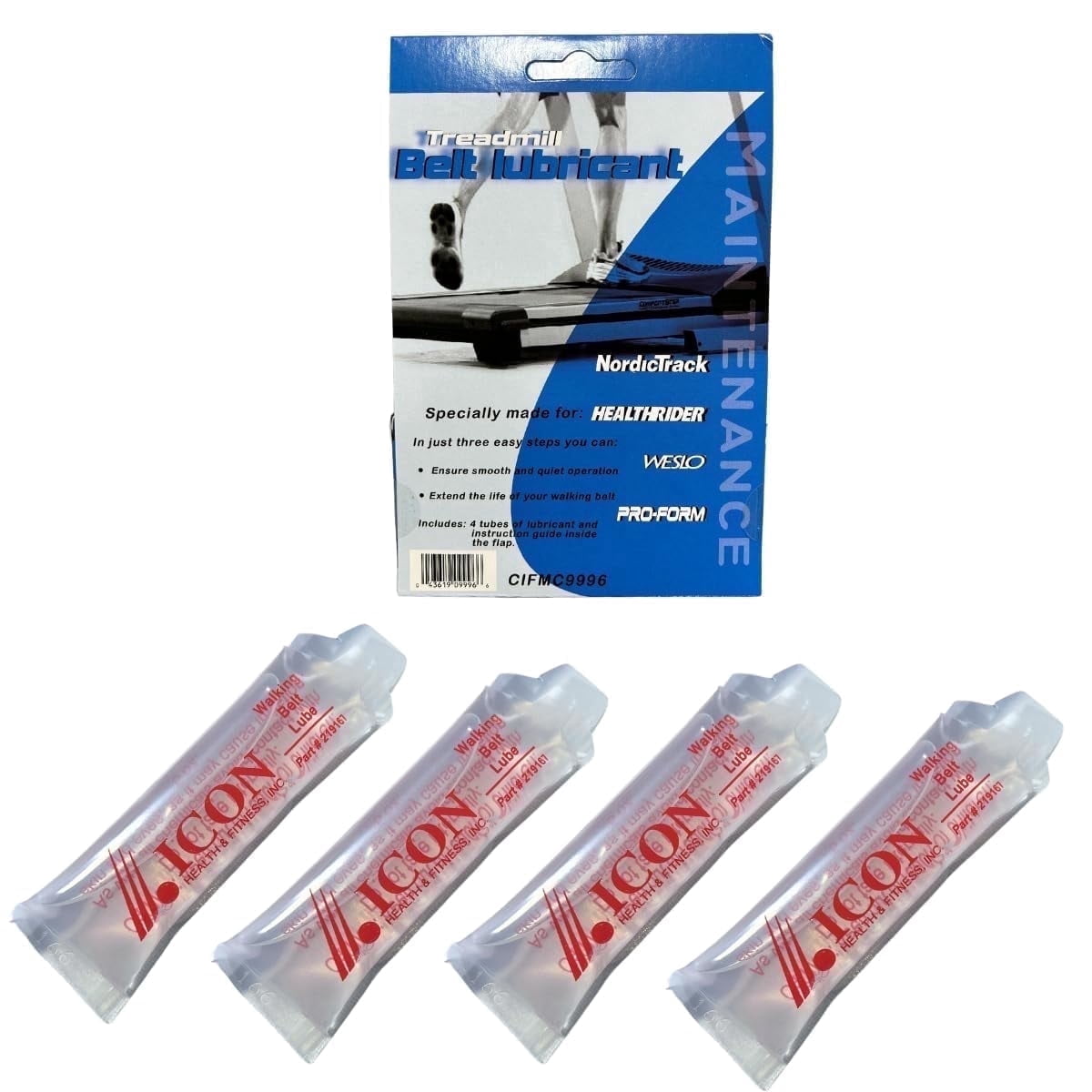
Choosing the wrong lubricant can cause more harm than good, so selecting the correct product is critical for proper maintenance. Not all lubricants work equally well with walking pad components, and some common household products can actually degrade your machine’s performance and longevity.
Why Silicone-Based Lubricants Outperform Alternatives
Silicone lubricants specifically formulated for walking pads and treadmills represent the safest and most effective choice for most users. These products create a durable protective layer that doesn’t attract dust or evaporate quickly like petroleum-based alternatives. The best silicone lubricants come in spray bottles with extension tubes that allow precise application beneath the walking belt without complete disassembly. Always choose products labeled specifically for fitness equipment rather than general-purpose silicone sprays, as equipment-specific formulas contain additives that protect against belt degradation while maintaining optimal friction levels.
Products That Damage Walking Pads
Avoid these common household items at all costs:
– WD-40 and similar penetrating oils – These petroleum-based products break down rubber belt material
– Cooking oils and household lubricants – Attract dust and debris while degrading belt material
– General-purpose silicone sprays – Lack the specific formulation needed for walking pad components
Using these inappropriate products creates a sticky residue that attracts dust and accelerates wear, potentially causing irreversible damage to your walking pad’s belt and deck surface.
Gather These 5 Essential Tools Before Starting

Having the right tools ready ensures you complete the lubrication process efficiently without damaging your walking pad. Most users already have these common household items on hand, making walking pad maintenance accessible to everyone.
Required Tools Checklist
- Phillips head screwdriver – For removing access panels (some models require flathead)
- Microfiber cloths – Essential for cleaning without leaving fibers behind
- Lubricant with extension tube – Allows precise application beneath the belt
- Soft-bristled brush – For removing dust and debris from deck surface
- Flashlight – Provides better visibility beneath the walking belt
Safety First: Power Down and Cool Off
Always follow these critical safety steps before beginning:
1. Unplug your walking pad from the electrical outlet
2. Allow the machine to cool for 15-20 minutes if recently used
3. Clear the area around your walking pad to ensure safe access
4. Lay down old towels to catch any lubricant drips
Skipping these safety precautions risks electrical shock or accidental activation while working on your machine.
Apply Lubricant Correctly in 4 Critical Steps
Following the proper application technique ensures even coverage without over-lubrication, which is just as damaging as insufficient lubrication. Most walking pad failures after lubrication occur because users skip one of these essential steps.
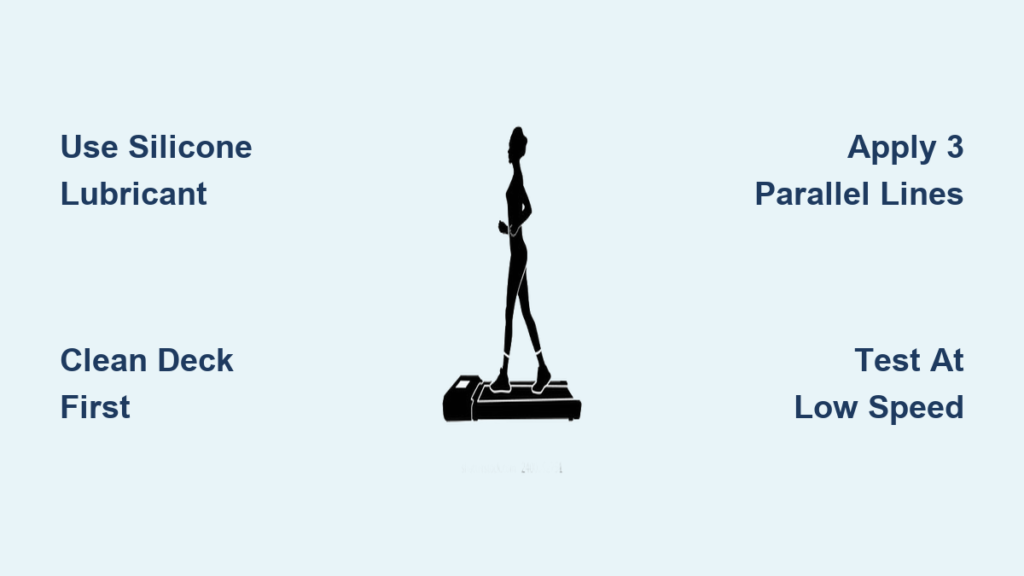
Step 1: Clean the Deck Surface Thoroughly
Remove all dust and old lubricant residue before applying fresh product. Use your soft-bristled brush to remove loose debris, then wipe the deck surface with a dry microfiber cloth. For stubborn buildup, slightly dampen the cloth with water—but never use chemical cleaners that could damage the deck surface. This cleaning step is non-negotiable; applying new lubricant over dirt creates an abrasive paste that accelerates wear.
Step 2: Apply the Exact Right Amount
Shake your silicone lubricant vigorously for 30 seconds, then apply three parallel lines across the deck surface:
– One line down the center
– One line 2-3 inches from each edge
Use approximately one ounce total for standard walking pads (half ounce for compact models). Too little lubricant won’t protect adequately, while excess causes belt slippage and attracts debris.
Step 3: Distribute Evenly by Hand
Carefully lower the belt edges back into position, then manually rotate the belt through 5-10 complete revolutions. This distributes the lubricant evenly across the entire contact surface. Listen for smooth movement—any grinding or resistance indicates uneven distribution that needs correction.
Step 4: Test at Low Speed Before Regular Use
Reassemble any removed panels, then power on your walking pad. Start at the lowest speed setting and walk for 2-3 minutes to ensure proper operation. Check for:
– Belt slippage (indicates excess lubricant)
– Persistent squeaking (indicates insufficient coverage)
– Unusual vibrations (suggests uneven application)
If issues occur, power off immediately and troubleshoot before continuing use.
Establish Your Perfect Lubrication Schedule
Lubrication frequency depends on how you use your walking pad, not arbitrary calendar dates. Following a usage-based schedule ensures optimal performance while preventing both under- and over-lubrication.
Match Frequency to Your Usage Pattern
- Daily users (30+ minutes): Lubricate every 3 months
- Regular users (3-5 times weekly): Lubricate every 4-6 months
- Occasional users (1-2 times weekly): Lubricate annually
Critical adjustment: Increase frequency by 50% if your walking pad is in a dusty environment or used in extreme temperatures. Humidity and dust dramatically accelerate lubricant breakdown.
Recognize These 5 Warning Signs You Need Lubrication Now
Don’t wait for complete failure—these early indicators tell you exactly when your walking pad needs immediate attention.
Performance Red Flags
- Squeaking or grinding noises during normal operation
- Belt hesitation or slippage at regular walking speeds
- Motor strain sounds when starting or maintaining speed
- Increased power consumption without explanation
- Uneven belt tracking toward one side of the deck
If you notice any of these signs, lubrication is likely overdue and should be performed immediately to prevent further damage.
Fix These Common Lubrication Mistakes Immediately

Even experienced users make these preventable errors that compromise walking pad performance and longevity.
Over-Lubrication: The Silent Belt Killer
Applying too much lubricant causes immediate belt slippage and creates long-term problems as excess product migrates toward electrical components. Solution: Start with half the recommended amount, test operation, then add more only if needed. Wipe away any visible excess with a clean cloth.
Skipping the Cleaning Step
Applying new lubricant over old residue creates an abrasive mixture that accelerates wear. Solution: Always clean thoroughly before lubrication—this single step doubles the effectiveness of your maintenance.
Maintain Peak Performance Between Lubrication Sessions
Extend time between lubrication appointments with these simple daily habits that keep your walking pad running smoothly.
Daily Maintenance Routine
- Wipe the walking surface with a dry cloth after each use
- Vacuum around the base weekly to prevent dust accumulation
- Check belt alignment monthly (should run centered without drifting)
- Verify proper tension quarterly (2-3 inches of play when pressed)
These quick habits prevent 80% of common walking pad issues and make your lubrication sessions more effective when they’re needed.
Final Note: Consistent, proper lubrication transforms your walking pad from a potential frustration into a reliable fitness companion that serves you for years. By following these specific steps—using the right lubricant, applying the correct amount, and establishing a usage-based schedule—you’ll avoid the most common walking pad failures while enjoying smooth, quiet operation. Remember to check for warning signs regularly and never skip the essential cleaning step before lubrication. With just 15-30 minutes of maintenance every few months, you’ll protect your investment and keep your walking pad performing like new through thousands of miles of use.