Your walking pad is working harder than you think with every step you take. As this compact fitness solution becomes a staple in home workouts, many users overlook one critical maintenance task that can make or break the machine’s longevity: proper lubrication. When your walking pad’s belt lacks adequate lubrication, you’ll notice increased resistance, annoying squeaks, and potentially costly damage to the motor. Learning how to lubricate walking pad components correctly isn’t just about silencing those irritating sounds—it’s about protecting your investment and ensuring smooth, efficient operation for years to come. This guide will walk you through everything you need to know to maintain your walking pad’s performance through proper lubrication techniques.
Most walking pad owners don’t realize their machine needs lubrication until problems arise. Unlike traditional treadmills with visible maintenance points, walking pads have compact designs that hide the critical belt-deck interface where friction builds up over time. By the time you hear squeaking or feel increased resistance underfoot, significant wear may have already occurred. The good news is that lubricating your walking pad takes less than thirty minutes, requires minimal tools, and can extend your machine’s life by several years. Whether you’re a casual walker or log daily miles on your compact fitness solution, understanding this essential maintenance task will keep your walking pad operating at peak performance.
Recognizing When Your Walking Pad Needs Lubrication

Ignoring lubrication needs can turn your quiet, compact fitness machine into a noisy distraction that compromises your workout experience. Several clear indicators signal it’s time to address your walking pad’s lubrication requirements.
Persistent squeaking or grinding noises during operation serve as your most obvious warning. That high-pitched sound isn’t just annoying—it’s your walking pad screaming for help. As the belt rubs against the deck with insufficient lubrication, friction generates these noises that start subtly but intensify over time. Unlike temporary sounds that might occur when first using the machine, persistent squeaking that continues after a few minutes of walking indicates a lubrication issue rather than normal break-in period sounds.
Increased walking resistance makes your workout feel unnecessarily strenuous. When your walking pad requires more effort to maintain your usual pace, it’s not your fitness level declining—it’s your machine fighting against excessive friction. This added resistance forces the motor to work harder, consuming more energy and generating additional heat that can shorten component lifespans. You might notice the belt feels “sticky” or requires a stronger push-off with each step compared to when the machine was new.
Visible belt wear patterns often accompany lubrication issues. Inspect the walking surface for uneven wear, particularly along the edges or center where your feet typically contact the belt. Cracking, fraying, or separated layers indicate the belt has been running dry for an extended period. While lubrication won’t reverse existing damage, addressing the issue promptly prevents further deterioration and potential belt failure during your next workout session.
Gathering Correct Lubrication Supplies for Walking Pads
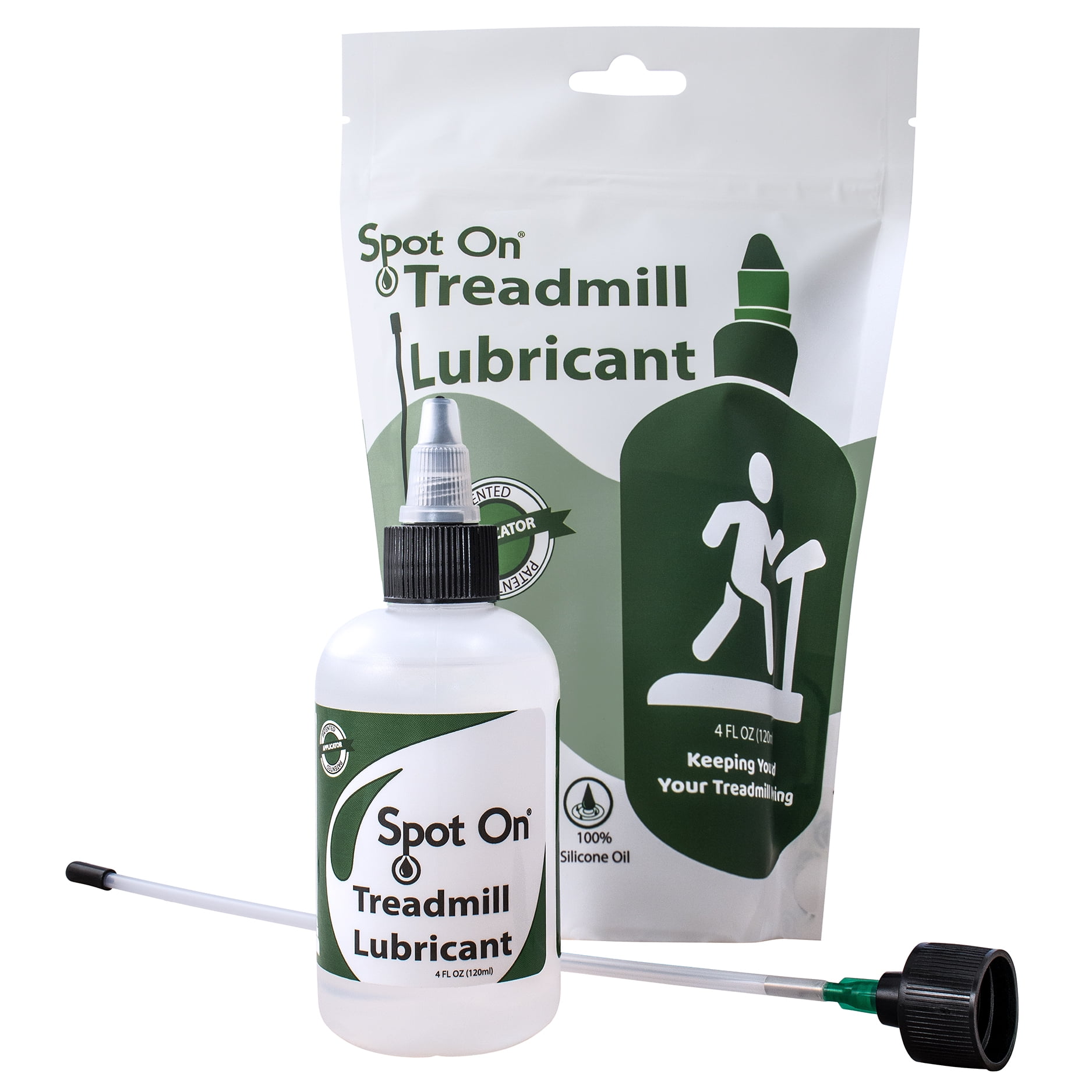
Using inappropriate lubricants can cause more harm than good, potentially voiding warranties and damaging critical components. Assembling the right supplies ensures your maintenance effort delivers positive results without unintended consequences.
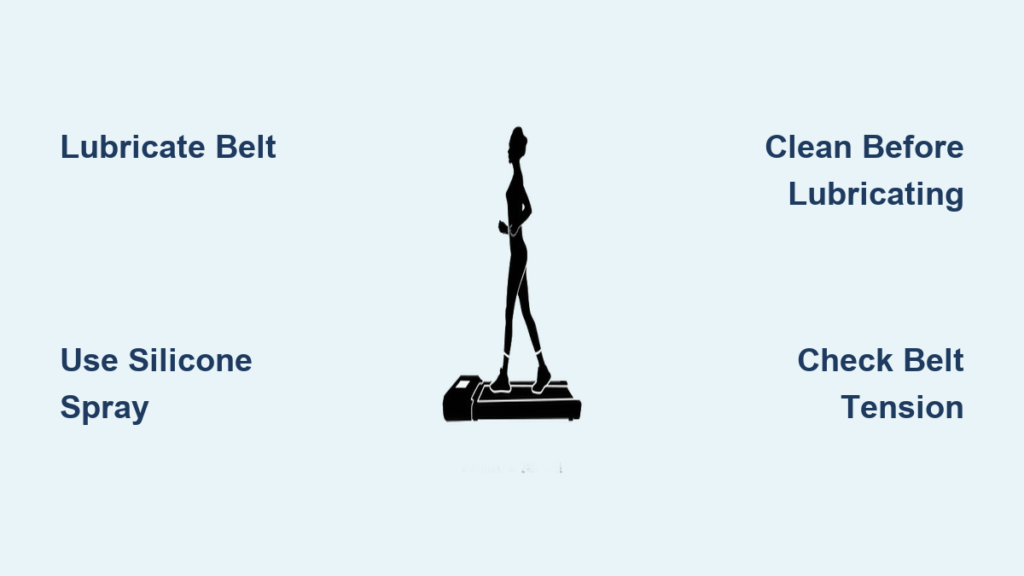
Silicone-based lubricant specifically formulated for walking pads provides optimal performance without damaging rubber components. Unlike petroleum-based products that cause rubber to swell and degrade, silicone lubricants maintain belt integrity while reducing friction. Look for products labeled explicitly for treadmill or walking pad use, typically available in squeeze bottles with precision applicator nozzles. These specialized lubricants contain the ideal viscosity to stay in place without migrating to unwanted areas or attracting excessive dirt.
Precision application tools make the difference between professional results and messy over-application. Most walking pad lubricants come with narrow nozzles designed to fit between the belt and deck surface. If your product lacks this feature, consider using a clean plastic spreader or flexible card to distribute lubricant evenly without scratching components. Avoid makeshift metal tools that could puncture the belt or damage the deck surface during application.
Pre-lubrication cleaning supplies ensure maximum effectiveness of your maintenance effort. Before applying fresh lubricant, prepare the belt and deck with a soft microfiber cloth, mild cleaning solution, and vacuum with crevice attachment. Removing accumulated dust, skin cells, and old lubricant residue creates a clean surface for new lubricant to adhere properly. This preparatory step is crucial—applying fresh lubricant over debris creates an abrasive paste that accelerates wear rather than preventing it.
Critical Safety Steps Before Lubricating Your Walking Pad

Skipping proper safety precautions transforms a simple maintenance task into a potential hazard for both you and your equipment. Following these essential steps protects everyone involved and ensures a successful lubrication process.
Complete power disconnection is non-negotiable before beginning any maintenance. Unplug your walking pad from the wall outlet and remove any batteries from remote controls or display panels. This prevents accidental activation while your hands are near moving components—a safety measure that could prevent serious injury. Many users make the mistake of thinking their machine is safe because it’s turned off, but residual electrical charge or accidental button presses can activate the belt unexpectedly.
Allow sufficient cooling time after your last workout session. A recently used walking pad develops heat in the motor and belt components that affects lubricant behavior. Applying lubricant to warm surfaces causes it to spread unevenly and may create slippery spots that compromise safety during your next use. Waiting at least 30 minutes ensures all components have returned to room temperature for optimal lubricant application and distribution.
Create a clean, well-lit workspace around your walking pad. Clear the surrounding area of obstacles, lay down protective covering if working on carpet, and ensure adequate lighting to see the belt-deck interface clearly. This preparation prevents tripping hazards, protects your flooring from lubricant spills, and makes the entire process more efficient. Proper workspace setup reduces the likelihood of mistakes caused by poor visibility or cramped working conditions.
Detailed Walking Pad Lubrication Procedure
Following a systematic approach ensures thorough lubrication without damaging your compact fitness equipment. This step-by-step process delivers professional results even for first-time maintenance attempts.
Access the belt-deck interface by carefully lifting the walking belt along one edge. Most walking pads allow gentle prying using a plastic tool or the edge of a credit card to create a 1-2 inch gap between belt and deck. Work slowly along the length of the machine, lifting just enough to insert your lubricant applicator without dislodging belt alignment. For folding models, ensure the machine is in the fully extended position before attempting belt access.
Apply lubricant precisely along the center contact strip where the belt meets the deck during operation. Squeeze a thin, continuous line of lubricant approximately ¼ inch wide along the entire deck length, focusing on the area directly beneath where your feet contact the belt. Use controlled, steady pressure to avoid over-application—less is better since you can always add more if needed. Most walking pads require only 2-3 ounces of lubricant per maintenance session.
Distribute lubricant evenly by manually rotating the belt through multiple complete revolutions. Walk the belt slowly by hand, feeling for smooth movement and listening for any remaining friction points. Continue rotating until you achieve consistent, quiet operation throughout the entire belt cycle. This manual distribution ensures lubricant reaches all contact points and prevents dry spots that could cause uneven wear during your next workout.
Verify proper belt tension and alignment after completing lubrication. The belt should have 1-2 inches of vertical deflection when pressed firmly at the center point. If the belt feels too loose or tight, consult your owner’s manual for adjustment procedures before using the machine. Proper tension ensures optimal lubricant distribution during operation and prevents premature belt wear that could negate your maintenance efforts.
Establishing an Effective Lubrication Schedule
Your walking pad’s lubrication needs vary based on actual usage rather than calendar time. Creating a personalized maintenance schedule prevents both under-lubrication and the equally damaging over-lubrication.
Light users (1-3 hours weekly) should lubricate every 4-6 months. Occasional walkers who use their machine for brief daily sessions can maintain this less frequent schedule while monitoring for early warning signs. Setting seasonal reminders (e.g., “lubricate when clocks change”) helps incorporate maintenance into existing routines without overwhelming schedule.
Regular users (4-8 hours weekly) require lubrication every 2-3 months. Consistent walkers who rely on their compact fitness solution for daily exercise should track usage hours and schedule maintenance accordingly. Many modern walking pads include usage counters that help determine optimal lubrication timing based on actual machine hours rather than guesswork.
Heavy users (8+ hours weekly) benefit from monthly lubrication checks. Multiple household members sharing the machine or dedicated walkers logging extended sessions create significant friction that demands more frequent attention. For these high-usage scenarios, consider keeping lubricant readily accessible near the machine for quick touch-ups when early warning signs appear.
Avoiding Costly Lubrication Mistakes
Even well-intentioned maintenance can cause damage when common lubrication errors occur. Steering clear of these pitfalls protects your walking pad from preventable harm.
Using inappropriate lubricants causes irreversible damage to rubber components. Household oils, WD-40, and petroleum-based products deteriorate belt material over time, leading to cracks and premature failure. Always verify that your lubricant is specifically formulated for walking pads or treadmills—this single choice determines whether your maintenance extends or shortens your machine’s lifespan.
Over-application creates slip hazards and attracts debris. Excess lubricant migrates to walking surfaces, creating dangerous slipping conditions, while also acting like glue for dust and dirt. The resulting abrasive paste accelerates wear more severely than insufficient lubrication. When in doubt, apply less—you can always add more during your next maintenance session if needed.
Skipping pre-lubrication cleaning undermines the entire maintenance effort. Applying fresh lubricant over accumulated dirt and old residue traps contaminants against the belt surface, creating friction points that increase rather than decrease wear. Always dedicate time to thorough cleaning before lubrication for optimal results.
Conclusion: Protect Your Walking Pad Investment
Mastering how to lubricate walking pad components properly represents one of the most cost-effective maintenance tasks you can perform. By recognizing early warning signs, using appropriate lubricants, and following a usage-based maintenance schedule, you’ll extend your machine’s lifespan while ensuring smooth, quiet operation for years to come. The modest time investment required for proper lubrication prevents costly repairs and potential replacement expenses down the line. Pair your lubrication efforts with regular cleaning and belt inspections to create a comprehensive maintenance routine that maximizes your walking pad’s performance. Remember that consistent, proper care transforms your compact fitness solution from a short-term novelty into a reliable long-term companion for your health journey—ensuring every step you take contributes to your wellness goals rather than fighting against a poorly maintained machine.