That annoying squeak disrupting your walking session or the sluggish belt dragging underfoot signals it’s time for maintenance. Learning how to lubricate walking pad belt properly transforms your daily workout from frustrating to fluid. Without regular lubrication, your walking pad’s belt creates excessive friction that strains the motor, accelerates wear, and turns quiet exercise into an irritating noise show. This essential maintenance task takes just 30 minutes but extends your equipment’s lifespan by years while ensuring smooth, quiet operation for your daily walks.
Your walking pad’s belt endures constant stress with every step, generating heat and friction against the deck surface. When neglected, this friction causes the rubber or PVC material to degrade prematurely, leading to costly repairs or early replacement. By mastering the proper technique for how to lubricate walking pad belt, you’ll maintain optimal performance, reduce energy consumption, and preserve that like-new glide you enjoyed when first unboxing your equipment.
Why Your Walking Pad Belt Needs Regular Lubrication
Every step you take creates friction between the belt and deck that generates heat and wears down materials. Without proper lubrication, this friction increases dramatically—forcing your motor to work 30-50% harder to maintain speed. This unnecessary strain not only shortens motor life but also creates that telltale squeaking or grinding noise that makes walking sessions unpleasant.
A well-lubricated belt reduces surface temperature by up to 25 degrees Fahrenheit during operation, preventing the heat buildup that causes rubber and PVC materials to crack and degrade. This temperature control significantly extends both belt and motor lifespan, potentially adding 2-3 years to your equipment’s service life with proper maintenance. You’ll immediately notice the difference in smoother operation and dramatically reduced noise levels after correct lubrication.
Choosing the Right Lubricant for Your Specific Model

Silicone-Based Lubricants: The Home User’s Best Choice
100% pure silicone sprays specifically formulated for fitness equipment deliver the ideal balance of performance and ease of use for most home walking pads. These lubricants create a durable, heat-resistant barrier that maintains effectiveness for 2-3 months under typical home use. When selecting silicone products, avoid household multi-purpose sprays containing additives that degrade belt materials—look for labels specifying “treadmill” or “fitness equipment” use.
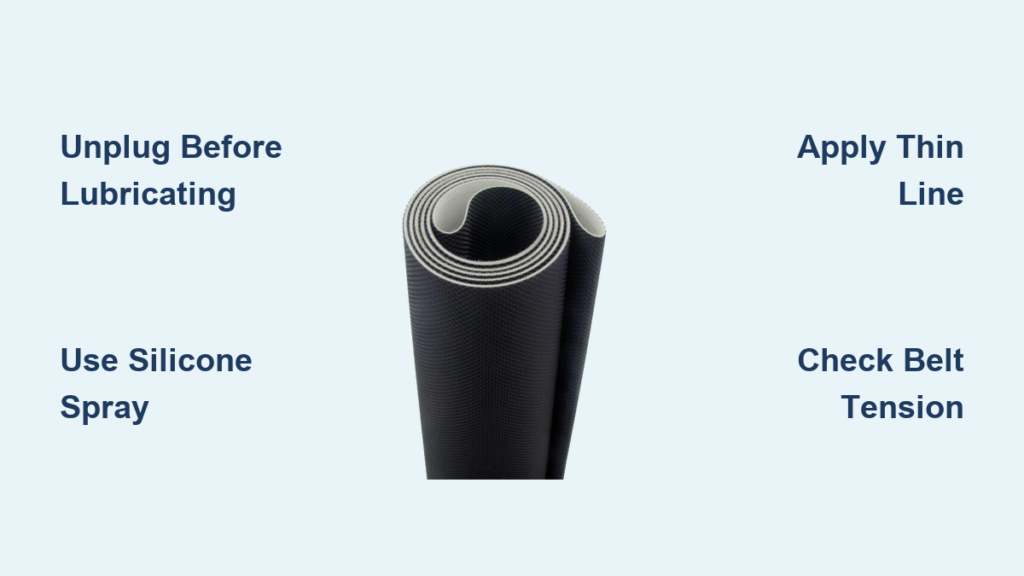
Premium silicone lubricants cost $10-$25 per bottle but provide 6-8 applications, making them cost-effective for regular maintenance. Apply these by inserting the straw nozzle between belt and deck, spraying a thin line down the center before working toward the edges. The lubricant should feel slick but not wet to the touch after proper application.
Teflon and Wax Alternatives for Special Cases
Teflon (PTFE) lubricants excel for walking pads subjected to heavy daily use (2+ hours), creating an ultra-thin protective coating that maintains effectiveness longer than silicone options. These premium products typically cost $15-$30 but may extend maintenance intervals by 25-30%, making them worthwhile for commercial settings or avid users. Apply Teflon sprays using the same technique as silicone but allow 15 minutes for bonding before operation.
Wax-based lubricants serve as excellent alternatives in dusty environments since they don’t attract debris like liquid lubricants. Apply solid wax bars directly to the deck surface after lifting the belt, working the wax into a thin, even coat across the entire walking area. While slightly more labor-intensive, wax lubricants provide exceptional longevity (up to 4 months between applications) with minimal cleanup.
Essential Safety Steps Before You Begin
Power Down and Prepare Your Workspace
Always unplug your walking pad from the wall outlet before starting maintenance—never rely solely on the power switch. Allow the machine to cool completely if recently used, as lubricating hot components causes uneven application. Clear a 3-foot radius around your equipment and lay down old towels to catch lubricant drips.
Gather these essentials before beginning:
– Your chosen lubricant (silicone, Teflon, or wax)
– Allen wrench or screwdriver for belt access
– Two clean microfiber cloths
– Soft-bristled brush for debris removal
– Flashlight for inspecting hard-to-see areas
Never skip the cleaning step—applying lubricant over dirt and debris creates an abrasive paste that accelerates wear. Use the brush to remove loose particles from the belt surface and deck, then wipe with a slightly damp cloth to eliminate residue. Allow the surface to dry completely before proceeding.
Step-by-Step Lubrication Process: Belt Access to Final Test
1. Accessing the Belt and Deck (5 minutes)
Locate the rear roller adjustment bolts (typically hex bolts requiring an Allen wrench) and loosen them approximately one to two full turns—do not remove completely. Gently lift the walking belt edge to expose the deck surface beneath. If resistance occurs, check that bolts are sufficiently loosened. Some models feature hinged decks that lift automatically when bolts are adjusted.
2. Applying Lubricant Correctly (7 minutes)
For spray lubricants, insert the nozzle between belt and deck, aiming for the center of the deck surface. Apply a thin, continuous line of lubricant along the full length of the deck while slowly walking the belt manually. Less is more—excessive lubricant causes slippage and creates a mess. For wax lubricants, apply directly to the deck surface using circular motions until the entire surface has a thin, even coating.
3. Distributing and Testing (8 minutes)
Carefully lower the belt, ensuring proper alignment, then tighten rear bolts evenly. Walk on the pad at 1.0-1.5 mph for 3-5 minutes to distribute lubricant evenly. Listen carefully for any squeaking that indicates missed spots. After distribution, wipe excess lubricant from belt edges and roller areas with a clean cloth.
How Often Should You Lubricate Based on Usage
| Usage Level | Frequency | Indicators It’s Time |
|---|---|---|
| Light (under 30 min/day, 3x/week) | Every 4-6 months | Occasional squeak at startup |
| Moderate (30-60 min/day) | Every 2-3 months | Noticeable friction, slight noise |
| Heavy (60+ min/day) | Monthly | Consistent squeaking, belt drag |
Environmental factors significantly impact lubrication needs—dusty environments or high humidity may require 25% more frequent maintenance. Track your usage in a simple notebook: date, lubricant type, and any observations. This log helps identify patterns and prevents both under- and over-lubrication.
Troubleshooting Common Lubrication Problems

Belt Slipping After Lubrication
If your belt slips after maintenance, immediately stop using the pad and wipe excess lubricant from belt and deck surfaces with a dry cloth. Over-lubrication creates a slippery interface that prevents proper traction. If slippage continues after cleaning, check belt tension—proper deflection should be 2-3 inches when pressed firmly in the center. Adjust rear roller bolts incrementally until correct tension is achieved.
Persistent Squeaking Despite Lubrication
Squeaking that continues after proper lubrication typically indicates insufficient lubricant distribution or underlying mechanical issues. First, verify you’ve applied lubricant along the entire belt length, not just in one section. If squeaking persists, check roller bearings for smooth rotation—rough or stiff rollers need professional attention. Never ignore grinding noises, as these indicate serious mechanical problems requiring immediate service.
When It’s Time for Belt Replacement Instead
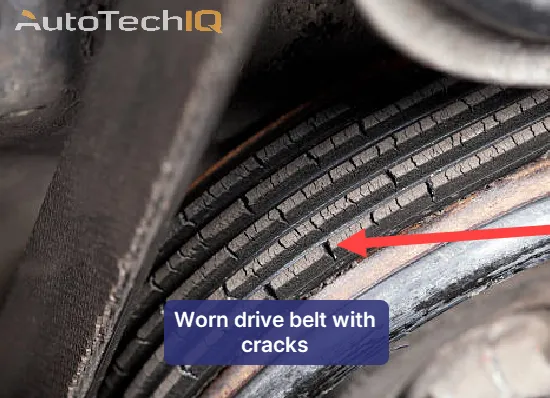
Critical Warning Signs
Replace your belt rather than lubricate when you notice:
– Visible cracks or tears in the walking surface
– Thinning areas where underlying layers show through
– Frayed edges that continue to deteriorate
– Persistent slipping despite proper tension and lubrication
Belt lifespan typically ranges from 2-5 years for home use, but heavy usage or improper maintenance can shorten this significantly. Proactive replacement before complete failure prevents damage to rollers and deck surfaces that increases repair costs substantially.
Final Maintenance Tips for Long-Term Performance
Establish a simple routine: lubricate every 2-3 months for moderate users, clean the belt surface weekly with a dry cloth, and check tension monthly by pressing the center of the belt. Always walk in clean, non-marking footwear to minimize debris accumulation that accelerates wear. Store your walking pad away from direct sunlight and temperature extremes, as these conditions degrade belt materials regardless of lubrication quality.
By mastering how to lubricate walking pad belt properly, you’ll enjoy smoother workouts, quieter operation, and significantly extended equipment life. This simple 30-minute maintenance task saves hundreds in potential repairs while ensuring your walking pad delivers reliable performance for years of daily use. Keep your lubricant accessible and schedule reminders—you’ll quickly recognize the difference proper maintenance makes in your walking experience.