Your walking pad treadmill suddenly feels sluggish, makes unusual noises, or seems harder to walk on than before. These are classic signs your walking pad needs lubrication—a simple maintenance task that can extend your machine’s lifespan by years. Without proper lubrication, the friction between the belt and deck increases dramatically, causing premature wear and potentially expensive repairs. In this guide, you’ll learn exactly how to lubricate your walking pad treadmill correctly, avoiding common mistakes that could damage your equipment. By following these steps, you’ll restore smooth operation and ensure your daily walking routine remains comfortable and effective.
Why Proper Lubrication Extends Your Walking Pad’s Lifespan
Walking pad treadmills operate under constant friction between the walking surface and the underlying deck. Unlike traditional treadmills with running belts, walking pads have unique construction that requires specific lubrication approaches. When lubrication wears down, the motor works harder to maintain the same speed, increasing energy consumption and component stress. Most manufacturers recommend lubricating your walking pad every 3-6 months depending on usage frequency, though heavier use may require more frequent maintenance.
Signs Your Walking Pad Needs Immediate Lubrication
Listen for these critical warning signals:
– Unusual squeaking, grinding, or screeching sounds during operation
– Inconsistent speed or sudden halting during use
– The motor straining noticeably when starting up
– Visible wear patterns on the walking surface
– Increased resistance making walking feel more difficult
How Often Should You Lubricate Based on Usage
Your lubrication schedule depends entirely on how frequently you use your walking pad:
– Light use (1-2 hours weekly): Lubricate every 6 months
– Moderate use (3-5 hours weekly): Lubricate every 4 months
– Heavy use (daily, multiple sessions): Lubricate every 2-3 months
Pro Tip: Keep a maintenance log on your phone to track your last lubrication date and set reminders for the next session. Most walking pad malfunctions stem from inadequate lubrication rather than mechanical failure.
Essential Tools for Walking Pad Lubrication
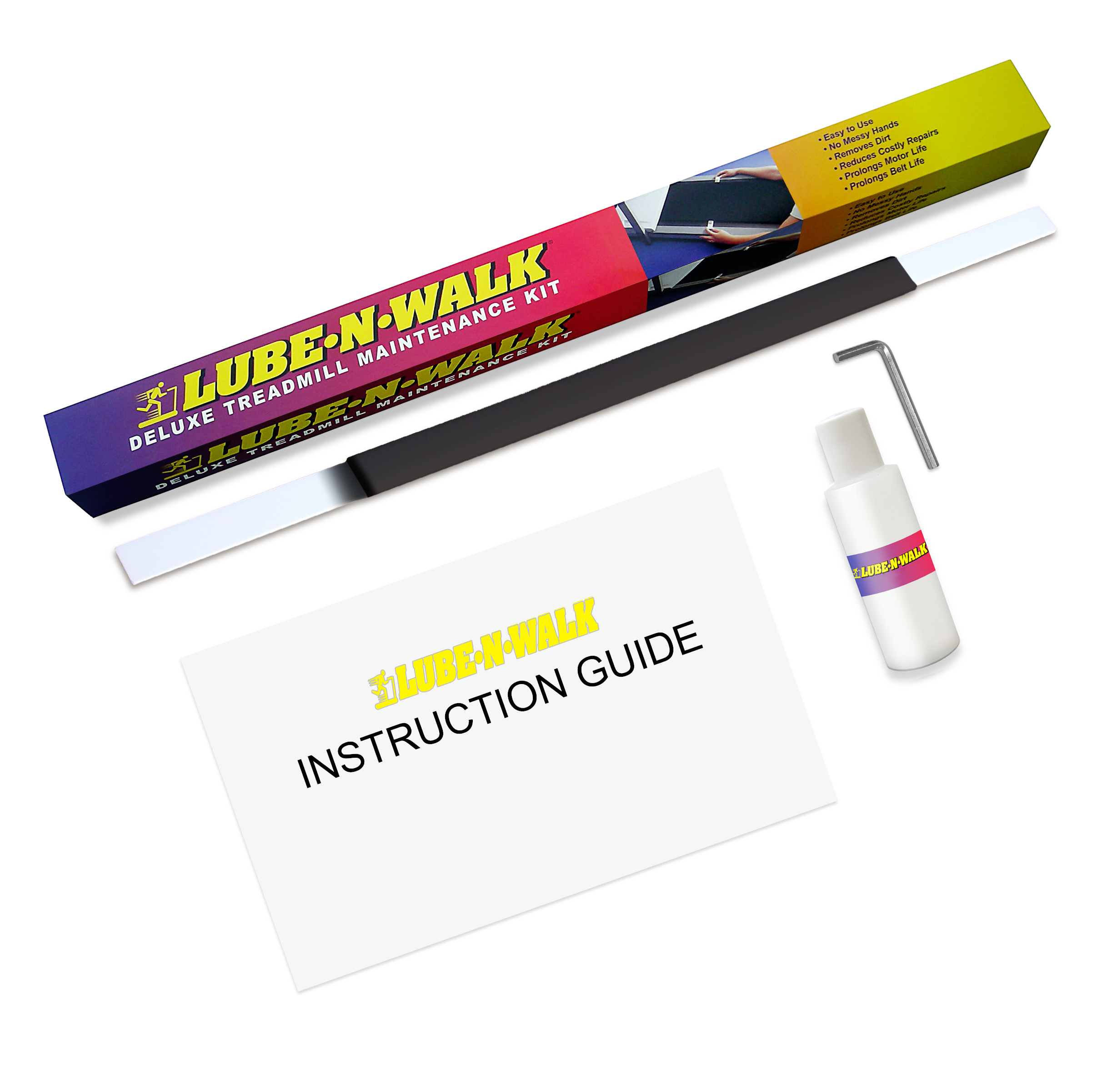
Before starting the lubrication process, gather these specific items to ensure a clean, effective procedure. Having everything ready prevents mid-process interruptions that could lead to uneven lubrication or accidental damage to your equipment.
Must-Have Lubrication Supplies
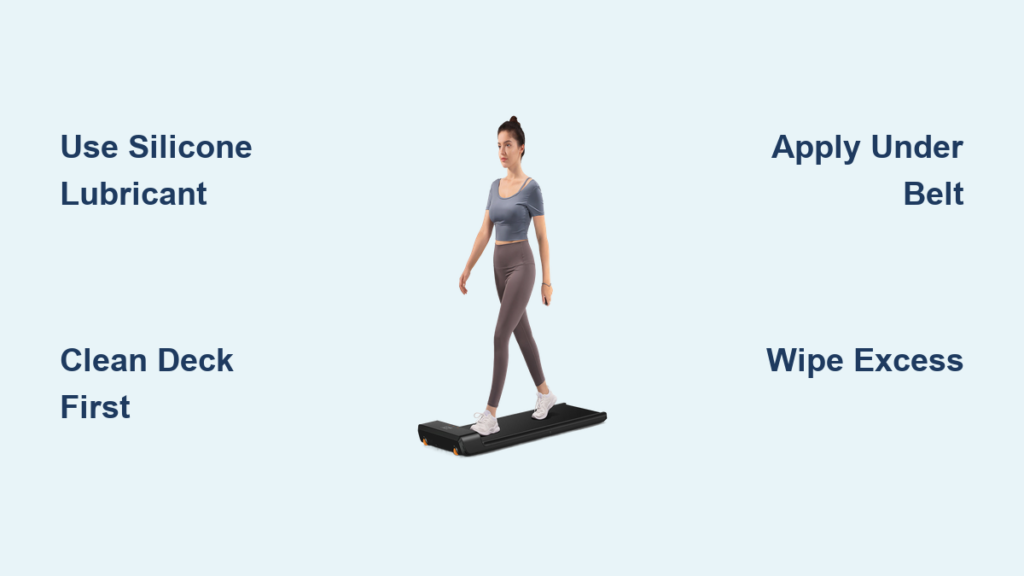
- Silicone-based lubricant specifically designed for walking pads (never use household oils)
- Microfiber cloth for cleaning the surface
- Small funnel or precision applicator bottle
- Soft-bristled brush for deck cleaning
- Phillips head screwdriver (for some models requiring access)
- Rubber gloves to protect your hands
Why Silicone-Based Lubricant Is Non-Negotiable
Using the wrong lubricant can permanently damage your walking pad. Traditional treadmill silicone sprays often contain petroleum distillates that degrade walking pad materials over time. Walking pads require a pure silicone lubricant with no petroleum additives. Check the label carefully—many products marketed for “treadmills” aren’t suitable for walking pads. The wrong lubricant can cause the walking surface to become sticky, attract more dust, or even break down the material composition.
Step-by-Step Lubrication Process for Your Walking Pad
Following these precise steps ensures proper lubrication without creating slippery hazards or damaging internal components. Rushing through this process or skipping steps leads to uneven lubrication that provides temporary relief but causes long-term problems.
Preparing Your Walking Pad for Lubrication
- Unplug the walking pad completely—never work on electrical components while powered
- Wipe the entire walking surface with a dry microfiber cloth to remove dust and debris
- If your model allows, gently lift the walking belt edges to access the deck underneath
- Use the soft-bristled brush to clean any accumulated dust from the deck surface
- Allow the deck to dry completely if you used any cleaning agents (water-based cleaners only)
Critical Warning: Never apply lubricant to a dirty deck surface. Dust and debris mixed with lubricant creates an abrasive paste that accelerates wear instead of reducing it.
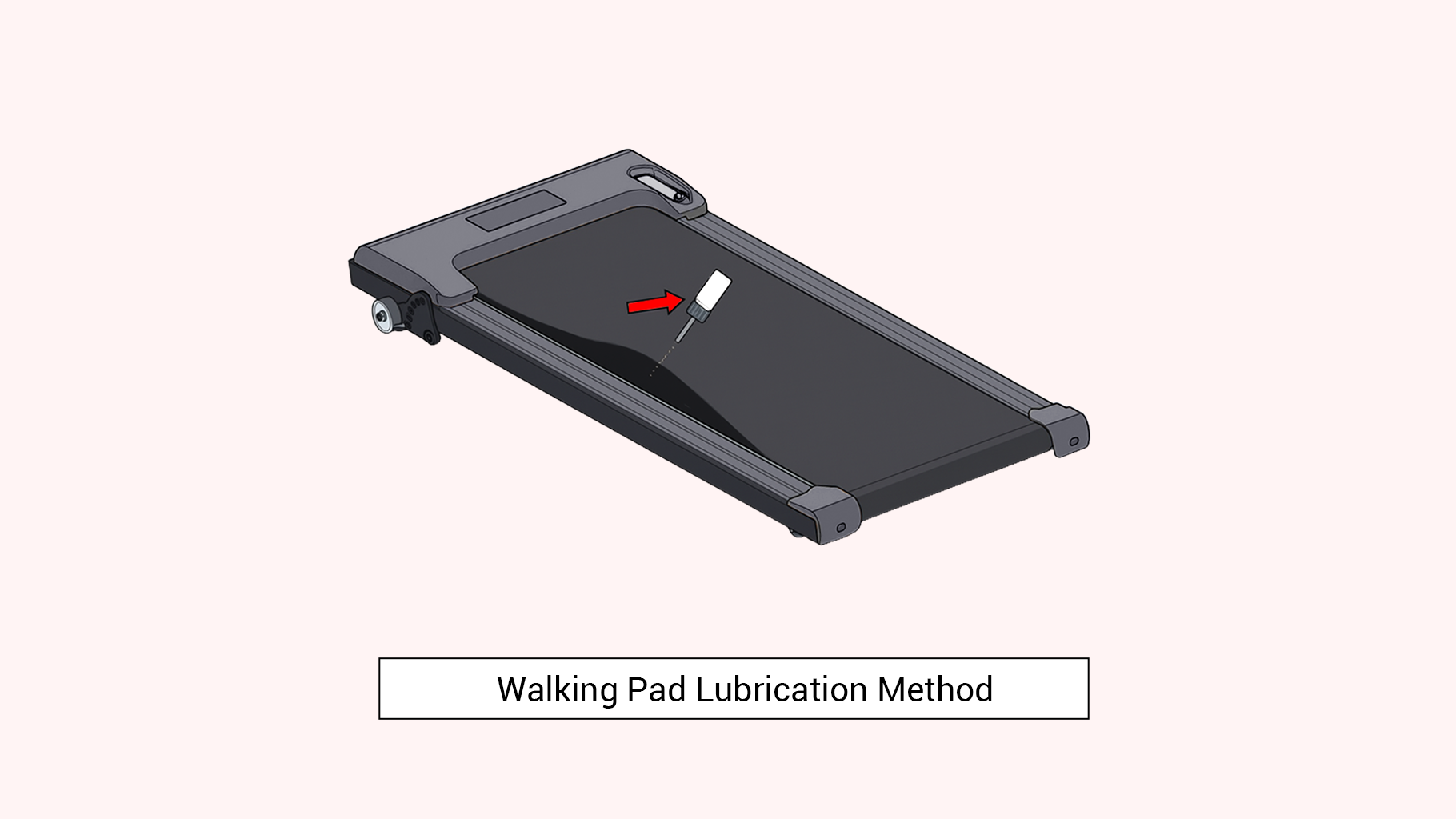
Applying Lubricant Correctly Under the Walking Belt
- Locate the centerline of your walking pad (usually marked or visible as a seam)
- Lift one side of the walking belt gently, working in 12-inch sections
- Apply a thin, continuous line of lubricant along the deck surface underneath
- Move to the opposite side and repeat the process, creating two parallel lubricant lines
- Avoid applying lubricant within 2 inches of the belt edges to prevent migration
Key Visual Cue: You should see the lubricant as a thin, even line—not pooling or dripping. If you see excess, wipe it off immediately with a dry cloth.
Distributing Lubricant Evenly Across the Entire Surface
- Carefully lower the walking belt back into position
- Manually rotate the walking pad by hand for 2-3 full revolutions
- Wait 10 minutes to allow initial absorption
- Rotate another 2-3 revolutions to spread the lubricant evenly
- Let the walking pad sit undisturbed for at least 30 minutes before use
Pro Tip: For best results, walk on the pad at minimum speed for 5 minutes after the initial waiting period to fully distribute the lubricant through normal operation.
Common Lubrication Mistakes That Damage Walking Pads
Many users unknowingly shorten their walking pad’s lifespan through preventable lubrication errors. Understanding these pitfalls helps you maintain optimal performance without causing accidental damage during routine maintenance.
Using Household Oils Instead of Specialized Lubricant
Cooking oils, WD-40, or other household lubricants seem convenient but create serious problems:
– They attract dust and dirt, creating grinding paste between belt and deck
– Petroleum-based products degrade walking pad materials over time
– They can cause the walking surface to become dangerously slippery
– They void most manufacturer warranties
Over-Lubricating Your Walking Pad
More lubricant doesn’t mean better performance. Excess lubricant causes:
– Slippery conditions that increase fall risk
– Lubricant migration to outer edges where it collects dirt
– Attraction of more dust particles to the walking surface
– Potential motor slippage issues
Visual Check: After proper lubrication, the deck should feel slightly slick but not oily to the touch. If you see visible oil droplets, you’ve applied too much.
Post-Lubrication Testing and Performance Check
After completing the lubrication process, verify your walking pad operates correctly before resuming regular use. This final check prevents potential issues from developing unnoticed.
How to Test Your Lubricated Walking Pad
- Plug in the walking pad and power on at the lowest speed setting
- Walk slowly for 2 minutes, listening for unusual sounds
- Gradually increase speed to your normal walking pace
- Pay attention to any vibrations, sticking points, or inconsistent movement
- Check that the speed remains stable under your weight
Troubleshooting Common Post-Lubrication Issues
Problem: Walking pad feels too slippery after lubrication
Solution: Wipe the surface with a dry microfiber cloth and allow 1 hour for excess lubricant to absorb
Problem: Squeaking noises persist after lubrication
Solution: Check that you lubricated the entire deck surface, not just sections—reapply if necessary
Problem: Uneven speed or hesitation during use
Solution: The belt may need tension adjustment after lubrication—consult your manual for specifications
Long-Term Maintenance Strategies for Optimal Performance
Proper lubrication is just one component of comprehensive walking pad maintenance. Implement these strategies to maximize your equipment’s lifespan and maintain smooth operation between lubrication sessions.
Daily Maintenance Habits That Reduce Lubrication Needs
- Wipe down the walking surface after each use with a dry microfiber cloth
- Keep the area around your walking pad clean and dust-free
- Avoid using the pad with socks that have loose fibers or threads
- Store your walking pad in a climate-controlled environment away from direct sunlight
- Vacuum around the base weekly to prevent dust accumulation
Creating a Sustainable Lubrication Schedule
Track your usage patterns to establish a personalized maintenance calendar:
– Mark lubrication dates on your physical calendar or digital reminder system
– Note any changes in performance between scheduled lubrications
– Adjust frequency based on seasonal humidity changes (more frequent in dry climates)
– Keep lubricant and cleaning supplies stored together for easy access
Pro Tip: Many walking pad manufacturers include recommended lubrication schedules in their manuals—locate yours and follow their specific guidance for your model.
Final Note: Regular lubrication transforms your walking pad treadmill from a frustrating, noisy machine into a smooth, reliable fitness tool that supports your daily health goals. By following this precise lubrication process every 3-6 months, you’ll significantly extend your equipment’s lifespan while maintaining optimal performance. Remember that proper maintenance prevents 80% of common walking pad issues, saving you time, money, and frustration in the long run. Keep your lubrication supplies handy and make this quick maintenance task part of your regular routine—your walking pad (and your daily walks) will thank you.