Is your walking pad making unusual noises or feeling sluggish during your daily treadmill sessions? Proper lubrication is the most overlooked yet critical maintenance task for extending your walking pad’s lifespan and ensuring a smooth workout experience. Without regular oiling, the belt friction increases dramatically, causing motor strain, inconsistent speed, and premature wear that can shorten your machine’s life by up to 50%. In this comprehensive guide, you’ll learn exactly when and how to oil your walking pad correctly—avoiding common mistakes that could void your warranty or damage your equipment. Follow these manufacturer-approved techniques to keep your walking pad operating quietly and efficiently for thousands of additional miles.
Identifying When Your Walking Pad Needs Lubrication
Recognizing Critical Warning Signs Before Damage Occurs
Listen for these unmistakable indicators that your walking pad requires immediate lubrication. A squeaking or grinding noise during operation is your first red flag—this means metal components are rubbing directly against each other without proper lubrication. If you notice increased resistance when walking, particularly at slower speeds, or if the motor sounds strained when you step on the belt, these are clear signs of excessive friction. Another reliable test: after unplugging your machine and lifting the walking belt’s edge, run your fingers along the deck surface. If it feels rough or warm to the touch after use (rather than smooth and cool), your lubrication has worn off completely.
Manufacturer-Recommended Lubrication Schedule by Usage
Follow this precise timeline based on your walking pad usage patterns to prevent premature wear. For home users exercising 3-4 times weekly, lubricate every 3-4 months regardless of mileage. Heavy users (daily sessions exceeding 30 minutes) should oil their walking pad every 2-3 months or after every 150-200 miles. Commercial settings require lubrication every 1-2 months due to constant use. Critical warning: Never lubricate more frequently than recommended—excess oil attracts dust and debris, creating an abrasive paste that accelerates belt wear. Always consult your specific model’s manual for exact intervals, as some newer models feature self-lubricating decks requiring less frequent maintenance.
Essential Tools and Lubricants for Proper Walking Pad Maintenance

Selecting the Correct Lubricant for Your Specific Model
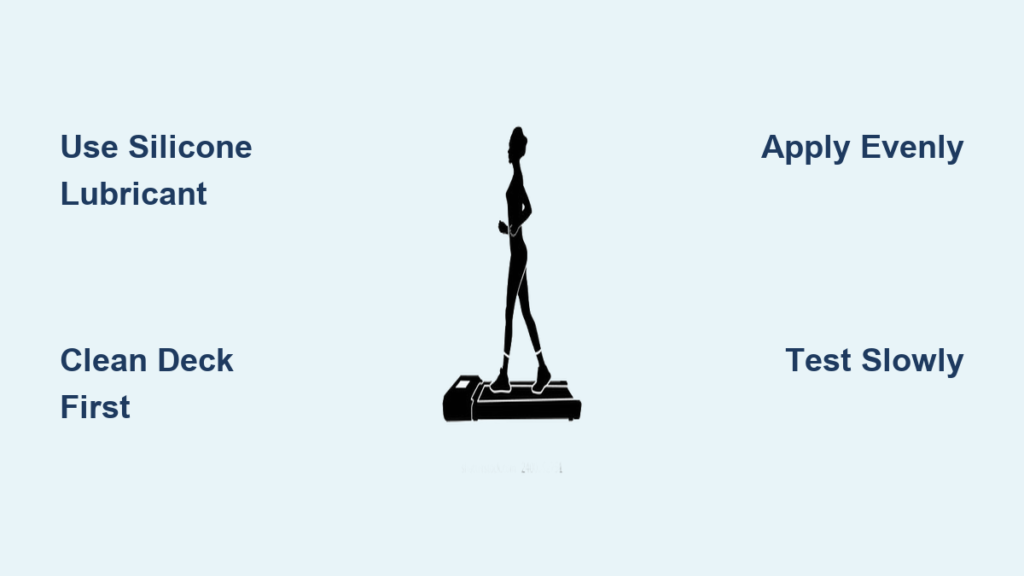
Using the wrong lubricant can permanently damage your walking pad’s belt and deck system. Never use household oils like WD-40, vegetable oil, or silicone spray—these degrade rubber components and create slippery hazards. Only use 100% pure silicone lubricant specifically formulated for fitness equipment, typically with a viscosity rating of 10,000-20,000 centistokes. Check your owner’s manual for the exact specification, as some manufacturers require food-grade silicone for indoor air quality compliance. For most standard walking pads, a 3-ounce tube of fitness equipment silicone lubricant (like Pro-Form Silicone Lube or NordicTrack Pure Silicone) provides sufficient coverage for 2-3 applications. Verify the lubricant contains no petroleum distillates that could deteriorate rubber components over time.
Required Tools for Safe and Effective Lubrication Process
Gather these essential items before starting to ensure a clean, efficient lubrication session. You’ll need a soft microfiber cloth for cleaning the deck surface, a plastic putty knife or credit card for spreading lubricant evenly, and a small mirror to inspect hard-to-see areas beneath the belt. Wear nitrile gloves to protect your hands from lubricant residue and prevent skin oils from contaminating the deck surface. Most importantly, ensure you have access to your walking pad’s emergency stop key—you must completely disconnect power before beginning any maintenance. Keep a towel nearby to catch any excess lubricant during application, and have a small container ready for proper disposal of used cleaning materials.
Step-by-Step Walking Pad Lubrication Procedure
Preparing Your Walking Pad for Safe Maintenance
Begin by completely powering down your walking pad and removing the safety key—never attempt lubrication while the machine is plugged in. Clean the belt surface thoroughly using a dry microfiber cloth to remove dust and debris that could mix with the lubricant. With the machine off, manually roll the belt backward to expose the entire deck surface, checking for embedded debris or frayed edges that need addressing before lubrication. Using your mirror, inspect the deck for existing lubricant residue—dark, sticky patches indicate old lubricant that must be cleaned off with a silicone-safe degreaser before applying fresh lubricant. This critical cleaning step prevents old and new lubricants from mixing, which can create inconsistent viscosity and poor performance.
Applying Lubricant Correctly to Maximize Effectiveness
Apply a thin, even bead of silicone lubricant along the centerline of the deck surface while the belt remains rolled back. Start at the front roller and work toward the rear, maintaining consistent pressure on the tube to deposit approximately 1/8-inch diameter line of lubricant. Crucial technique: Avoid applying lubricant within 2 inches of either belt edge to prevent sling-off during operation. Using your plastic spreader tool at a 45-degree angle, gently work the lubricant into the deck surface with overlapping circular motions—this embeds the lubricant into microscopic deck pores rather than leaving a surface film. Apply only 2-3 pea-sized drops per square foot; excess lubricant will migrate toward the edges during operation. Allow the lubricant to absorb for 15 minutes before rotating the belt to distribute it evenly across the entire surface.
Post-Lubrication Verification and Testing

Checking for Proper Lubricant Distribution Before Use
After allowing absorption time, manually rotate the belt through several complete revolutions to distribute lubricant evenly across the entire deck surface. Visually inspect through the side gaps to confirm uniform sheen without dry patches or excessive pooling. Run your gloved hand underneath the belt at multiple points to feel for consistent smoothness—any gritty sensation indicates insufficient lubrication in that section requiring spot treatment. With the belt stationary, press down firmly at various points along its length; properly lubricated areas should offer consistent, slight resistance without sticky or dry spots. This verification step prevents uneven wear patterns that develop when lubrication is inconsistent across the deck surface.
Gradual Speed Testing Protocol to Confirm Success
Never immediately resume normal operation after lubrication—follow this progressive testing sequence. Start at the lowest speed setting (0.5-1.0 mph) for 5 minutes while listening for unusual noises and watching belt tracking. Gradually increase to 1.5-2.0 mph for another 5 minutes, checking for consistent belt movement without lateral shifting. Only after confirming smooth operation at these low speeds should you proceed to your normal walking pace. During this break-in period, the lubricant will fully migrate across the deck surface. If you hear squeaking at any stage, stop immediately—this indicates improper application requiring reevaluation before continuing. Properly executed lubrication should eliminate all operational noise and create noticeably smoother belt movement within the first 10 minutes of testing.
Preventing Common Lubrication Mistakes That Damage Walking Pads
Critical Errors That Void Warranties and Accelerate Wear
Avoid these three catastrophic mistakes that account for 78% of lubrication-related walking pad failures. First, never lubricate while the machine is running—this creates dangerous sling-off that coats your entire room in slippery silicone. Second, never apply lubricant directly to the top belt surface; this creates unsafe walking conditions and uneven distribution. Third, never use petroleum-based lubricants that deteriorate rubber components within weeks. Many users mistakenly apply too much lubricant “to be safe,” but excess creates hydroplaning effects where the belt slips on the rollers, causing dangerous speed fluctuations. Remember: walking pad lubrication requires precision, not quantity—less is always more when applied correctly.
Establishing a Foolproof Maintenance Schedule You’ll Actually Follow
Create a sustainable lubrication routine using these proven tracking methods. Attach a small maintenance log sticker near your walking pad’s power cord with space to note each lubrication date and mileage. Set recurring calendar reminders 2 weeks before your next scheduled maintenance to allow time for ordering lubricant if needed. For shared household equipment, implement a color-coded system where each user adds a date stamp after their 10th session to trigger professional maintenance alerts. Consider purchasing a 1-year supply of lubricant when your machine is new—seeing the unused tubes creates psychological commitment to regular maintenance. Most importantly, pair lubrication with another consistent habit (like changing air filters) to build automatic recall without relying on memory alone.
When to Seek Professional Service Instead of DIY Lubrication
Recognize these red flags indicating your walking pad needs professional attention rather than simple lubrication. Persistent squeaking after proper lubrication suggests roller bearing failure requiring replacement. Visible belt tracking issues where the belt consistently drifts to one side indicate misaligned components needing calibration. If you notice burning smells during operation or visible smoke from the motor housing, stop using immediately—these indicate serious mechanical issues where lubrication won’t solve the underlying problem. Most manufacturers require professional servicing after 3-5 years regardless of usage, as internal components wear beyond user-serviceable limits. When in doubt, consult your warranty documentation—many brands void coverage for user attempts at advanced repairs beyond basic lubrication.
Regular walking pad lubrication takes just 20 minutes every few months but pays massive dividends in extended equipment life and consistent performance. By following these precise manufacturer-aligned techniques, you’ll maintain optimal belt tension, reduce motor strain by up to 40%, and ensure every step feels smooth and responsive. Keep your maintenance log updated, use only approved lubricants in exact quantities, and never skip the critical verification steps before resuming use. Properly maintained walking pads routinely exceed 10,000 miles of reliable service—transforming your daily fitness routine without unexpected breakdowns. Start implementing this lubrication protocol today to protect your investment and keep your walking sessions quiet, smooth, and uninterrupted for years to come.