That pungent chemical odor hitting you when you unroll your new yoga mat isn’t just annoying—it’s your body’s natural reaction to volatile organic compounds (VOCs) released during manufacturing. PVC, TPE, and rubber mats commonly emit these strong smells as plasticizers, stabilizers, and other processing chemicals gradually escape into the air. For dedicated practitioners, this off-gassing can turn your peaceful practice space into a chemical-laden environment that distracts from your flow and may even trigger headaches or sensitivities. The good news is you don’t have to return your mat or endure weeks of unpleasant smells. With the right techniques, you can significantly reduce or completely eliminate that new-mat odor within days, transforming your practice surface into a clean, neutral foundation for your yoga journey.
This comprehensive guide delivers actionable solutions you can implement immediately—from simple air-out techniques to deep cleaning methods specifically tailored to your mat’s material. Whether you’re dealing with a mild rubber scent or an overwhelming chemical punch, you’ll discover proven strategies that work. Let’s get your yoga mat smelling fresh and ready for practice.
Why Your New Yoga Mat Smells Like Chemicals
The strong odor from your new yoga mat stems directly from manufacturing chemicals known as volatile organic compounds (VOCs) that gradually release into the air—a process called “off-gassing.” PVC mats emit plasticizers that create flexibility, TPE mats release binding agents that form the material’s structure, and rubber mats off-gas natural compounds from the rubber production process. These chemicals serve important functional purposes but create that distinctive new-mat smell you’re experiencing.
Your mat’s odor intensity depends on several key factors:
– Material quality: Budget mats often use more potent chemicals that create stronger, longer-lasting smells
– Manufacturing process: Some factories use extended curing periods that reduce initial off-gassing
– Storage conditions: Mats stored in hot warehouses before purchase often have more intense initial odors
– Environmental factors: Heat accelerates off-gassing, while humidity and poor air circulation trap odors
Understanding that this smell represents normal off-gassing—not a defective product—helps set realistic expectations. While some mats become odor-neutral within days, others may require consistent treatment over several weeks. Recognizing your specific mat material (PVC, TPE, or rubber) is crucial for selecting the most effective odor-elimination methods.
Immediate Unboxing Steps That Reduce Odor Fast
Unroll and Air Out Your Mat Properly
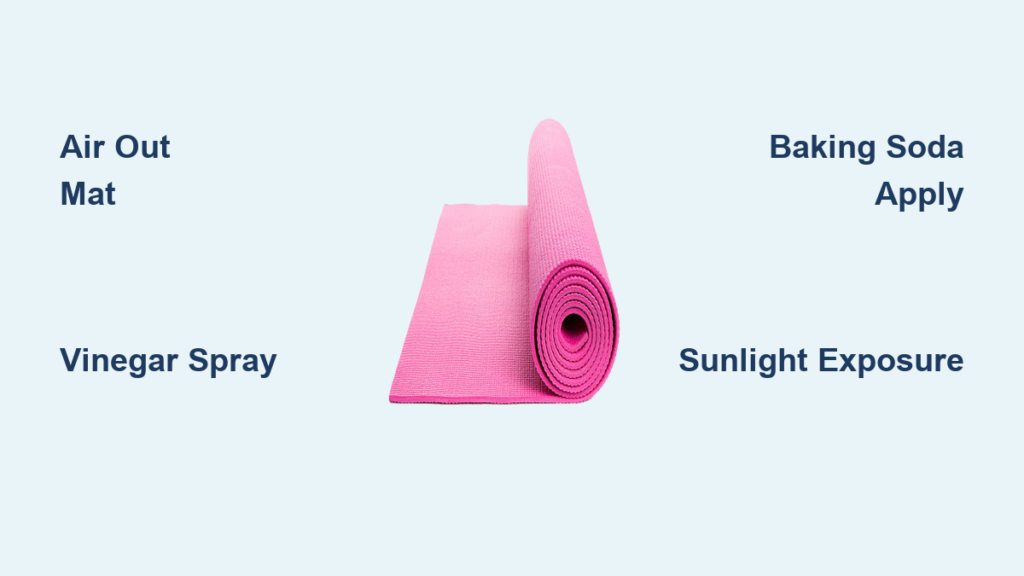
The moment you unbox your new yoga mat, take these critical first steps to begin odor elimination. Immediately unroll your mat completely in a well-ventilated area—outdoors is ideal if weather permits. Position it for maximum air exposure on both sides by hanging it over a clothesline, shower curtain rod, or between two chairs. This strategic positioning allows air to circulate freely around the entire surface, accelerating the off-gassing process significantly.
Leave your mat in this position for at least 48 hours before attempting any cleaning methods. For particularly strong odors, extend this air-out period to 5-7 days. During this critical phase:
– Avoid folding or rolling the mat (traps odors inside)
– Rotate the mat daily to expose all areas to fresh air
– Keep it away from direct sunlight for more than 2-3 hours daily
– Bring it indoors at night if temperatures drop significantly
This simple airing process removes 30-50% of the initial odor for most mats, creating a solid foundation for deeper cleaning methods.
Sunlight Exposure for Natural Deodorizing
Strategic sunlight exposure provides a powerful natural deodorizing boost during your initial air-out phase. UV rays have mild antibacterial properties that eliminate microbial odor sources while the warmth encourages faster release of trapped chemical compounds. Place your mat in morning or afternoon sun (avoiding intense midday rays) for 2-3 hours daily during the first week.
Critical precautions for sunlight treatment:
– Limit exposure to 3 hours maximum per day
– Rotate the mat frequently to prevent uneven fading
– Bring rubber mats indoors after 1-2 hours (prone to drying/cracking)
– Never leave printed-design mats in direct sun for extended periods
This sunlight cycling technique works exceptionally well for PVC mats with stubborn chemical odors, often reducing smell intensity by 25% after just three treatment sessions.
Vinegar Cleaning Method That Neutralizes Odors

Create and Apply Your Vinegar Solution
White distilled vinegar offers the most effective natural deodorizer for yoga mats, neutralizing alkaline odors through its acetic acid content. Mix equal parts white vinegar and lukewarm water (1 cup each) in a spray bottle, then lightly mist both surfaces of your mat until evenly damp—but never soaking wet. The vinegar smell itself is temporary and will dissipate completely as the mat dries.
Apply this solution immediately after your initial air-out period for maximum effectiveness:
1. Spray solution evenly across entire mat surface
2. Use a soft cloth to gently work solution into textured areas
3. Flip mat and repeat on reverse side
4. Allow to air dry completely (2-4 hours) before next use
Pro tip: For stubborn odors, add 1 tablespoon of baking soda to your vinegar solution for enhanced odor-neutralizing power—just be sure to rinse thoroughly afterward to prevent residue buildup.
Baking Soda Treatment for Deep Odor Absorption

Apply and Activate Baking Soda
Baking soda’s porous structure makes it exceptionally effective at trapping and neutralizing odor molecules at their source. Sprinkle 2-3 tablespoons of baking soda evenly across both sides of your mat, then gently work it into the surface using a soft brush or clean cloth. Focus particularly on textured grip areas where odors tend to concentrate.
Allow the baking soda to remain on your mat for at least 8 hours (overnight is ideal) before removal. During this activation period:
– Position the mat vertically or on a rack for maximum air exposure
– Avoid walking on or disturbing the mat
– Keep away from moisture sources
After the activation period, thoroughly brush off all visible baking soda, then wipe the mat with a damp cloth to remove residual powder from textured areas. For heavily textured mats, use a soft-bristled brush to dislodge any trapped particles before final drying.
Deep Cleaning Techniques for Stubborn Odors
Machine Wash Your Mat Safely
If your mat care label permits machine washing, this method provides the most thorough odor elimination. Use these exact settings to avoid damage:
– Cold water on gentle cycle
– Mild, fragrance-free detergent (1/4 regular amount)
– No fabric softeners or bleach
– Maximum spin cycle to remove excess water
After washing, never place your mat in a dryer. Instead, hang it vertically or lay flat on a drying rack in a well-ventilated area until completely dry (typically 12-24 hours). Machine washing removes up to 70% of persistent odors in a single treatment but should only be used once every 4-6 weeks to preserve mat integrity.
Hand Washing for Maximum Control
For non-machine-washable mats or those requiring gentler treatment, hand washing delivers excellent results. Fill your bathtub with lukewarm water and add 1/4 cup white vinegar or mild mat cleaner. Submerge your mat completely and gently scrub both sides with a soft brush, focusing on high-contact areas where hands and feet rest during practice.
After thorough scrubbing, drain the tub and rinse your mat under running water until all cleaning solution is removed. Gently squeeze out excess water (never wring or twist), then hang your mat to dry completely before storing. This method works particularly well for rubber mats that can’t withstand machine agitation.
Material-Specific Solutions for Every Mat Type

PVC Mat Deodorizing Protocol
PVC mats typically have the strongest initial odors but respond best to aggressive cleaning. Implement this specialized protocol:
– Extended air-out (5-7 days minimum)
– Vinegar solution applied twice daily for first 3 days
– Weekly baking soda treatments during first month
– Avoid direct sunlight beyond 2 hours daily
For PVC mats, the combination of vinegar’s acid and baking soda’s absorbency breaks down the phthalates responsible for that characteristic chemical smell faster than any other method.
TPE Mat Gentle Cleaning Routine
TPE mats require more delicate handling but generally have milder odors. Follow this gentle yet effective routine:
– 48-hour initial air-out period
– Vinegar solution diluted to 1 part vinegar to 3 parts water
– Baking soda treatments limited to once weekly
– Always air dry flat (never hang)
The slightly more porous nature of TPE means odors can penetrate deeper, requiring patience and consistent treatment over 2-3 weeks for complete odor elimination.
Accelerated Odor Elimination Techniques
Freezing Method for Deep Odor Release
Surprisingly, freezing your mat can accelerate odor elimination by making trapped compounds less volatile. Place your rolled mat inside a large plastic bag, seal completely, and freeze for 24-48 hours. After thawing at room temperature, immediately follow with a vinegar cleaning treatment. The extreme temperature change forces deeply embedded odor molecules to the surface where cleaning solutions can remove them.
Warning: Never freeze rubber mats—they become brittle and may crack when flexed after freezing.
Activated Charcoal Overnight Treatment
Activated charcoal’s incredible absorbency makes it perfect for overnight odor elimination. Place bowls of activated charcoal near your mat during air-out periods or create small charcoal pouches to lay directly on the mat surface. The charcoal will trap odor molecules as they release, preventing reabsorption and accelerating the neutralization process.
For best results, combine charcoal treatment with your regular air-out routine for 3-5 consecutive nights. Replace or recharge the charcoal according to manufacturer instructions for ongoing odor prevention between deep cleanings.
Prevention Strategies for Long-Term Freshness
Post-Practice Wiping Routine
Establish this simple daily habit to prevent odor buildup:
– Spray mat with diluted vinegar solution after each practice
– Wipe both sides thoroughly with microfiber cloth
– Allow to air dry completely before rolling
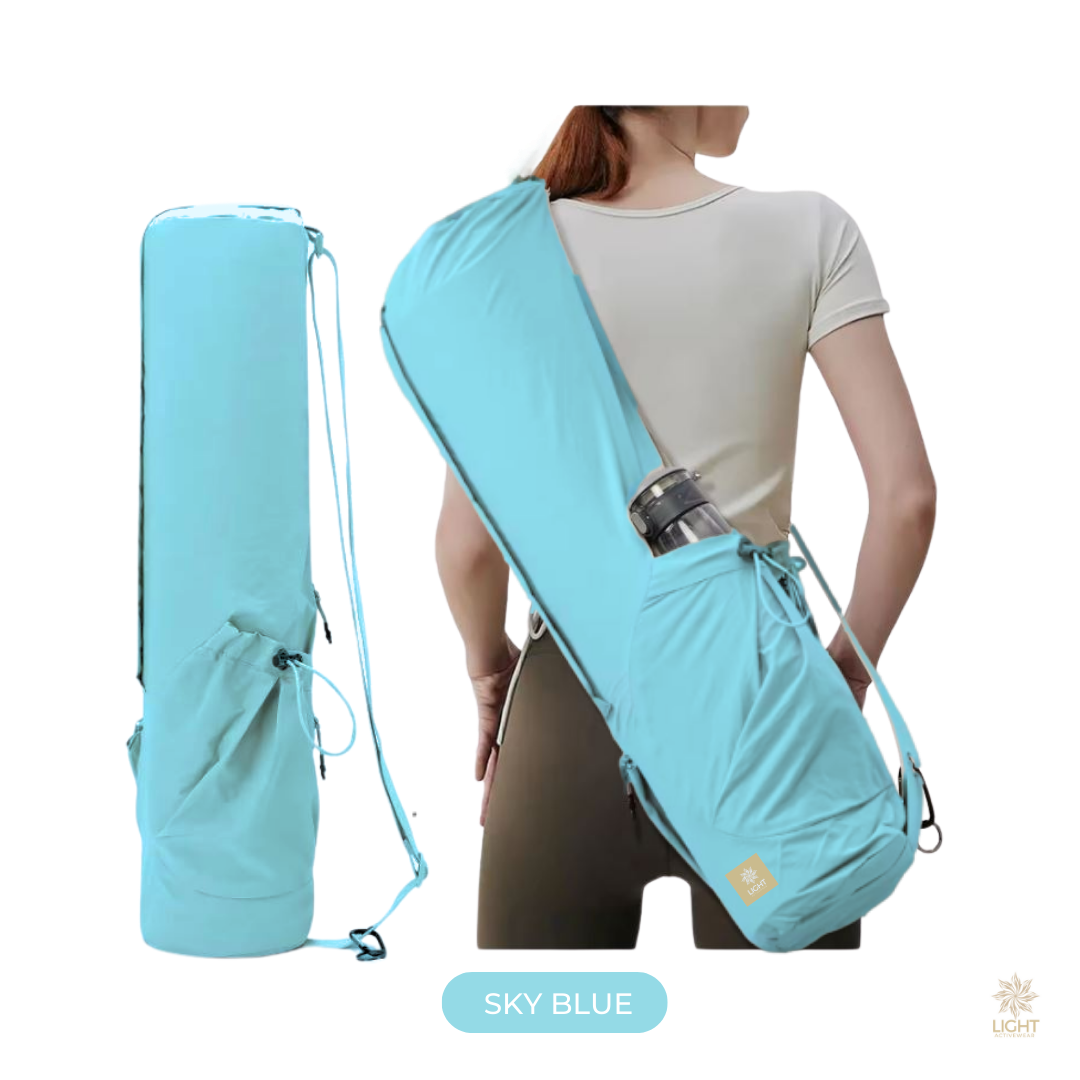
– Store unrolled or in breathable mat bag
This routine removes sweat and bacteria before they can interact with mat materials to create new odors, extending the time between deep cleanings.
Proper Storage Techniques That Prevent Odor Recurrence
How you store your mat between practices significantly impacts long-term freshness:
– Always store completely dry (never roll damp mat)
– Use mesh or breathable mat bags instead of plastic sleeves
– Hang vertically or lay flat when possible
– Avoid damp storage areas like basements or bathrooms
For mats stored rolled, unroll and air out completely once weekly during the first three months to prevent odor recurrence as off-gassing continues.
When to Consider Mat Replacement
Despite your best efforts, some mats simply have manufacturing defects that prevent complete odor elimination. If you’ve consistently applied multiple methods for 4+ weeks with minimal improvement, consider replacement. Look for mats specifically marketed as:
– Low-odor or zero-VOC
– Eco-certified (GOTS, OEKO-TEX)
– Made with natural rubber or jute
– Offering odor satisfaction guarantees
Before purchasing a replacement, research reviews specifically mentioning odor issues and check the manufacturer’s return policy—some brands offer extended trial periods for odor-sensitive customers.
Quick Reference Odor Elimination Timeline
First 24-48 hours: Unroll mat completely in well-ventilated area (outdoors preferred)
Days 3-5: Apply vinegar solution daily + 2-3 hours sunlight exposure
Week 2: Introduce baking soda treatments + activated charcoal overnight
Ongoing: Wipe after each practice + deep clean every 2-4 weeks
With consistent application of these methods, most mats become completely odor-neutral within 2-3 weeks, transforming your new purchase from a chemical distraction to a clean, fresh foundation for your practice. Stick with the process—your nose (and your practice) will thank you.