That sharp, radiating pain shooting down your leg is unmistakable—sciatica has made its unwelcome appearance. Whether you’re struggling to sit at your desk, walk up stairs, or even sleep through the night, sciatic nerve pain can derail your daily life. If you’re searching for an effective, accessible way to manage this condition, learning how to use a foam roller for sciatica could be your path to relief. Foam rolling, or self-myofascial release, targets the muscle tension that often compresses your sciatic nerve. This guide delivers precise techniques that address the root causes of your pain, helping you regain comfort and mobility without expensive treatments or medications.
Why Your Piriformis Muscle Is Causing Sciatica Pain
Your piriformis muscle—a small but powerful hip rotator deep in your buttock—frequently compresses the sciatic nerve when it becomes tight or spasms. This condition, known as piriformis syndrome, occurs when prolonged sitting, muscle imbalances, or repetitive movements cause this muscle to tighten around the nerve. As you sit at your desk or drive for extended periods, the piriformis contracts and shortens, creating direct pressure on the sciatic nerve as it passes beneath or sometimes through the muscle fibers. Foam rolling breaks this cycle by applying sustained pressure to release the tension in your piriformis, reducing nerve compression and restoring normal movement.
Select the Best Foam Roller for Sciatica Relief
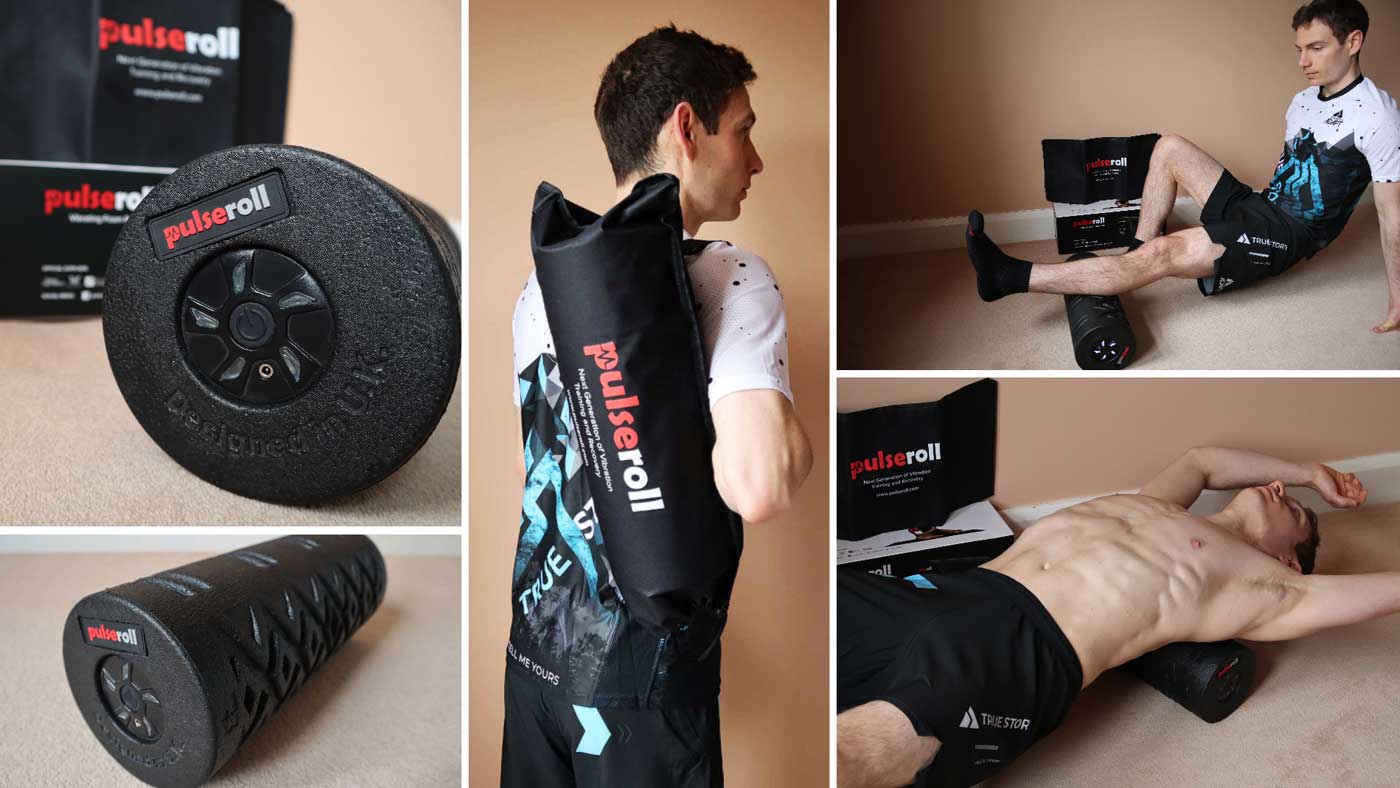
Choosing the right foam roller makes the difference between effective relief and frustrating results. High-density foam rollers provide the firm, consistent pressure needed to penetrate deep into gluteal muscles without collapsing under your body weight. These rollers maintain their shape through repeated use, delivering reliable tension release for chronic sciatica sufferers. If you’re new to foam rolling or experiencing acute pain, start with a softer roller or place a towel over a firmer one to reduce intensity.
Vibrating foam rollers add therapeutic oscillation that enhances traditional rolling benefits. The rapid vibrations trigger muscle relaxation cycles, increase blood flow, and reduce pain perception through neurological gate control. For sciatica relief, look for rollers with multiple speed settings (20-50 Hz) to customize intensity based on your tolerance. While basic rollers cost $10-$20, vibrating models range from $50-$200 but often provide better results for stubborn sciatic pain.
Position Yourself Correctly Before Rolling
Proper positioning prevents aggravating your symptoms while maximizing relief. Begin by placing your foam roller horizontally on a firm, non-slip surface like a yoga mat. Your room temperature should be comfortable—cold environments cause muscles to tense involuntarily, counteracting your efforts. Before rolling, perform a 5-10 minute warm-up with light walking or marching in place to increase blood flow to your tissues.
Assess your current condition by noting pain location, intensity, and quality. If you experience severe numbness, weakness, or sharp shooting pain, avoid aggressive rolling and consult a healthcare provider first. Hydrate well before your session—well-hydrated fascia responds better to pressure than dehydrated tissue. During rolling, distinguish between productive discomfort (mild-to-moderate pressure releasing tension) and harmful pain (sharp sensations indicating nerve aggravation).
Release Your Piriformis Muscle in 90 Seconds
Targeting your piriformis muscle delivers immediate sciatica relief when performed correctly. Position the foam roller horizontally beneath your buttocks, then cross one ankle over the opposite knee to create a figure-four shape. This rotation exposes the piriformis directly to the roller’s pressure.
Slowly roll along your gluteal area at 1-2 inches per second, searching for tender spots that feel like tight bands. When you find a trigger point:
– Pause and maintain steady pressure for 30-90 seconds
– Breathe deeply, consciously relaxing the muscle around the pressure point
– Imagine the tension melting into the roller as you exhale
– Reduce pressure by supporting more weight with your hands if needed
Work each side for 1-2 minutes, spending extra time on your painful side. You’ll know you’re targeting the piriformis correctly when you feel deep pressure in the center of your buttock, not near your hip bone or spine.
Roll Your Hamstrings to Reduce Nerve Tension
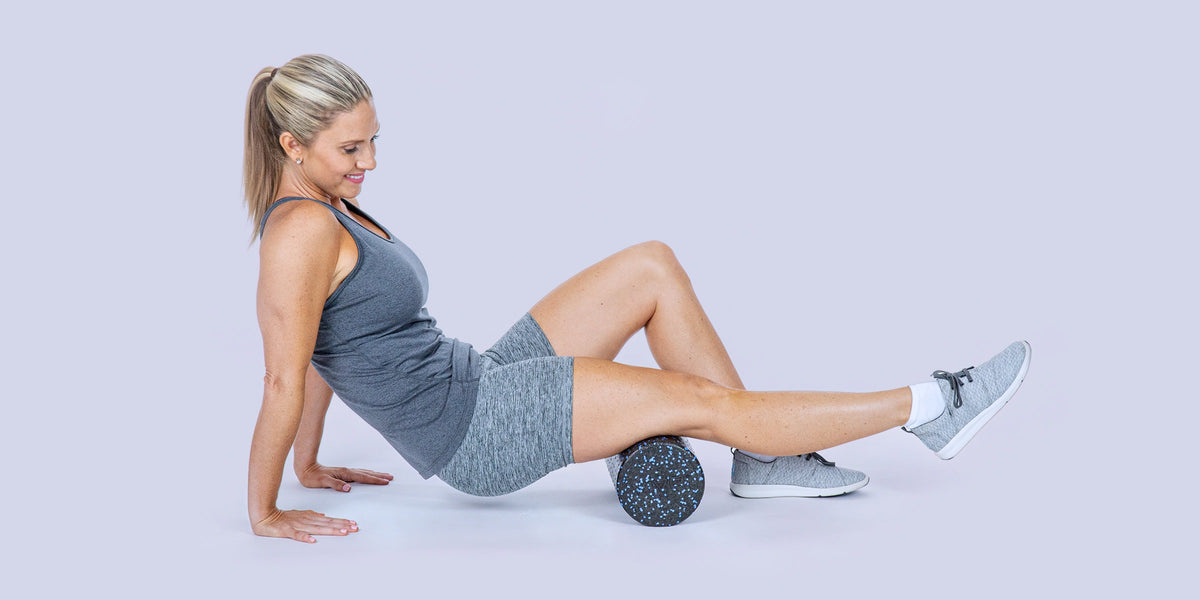
Tight hamstrings pull on your pelvis, increasing stress on the sciatic nerve origin. To roll your hamstrings safely:
1. Sit with the roller positioned beneath your thighs, hands behind you for support
2. Keep knees slightly bent to avoid joint strain
3. Roll from just above your knee (avoiding the popliteal space) toward your gluteal fold
4. Move slowly at 1-2 inches per second, pausing on tender spots
For deeper release, cross your non-working leg over the targeted leg to increase pressure. Spend 60-90 seconds on each hamstring, focusing on areas that correlate with your sciatic symptoms. Never roll directly on the back of your knee—this area contains sensitive nerves and blood vessels that could be damaged by direct pressure.
Target Your IT Band Without Aggravating Pain
The tensor fasciae latae (TFL) and iliotibial (IT) band often contribute to sciatic symptoms through lateral hip tension. Position yourself on your side with the roller beneath your outer hip, supporting your upper body with your forearm. Roll from your hip bone down toward your knee, moving slowly and pausing on tender spots.
If direct pressure feels too intense:
– Angle your body slightly forward or backward
– Keep the roller stationary while rotating your straight leg inward and outward
– Start with shorter sessions (2-3 minutes per side) and gradually increase
This area can be extremely sensitive—reduce pressure immediately if you experience sharp pain. The goal is gentle release, not aggressive force that could worsen inflammation.
Perform These 3 Stretches After Foam Rolling
Combine foam rolling with specific stretches for lasting sciatica relief. Hold each stretch for 30-60 seconds while breathing deeply:
Piriformis Stretch: Lie on your back, draw one knee toward your chest, and gently rotate the hip outward. You should feel a deep stretch in your buttock on the side of the bent knee.
Pigeon Pose: Begin in plank position, bring one knee forward toward the same-side wrist, and extend the opposite leg straight behind you. Lower your upper body forward over the front leg.
Seated Hamstring Stretch: Sit with one leg extended, gently lean forward while keeping your back straight, and reach toward your toes.
Avoid bouncing during stretches—this can trigger muscle guarding that worsens sciatic symptoms. Perform these stretches immediately after foam rolling when your muscles are most pliable.
Recognize When to Stop Foam Rolling Immediately
While foam rolling helps most sciatica cases, certain situations require stopping and seeking professional help. Discontinue immediately if you experience:
– Increasing numbness or weakness in your leg
– Sharp, shooting pain during rolling
– Symptoms that worsen after your session
– Loss of bladder or bowel control (seek emergency care)
Foam rolling is unsafe with deep vein thrombosis, advanced osteoporosis, bleeding disorders, or recent trauma. If your sciatica began after an accident or hasn’t improved after 2-3 weeks of consistent rolling, consult a physical therapist. They can identify whether your pain stems from disc issues, spinal stenosis, or other conditions requiring specialized treatment.
Maintain Sciatica Relief With Daily Habits
Long-term sciatica management requires consistent habits beyond foam rolling. Implement these science-backed strategies:
Ergonomic adjustments: Set up your workspace with monitor at eye level, keyboard at elbow height, and take standing breaks every 30-45 minutes.
Sleep positioning: Sleep on your side with a pillow between your knees to maintain neutral spinal alignment, or on your back with a pillow under your knees.
Core strengthening: Perform daily exercises like bird dogs and modified planks to stabilize your spine without straining your back.
Stress management: Practice deep breathing or meditation—psychological stress triggers muscular guarding that exacerbates sciatic symptoms.
Perform foam rolling 3-4 times weekly for maintenance, even when symptoms improve. Consistency matters more than session length—regular brief sessions produce better results than occasional intensive ones. Start gently, listen to your body, and adjust based on your response. With patience and persistence, foam rolling can become your most effective tool for managing sciatica and reclaiming pain-free movement.