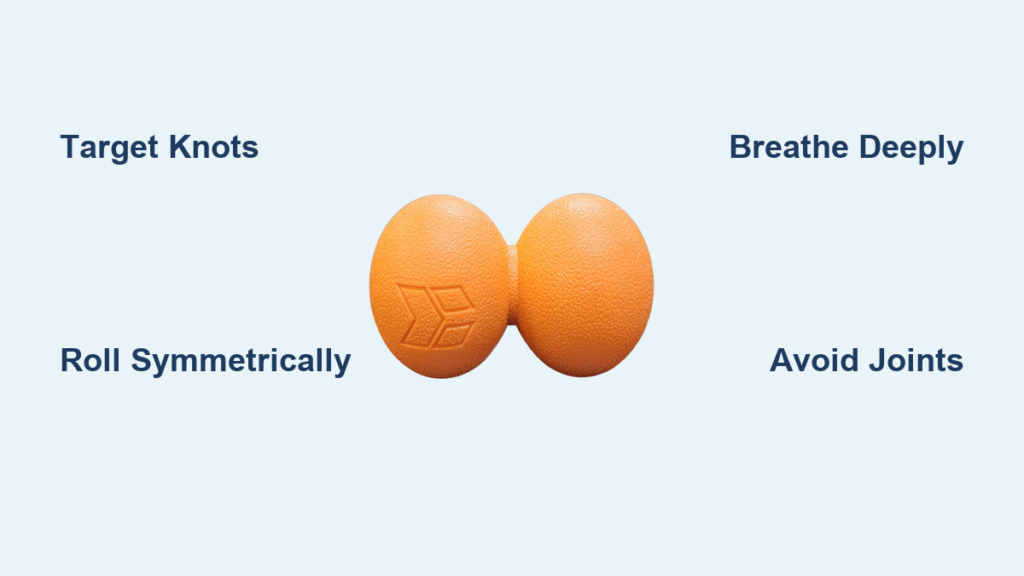
Struggling with stubborn knots in your back or tightness in hard-to-reach areas? Double massage balls have revolutionized self-myofascial release by allowing you to treat symmetrical muscle groups simultaneously. These paired spheres—connected by straps or mounted on fixed bases—deliver deeper, more balanced pressure than single balls, making them essential for athletes and desk workers alike. When used correctly, double massage balls can dramatically improve mobility, reduce chronic tension, and accelerate recovery from physical activity. This guide reveals precisely how to incorporate these powerful tools into your routine for maximum benefit without risking injury.
Selecting the Right Double Massage Ball Configuration
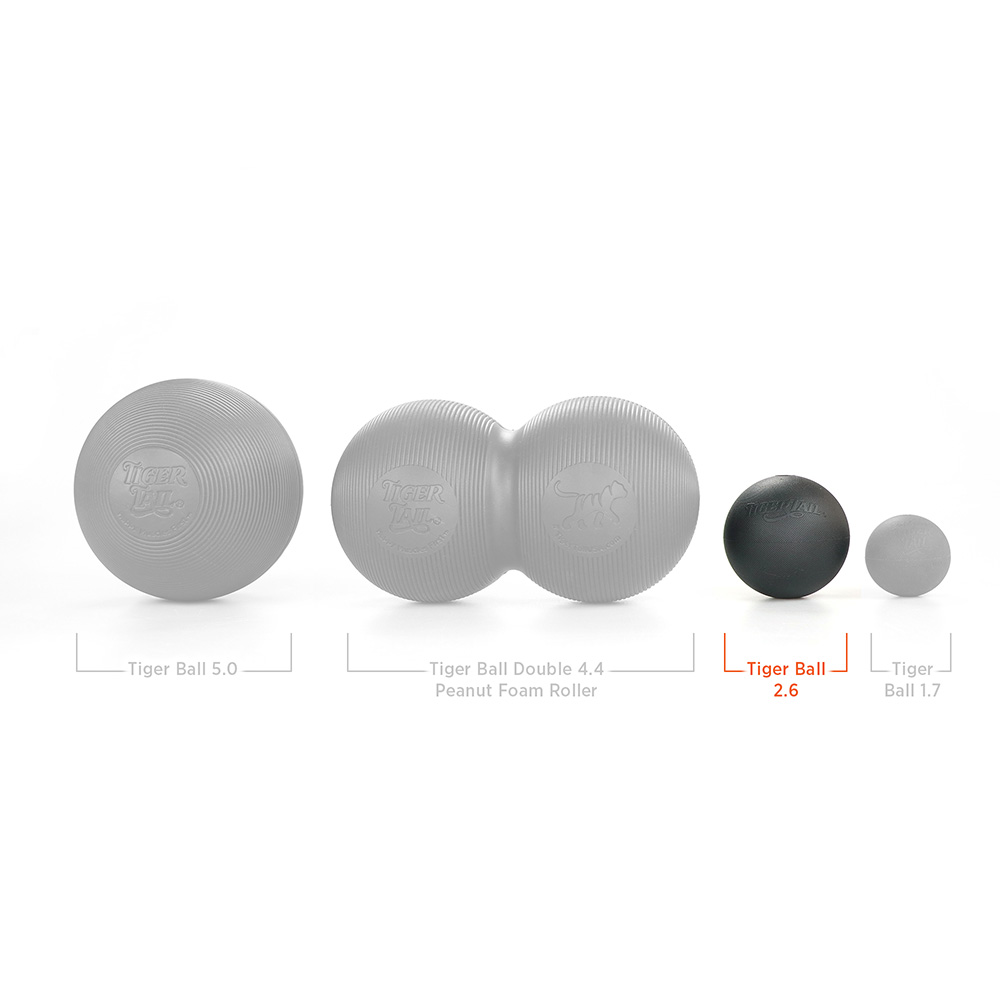
Choosing appropriate equipment ensures effective treatment while preventing frustration during your sessions. Not all double massage balls work the same way, and matching the design to your specific needs makes all the difference in your recovery outcomes.
Connected Rope or Strap Models provide flexibility for targeting spinal muscles and parallel tissue patterns. These feature two separate balls joined by an adjustable cord that lets you control spacing between 2-8 inches. The connection prevents balls from rolling away during use while allowing you to apply tension for increased pressure. This configuration excels for beginners learning proper technique since the balls maintain relative positioning as you move.
Fixed-Base Designs mount two balls on a rigid platform at a set distance apart. These work best for floor-based applications where consistent positioning matters more than adjustability. Physical therapists often recommend fixed-base models for treating the glutes and hamstrings since they eliminate the rolling issues common with loose balls. The stable platform also makes it easier to apply even pressure across both sides of your body simultaneously.
Material and Firmness Selection directly impacts treatment effectiveness. Most double massage balls come in firm rubber, dense foam, or textured plastic variants. Beginners should start with medium-firm density balls that provide therapeutic pressure without excessive discomfort. As your tissue tolerance develops, progress to firmer options for deeper work. Textured surfaces add cross-fiber stimulation that smooth balls can’t deliver, making them ideal for breaking up stubborn adhesions in athletic populations.
Essential Pre-Session Preparation Steps
Skipping proper preparation transforms potentially therapeutic sessions into painful, counterproductive experiences. Investing five minutes in setup significantly enhances your results while protecting your body from unnecessary stress.
Create an Optimal Environment by clearing a 6×6 foot space with a non-slip surface. A yoga mat provides cushioning while preventing balls from rolling on hardwood or tile floors. Ensure the room temperature stays warm—cold muscles resist release and increase injury risk. Position yourself near a wall for upper body work or on the floor for lower body treatment, depending on your target area. Keep a water bottle nearby to stay hydrated during and after your session.
Prepare Your Body with a 5-10 minute dynamic warm-up before applying pressure. Light cardio like jumping jacks or brisk walking increases blood flow to your muscles, making them more receptive to myofascial release. Follow with gentle dynamic stretches that mimic your upcoming movements—arm circles for shoulder work or leg swings for hip treatment. Hydrate well before starting, as dehydrated tissues respond poorly to pressure and may bruise more easily. Wear form-fitting athletic clothing that allows full movement without restricting circulation.
Mental Readiness Techniques enhance your body’s response to treatment. Take three deep diaphragmatic breaths before beginning to activate your parasympathetic nervous system, which promotes muscle relaxation. Set aside 10-15 minutes without distractions—rushing through sessions reduces effectiveness significantly. Mentally scan your body to identify areas needing attention, which helps you target treatment more precisely. Remember that effective myofascial release requires patience; results build cumulatively over multiple sessions.
Foundational Techniques for Immediate Results
Mastering these three core techniques provides immediate relief for common tension patterns while building the foundation for advanced applications. Each method serves specific purposes depending on your current needs and experience level.
The Symmetrical Pressure Technique targets muscles alongside your spine with balanced pressure on both sides simultaneously. Position the balls vertically on either side of your vertebral column, then slowly roll up and down while maintaining steady contact. For upper back tension, place balls at shoulder blade height and roll toward your neck, pausing for 30-60 seconds on tender spots. Breathe deeply into tight areas, allowing your muscles to gradually soften under consistent pressure. This technique works equally well against a wall or on the floor depending on your comfort level.
The Crossed-Fiber Release Method breaks up stubborn adhesions by applying pressure perpendicular to muscle fibers. Position the balls horizontally across your target muscle group rather than parallel to it. For quadriceps work, place balls horizontally across your thighs and maintain static pressure for 60-90 seconds while gently rotating your leg. This technique creates shearing forces within the tissue that parallel rolling can’t achieve, making it invaluable for athletes with repetitive strain patterns. Start with light pressure and gradually increase as your tissues adapt.
The Dynamic Movement Integration Approach combines pressure application with active movement for functional mobility improvements. Position the balls on your target area, then slowly move through your natural range of motion while maintaining contact. For shoulder mobility, place balls against a wall at shoulder height, lean in, then slowly raise and lower your arm while keeping pressure on the balls. The double configuration allows simultaneous treatment of both sides, creating balanced improvements that single-ball techniques can’t match. Complete 5-8 repetitions per movement pattern for optimal results.
Critical Safety Guidelines You Must Follow

Ignoring these safety considerations transforms therapeutic sessions into potential injury risks. Proper technique protects your body while maximizing the benefits of your double massage ball practice.
Avoid These High-Risk Areas during all sessions: never apply direct pressure to bones, joints, or bony prominences—balls should contact soft tissue only. Steer clear of your lower back directly over the kidneys and spine. Never use double balls on your neck or throat area, where sensitive structures could be compromised. If you have varicose veins, blood clotting disorders, or recent injuries, consult a healthcare provider before beginning treatment. Acute inflammation or sharp pain requires immediate cessation of pressure.
Distinguish Between Productive Discomfort and Harmful Pain by monitoring your breathing and physical response. Maintain relaxed, deep breathing throughout your session—holding your breath indicates excessive pressure. Productive discomfort feels like a “good ache” that gradually diminishes as the tissue releases. Sharp, shooting, or radiating pain signals nerve irritation or tissue damage—immediately adjust your position if you experience these sensations. The appropriate pressure level should feel intense but manageable, allowing you to maintain conversation without grimacing.
Follow Session Duration Limits to prevent tissue damage and excessive soreness. Limit sessions to 10-15 minutes per muscle group, with 2-3 minutes maximum on any single trigger point. Space sessions at least 24 hours apart for the same muscle groups to allow recovery time. Beginners should start with just 5 minutes per session, 2-3 times weekly, gradually increasing as their body adapts. Over-treatment creates inflammation that counteracts the benefits of myofascial release, so less is often more when starting out.
Creating a Sustainable Self-Care Routine

Transform occasional use into consistent practice with these strategic implementation techniques that ensure long-term adherence and progressive results. The most effective users integrate double massage balls into their existing wellness habits rather than treating them as separate tasks.
Optimal Timing Strategies maximize session effectiveness based on your daily schedule. Pre-workout sessions of 5-7 minutes activate blood flow and improve range of motion for better performance. Post-exercise treatment within 30 minutes of activity reduces delayed onset muscle soreness and accelerates recovery. Evening sessions before bed release accumulated tension and improve sleep quality for many users. Experiment with different timing for 2-3 weeks to identify what works best with your body’s natural rhythms.
Progressive Integration Plan prevents overwhelm and builds sustainable habits. Start with just one 5-minute session weekly focusing on your most problematic area. After two weeks, add a second session targeting a different muscle group. By week six, you’ll have established a consistent routine of 3-4 sessions weekly without feeling burdened. Track your progress with simple notes about tension levels before and after sessions—this documentation reveals patterns and maintains motivation when immediate results aren’t obvious.
Complementary Practices enhance the benefits of your double massage ball work. Pair sessions with dynamic stretching when treating specific movement limitations. Follow intense sessions with 5 minutes of light activity like walking to flush released metabolic waste. Combine with foam rolling for comprehensive myofascial treatment—use the double balls for targeted work and foam rollers for broader areas. Proper hydration and quality sleep amplify the recovery benefits initiated by your self-massage practice.
Consistent, mindful application of these techniques transforms your double massage balls from simple recovery tools into powerful instruments for lasting physical wellness. Start with foundational approaches, respect your body’s feedback, and gradually expand your practice as your experience grows. The investment you make in proper technique returns exponentially through improved mobility, reduced tension, and enhanced overall physical performance.