Back pain strikes when you least expect it—during a busy workday, while playing with your kids, or even when simply bending to tie your shoes. Over 80% of adults experience significant back pain at some point, often turning to expensive treatments that provide only temporary relief. You can break this cycle with a simple, affordable solution: using a massage ball for back pain right in your living room. This technique leverages your body weight to deliver precise pressure exactly where tight muscles need it most, releasing tension and improving circulation without professional appointments. In just minutes a day, you’ll transform how you manage discomfort while learning to identify when professional help becomes necessary.
Unlike generic painkillers that mask symptoms, a massage ball targets the root cause of many back issues—knots in your muscles and restricted blood flow. When you apply steady pressure to these trigger points, you’re not just relieving pain; you’re signaling your nervous system to relax muscle fibers and increase circulation to damaged tissues. The best part? You don’t need special skills or expensive equipment—just a firm ball and proper technique. This guide reveals exactly how to use massage ball for back pain safely and effectively, with specific positioning instructions, pressure guidelines, and warning signs to watch for. By the end, you’ll have a complete self-care routine that fits seamlessly into your busy schedule.
Position Your Body Correctly on Firm Flooring

Skip the bed or couch entirely when using a massage ball for back pain—these soft surfaces prevent proper pressure transmission to your muscles. Instead, lay a yoga mat or thick towel on a hard floor where you can lie flat without sinking. This firm foundation allows your body weight to compress the ball against specific muscle groups rather than dispersing pressure across your entire back. Hardwood, tile, or carpeted floors work well, but avoid plush rugs that create uneven pressure points during your session.
Place the ball under your lower back just above your waistline, ensuring it rests on muscle tissue rather than directly on your spine or hip bones. The ball should sit comfortably in the natural curve of your lumbar region, where tension commonly builds from prolonged sitting. If you feel bone contact instead of muscle, slide the ball slightly to either side—typically 2-3 inches off-center from your spine targets the erector spinae muscles most effectively. Never position the ball directly on your spine, as this can cause nerve irritation rather than relief.
For upper back treatment, try the wall technique: stand with your back against a solid wall and place the ball between your shoulder blades. Slowly lower your body downward, using your legs to control pressure intensity. This vertical position accesses hard-to-reach rhomboids and trapezius muscles that contribute to “desk hunch” and shoulder tension. The wall provides stable resistance while allowing small positional adjustments—you’ll know you’ve found the right spot when rolling creates noticeable tension release without sharp pain.
Locate and Target Specific Muscle Knots
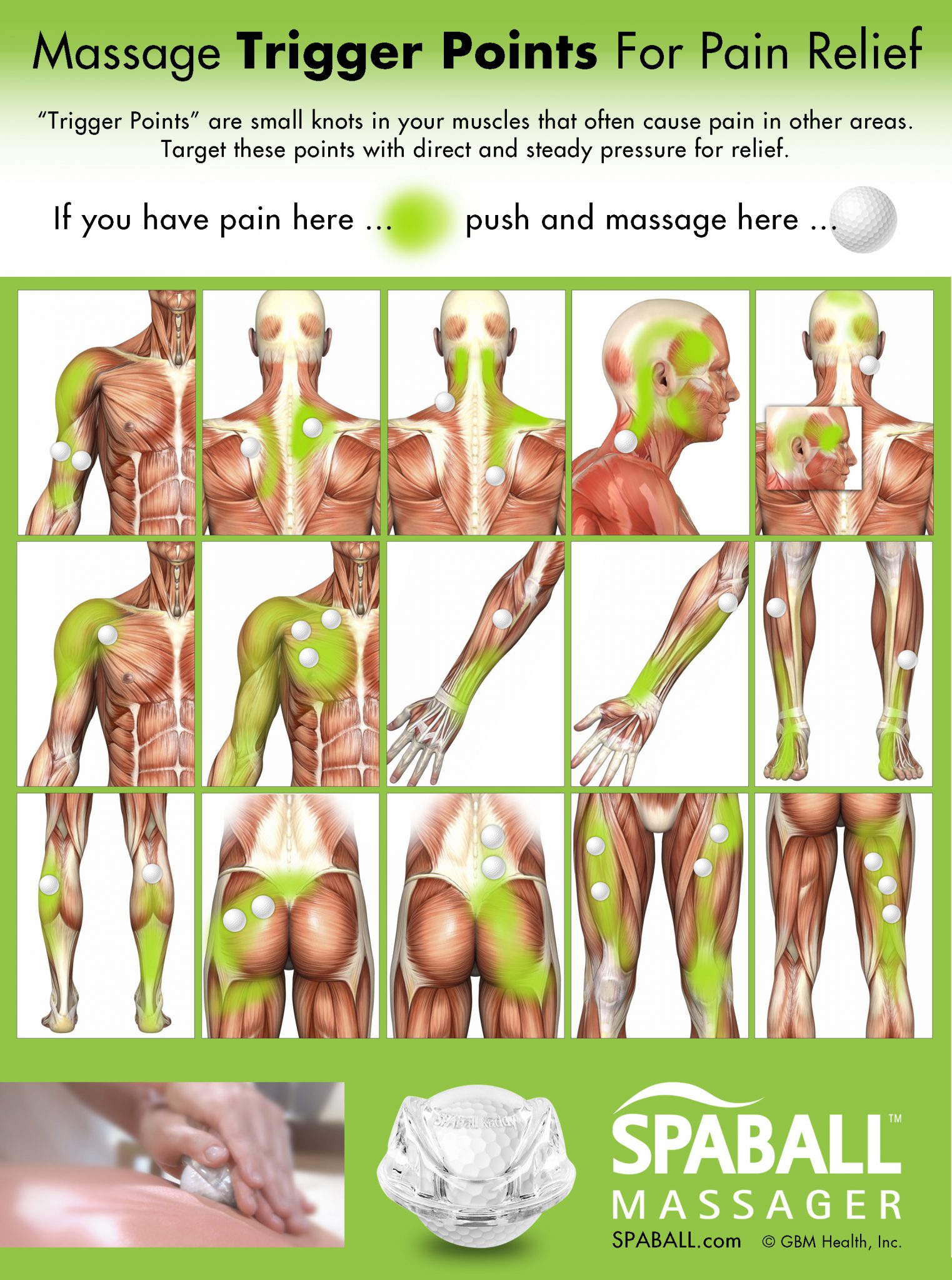
Roll slowly over the ball for 30-60 seconds to identify the most tender areas in your back muscles. Move in small circles or short straight lines (2-3 inches maximum), paying attention to spots that feel significantly tighter or more painful than surrounding tissue. These trigger points often manifest as small, marble-sized knots within the muscle that resist the ball’s pressure. Don’t confuse bone protrusions with muscle knots—true trigger points will feel like distinct, movable lumps within the muscle fiber rather than hard, immovable bone structures.
When you find a persistent tender spot, stop rolling and let your body sink into the ball for 30-45 seconds. This sustained pressure signals your nervous system to release the contracted muscle fibers. You should feel the knot gradually soften and expand under the ball—this is the desired “release” sensation. If the area remains hard or painful throughout this duration, you may be pressing on a nerve or bone rather than muscle tissue; reposition slightly and try again. Most users experience noticeable relief within 2-3 sessions when targeting the correct trigger points consistently.
Avoid the common mistake of focusing only on the most painful spot. Often, referred pain means the primary trigger point lies elsewhere—tight hip flexors frequently cause lower back pain, while neck tension manifests between shoulder blades. Systematically work through adjacent muscle groups to uncover the root cause. Spend no more than 2 minutes exploring each general area before committing to specific pressure points.
Control Pressure with Body Weight, Not Arm Strength
Your arms should remain relaxed at your sides or gently supporting your head—not pushing down to increase pressure. Proper technique uses only your body weight to create therapeutic pressure, which naturally adjusts as you relax into the ball. Start with minimal pressure by keeping your knees bent and feet flat on the floor, then gradually straighten your legs to increase intensity as your muscles adapt. This method prevents shoulder strain while ensuring even pressure distribution across the target area.
Limit yourself to one ball for most sessions—using multiple balls simultaneously creates excessive, uneven pressure that can bruise tissue or aggravate existing conditions. If treating wider areas, roll the single ball systematically through the region rather than placing multiple balls at once. For the lower back, spend 30-60 seconds per side of the spine; for upper back treatment between shoulder blades, 45 seconds per trigger point provides optimal release without overstimulation.
Stop immediately if you experience sharp, shooting pain—this indicates nerve compression rather than muscle tension. Mild discomfort that gradually eases as you breathe is normal, but electric or radiating sensations require repositioning. Most users find effective pressure feels like a “good hurt” that subsides within minutes after treatment, not persistent pain that worsens with continued pressure.
Breathe Deeply to Enhance Muscle Release
Inhale slowly through your nose for 4 counts while preparing to sink into the ball, then exhale through pursed lips for 6 counts as you apply pressure. This extended exhale activates your parasympathetic nervous system, signaling muscles to relax more completely. Many people unknowingly hold their breath during discomfort, which actually tightens muscles further—consciously maintaining this breathing pattern doubles the effectiveness of your self-massage session.
If tension increases when you exhale, try a different breathing rhythm: inhale for 3 counts, hold for 2, then exhale slowly for 5. The key is finding a pattern that helps you consciously relax rather than brace against the pressure. You’ll know it’s working when you feel the muscle “give” or soften under the ball during exhalation—this physical release confirms your breathing technique is effective.
Never skip breathing exercises when using a massage ball for back pain—proper respiration accounts for up to 50% of the therapeutic benefit. Sessions without conscious breathing provide temporary relief at best, while combining deep breathing with targeted pressure creates lasting muscle relaxation and improved range of motion.
Treat Upper Back Pain with Wall-Assisted Technique
Stand with your back against a wall and place the ball between your shoulder blades, slightly to one side of your spine. Slowly slide down the wall into a partial squat position, using your leg strength to control pressure intensity. This position targets the rhomboids and middle trapezius muscles that commonly tighten from desk work and poor posture. Roll the ball vertically along your spine and horizontally across your shoulder blades, pausing at tender spots for 30-45 seconds with deep breathing.
For side-of-shoulder tension, position the ball where your shoulder meets your upper arm and gently rotate your torso toward the wall. This accesses the often-overlooked teres major and minor muscles that contribute to shoulder stiffness and upper back pain. Keep movements small—excessive rolling can strain shoulder joints rather than relieve muscle tension. Spend no more than 2 minutes per side to avoid overstimulating these sensitive areas.
The wall technique works exceptionally well during work breaks—just 3-5 minutes can reset tension built up from sitting at a computer. Keep a massage ball in your office and use this method before pain becomes severe, preventing the need for more intensive treatment later.
Recognize Warning Signs That Require Stopping
Sharp pain that radiates down your leg or into your arms indicates potential nerve involvement—stop immediately and consult a healthcare provider. Numbness, tingling, or weakness developing during or after your session also warrants professional evaluation, as these symptoms suggest nerve compression rather than simple muscle tension. Persistent pain lasting more than 48 hours after treatment indicates you’ve overdone the technique or have an underlying condition requiring medical attention.
Avoid using massage balls directly on recent injuries (less than 48 hours old), open wounds, or areas with swelling. Wait until acute inflammation subsides before applying pressure, as premature treatment can worsen tissue damage. Similarly, skip self-massage if you have a fever or active infection, as increased circulation could spread pathogens through your system.
When in doubt about whether your symptoms are appropriate for self-treatment, consult a physical therapist or doctor first. Using a massage ball for back pain provides excellent relief for muscular tension, but it’s not appropriate for all types of back pain—knowing this distinction prevents accidental harm while maximizing benefits.
Integrate Massage Ball Sessions into Daily Back Care
Use your massage ball first thing in the morning to release overnight stiffness, or in the evening to undo tension from daily activities. Pair each 5-10 minute session with 5 minutes of gentle stretching—cat-cow stretches for lower back, doorway stretches for upper back—to lock in the increased flexibility. Consistency matters more than duration: daily 5-minute sessions yield better long-term results than occasional hour-long treatments.
Combine self-massage with core-strengthening exercises like planks and bird-dog movements to address the root causes of back pain. Strong abdominal and back muscles provide natural support that prevents tension from rebuilding between massage sessions. Set reminders to check your posture hourly if you work at a desk—adjusting your workstation to maintain neutral spine alignment reduces the need for frequent pain relief.
Track your progress in a simple journal: note pain levels before and after each session, specific areas treated, and any activities that trigger discomfort. This information helps identify patterns and adjust your routine for maximum effectiveness. Within 2-3 weeks of consistent practice, most users report significantly reduced frequency and intensity of back pain episodes.