Your triceps make up two-thirds of your arm mass, yet many people skip targeted training for this crucial muscle group. When you try to build arm strength at home with limited equipment, resistance bands become your secret weapon—especially for triceps isolation. If you’ve ever struggled with sagging arms or hitting a plateau in push-ups, how to use resistance bands for triceps properly transforms your home workouts. This guide delivers exactly what you need: proven band exercises that activate all three triceps heads without elbow strain. By the end, you’ll know how to select the right band tension, avoid common form mistakes, and build noticeable arm definition in just 15 minutes daily.
Selecting Your Resistance Band for Triceps Training
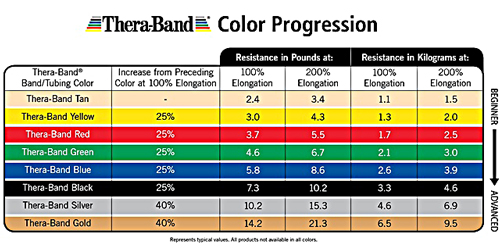
Determine the Correct Band Tension Level
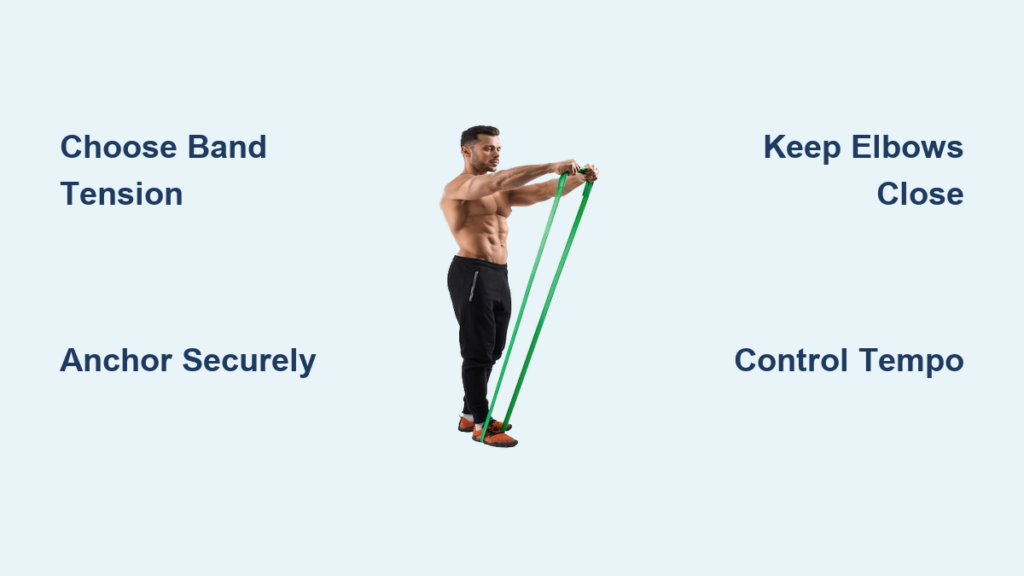
Grab your band and stand with feet shoulder-width apart,踩在 the center. Pull both handles up to shoulder height. If you can fully extend your arms with minimal effort, the band is too light. For effective triceps training, you should feel challenging resistance during the final 20% of elbow extension. Most beginners start with light or medium bands (15-30 lbs resistance), while advanced users often need heavy or x-heavy bands (50-80+ lbs). Test tension by performing 10 overhead extensions—if you complete all reps easily, step up a level.
Anchor Points That Maximize Triceps Engagement
Your anchor point dramatically changes muscle activation. For pushdown variations, secure the band high:
– Door anchor at eye level
– Pull-up bar attachment
– Tall kitchen cabinet handle
For overhead extensions, anchor low:
– Under a sturdy couch leg
– Gym rack base
– Heavy dumbbell on floor
Never anchor to unstable objects. Test stability by pulling gently sideways before starting. A loose anchor causes sudden tension loss, risking shoulder strain during the eccentric phase.
Top 5 Resistance Band Triceps Exercises
Standing Band Pushdowns for Lateral Head Activation
Stand facing your high anchor point, band handles in both hands with palms down. Keep elbows glued to ribs—this is critical. Push handles down until arms fully extend, squeezing triceps hard at the bottom. Control the return for 3 seconds. Perform 3 sets of 12-15 reps.
Pro Tip: Rotate palms inward during the push for extra long head engagement. If you feel shoulders working instead, reduce band tension—this indicates improper elbow positioning.
Overhead Band Extensions Targeting All Three Heads
Anchor band low. Sit on edge of chair, holding single handle with both hands behind head. Keep upper arms vertical. Extend elbows downward until arms straighten, then slowly return. Complete 3 sets of 10-12 reps.
⚠️ Common Mistake: Letting elbows flare outward. This shifts work to shoulders. Press elbows forward slightly throughout movement to maintain triceps focus.
Single-Arm Kickbacks for Medial Head Definition
Step on band center with right foot. Hinge at hips 45 degrees, left hand on bench. Hold handle with right hand, elbow bent 90 degrees against ribcage. Extend arm straight back without moving torso. Do 15 reps per arm for 3 sets.
Visual Cue: Imagine trying to crack a walnut between your elbow and ribcage—this prevents torso rotation.
Floor Press with Band for Chest-Triceps Synergy
Lie on floor, band under upper back. Hold handles above chest, palms forward. Press up while resisting band pull downward. Lower slowly against tension. Perform 4 sets of 8-10 reps.
Why it works: The band increases resistance at full extension—exactly where dumbbells lose effectiveness.
Isometric Holds for Triceps Endurance
Stand on band center, pull handles to shoulder height. Press upward against band tension without moving arms. Hold maximum contraction for 30 seconds. Rest 20 seconds. Repeat 5 times.
Time-Saver: Do these while brushing teeth—no equipment needed beyond your band.
Troubleshooting Common Resistance Band Triceps Problems
Why Your Elbows Crack During Extensions
This usually indicates improper scapular positioning. Before starting any exercise:
1. Retract shoulder blades (“proud chest”)
2. Slightly depress shoulders (away from ears)
3. Maintain neutral spine
If cracking persists, reduce range of motion—stop extensions 10 degrees before full lockout. Your triceps work hardest in the final 30 degrees anyway.
Band Slipping Off Shoulders During Overhead Work
This happens when bands are too wide or hands are positioned incorrectly. Fix immediately:
– Use loop bands instead of handled bands
– Place band 2 inches below shoulder joint
– Grip hands wider than shoulder-width
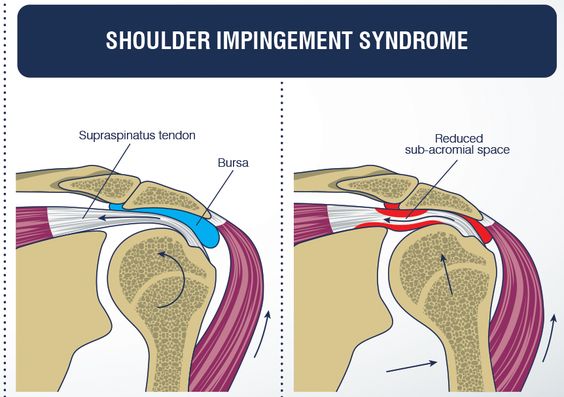
Never allow bands to rest directly on acromion process (bony shoulder tip)—this causes impingement.
Programming Your Triceps Band Routine
Weekly Training Frequency by Goal
| Goal | Sessions/Week | Sets/Exercise | Rest Between Sets |
|---|---|---|---|
| Muscle Growth | 2 | 3-4 | 90 seconds |
| Toning | 3 | 2-3 | 60 seconds |
| Rehabilitation | 4 | 1-2 | 120 seconds |
Always train triceps 48 hours after chest/back workouts. Never do band triceps work before heavy pushing days—fatigued triceps compromise bench press safety.
Progressive Overload Strategies
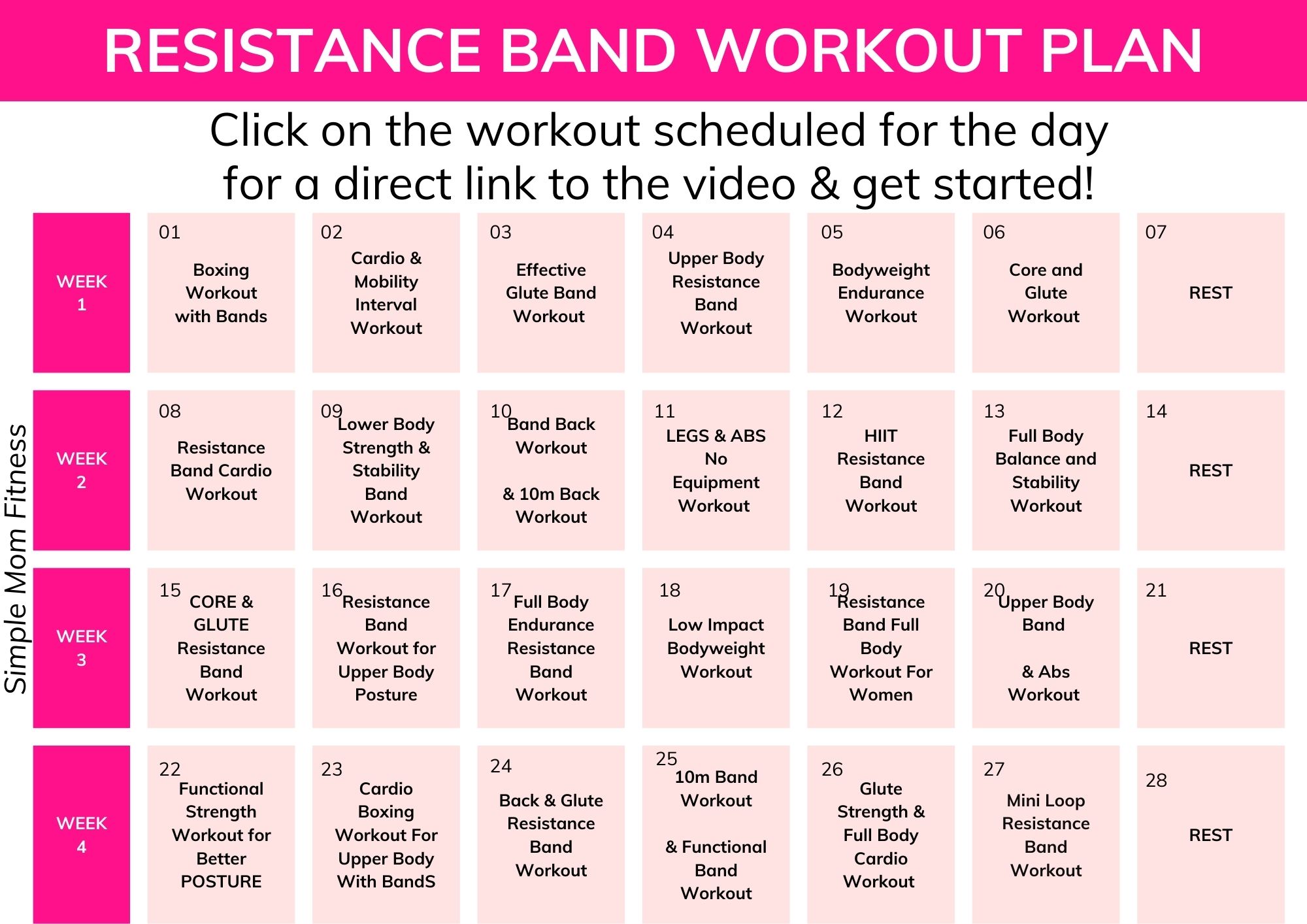
Increase difficulty every 2 weeks:
1. Tension Upgrade: Move to thicker band
2. Tempo Manipulation: 4-second lowering phase
3. Position Shift: Narrower grip for medial head focus
4. Band Stacking: Use two bands simultaneously
Track progress by recording how many reps you complete within 2 inches of failure. When you hit the top of your rep range for all sets, advance to next overload method.
Injury Prevention Essentials
Wrist Positioning That Avoids Strain
Your wrists must stay neutral during all movements. For pushdowns:
– Imagine holding a soda can—don’t bend wrist backward
– Keep knuckles aligned with forearm bones
– Use wrist wraps if you have previous injuries
If you feel wrist burning, switch to rope attachment or perform exercises with fists clenched.
When to Stop Immediately
Abort any exercise if you experience:
– Sharp pain behind elbow (ulnar nerve irritation)
– Popping sensation in triceps tendon
– Numbness in ring/pinky fingers
Apply ice for 15 minutes and skip triceps training for 72 hours. Persistent symptoms require medical evaluation—resistance bands won’t fix tendon tears.
Maximizing Results: Pro Techniques
The 2-Second Peak Contraction Method
At full elbow extension during pushdowns, hold the squeeze while counting “one-Mississippi, two-Mississippi.” This increases time under tension by 40% compared to standard reps. Studies show this technique boosts muscle fiber recruitment significantly.
Post-Workout Blood Flow Restriction
After your final set:
1. Wrap resistance band loosely around upper arm
2. Perform 20 bodyweight triceps extensions
3. Repeat for 3 sets with 30-second rests
This creates metabolic stress for growth without heavy loads—perfect for home training limitations.
Final Note: Consistently applying how to use resistance bands for triceps with these techniques delivers visible arm definition in 6-8 weeks. Always prioritize form over tension—your triceps respond better to controlled 15-rep sets than sloppy heavy pulls. For best results, pair this with protein timing: consume 20-30g within 45 minutes post-workout. Remember that triceps growth requires patience; measure progress monthly with arm circumference tracking rather than daily mirror checks. When in doubt about form, film yourself—the angle revealing most mistakes is directly from the side. Now grab your band and build the arms you’ve been working toward.