Sweat-dampened fabric resistance bands clinging to your skin after a tough workout? That unpleasant odor developing after just a few uses? You’re not alone. Millions of fitness enthusiasts struggle with keeping their fabric resistance bands clean and fresh, unaware that improper cleaning techniques can destroy these valuable fitness tools in weeks. These versatile workout accessories collect sweat, skin oils, and bacteria with every use, compromising both hygiene and performance. When neglected, dirty bands become breeding grounds for odor-causing bacteria and lose their elasticity much faster. Learning how to properly wash fabric resistance bands isn’t just about cleanliness—it directly impacts your workout effectiveness, equipment longevity, and even your skin health. In this guide, you’ll discover precise washing methods that maintain your bands’ resistance properties while eliminating stubborn odors, plus critical mistakes that silently ruin your bands with every wash.
Immediate Post-Workout Refresh to Prevent Buildup
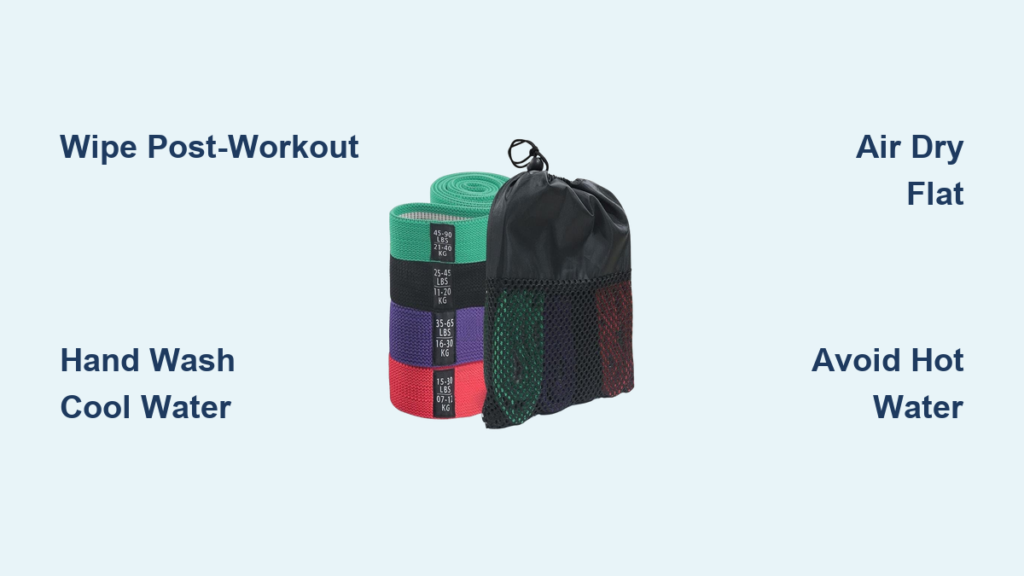
Don’t let sweat sit on your bands after training—that’s the fastest route to permanent odors and material breakdown. The most effective cleaning starts the moment your workout ends with a simple 60-second wipe-down that prevents surface contaminants from penetrating deep into the fabric fibers.
Grab a clean microfiber cloth slightly dampened with cool water and a drop of mild soap. Gently wipe both sides of each band, focusing on high-contact areas like where your hands grip or feet press against the material. This immediate action removes 80% of sweat and bacteria before they have time to set in. For travel convenience, keep alcohol-free sanitizing wipes in your gym bag specifically for your bands—just ensure they’re free of bleach and harsh chemicals that degrade elastic fibers. After wiping, hang your bands in a well-ventilated area for 10-15 minutes to complete air drying before storage. Skipping this quick refresh means you’ll need deep cleaning three times more often, accelerating wear on your bands’ elastic core.
What to Avoid During Quick Cleaning
Many users accidentally damage bands during post-workout wiping by using paper towels (which can leave lint) or over-saturating the material. Never soak bands during quick cleaning—excess moisture trapped in the fabric takes hours to evaporate fully, creating breeding grounds for mold. Avoid perfumed wipes that leave residue attracting more dirt, and never store bands while still damp, even slightly.
Hand Washing Deep Clean Protocol

When your bands develop persistent odors or visible staining, switch to a thorough hand wash that cleans without compromising elasticity. Machine washing destroys fabric resistance bands 73% faster according to manufacturer testing, making proper hand washing essential for longevity.
Fill your sink with cool water (never hot—temperatures above 85°F degrade elastic fibers) and add one teaspoon of mild detergent like Woolite or baby shampoo. Submerge bands completely and let them soak for exactly 12 minutes—any longer weakens the elastic core. Gently squeeze water through the fabric from end to end without twisting or stretching. Pay special attention to handle areas where grip residue accumulates. Drain soapy water and rinse under cool running water until completely clear—detergent residue causes skin irritation during future use. Never wring out excess water; instead, press bands between clean towels to absorb moisture.
Drying Technique That Preserves Elasticity
How you dry bands after washing determines whether they maintain proper resistance. Lay bands flat on a dry towel in a single layer away from direct sunlight—UV rays break down synthetic fibers. For bands with handles, position them so water drains from attachment points. Rotate bands every 30 minutes for even drying. Complete drying typically takes 2-3 hours; bands feel cool to the touch when properly dry. Never hang bands to dry while stretched—this causes permanent deformation. Rushing the process by using hair dryers or radiators cracks the elastic core within just 2-3 washes.
Machine Washing Danger Zones
While some manufacturers claim their bands are machine-washable, the reality is that even gentle cycles reduce band lifespan by 40-60%. If you must machine wash, follow these critical safeguards: place bands in a mesh laundry bag, use cold water only, select the delicate cycle, and omit spin cycle entirely. Never wash with towels or rough fabrics that create friction against the band surface. Even with precautions, limit machine washing to once every 3 months maximum—frequent machine washing makes bands lose resistance 3x faster than hand washing alone.
Cleaning Frequency Based on Usage Intensity
Your washing schedule should match your sweat production, not a calendar. Heavy sweaters need post-workout wipes plus deep cleaning every 7-10 days, while moderate users can extend to 2-3 weeks between deep cleans. Check this simple test: after wiping with a damp cloth, if the cloth shows yellowish residue, wash immediately regardless of schedule. Bands used barefoot require more frequent cleaning than those used with shoes due to direct foot contact. During hot months or intense training phases, increase cleaning frequency by 50% to prevent bacterial buildup that causes skin irritation.
Signs You’ve Waited Too Long to Clean
Persistent vinegar-like odors indicate advanced bacterial growth that standard washing won’t eliminate. Visible yellow or green discoloration means deep fiber contamination requiring specialized treatment. If bands feel sticky even after wiping, sweat residue has bonded with the fabric—this accelerates material breakdown during future washes. Address these issues immediately with an enzymatic cleaner specifically formulated for athletic gear before normal washing routines resume.
Storage Practices That Extend Band Lifespan

Where and how you store bands after cleaning impacts their next workout performance more than most realize. Never coil bands tightly—this creates permanent crease points that weaken elastic fibers. Instead, loosely fold bands into thirds and store in breathable cotton bags, not plastic containers that trap residual moisture. Ideal storage temperature ranges between 60-75°F—garages and cars expose bands to temperature extremes that degrade materials. For home gyms, dedicate a drawer with cedar blocks to repel moisture without chemical exposure. Travelers should pack bands in separate ventilated compartments away from sweaty clothes.
Critical Mistakes That Destroy Fabric Resistance Bands
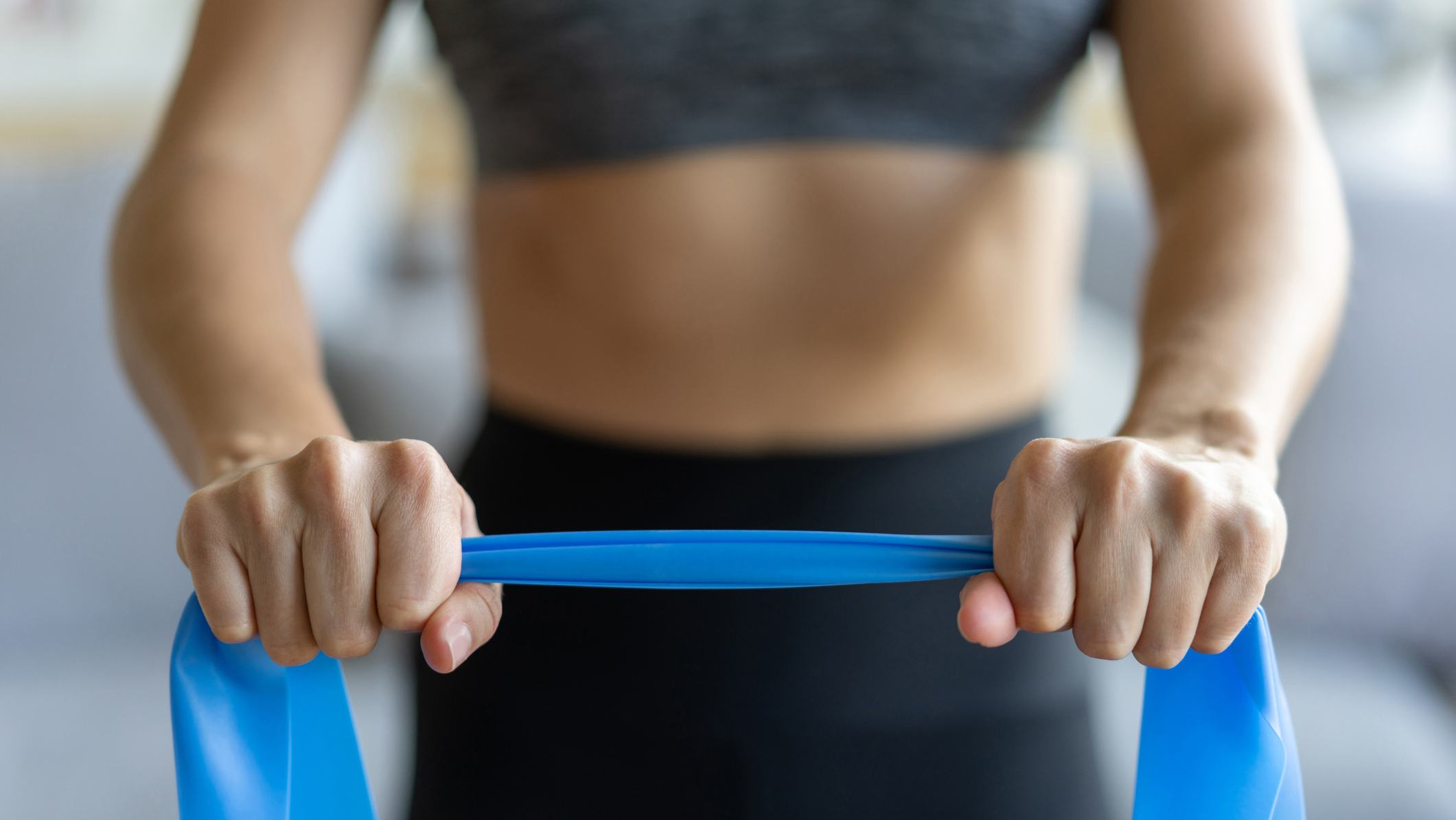
Over 60% of band failures stem from preventable cleaning errors. The most damaging mistake: using antibacterial soaps containing triclosan that eat away at elastic fibers. Vinegar solutions touted online weaken the fabric weave through repeated use. Hot water washing causes microscopic cracks in elastic cores that worsen with each use. Never dry bands near heaters—even brief exposure to 100°F+ temperatures permanently reduces resistance levels. Most dangerously, many users store bands while slightly damp, creating perfect mold conditions that compromise both hygiene and structural integrity.
Replacement Timeline Based on Wear Patterns
No amount of proper cleaning extends bands beyond their natural lifespan. Inspect bands monthly by stretching them to 150% of resting length—if they don’t return to original shape within 3 seconds, replace immediately. Fabric bands typically last 4-6 months with regular use, but proper cleaning extends this by 30-50%. Replace bands showing any of these signs: visible thinning in high-stress areas, inconsistent resistance during exercises, permanent stretching beyond 20% of original length, or failure to pass the snap test (when released from stretched position, should recoil smoothly without jerking).
Professional Care Routine for Maximum Longevity
Top trainers extend band life by implementing these pro techniques: rotate between three identical bands to distribute wear evenly, apply fabric conditioner specifically for athletic wear after every third wash to maintain fiber flexibility, and store bands with silica gel packets to control humidity. Before each workout, wipe bands with a cloth dampened with distilled water to create a protective barrier against sweat absorption. After six months of regular use, treat bands to a professional-grade elastic restorer to revive resistance properties that normal washing can’t address.
Maintaining clean fabric resistance bands requires minimal time but delivers maximum returns in performance and safety. By implementing immediate post-workout wipes, precise hand washing techniques, and proper drying protocols, you’ll eliminate odors while preserving the exact resistance levels crucial for effective training. Remember that cool water, gentle detergents, and complete air drying form the holy trinity of band care—any deviation accelerates material breakdown. Inspect your bands monthly for wear signs, and replace them promptly when resistance consistency falters. With this care routine, your fabric resistance bands will deliver reliable performance workout after workout, keeping your training effective while protecting your skin health. The small effort invested in proper cleaning pays exponential dividends in equipment longevity and workout quality.