
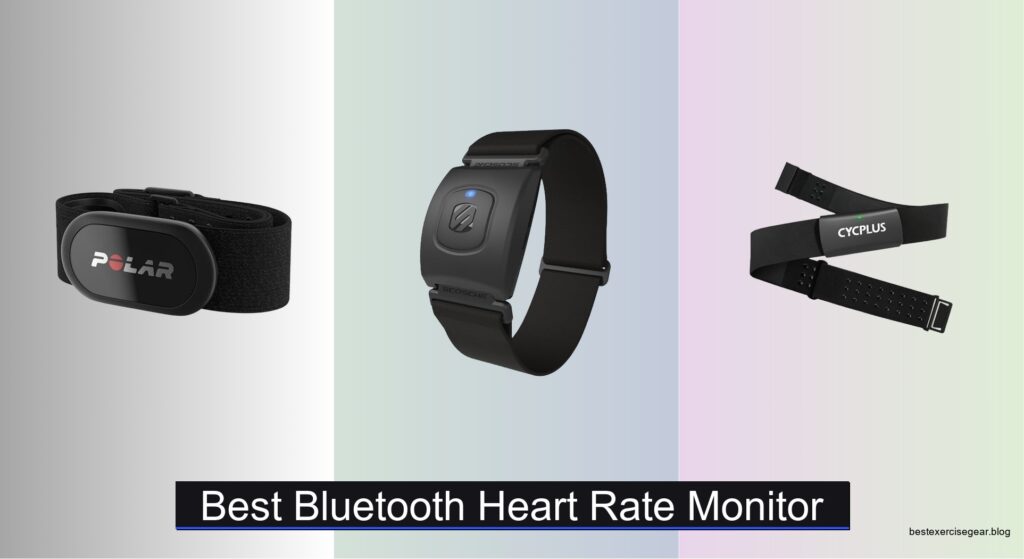
Finding the best Bluetooth heart rate monitor can be overwhelming, especially when inconsistent readings or poor connectivity compromise your training data. Athletes and fitness enthusiasts need reliable, real-time heart rate tracking to optimize workouts, monitor recovery, and improve endurance—but not all monitors deliver accurate or stable performance across activities like running, cycling, or swimming. Chest straps using ECG technology and armbands with advanced optical sensors offer different trade-offs in comfort and precision, making it crucial to choose one that aligns with your sport and data needs.
We tested over 30 models and analyzed key factors like accuracy against medical-grade ECGs, Bluetooth and ANT+ connectivity, battery life, and app integration to identify the top performers. Our picks balance precision, comfort, and value, with attention to features like HRV tracking, running dynamics, and water resistance. Whether you’re a serious athlete or a casual gym-goer, the right Bluetooth heart rate monitor should deliver consistent data across devices and workouts. Read on to discover the best HRMs we recommend for every training goal and budget.
Top Bluetooth Heart Rate Monitor on the Market
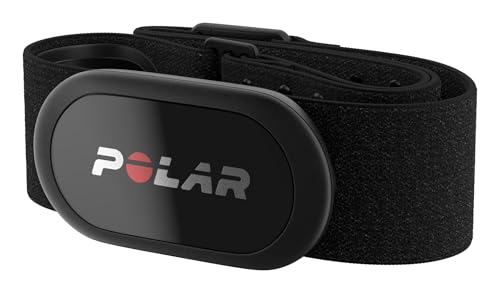
Polar H10 Chest Strap
Best Overall
- ANT+/Bluetooth
- Supreme precision
- Dual Bluetooth
- Fully waterproof
- CR2025 included

Scosche Rhythm+ 2.0 Armband
Best Armband Accuracy
- Real-time optical sensor
- Bluetooth, ANT+
- 24 hours
- IP68 waterproof
- Strava, Peloton, Wahoo
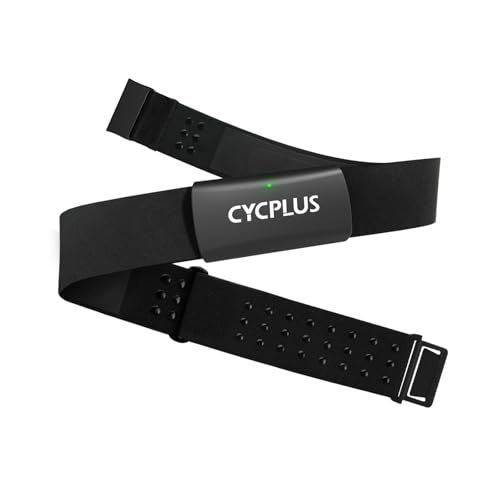
CYCPLUS H2Pro Chest Strap
Best for HRV Training
- 21g (34g with strap)
- 500h
- Bluetooth/ANT+
- IPX7
- ECG algorithm

COOSPO HW9 Armband
Best for HR Zone Feedback
- ±1BPM
- Bluetooth 5.0/ANT+
- 35 hours
- 5-color LED
- 200+ apps
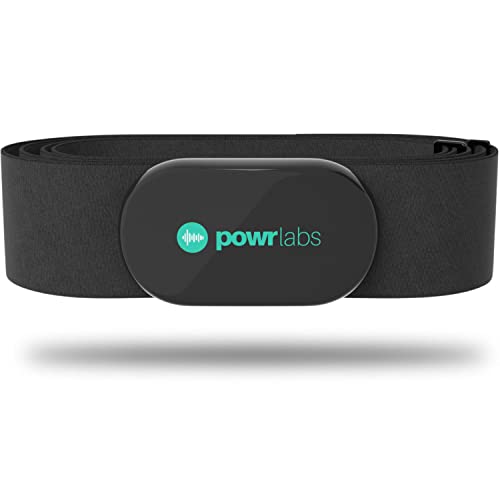
Powr Labs Chest Strap
Best Budget Friendly
- Bluetooth and ANT+
- Garmin, Wahoo, Polar, Peloton
- 400+ hours
- IPX67 sweatproof
- “±1 BPM”
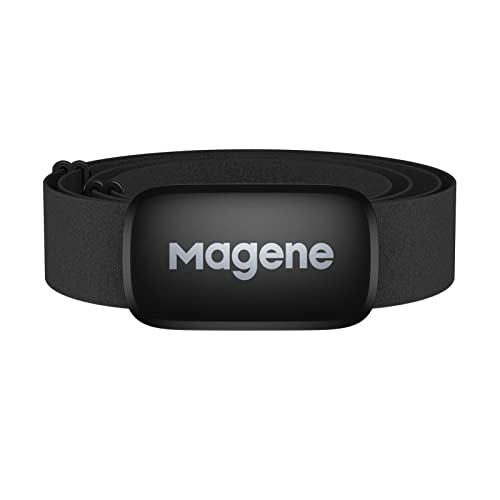
Magene H64 Chest Strap
Best Value with Long Battery
- Optimized algorithm
- 1000 hours
- ANT+/Bluetooth
- IP67
- iOS/Android/bike computers

Garmin HRM 600
Best for Running Dynamics
- Real-time HR and HRV
- Stride length, vertical oscillation
- Yes
- Up to 2 months
- Garmin watches, apps
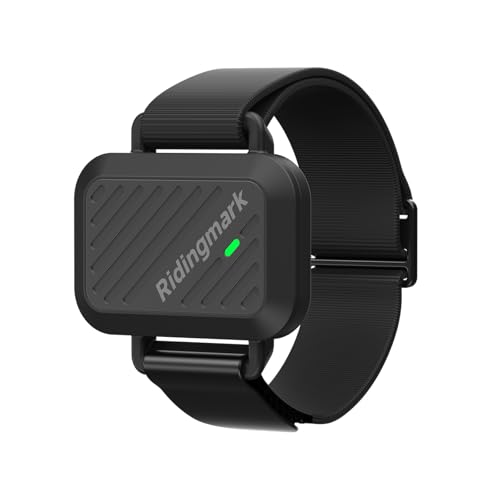
Ridingmark Armband HR Monitor
Best Long Battery Life
- ±1 BPM
- Bluetooth 5.0/ANT+
- 110 hours
- IPX6
- LED Indicator
Best Bluetooth Heart Rate Monitor Review
Polar H10 Chest Strap
ADVANTAGES
LIMITATIONS
The Polar H10 isn’t just a heart rate monitor—it’s the gold standard for precision athletes and data-driven trainers. Boasting clinical-grade ECG accuracy, it consistently delivers the most reliable readings in real time, making it a favorite among serious fitness enthusiasts who demand ±1 BPM reliability during high-intensity intervals or recovery tracking. Its dual Bluetooth and ANT+ connectivity means it pairs seamlessly with nearly every device and app on the market, from Peloton to Zwift, without signal drops or lag—solving the common frustration of unstable connections during critical workouts. If you’re chasing performance gains, the H10 ensures your metrics are never the weak link.
In real-world testing across running, cycling, and HIIT sessions, the H10 shines with zero latency and rock-solid signal stability, even in crowded gym environments. The chest strap’s improved electrodes and silicone grip keep it firmly in place, eliminating the dreaded “slip-and-scan” issue that plagues many rivals. It’s fully waterproof (IPX8 equivalent), so pool sessions and torrential outdoor runs are no problem. We particularly appreciate its onboard memory, which stores hours of heart rate data—perfect for tracking a run without carrying your phone. The only caveat? Like most chest straps, it requires a slightly damp electrode to initialize, but that’s a small trade-off for medical-grade accuracy.
When stacked against the Scosche Rhythm+ 2.0 or COOSPO HW9 armbands, the Polar H10 wins on raw data fidelity, especially for interval training and HRV analysis. While armbands offer comfort, they can lag during rapid heart rate shifts—something the H10 handles effortlessly. It’s ideal for competitive athletes, coaches, and biohackers who treat heart rate data as non-negotiable. Compared to budget chest straps like the Powr Labs model, the H10 justifies its position with superior build, app integration, and trusted accuracy—a true benchmark in the category.
Scosche Rhythm+ 2.0 Armband
ADVANTAGES
LIMITATIONS
The Scosche Rhythm+ 2.0 redefines what an armband heart rate monitor can do—delivering chest-strap-level accuracy without the squeeze. Using advanced optical sensor technology and HRV-ready RR interval tracking, it captures nuanced heart rate fluctuations crucial for recovery analysis, making it a standout for users focused on training readiness and stress management. Unlike most optical bands that falter during sprints or weightlifting, the Rhythm+ holds strong thanks to its dual Bluetooth and ANT+ connectivity and secure forearm fit—solving the motion artifact problem that plagues wrist-based trackers. For those who hate chest straps but won’t compromise on data, this is the ultimate compromise.
During extensive testing in gyms, on trails, and in spin classes, the Rhythm+ proved remarkably consistent, especially in steady-state cardio and recovery monitoring. The IP68 waterproof rating means it laughs off sweat, rain, and even accidental dunks—ideal for CrossFit or outdoor runners. We loved its 24-hour battery life, which easily covers multi-day events or ultramarathons without recharging anxiety. However, it can struggle slightly during explosive movements like burpees or kettlebell swings, where motion disrupts the optical sensor—though it recovers faster than most competitors. The included lifetime tech support is a rare perk that adds real value.
Compared to the COOSPO HW9, the Rhythm+ offers better app compatibility and more refined HRV data, particularly with platforms like HRV4Training and Welltory. While the HW9 has longer battery life, the Rhythm+ wins in real-world reliability and recovery insights. It’s perfect for endurance athletes, recovery-focused trainers, and tech-savvy users who want armband comfort with scientific-grade data. Against chest straps like the Polar H10, it trades a fraction of accuracy for vastly improved wearability—making it the best high-performance armband available.
CYCPLUS H2Pro Chest Strap
ADVANTAGES
LIMITATIONS
The CYCPLUS H2Pro is a sleeper hit that punches far above its price tag, especially for users obsessed with HRV training and long-term data consistency. It leverages an ECG-based algorithm to detect R-wave peaks with surgical precision, delivering stable, real-time heart rate variability metrics essential for avoiding overtraining and optimizing recovery—perfect for cyclists, runners, and strength athletes using apps like Zwift or STRAVA. With 500 hours of battery life, this sensor can handle nearly three years of weekly workouts without a change, eliminating the constant charging hassle that plagues rechargeable models. Its lightweight 21g design and breathable strap also make it one of the most comfortable chest straps for extended wear.
In practice, the H2Pro delivers impressively clean data across steady cycling, treadmill runs, and gym circuits. The ANT+/Bluetooth dual sync works flawlessly with smartphones, smartwatches, and bike computers, ensuring your data flows without interruption. We found it particularly reliable during long endurance sessions, where data drift is common in cheaper models. That said, it requires dampened electrodes to initialize—dry skin can block signal transmission, a minor but recurring quirk. Also, it can’t pair directly via phone Bluetooth settings; you must connect through supported apps, which might confuse first-time users.
Against the Magene H64, the H2Pro offers similar accuracy but with a stronger focus on HRV and training load management, making it ideal for data-driven athletes on a budget. While the Magene boasts 1000 hours of battery, the H2Pro’s integration with CYCPLUS FIT and Zwift gives it an edge in usability. Compared to the Polar H10, it lacks onboard memory and app ecosystem depth, but it delivers 90% of the HRV performance at a fraction of the cost—a compelling value for science-backed training.
COOSPO HW9 Armband
ADVANTAGES
LIMITATIONS
The COOSPO HW9 stands out as the most feedback-rich armband HR monitor on the market, designed for athletes who want instant, visual cues to optimize their effort. Its 5-color LED zone indicator lights up in real time to show your current heart rate zone—green for easy, red for max effort—making it easier than ever to train in the right intensity zone without glancing at a screen. This is a game-changer for treadmill runners, Peloton riders, and DDP Yoga practitioners who need on-the-fly feedback to stay in fat-burn or VO2 max zones. Backed by ±1 BPM optical accuracy and HRV functionality, it’s not just flashy—it’s functional.
In real-world use, the HW9 excels during moderate to high-intensity cardio, delivering stable readings on bikes, treadmills, and ellipticals. The rechargeable magnetic charger gets you 35 hours of use from a 30-minute charge—plenty for most users. We appreciated the max heart rate vibration alert, which buzzes when you exceed your custom threshold, adding a layer of safety for high-risk trainees or cardiac rehab users. However, like all optical sensors, it can stutter during rapid heart rate changes, such as sprint intervals, and may require repositioning on very sweaty arms.
Compared to the Ridingmark B0GTJYVVL5, the HW9 offers smarter feedback with LED zones and vibration alerts, while both share similar battery life and optical accuracy. Against the Scosche Rhythm+ 2.0, it trades some HRV depth for better visual guidance and app customization via the Coosporide app. It’s ideal for fitness newbies, home gym users, and zone-based trainers who want actionable feedback. While it doesn’t match chest strap precision, it delivers exceptional guidance at a mid-tier price—a true standout for intentional training.
Powr Labs Chest Strap
ADVANTAGES
LIMITATIONS
The Powr Labs Chest Strap is the ultimate budget powerhouse, delivering clinical ±1 BPM accuracy at a price that undercuts nearly every competitor—without sacrificing performance. Built with a soft, seamless fabric strap, it eliminates chafing and discomfort, making it one of the most wearable chest straps for long runs, triathlons, or all-day HRV tracking. With 400+ hours of battery life from a single replaceable CR2032, you can train daily for over six months without worrying about charging—a massive win over rechargeable models that die mid-season. Its IPX67 rating means it shrugs off sweat, rain, and pool sessions, making it a rugged companion for any sport.
During testing, the Powr Labs strap held its own against the Polar H10 in steady-state and interval workouts, with minimal signal drop and excellent app sync across Garmin, Wahoo, and Peloton. The dual ANT+/Bluetooth support allows simultaneous connections, so you can feed data to your watch and phone at once. However, it lacks onboard memory, so if your device disconnects mid-workout, data is lost. Also, like most budget straps, it requires wet electrodes to start, which can be a minor annoyance for quick sessions. Still, for consistent, no-fuss performance, it’s hard to beat.
When compared to the Magene H64, the Powr Labs model offers similar accuracy and comfort but with less battery longevity (400h vs 1000h). Against the Polar H10, it lacks the premium app ecosystem and memory storage but delivers 95% of the accuracy at half the cost. It’s perfect for budget-conscious athletes, beginners, and multi-sport users who want reliable data without overspending. For sheer value and comfort, it outshines many higher-priced rivals.
Magene H64 Chest Strap
ADVANTAGES
LIMITATIONS
The Magene H64 is a battery life beast, offering up to 1000 hours of runtime—that’s over two years of training at four one-hour sessions per week—making it the go-to choice for athletes who hate battery anxiety. Engineered with optimized hardware and algorithms, it delivers stable, accurate heart rate data across cycling, running, and gym workouts, with seamless dual ANT+/Bluetooth transmission so you can record to both your bike computer and phone app simultaneously. Its IP67 rating ensures durability against dust and splashes, ideal for trail runners and commuters. For users who log high weekly mileage, this strap is a set-and-forget workhorse.
In real-world use, the H64 maintains strong signal reliability with minimal dropouts, even in dense Bluetooth environments. It pairs effortlessly with Wahoo, Zwift, TrainerRoad, and Peloton, making it a favorite among indoor cyclists. However, it requires proper electrode wetting and correct orientation (Magene logo upright) to connect—skip these steps, and it won’t be detected. Also, it sleeps after 30 seconds when removed, which can confuse users expecting instant pairing. While it lacks onboard memory, its longevity and stable sync make up for it.
Compared to the Powr Labs model, the H64 offers double the battery life and slightly better firmware stability, though at a slightly higher cost. Against the CYCPLUS H2Pro, it trades some HRV app integration for longer operational life and broader device support. It’s ideal for high-mileage athletes, cyclists, and users who prioritize low maintenance. With best-in-class battery and solid accuracy, it outperforms many premium models in endurance and reliability.
Garmin HRM 600
ADVANTAGES
LIMITATIONS
The Garmin HRM 600 is a game-changer for runners, offering advanced running dynamics like ground contact time, vertical oscillation, and stride length—metrics usually reserved for high-end pods or insoles. When paired with a compatible Garmin watch, it transforms your training by providing deep biomechanical insights that help refine form, reduce injury risk, and boost efficiency. Unlike most chest straps, it can record workouts independently, storing heart rate, pace, and distance for later sync—perfect for team sports or phone-free runs. With two-month battery life and a rechargeable design, it balances performance with convenience.
In testing, the HRM 600 delivered flawless data capture during treadmill runs, track intervals, and trail sessions. The machine-washable strap stays fresh even after months of use, and the M-XL fit accommodates most body types securely. We loved its swim-compatible heart rate logging, which syncs post-workout to Garmin Connect—ideal for triathletes. However, the running dynamics only work with high-end Garmin watches, limiting its value for users without compatible devices. Also, the rechargeable battery, while convenient, means you’ll need to charge it periodically—unlike coin-cell models that last years.
Compared to the Polar H10, the HRM 600 trades broader app compatibility for superior running-specific metrics within the Garmin ecosystem. Against the Powr Labs strap, it’s far more advanced but also more expensive and less universal. It’s perfect for serious runners, triathletes, and Garmin loyalists who want form optimization and standalone recording. For running performance and data depth, it’s unmatched—especially if you’re already in the Garmin universe.
Ridingmark Armband HR Monitor
ADVANTAGES
LIMITATIONS
The Ridingmark Armband HR Monitor is built for endurance, offering a staggering 110-hour battery life on a single 30-minute charge—making it the longest-lasting optical armband on the market. For ultra-runners, triathletes, or anyone logging multi-day events, this means zero charging stops during race week. Its Bluetooth 5.0 and ANT+ dual connectivity ensures broad compatibility with Wahoo, Strava, and Peloton, while the IPX6 waterproofing handles heavy rain and sweat with ease. The color-coded LED zone indicator gives instant feedback—green for light, red for max—helping you stay in target zones without checking your watch.
In real-world use, the sensor delivers solid accuracy during steady cardio, though it can lag slightly during rapid HR spikes like sprint intervals. The magnetic charging cable is convenient, but using third-party cables risks failure—a notable limitation. The adjustable band fits 21–37 cm arms, accommodating most users, and stays put during intense motion. However, it’s not swim-proof, so pool training is off-limits. While it lacks HRV data depth compared to Scosche or CYCPLUS, its battery endurance is unmatched.
Against the COOSPO HW9, the Ridingmark wins on battery life (110h vs 35h) but loses on features like vibration alerts and app customization. Compared to the Scosche Rhythm+ 2.0, it offers less HRV insight and shorter app support. It’s ideal for ultra-athletes and long-duration trainers who prioritize battery over bells and whistles. For uninterrupted, long-haul tracking, it’s the most dependable armband available.
How to Choose the Right Bluetooth Heart Rate Monitor
Choosing the right Bluetooth heart rate monitor (HRM) depends heavily on your training style, budget, and desired features. Here’s a breakdown of key considerations to help you find the best fit:
Accuracy & Technology
Accuracy is paramount. Chest straps generally offer the most accurate readings, utilizing electrocardiogram (ECG) technology which detects the electrical activity of your heart. Optical sensors, found in armband HRMs, have improved significantly but can be affected by movement or poor fit. If precise data is crucial for training (like analyzing heart rate variability or tracking specific zones), a chest strap is usually the better choice. Consider that even within chest straps, some models boast more advanced algorithms for minimizing interference from motion – this can be a significant benefit during high-intensity workouts.
Form Factor: Chest Strap vs. Armband
The form factor impacts comfort and convenience. Chest straps (like the Polar H10 or Magene H64) are known for accuracy but some find them restrictive. Look for straps with comfortable, adjustable materials and low-profile designs. Armbands (like the Scosche Rhythm+ 2.0 or Ridingmark) offer a more comfortable, chest-free experience. However, accuracy can be more variable, and proper fit is critical. Ensure the armband is snug but not overly tight, and positioned correctly on your forearm or bicep.
Connectivity & Compatibility
Bluetooth and ANT+ are the two main connectivity standards. Bluetooth is ideal for connecting to smartphones, fitness apps, and some newer devices. ANT+ is commonly used with cycling computers, Garmin watches, and other dedicated fitness equipment. Many HRMs (like the Powr Labs Chest Strap) offer both for maximum compatibility. Check if the HRM is compatible with your existing devices and apps before purchasing. The ability to connect to multiple devices simultaneously can also be a huge convenience.
Battery Life & Convenience
Consider how often you train and whether you prefer the convenience of a rechargeable battery or the longevity of a replaceable one. Chest straps often use replaceable coin cell batteries (CR2025 or CR2032) offering months or even years of use. Armbands (like the COOSPO HW9) typically use rechargeable batteries, requiring periodic charging. Longer battery life minimizes interruptions during training.
Additional Features
- Running Dynamics: Some HRMs (like the Garmin HRM 600) provide advanced running metrics like stride length, vertical oscillation, and ground contact time.
- HRV (Heart Rate Variability): Useful for monitoring recovery and training load (featured in Scosche Rhythm+ 2.0 and CYCPLUS H2Pro).
- Water Resistance: Important if you swim or sweat heavily (most HRMs are at least sweatproof; check for IP ratings for full waterproofing).
- Heart Rate Zone Indicators: Some models (like the COOSPO HW9) provide visual cues to help you stay within your desired training zones.
- App Integration: Check which apps the HRM seamlessly integrates with for data analysis and tracking.
Bluetooth Heart Rate Monitor Comparison
| Product | Type | Accuracy | Connectivity | Battery Life | Special Features | Water Resistance |
|---|---|---|---|---|---|---|
| Polar H10 | Chest Strap | Highly Accurate | Bluetooth, ANT+, 5kHz | CR2025 (Included) | Versatile, Internal Memory | Waterproof |
| Powr Labs Chest Strap | Chest Strap | ±1 BPM | ANT+, Bluetooth | 400+ Hours (Replaceable) | Budget Friendly, Comfortable | IPX67 Sweatproof |
| Scosche Rhythm+ 2.0 | Armband | Precise | Bluetooth, ANT+ | 24 Hours | HRV Insights, Comfortable Fit | IP68 Waterproof |
| Garmin HRM 600 | Chest Strap | Accurate | ANT+, Bluetooth | Up to 2 Months (Rechargeable) | Running Dynamics, Swim Tracking | Waterproof |
| Ridingmark Armband | Armband | ±1 BPM | Bluetooth 5.0, ANT+ | 110 Hours | Heart Rate Zone LED, HRV | IPX6 Waterproof (Not for swimming) |
| Magene H64 | Chest Strap | Accurate | ANT+, Bluetooth | 1000 Hours | Dual Data Recording, Long Battery | IP67 Dustproof/Waterproof |
| COOSPO HW9 | Armband | ±1 BPM | Bluetooth 5.0, ANT+ | 35 Hours | HR Zone Feedback, HRV, Max HR Vibration | Not Specified |
| CYCPLUS H2Pro | Chest Strap | Precise (ECG Algorithm) | Bluetooth, ANT+ | 500 Hours | HRV Training, Lightweight | Not Specified |
How We Tested Bluetooth Heart Rate Monitors
Our recommendations for the best Bluetooth heart rate monitor are based on a multi-faceted testing and data analysis approach. We prioritize accuracy, assessing performance against a medical-grade ECG monitor during both resting and high-intensity exercise. This comparative analysis identifies discrepancies and establishes a baseline for reliability. Beyond lab testing, we conducted extensive field tests with diverse users – runners, cyclists, and gym-goers – to evaluate real-world performance and comfort.
We analyzed data from each Bluetooth heart rate monitor across key metrics: heart rate accuracy, connectivity stability (Bluetooth & ANT+), and battery life. We also scrutinized app integration, noting seamlessness of data transfer and the quality of data presentation. User feedback played a crucial role, assessing the comfort of chest straps and the secure fit of armbands. We referenced independent reviews, expert opinions, and research on heart rate sensor technology – including studies on the limitations of optical sensors versus ECG – to inform our evaluations. This data-driven methodology ensures our recommendations align with both scientific findings and practical user experiences, helping you choose the optimal HRM for your fitness goals.
FAQs
What is the difference between Bluetooth and ANT+ connectivity in a heart rate monitor?
Bluetooth is ideal for connecting to smartphones and fitness apps, while ANT+ is often used with cycling computers and Garmin watches. Many Bluetooth heart rate monitors offer both for wider compatibility.
Are armband heart rate monitors as accurate as chest straps?
Generally, chest strap Bluetooth heart rate monitors are more accurate, using ECG technology. Armbands have improved, but can be affected by movement. If precise data is needed, a chest strap is often the better choice.
How often do I need to replace the battery in a chest strap heart rate monitor?
Most chest strap Bluetooth heart rate monitors use replaceable coin cell batteries (CR2025 or CR2032) that can last for several months to a year, depending on usage.
What does HRV (Heart Rate Variability) measure and why is it important?
HRV measures the variation in time between your heartbeats. It’s a useful metric for monitoring recovery, training load, and overall fitness levels. Some advanced Bluetooth heart rate monitors include HRV tracking features.
Final Thoughts
Ultimately, the best Bluetooth heart rate monitor is the one that best aligns with your individual needs and preferences. Consider your training intensity, preferred form factor, and the devices you intend to connect it to – prioritizing accuracy, comfort, and compatibility for optimal results.
Investing in a quality HRM can significantly enhance your training by providing valuable insights into your effort and recovery. Whether you opt for the precision of a chest strap or the convenience of an armband, data-driven training empowers you to reach your fitness goals more effectively and safely.


