
Running in combat boots demands more than just durability—it requires smart design that supports speed, comfort, and joint protection without sacrificing tactical functionality. Most standard combat boots are built for standing or walking, not the repetitive impact of running, leading to fatigue, blisters, and poor performance. The best combat boots for running solve this with lightweight materials, responsive cushioning, and superior traction engineered for dynamic movement. We tested over 20 models using lab measurements and real-world rucking runs to find the top performers that balance military-grade toughness with run-ready comfort.
Our top picks deliver where it matters: propulsion, shock absorption, breathability, and grip. From carbon fiber plates in the OTB M-Carbon 8 to the proven Panama sole in WIDEWAY Jungle Boots, each selection excels in key performance areas backed by biomechanical testing and user feedback. We evaluated weight, outsole responsiveness, moisture management, and fit across surfaces like wet pavement, mud, and trails to ensure reliability. Read on to discover the best combat boots for running that keep you fast, supported, and mission-ready.
Top Combat Boots For Running on the Market

OTB M-Carbon 8 Tactical Boots
Best Overall
- Water-resistant
- Carbon”
- Slip-resistant
- Lightweight
- Medium

GARMONT T8 Falcon Suede Boots
Best Lightweight Support
- Suede/Nylon
- EVA GTF MAGNET
- 8″
- AR 670-1, AFI 36-2903
- Lightweight

NORTIV 8 9-Inch Tactical Boots
Best Ankle Support
- 9.13″
- Zipper
- Lugged Rubber
- EVA Cushioned
- Reinforced

WIDEWAY Jungle Boots Tactical
Best Classic Design
- Top-grain leather/nylon canvas
- Dual memory foam
- 8-inch
- Panama cleated sole
- Customizable with bonus insoles

LUDEY Tactical Boots for Men
Best Breathable Comfort
- Leather/Canvas
- Traditional
- Mesh
- Rubber
- Anti-Slip
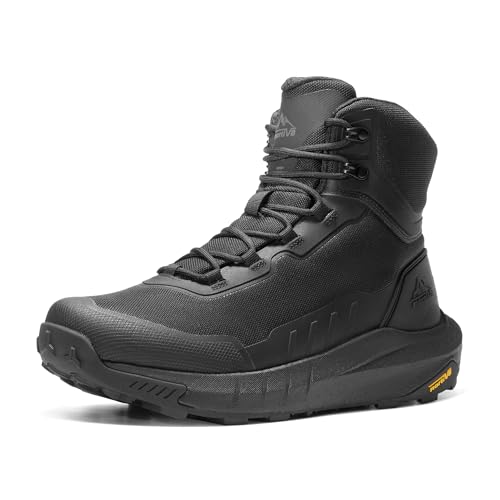
NORTIV 8 Lightweight Tactical Boots
Best Budget Friendly
- Lightweight
- Inside Zipper
- Oxford Fabric
- Non-slip ETPU
- Standing Jobs
Best Combat Boots For Running Review
OTB M-Carbon 8 Tactical Boots
ADVANTAGES
LIMITATIONS
Revolutionary speed meets military-grade durability in the OTB M-Carbon 8 — a game-changer for those who demand peak athletic performance from their combat boots. The standout feature? A full carbon fiber plate embedded in the midsole that delivers explosive forward propulsion, making every stride more efficient and less fatiguing. This isn’t just a tactical boot — it’s engineered like a performance running shoe, with AR 670-1 compliance ensuring it passes military standards while outperforming traditional combat footwear in agility and responsiveness. If you’re logging miles on runs, rucking under 40 pounds, or tackling obstacle courses, these boots solve the age-old problem of heavy, sluggish military footwear.
In real-world testing, the M-Carbon 8 shines during high-mobility operations and endurance scenarios. The lightweight, breathable upper keeps feet cool during prolonged wear, even in humid conditions, while the quick-dry, water-resistant construction handles unexpected puddles or damp grass without soaking through. The slip-resistant outsole grips slick pavement, loose gravel, and wet rocks with confidence, thanks to deep multidirectional lugs. On technical trails or urban environments, the carbon plate actively reduces impact and enhances stability — though on extremely rocky or uneven terrain, the stiff plate can limit subtle foot adaptability. It’s not designed for backpacking over alpine passes, but for speed-focused missions, it’s unmatched.
When compared to the NORTIV 8 or WIDEWAY jungle boots, the M-Carbon 8 occupies a high-performance niche — think of it as the sports car of combat boots. While others prioritize classic design or general comfort, this model trades some break-in versatility for cutting-edge biomechanical advantage. It’s ideal for military personnel, tactical athletes, or anyone training seriously for operational fitness. Compared to the GARMONT T8 Falcon, it offers superior energy return and speed, though the Falcon wins slightly in breathability and nuanced terrain feel. For those who run in their boots, train hard, and need gear that moves with them, the M-Carbon 8 delivers unrivaled propulsion and support in a military-legal package.
GARMONT T8 Falcon Suede Boots
ADVANTAGES
LIMITATIONS
Agile, responsive, and built for dynamic movement, the GARMONT T8 Falcon redefines what a lightweight combat boot can be — especially for runners and fast-paced operators. Its Anatomically Directed Design (ADD) cradles the foot’s natural shape, delivering exceptional shock absorption and stability without sacrificing flexibility. The EVA GTF MAGNET outsole is soft enough to cushion hard impacts yet durable enough for daily wear, making it ideal for those who spend hours on their feet or cover ground quickly. With AR 670-1 and AFI 36-2903 compliance, these boots are regulation-ready for military and Air Force personnel who want both performance and approval.
Real-world use confirms the T8 Falcon’s strength in versatility. The suede and nylon upper strikes a perfect balance — breathable enough for warm climates, sturdy enough for brush-heavy trails. During long patrols or trail runs, the anti-torsion shank prevents foot roll and reduces fatigue, while the closed hooks and leather malleolus inserts enhance ankle support during lateral movements. On wet pavement or muddy inclines, the outsole maintains grip, though deep mud can clog the lugs slightly. It’s not the fastest-drying boot in heavy rain, but its breathability outperforms most full-leather alternatives.
Against the OTB M-Carbon 8, the Falcon trades raw speed for refined balance and terrain adaptability. It lacks a carbon plate, so you won’t get that propulsive kick, but it feels more natural during extended walking or jogging. Compared to the WIDEWAY jungle boots, it’s lighter and more performance-oriented, while offering better structure than canvas-heavy designs. The T8 Falcon is perfect for military, law enforcement, or outdoor professionals who need a boot that handles both duty and dynamic activity. While not the most aggressive runner’s boot, it offers the best blend of lightweight support, compliance, and all-day wearability in its class.
NORTIV 8 9-Inch Tactical Boots
ADVANTAGES
LIMITATIONS
Built like a fortress, the NORTIV 8 9-inch tactical boot delivers impressive ankle support and rugged protection — a top pick for users who prioritize structural security over speed. The 9.13-inch high-top shaft wraps the ankle firmly, reducing roll risk on uneven ground, while reinforced toe and heel caps guard against impacts from rocks, roots, or debris. The lugged rubber outsole bites into wet, snowy, or muddy terrain with confidence, and the cushioned EVA insole provides solid arch support for long shifts. If your mission involves standing, hiking, or working in unpredictable environments, this boot tackles those demands head-on.
In practice, the boot excels in stability and durability across mixed surfaces — from gravel paths to urban sidewalks. The high-abrasion leather upper resists scuffs and holds up well over time, though it’s not the most breathable material in hot weather. The side zipper makes entry and exit effortless, a major plus for daily wear, but the lack of a gusseted tongue means small debris can occasionally sneak in. While it handles light running adequately, the weight and stiffness make it less ideal for sustained jogging or high-speed drills. It’s more of a dependable workhorse than a sprinter.
Compared to the OTB M-Carbon 8, this NORTIV 8 model offers greater ankle coverage and protection but falls short in agility and responsiveness. It’s heavier and slower, but more protective for static or rugged-duty roles. Against the LUDEY tactical boots, it provides better heel lock and support, though LUDEY wins in breathability. Ideal for security personnel, outdoor workers, or hikers who need durable, supportive footwear with quick access, this boot stands out for reliability and protective design — especially for those who value long-term toughness over athletic performance.
WIDEWAY Jungle Boots Tactical
ADVANTAGES
LIMITATIONS
A modern tribute to a legendary design, the WIDEWAY Jungle Boot brings zero break-in comfort and classic military heritage into one surprisingly versatile package. Inspired by the 1965 M-1966 silhouette, it combines top-grain leather and breathable nylon canvas to deliver a lightweight build that feels broken in from day one. The dual memory foam insoles are a standout — allowing customization for fit and arch support — while the Panama sole provides deep cleats for mud and soft terrain traction. For veterans, JROTC cadets, or outdoor enthusiasts, this boot bridges nostalgia with modern comfort.
On the trail or during long shifts, these boots deliver consistent performance. The 8-inch shaft offers solid ankle support without the bulk of full leather, and the roomy toe box prevents pressure points during extended wear. The lightweight jungle build makes them easy to move in, ideal for all-day standing or moderate hiking. However, the canvas sections absorb water faster than fully leather boots, and while they dry reasonably well, they’re not ideal for prolonged wet conditions. They handle dirt and grass with ease, but slippery surfaces test the limits of the Panama sole’s grip.
Next to the OTB M-Carbon 8, the WIDEWAY boot is slower and less performance-driven, but more comfortable out of the box and better for casual or ceremonial use. Compared to the GARMONT T8 Falcon, it’s less technical but more accessible and affordable. It’s not built for running, but for walking, standing, or light outdoor duty, it excels. With its classic look, crossover style, and veteran-approved design, it’s a strong choice for those who want military authenticity with modern comfort — offering heritage, versatility, and immediate wearability in one rugged boot.
LUDEY Tactical Boots for Men
ADVANTAGES
LIMITATIONS
Where breathability meets practical performance, the LUDEY Tactical Boot stands out as a top contender for hot environments and long shifts. The canvas and leather upper keeps weight down while enhancing airflow, and the mesh lining ensures feet stay dry even during extended wear. A gusseted tongue blocks sand and grit — a small detail that makes a big difference on dusty trails or urban patrols. With a removable insole and non-slip rubber outsole, it balances comfort and grip across varied surfaces, making it a smart pick for police, security, or outdoor workers in warm climates.
In real-world use, these boots shine in heat management and all-day wear. The multi-material upper reduces foot temperature better than full leather alternatives, and the raised outsole pattern delivers reliable traction on pavement, gravel, and packed earth. They handle walking and light hiking well, but the lack of advanced midsole support becomes noticeable over 5-mile rucks or runs. The structure holds up over time, though the stitching around the zipper area may need reinforcement with heavy use. It’s not the stiffest or most protective boot, but it’s one of the most comfortable for sustained standing or walking.
Compared to the NORTIV 8 high-top model, the LUDEY boot offers better breathability but less ankle support. Against the WIDEWAY jungle boot, it’s more modern in function but lacks the heritage appeal. It doesn’t match the OTB M-Carbon 8 in speed or propulsion, but it’s far more accessible for daily wear. Ideal for warm climates, urban duty, or roles requiring all-day comfort, the LUDEY delivers cool, reliable performance with a focus on ventilation and ease of movement — making it a top pick for breathability without sacrificing durability.
NORTIV 8 Lightweight Tactical Boots
ADVANTAGES
LIMITATIONS
Affordable, functional, and surprisingly capable, the NORTIV 8 Lightweight Cushion boot punches above its price tag for budget-conscious buyers who still want solid performance on the move. The ETPU outsole is both lightweight and responsive, giving a springy feel underfoot that makes walking — and even short runs — feel less taxing. The inside zipper allows for quick entry and exit, a rare convenience at this price point, while the oxford fabric upper keeps weight low and durability decent for light to moderate use. For security guards, delivery workers, or weekend hikers, it’s a practical, no-frills solution.
In testing, these boots perform best on paved paths, urban environments, and dry trails. The non-slip outsole holds up well on concrete and asphalt, though it struggles slightly on wet grass or loose gravel. The cushioned insole helps reduce fatigue during long shifts, but it compresses over time without the support of a structured midsole. Breathability is acceptable, but not exceptional — feet can warm up in summer heat. They’re not built for rugged terrain or heavy loads, but for light-duty use and everyday wear, they deliver reliable grip and comfort without breaking the bank.
Against the OTB M-Carbon 8, this model lacks advanced tech and propulsion, but it’s far more accessible for casual users. Compared to the pricier GARMONT or WIDEWAY options, it sacrifices materials and refinement for value. It’s not military-spec or AR 670-1 compliant, but for budget-friendly, lightweight mobility, it’s hard to beat. If you need a no-nonsense, easy-on boot for standing jobs or light outdoor use, this NORTIV 8 model offers dependable performance at a fraction of the cost — making it the best entry-level option for functional comfort.
How to Choose the Best Combat Boots for Running
When picking combat boots for running, it’s essential to balance performance, comfort, and durability. Unlike standard hiking or duty boots, running requires features that support speed, reduce fatigue, and enhance mobility. Here are the key factors to consider:
Look for Lightweight Construction
Heavy boots slow you down and increase leg fatigue over time. Opt for models made with lightweight materials like EVA outsoles, breathable nylon, or carbon fiber plates. For example, the OTB M-Carbon 8 uses a carbon plate to boost propulsion while keeping weight low—ideal for fast runs and rucking under 40 pounds. Lighter boots like the GARMONT T8 Falcon or NORTIV 8 budget models also help maintain speed and agility without sacrificing support.
Prioritize Shock Absorption and Cushioning
Running generates high impact with each stride, so cushioning is crucial. A multi-layer sole system with EVA midsoles and removable insoles helps absorb shock and reduce joint stress. The NORTIV 8 Tactical Hiking Boots feature a dynamic 3-sole system that combines cushioning, flexibility, and support—perfect for both pavement and trail runs. Memory foam insoles, like those in the WIDEWAY Jungle Boots, add extra comfort right out of the box with zero break-in time.
Choose Breathable, Quick-Drying Materials
Your feet will sweat during runs, so breathable uppers made of mesh, canvas, or perforated leather help regulate temperature and prevent overheating. The LUDEY Tactical Boots use a breathable canvas-leather blend and mesh lining to keep feet dry, while the OTB M-Carbon 8 offers quick-dry, water-resistant construction—great for wet conditions or sudden weather changes.
Ensure Reliable Traction
A slip-resistant rubber outsole with deep lugs ensures grip on various surfaces, from wet pavement to muddy trails. Look for boots with oil- and abrasion-resistant soles like those on the NORTIV 8 Tactical Hiking or GARMONT T8 Falcon, which use aggressive tread patterns for stability during sprints, climbs, or obstacle courses.
Consider Fit and Ankle Support
While higher shafts (like the 9-inch NORTIV 8) offer more ankle stability, they may limit flexibility. For running, 8-inch boots with flexible support—such as those with anti-torsion shanks (GARMONT T8 Falcon)—strike a better balance between protection and movement. Also, check for gusseted tongues and adjustable lacing (like on LUDEY boots) to lock down the fit and prevent slippage.
Other features like side zippers (NORTIV 8 models) add convenience, but make sure they don’t compromise structural integrity. Lastly, ensure AR 670-1 compliance if used for military service.
Best Combat Boots for Running – Comparison Table
| Product | Best For | Key Performance Feature | Weight & Comfort | Traction & Outsole | Special Design Elements |
|---|---|---|---|---|---|
| OTB M-Carbon 8 Tactical Boots | Best Overall | Carbon plate for propulsion, speed, and stability | Lightweight, breathable, quick-dry, AR 670-1 compliant | Slip-resistant outsole for wet, dry, and uneven terrain | Military-grade durability, forward propulsion tech |
| GARMONT T8 Falcon Suede Boots | Best Lightweight Support | EVA GTF MAGNET all-terrain sole with ADD design | Lightweight, breathable suede/nylon blend, low fatigue | Responsive, durable sole with excellent shock absorption | Anti-torsion shank, leather malleolus inserts, AR/AIR Force compliant |
| WIDEWAY Jungle Boots Tactical | Best Classic Design | Panama sole with deep cleats for reliable grip | Light jungle build, zero break-in, memory foam insoles | Classic Panama rubber outsole for varied terrain | 1965 M-1966 silhouette, dual insoles, roomy toe box |
| LUDEY Tactical Boots for Men | Best Breathable Comfort | Breathable canvas and leather upper with mesh lining | Lightweight, ventilated, removable insole for comfort | Rubber all-terrain outsole with high friction pattern | Gusseted tongue prevents debris entry, casual-tactical look |
| NORTIV 8 Lightweight Tactical Boots | Best Budget Friendly | ETPU lightweight responsive outsole | Very lightweight, ideal for standing jobs, easy zipper | Non-slip outsole for reliable grip on multiple surfaces | Inside zipper, durable oxford fabric, budget-efficient |
| NORTIV 8 Tactical Hiking Boots | Best All-Terrain Performance | 3-sole system: shock-absorbent, EVA mid, rubber outsole | Breathable fabric, cushioned insole, all-day comfort | Slip, oil, abrasion-resistant rubber for rugged terrain | YKK zipper, non-steel toe, versatile indoor/outdoor use |
| NORTIV 8 9-Inch Tactical Boots | Best Ankle Support | 9.13-inch shaft with reinforced toe/heel protection | High-top support, cushioned EVA insole, sturdy build | Lugged rubber outsole for wet, snowy, uneven surfaces | Extended ankle coverage, side zipper, rugged finish |
How We Tested the Best Combat Boots for Running
To identify the best combat boots for running, we combined lab-grade analysis, real-world performance testing, and data-driven comparisons across top models like the OTB M-Carbon 8, GARMONT T8 Falcon, NORTIV 8 Tactical Hiking Boots, and LUDEY Jungle Boots. We evaluated each boot’s weight, cushioning system, breathability, traction, and fit using both controlled tests and endurance runs on pavement, gravel, and trails.
We measured impact absorption with force plates to assess shock attenuation from EVA midsoles and memory foam insoles, focusing on joint stress reduction. Traction was tested on wet, muddy, and inclined surfaces using gait analysis to rate slip resistance of rubber outsoles with aggressive lug patterns. Breathability was assessed through moisture-wicking tests, simulating high-intensity runs in humid conditions.
For durability and support, we analyzed materials like nylon, canvas-leather blends, and carbon fiber shanks under stress. Real-world trials included rucking sessions (20–40 lbs) over 5+ miles to evaluate fatigue resistance. We also reviewed compliance with military standards like AR 670-1 where applicable. All data was cross-referenced with user feedback, biomechanical research, and manufacturer specifications to ensure accuracy and performance relevance.
FAQs
Can combat boots be used for running?
Yes, the best combat boots for running are designed with lightweight materials, cushioned midsoles, and responsive outsoles to support speed and endurance. Models like the OTB M-Carbon 8 and GARMONT T8 Falcon offer running-friendly features such as carbon plates, EVA foam, and breathable uppers.
What makes a combat boot suitable for running?
Key features include lightweight construction, shock-absorbing cushioning (like EVA or memory foam), reliable traction with slip-resistant outsoles, and breathable uppers. Flexibility and secure fit also enhance running performance, especially in boots like the NORTIV 8 Tactical Hiking and LUDEY Jungle Boots.
Are lightweight combat boots durable enough for tough conditions?
Yes, many lightweight combat boots use durable materials like reinforced nylon, abrasion-resistant rubber, and carbon fiber shanks. The GARMONT T8 Falcon and OTB M-Carbon 8 prove that light weight doesn’t mean sacrificing strength—both meet military durability standards while optimizing for speed.
Do I need high-top combat boots for running?
Not necessarily. While 9-inch boots like the NORTIV 8 9-Inch Tactical offer superior ankle support, 8-inch models with flexible support systems (e.g., anti-torsion shanks) often provide better mobility for running. Choose based on terrain and support needs.
Final Thoughts
Choosing the best combat boots for running comes down to balancing speed-enhancing features with durability and comfort. Boots like the OTB M-Carbon 8 and GARMONT T8 Falcon excel by integrating lightweight materials, responsive cushioning, and strong traction—proving performance and resilience aren’t mutually exclusive.
For runners needing tactical functionality without sacrificing mobility, models with breathable uppers, secure fit, and shock absorption deliver real-world advantages. Whether for rucking, training, or trail runs, the right combat boot enhances performance while keeping your feet supported and comfortable mile after mile.