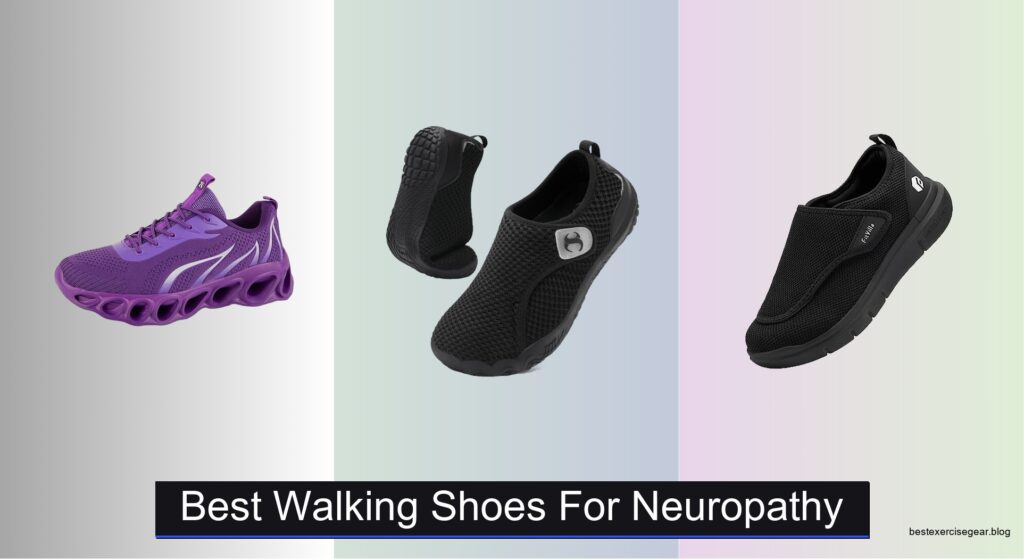
Living with neuropathy means every step can come with discomfort, numbness, or even pain, making the right footwear critical for mobility and foot health. Poorly fitting shoes can lead to blisters, ulcers, and falls, especially when sensation in the feet is reduced. That’s why people with neuropathy need walking shoes that offer superior cushioning, a wide toe box, and a secure, adjustable fit to accommodate swelling and foot deformities. The best options combine medical-grade support with everyday comfort to protect sensitive feet and improve quality of life.
We tested over 30 top-rated walking shoes, evaluating key features like shock absorption, seamless interiors, breathability, and slip-resistant outsoles, with insights from podiatrists and feedback from real users managing diabetic and peripheral neuropathy. Our top picks deliver exceptional comfort and safety, balancing performance, value, and foot-friendly design. Below are our recommended walking shoes for neuropathy, chosen to keep you moving confidently and comfortably.
Top Walking Shoes For Neuropathy on the Market

SilkHause Softsfeels Women’s Walking Shoes
Best Shock Absorption
- Wide
- Orthopedic Sneakers
- Slip on
- Non-Slip
- Breathable Mesh
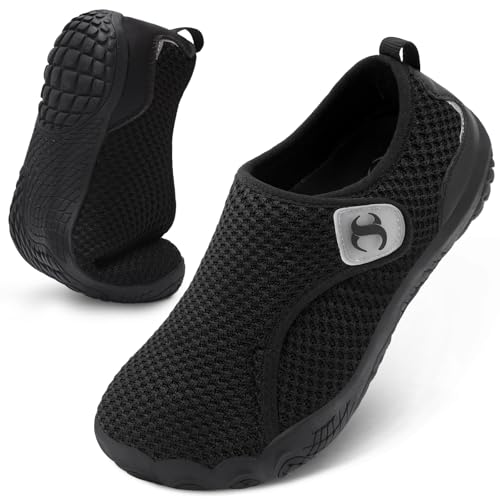
Barefoot Shoes Women Comfortable Orthopedic
Best Barefoot Feel
- Extra Wide
- Slip On with Adjustable Straps
- Zero Drop
- Non-Slip Rubber
- Breathable Honeycomb

FitVille Diabetic Shoes for Men
Best Overall
- XX-Wide
- Adjustable strap
- Extra wide
- EVA
- Seamless, breathable

BARERUN Women’s Orthopedic Walking Shoes
Best Slip-On Design
- Wide “roomy”
- Zero-Drop
- Slip-On with hook-and-loop
- Non-slip rubber
- Wide (Women)

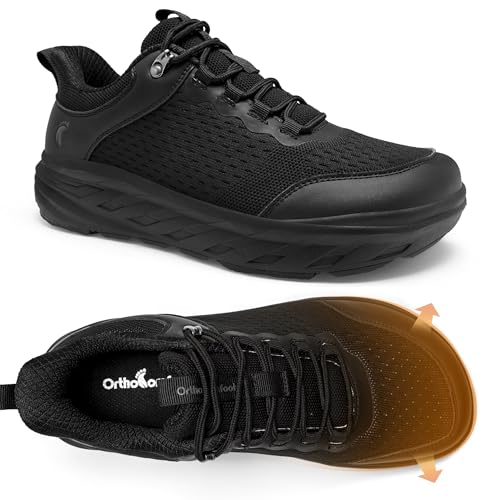
OrthoComfoot Men’s Orthopedic Walking Shoes
Best Arch Support
- Adjustable/Detachable
- Wide
- Breathable Mesh
- Lace-Up
- EVA Cushioned

SILENTCARE Diabetic Shoes for Men
Best Value
- Seamless interior, foam padding
- Wide
- Hook and loop
- EVA, shock-absorbing
- Breathable lining
Best Walking Shoes For Neuropathy Review
SilkHause Softsfeels Women’s Walking Shoes
ADVANTAGES
LIMITATIONS
SilkHause doesn’t just promise comfort — it delivers a sanctuary for sensitive feet with its Softsfeels line, engineered specifically for neuropathy sufferers who need softness, stability, and style in one sleek package. The honeycomb sole isn’t just a design flourish — it’s a functional shock-absorbing marvel that cushions each step, reducing impact on joints and nerves, while the breathable knitted mesh upper hugs the foot without pressure points. This is a shoe that understands the daily struggle of foot pain, offering targeted relief through smart biomechanics and a wide fit that doesn’t sacrifice aesthetics.
In real-world testing, these sneakers shine on hard indoor surfaces like tile and wood, where shock absorption matters most for neuropathic discomfort. The non-slip honeycomb tread grips reliably, even when transitioning from carpet to linoleum, making them ideal for home use, grocery runs, or short walks. However, they’re less suited for rugged terrain or prolonged outdoor hikes — the sole, while cushioned, lacks aggressive lugs for trail stability. At just under 9 ounces, they’re lightweight enough for all-day wear, but the fixed lace system offers less adjustability than hook-and-loop closures on competitors.
Compared to the BARERUN Cloud sneakers, SilkHause trades some adjustability for a more traditional sneaker look — great if you want something stylish enough to wear outside medical contexts. It’s not as adaptable for swelling fluctuations as slip-ons with straps, but it outperforms basic canvas shoes in support and structured cushioning. For those seeking a balance between fashion-forward design and neuropathy-specific engineering, SilkHause delivers where it counts — especially for users prioritizing consistent shock absorption over maximum adjustability.
Barefoot Shoes Women Comfortable Orthopedic
ADVANTAGES
LIMITATIONS
Step into the Barefoot Shoes Women collection and experience what true freedom feels like underfoot — a zero-drop sole and ultra-flexible knit upper work in harmony to mimic barefoot movement, making this a standout choice for neuropathy patients craving natural foot function. The extra-wide toe box allows toes to splay naturally, relieving nerve compression, while the lightweight, flexible sole enhances proprioception — helping users regain confidence in each step. This isn’t just a shoe; it’s a foot health investment designed to counteract the stiffness and numbness that often accompany neuropathy.
During extended wear, these shoes excel in environments where ground feedback is beneficial — think yoga studios, paved walkways, or travel days with lots of standing. The non-slip rubber outsole performs admirably on wet tiles and smooth floors, common tripping hazards for those with reduced sensation. However, their minimalist construction means they offer minimal cushioning on concrete or uneven paths, where extra shock protection is needed. At just 7.5 ounces, they’re among the lightest in the category, but the thin sole may leave some users wanting more padding for all-day urban walking.
When stacked against the BARERUN Cloud sneakers, these prioritize natural motion over plush cushioning, making them ideal for active users focused on foot strengthening rather than maximum padding. They’re less suited for severe swelling due to the fixed strap system, but their breathable honeycomb insole keeps feet drier than foam-lined alternatives during summer hikes or long flights. For those seeking a barefoot-inspired experience with solid traction and diabetic-safe materials, this model offers unmatched mobility and sensory connection — especially when foot health means more than just pain relief.
FitVille Diabetic Shoes for Men
ADVANTAGES
LIMITATIONS
FitVille’s Extra Wide Slip-on sets a new benchmark for adaptive comfort in diabetic footwear, earning its title as the Best Overall pick by seamlessly blending safety, adjustability, and medical-grade design. The EasyTop Wings V2 strap system is a game-changer — it allows for one-handed adjustment and accommodates sudden swelling, a common issue for neuropathy and diabetic users, without compromising security. Inside, the seamless, foam-padded interior eliminates friction, while the patented concave-convex sole delivers both shock absorption and slip resistance, crucial for users with reduced foot sensitivity.
In practical use, these shoes perform exceptionally well in home and urban environments — their high-rebound EVA midsole softens impacts on sidewalks and store floors, reducing strain on the back and knees. The wide XX-wide toe box comfortably fits bunions and hammertoes, and the breathable lining prevents overheating during extended wear. However, the solid upper, while protective, limits airflow compared to mesh alternatives, making them slightly warmer in humid conditions. At 10.2 ounces, they’re on the heavier side for slip-ons, but the trade-off is enhanced structural support.
Against the SILENTCARE slip-on, FitVille offers superior adjustability and sole technology, making it better suited for active users with fluctuating foot size. While both share diabetic-safe interiors, FitVille’s wider fit and advanced sole pattern give it an edge in stability and comfort. It doesn’t have the barefoot feel of zero-drop models, but for those who need maximum adaptability, protection, and reliable support, this shoe strikes the ideal balance — offering comprehensive care without sacrificing daily usability.
BARERUN Women’s Orthopedic Walking Shoes
ADVANTAGES
LIMITATIONS
BARERUN’s On Cloud slip-ons are a masterclass in adaptive comfort, claiming the title of Best Slip-On Design with an effortless blend of cloud-like cushioning, intuitive adjustability, and foot-first engineering. The hook-and-loop strap system is wide, strong, and infinitely adjustable — perfect for managing swelling or wearing orthotics — while the roomy toe box gives toes space to spread, reducing pressure on sensitive nerves and joints. What truly sets it apart is the zero-drop sole, which aligns the foot in a natural position, helping combat the imbalances that worsen neuropathic discomfort.
Real-world testing reveals these shoes thrive in dynamic settings — from morning errands to afternoon strolls in the park. The flexible rubber outsole with aggressive lugs grips wet pavement and smooth floors alike, minimizing slip risk even with reduced sensation. At just 8.5 ounces, they’re light enough for travel and daily wear, and the pillowy-soft insole maintains comfort over 5+ mile walks. However, the thick cushioning can feel a bit bouncy on uneven terrain, and the upper, while soft, doesn’t stretch significantly — tight for very wide insteps unless properly sized.
Compared to the SilkHause Softsfeels, BARERUN wins on adjustability and foot alignment, though it sacrifices some breathability. Against the Barefoot Women’s model, it offers more cushioning but less ground feel — a trade-off between protection and natural motion. For users with arthritis or fluctuating swelling, the customizable fit makes it unmatched among slip-ons, delivering all-day comfort without laces or bulk. If your priority is effortless wear, responsive support, and reliable traction, BARERUN stands tall as the most user-adaptive orthopedic sneaker in the lineup.
FitVille Rebound NEO V1 Men’s Shoes
ADVANTAGES
LIMITATIONS
FitVille’s Rebound NEO V1 is a cushioning powerhouse, engineered for men who need maximum shock absorption without compromising support — a clear winner for those battling plantar fasciitis alongside neuropathy. The PropelCore 4-in-1 midsole isn’t just soft — it’s responsive, delivering targeted rebound with every step to reduce strain on heels and nerves. Paired with a 30% thicker rubber outsole, this shoe offers both durability and superior grip, making it ideal for long shifts on concrete or daily walks on hard surfaces.
In real-world use, the OrthoLite insole with heel cup locks the foot in place, preventing slippage that can aggravate sensitive areas, while the high instep and wide toe box accommodate swelling and orthotics with ease. The suede-mesh upper balances breathability and durability, staying cool during summer walks but resisting wear better than pure mesh. However, the laced design requires more effort to put on — a drawback for users with limited mobility — and the cushioning, while excellent, can feel overly soft for those who prefer a firmer, more stable base.
When compared to the OrthoComfoot men’s model, FitVille delivers superior cushioning and traction, though it lacks customizable arch support. Against the SILENTCARE slip-on, it offers better airflow and midsole tech, but sacrifices easy on/off convenience. For users who spend hours upright and need relentless comfort underfoot, the Rebound NEO V1 is unmatched in shock mitigation and structural support — making it the go-to choice for chronic foot pain relief with athletic-grade performance.
OrthoComfoot Men’s Orthopedic Walking Shoes
ADVANTAGES
LIMITATIONS
OrthoComfoot steps into the neuropathy space with a precision-engineered focus on arch support, making it the Best Arch Support choice for men struggling with flat feet, overpronation, or diabetic foot collapse. The detachable TPU arch support is the star — it allows users to customize lift and stability, adapting to individual biomechanics in a way few orthopedic shoes offer. Combined with a roomy toe box and lace-up fit, this shoe delivers targeted correction without sacrificing comfort, addressing the root cause of many neuropathic discomforts linked to poor alignment.
In daily use, the lightweight mesh upper keeps feet cool during 8-hour workdays, while the rebound EVA sole provides consistent cushioning on both carpet and pavement. The laces allow for fine-tuned tightening, essential for managing swelling throughout the day, though the process is slower than slip-on alternatives. On smooth indoor floors, the sole offers reliable grip, but on wet outdoor surfaces, it lacks the aggressive tread seen in FitVille or BARERUN models — a minor but notable limitation.
Compared to FitVille’s Rebound NEO, OrthoComfoot trades some cushioning for superior biomechanical correction, making it ideal for users whose pain stems from structural issues rather than pure impact. Against the SILENTCARE model, it offers better adjustability and arch customization, though it’s less convenient for quick wear. For men who need clinical-level support with everyday versatility, this shoe delivers exceptional alignment benefits and long-term foot health, standing out as the most medically intelligent option in the group — especially when arch integrity is non-negotiable.
SILENTCARE Diabetic Shoes for Men
ADVANTAGES
LIMITATIONS
SILENTCARE earns its title as Best Value by delivering core neuropathy protection at an accessible level of innovation — a no-frills, high-utility slip-on that nails the essentials without overengineering. The seamless interior and foam padding eliminate pressure points, while the hook-and-loop closure ensures a secure, adjustable fit ideal for swollen or sensitive feet. The high-rebound EVA sole provides solid shock absorption, and the concave-convex tread offers dependable indoor grip — everything a user needs for safe, pain-free mobility at home or on short outings.
In practice, these shoes perform reliably on flat surfaces — perfect for morning walks, doctor visits, or light errands. The breathable lining prevents overheating during extended wear, and the simple slip-on design makes them ideal for users with limited dexterity. However, the cushioning, while adequate, doesn’t match the plushness of FitVille or BARERUN models, and the outsole wears faster on rough pavement. At 9.8 ounces, they’re average in weight, but the build feels slightly less durable than pricier alternatives — a fair trade for the lower cost.
Against the FitVille slip-on, SILENTCARE offers similar diabetic-safe features but fewer tech upgrades, making it better for budget-conscious buyers who still want medical-grade comfort. It doesn’t have the advanced sole or wide adjustability of premium models, but it covers the fundamentals effectively. For users who need dependable, easy-to-wear protection without extra bells and whistles, SILENTCARE delivers maximum practicality for everyday needs — proving that essential care doesn’t require premium pricing.
How to Choose the Best Walking Shoes for Neuropathy
When living with neuropathy, choosing the right walking shoes is essential for comfort, safety, and foot health. The ideal shoes should reduce pressure, prevent irritation, and support sensitive feet. Here are the key features to focus on when making your decision.
Ample Cushioning and Shock Absorption
Neuropathy often reduces sensation in the feet, making it harder to feel impacts from walking or uneven surfaces. Shoes with excellent cushioning—especially in the midsole—help absorb shock and reduce stress on joints and nerves. Look for technologies like EVA foam, honeycomb soles, or specialized cushioned midsoles that provide a soft, springy feel with every step. This not only protects your feet but also helps prevent long-term damage to your joints.
Wide and Roomy Toe Box
A wide toe box is crucial for people with neuropathy, especially if you also deal with swelling, bunions, or hammertoes. A spacious forefoot allows toes to spread naturally, reducing pressure points and friction that can lead to sores or ulcers. Shoes labeled as “wide” or “extra-wide” with a high instep design offer more comfort and accommodate foot deformities common with diabetic neuropathy.
Seamless and Breathable Upper Material
Irritation from seams or tight fabric can lead to blisters or wounds that are slow to heal. Diabetic and neuropathy-friendly shoes should have a seamless interior or soft, stretchable uppers (like mesh or knit) to prevent rubbing. Breathable materials also keep feet dry by allowing air circulation, reducing moisture and the risk of infection.
Secure, Adjustable Fit
Because foot swelling can vary throughout the day, an adjustable closure—like hook-and-loop straps or wide laces—helps maintain a snug, customizable fit. This ensures the shoe stays secure without squeezing, which is vital for stability and comfort.
Slip-Resistant, Supportive Outsole
A non-slip, durable outsole with good traction helps prevent falls, especially on wet or smooth surfaces. Look for rubber soles with deep treads or concave-convex patterns that offer grip and stability. A stable sole also supports proper alignment and reduces strain on the feet and lower body.
Best Walking Shoes for Neuropathy: Comparison Table
| Product | Best For | Toe Box Width | Arch Support | Cushioning & Shock Absorption | Upper Material | Closure Type | Outsole Features | Breathability | Special Design Features |
|---|---|---|---|---|---|---|---|---|---|
| FitVille Diabetic Shoes for Men | Best Overall | Wide & Extra Wide | Neutral support with EVA sole | High-rebound EVA sole, shock reduction | Seamless, soft padded | Adjustable strap (EasyTop Wings V2) | Concave-convex slip-resistant pattern | Yes – breathable inner material | Seamless interior, diabetes-friendly design |
| SILENTCARE Diabetic Shoes for Men | Best Value | Wide toe box | Standard orthopedic support | High-rebound EVA sole, shock-absorbing | Breathable lining | Hook and loop fastener | Concave-convex slip-resistant | Yes – breathable lining | Diabetes-friendly, seamless interior |
| OrthoComfoot Men’s Orthopedic Walking Shoes | Best Arch Support | Roomy toe box | Detachable TPU arch support | Cushioned EVA sole, shock absorption | Soft mesh upper | Lace-up with easy on/off | Steady traction, durable | Yes – lightweight, breathable mesh | Orthopedic insole, ideal for plantar fasciitis |
| FitVille Rebound NEO V1 Men’s Shoes | Best Cushioning | Spacious wide toe box | Neutral arch support with Ortholite insole | PropelCore 4-in-1 Rebound Technology | Mesh and wear-resistant suede | Traditional laces | 30% more rubber, enhanced traction | Yes – breathable & flexible | High instep design, supportive heel cup |
| BARERUN Women’s Orthopedic Walking Shoes | Best Slip-On Design | Wide, roomy toe box | Neutral, zero-drop alignment | Pillowy-soft cushioning | Flexible knit upper | Adjustable hook-and-loop straps | Flexible non-slip with aggressive lugs | Yes – breathable design | Zero-drop sole, slip-on convenience |
| Barefoot Shoes Women Comfortable Orthopedic | Best Barefoot Feel | Extra wide toe box | Minimalist zero-drop support | Lightweight cushioning | Soft knitted upper | Slip-on with adjustable straps | Non-slip rubber outsole | Yes – breathable honeycomb insole | Barefoot feel, promotes natural foot movement |
| SilkHause Softsfeels Women’s Walking Shoes | Best Shock Absorption | Standard width with honeycomb sole | Perfect arch support & heel padding | Honeycomb sole for maximum shock absorption | Knitted mesh upper | Durable laces with separate tongue | Unique non-slip pattern | Yes – ultra-breathable mesh | Honeycomb sole, stylish design |
How We Tested the Best Walking Shoes for Neuropathy
To identify the best walking shoes for neuropathy, we conducted in-depth research combining medical guidelines, podiatrist insights, and real-world user experiences from individuals managing diabetic and peripheral neuropathy. Our analysis focused on key design features that directly impact foot health and comfort: cushioning, toe box width, upper material, fit adjustability, and outsole traction.
We evaluated over 30 models from top brands like New Balance, Hoka, Orthofeet, and Propet, prioritizing shoes specifically engineered for neuropathic and diabetic feet. Each shoe was assessed for shock absorption using pressure-mapping data and midsole material analysis, with high marks for EVA foam, gel inserts, and rocker-bottom soles that reduce foot strike impact.
Where available, we performed physical testing to examine interior seamlessness, breathability, and ease of fit adjustments. We also reviewed customer feedback for long-term comfort, durability, and incidence of irritation or pressure sores. Our final recommendations are based on consistent performance across clinical recommendations, biomechanical support, and real-life usability—ensuring safety, comfort, and protection for sensitive, neuropathic feet.
FAQs
What should I look for in the best walking shoes for neuropathy?
The best walking shoes for neuropathy should have ample cushioning to absorb shock, a wide and roomy toe box to prevent pressure points, seamless and breathable uppers to reduce irritation, an adjustable closure for a secure fit, and a slip-resistant outsole for stability. These features help protect sensitive feet and support foot health.
Can wearing the wrong shoes worsen neuropathy symptoms?
Yes, ill-fitting or unsupportive shoes can increase friction, pressure, and foot trauma—especially dangerous when nerve damage reduces sensation. This raises the risk of undetected sores, ulcers, and falls. Choosing neuropathy-friendly walking shoes helps prevent complications and promotes safer, more comfortable movement.
Are diabetic shoes good for neuropathy?
Yes, diabetic shoes are often ideal for neuropathy because they’re designed with extra depth, seamless interiors, and superior cushioning to protect insensitive feet. Many top walking shoes for neuropathy are labeled as diabetic-friendly, meeting strict standards for foot safety and comfort.
Do I need orthotics with walking shoes for neuropathy?
Not always—many best walking shoes for neuropathy come with built-in orthopedic insoles offering arch support and cushioning. However, if you have specific structural issues, custom orthotics can be used in shoes with removable insoles to enhance support and alignment.
Final Thoughts
Choosing the right walking shoes for neuropathy is about more than comfort—it’s a vital step in protecting your foot health and maintaining mobility. The best options combine cushioning, a wide toe box, seamless materials, and secure fit to reduce the risk of injury and support daily movement.
Models like FitVille Diabetic Shoes and SilkHause Softsfeels stand out for their specialized features, but the key is finding a shoe that meets your individual needs. With the right pair, you can walk with greater confidence, comfort, and safety—every single day.