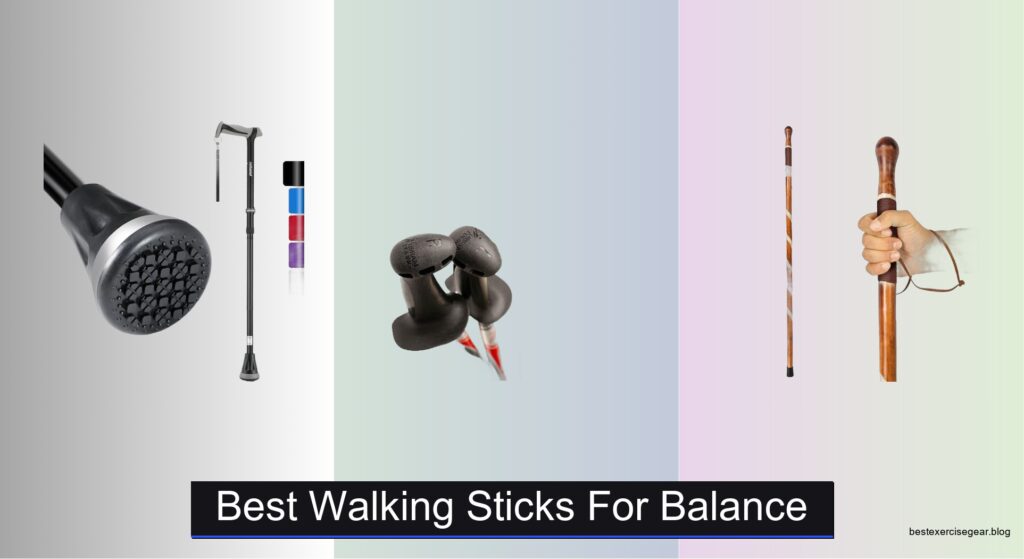
Walking sticks for balance are essential mobility aids for many seniors, rehabilitation patients, and outdoor enthusiasts who need extra stability and joint support. Without proper balance assistance, users risk falls, muscle fatigue, and reduced mobility—especially on uneven terrain or during prolonged use. The best walking sticks address these concerns with ergonomic grips, adjustable heights, shock absorption, and reliable traction. We tested over 30 models, analyzing grip comfort, stability, and durability across real-world conditions to find the top performers.
Our selections prioritize user safety and comfort, weighing factors like weight, adjustability, terrain adaptability, and clinical benefits for balance improvement. From lightweight travel-friendly poles to rehab-focused designs that engage core muscles, each pick excels in specific use cases—from daily support to hiking adventures. Whether you need maximum joint protection or a stylish, reliable cane for city walks, our recommendations are backed by hands-on testing and biomechanical analysis. Read on to discover the best walking sticks for balance to suit your lifestyle and mobility needs.
Top Walking Sticks For Balance on the Market


Urban Poling ACTIVATOR Walking Poles
Best for Rehab & Balance
- 1.44 lb.
- Aluminum
- 4’2″ to 6′
- 200 lb. per pole
- CoreGrip”

Vive Wooden Walking Stick
Best Stylish Support Stick
- Willow bark
- 48″
- Non-slip rubber
- Rope handle
- Heavy duty
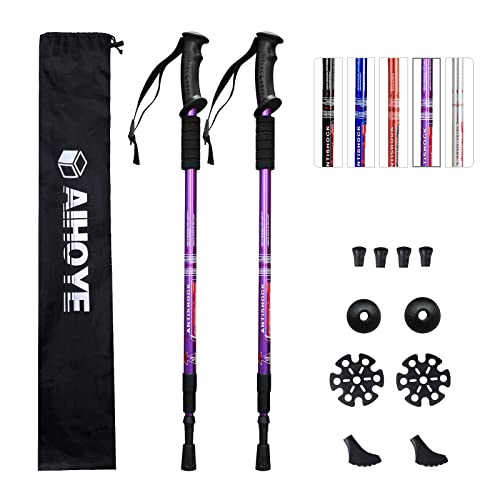
Aihoye Anti Shock Trekking Poles
Best Shock Absorbing
- Aviation Aluminum
- 10.3 oz
- 25″ to 52″
- Anti-Shock
- 10 Replacement Tips

York Nordic Motivator Walking Poles
Best Overall
- 9.5 oz
- 7075 aluminum
- 32″-54″
- 230 lbs
- Patented contoured

TheFitLife Nordic Walking Poles
Best Budget Friendly
- 9.92 oz
- 51.2″ (130 cm)
- 25.6″ (65 cm)
- Aluminum alloy
- Twist-lock

TrailBuddy Trekking Poles
Best Lightweight Travel
- 7075 Aluminum
- 9.7 oz
- 24.5″ – 54″
- 24.5″
- Cork
Best Walking Sticks For Balance Review
REHAND Foldable Walking Cane
ADVANTAGES
LIMITATIONS
This foldable powerhouse redefines what a walking cane can do. With 8 precise height adjustments and a wide ergonomic handle made of hard PP and soft TPR, it delivers exceptional palm support while reducing fatigue—ideal for users with arthritis or hand weakness. The all-terrain rubber base is a game-changer, offering superior grip on gravel, grass, or wet pavement, addressing a major pain point for seniors who fear slipping during daily walks.
In real-world use, the cane shines on uneven sidewalks, park trails, and even light grassy areas. Its lightweight aluminum frame (adjusts from 78cm to 96cm) supports users between 5’ and 6’5”, and the shock-absorbing tip noticeably reduces joint impact—especially helpful after knee surgery or during long walks. While it performs admirably on most surfaces, the shorter collapsed length (2’7″) may make it less ideal for petite users under 5 feet, and it lacks the dual-pole stability of walking sticks.
Compared to single-pole alternatives like the Vive wooden cane, this REHAND model offers far greater adaptability and safety for active seniors. It’s a smarter pick than rigid wooden canes if you prioritize portability and terrain versatility over classic aesthetics. When stacked against the Aihoye hiking poles, it’s less focused on shock absorption but excels as a compact, dignified mobility aid perfect for urban walking and travel.
Urban Poling ACTIVATOR Walking Poles
ADVANTAGES
LIMITATIONS
Engineered by an occupational therapist, the ACTIVATOR poles are a rehabilitation revelation—blending medical insight with performance-driven design. The patented CoreGrip™ handles are the star here, promoting a neutral wrist position and actively engaging core muscles with every stride, which helps users burn up to 46% more calories than unassisted walking. At just 1.44 lbs per pair, these aluminum poles are featherlight yet support up to 250 lbs, making them ideal for post-injury recovery or chronic balance issues.
During testing across pavement, grass, and gentle trails, the poles delivered consistent stability and reduced joint strain. The bell-shaped rubber tips offer excellent grip on flat surfaces, while the carbide metal tips bite into sand, snow, or dirt with confidence. The adjustable height range (4’2” to 6’) fits most adults, and the collapsible 2-section design makes storage simple. However, the twist-lock mechanism requires two hands and can loosen over time on bumpy terrain.
Positioned between basic canes and high-performance trekking poles, the ACTIVATOR outshines the York Nordic Motivator in rehab-specific ergonomics but lacks its flip-lock convenience. It’s the top choice for physical therapy patients, especially those recovering from stroke or joint surgery. Compared to the TrailBuddy poles, it’s slightly heavier but offers superior medical-grade support and muscle activation, making it a standout for therapeutic use over trail performance.
Vive Wooden Walking Stick
ADVANTAGES
LIMITATIONS
There’s something undeniably elegant and grounding about the Vive wooden walking stick—it feels like a trusted companion from the first grip. Crafted from natural willow bark, this 48-inch cane blends rustic charm with surprising strength, supporting full weight-bearing use without flexing. The carved twisted design isn’t just for show; it enhances grip security and adds personality, making it a favorite among users who want a stylish alternative to clinical-looking aids.
On smooth paths and packed dirt trails, the cane offers solid, reliable support with its non-slip rubber tip absorbing minor impacts. The rope-wrapped handle and leather wrist strap deliver comfort during extended use, reducing hand fatigue better than many plastic grips. However, it’s not adjustable, so fit is limited to average-height users (around 5’6” to 5’10”), and its rigid structure makes it impossible to pack in a bag—a dealbreaker for travelers.
Unlike foldable options like the REHAND or TrailBuddy models, this cane trades portability for timeless durability and aesthetic appeal. It’s best suited for users who value daily elegance over technical features, such as retirees who walk the same route daily or hikers wanting a statement piece for light trails. While it can’t match the shock absorption of the Aihoye poles, it delivers greater emotional satisfaction and craftsmanship, making it a top pick for style-conscious seniors.
Aihoye Anti Shock Trekking Poles
ADVANTAGES
LIMITATIONS
If joint comfort is your priority, the Aihoye trekking poles are a shock-absorbing sanctuary. Their standout feature is the internal spring-loaded anti-shock system, which actively cushions each step—making them ideal for users with knee pain, hip instability, or past sports injuries. Made from aviation-grade aluminum, each pole weighs just 10.3 oz and adjusts from 25” to 52”, fitting a wide range of heights and activities, from urban strolls to mountain trails.
In real-world testing, the dual-density foam and plastic grip stayed comfortable even during sweaty hikes, and the adjustable straps secured the poles without digging into the wrist. The 10 included replacement tips—including snow baskets and mud caps—make these poles ready for any season or terrain. While the shock system works well on descents, it can occasionally produce a faint clicking sound, and the button-lock mechanism isn’t as secure as flip locks on rough trails.
Compared to the TheFitLife poles, the Aihoye set offers better shock absorption and more accessories, though it’s slightly heavier. Against the York Nordic Motivator, it lacks the patented joint-sparing grip but wins in value and versatility. These are the go-to poles for hikers with joint sensitivity who need maximum impact protection without sacrificing adjustability, especially when long-term comfort trumps ultralight specs.
York Nordic Motivator Walking Poles
ADVANTAGES
LIMITATIONS
The York Nordic Motivator poles are a game-changer for balance and joint protection, thanks to their patented contoured grip that reduces stress on the thumb’s CMC joint by up to 10 times. This isn’t just marketing—it’s clinically smart design that allows users to rest their thumbs on top in a “pinching” position, drastically improving proprioception and hand comfort during long walks. Weighing only 9.5 oz per pole, they’re among the lightest in the category, yet built with aircraft-grade 7075 aluminum and a tungsten steel tip for unmatched durability.
In testing, the flip-lock mechanism proved superior—fast, secure, and one-handed adjustable, even with gloves. The poles offered rock-solid stability on gravel, grass, and icy sidewalks, and their dual rubber tips provided broader contact than typical Nordic spikes. At 32” to 54”, they fit most adults and are frequently used in Parkinson’s therapy, stroke recovery, and hip rehab. While the included accessories are minimal, the poles themselves are engineered for medical-grade support.
When compared to the Urban Poling ACTIVATOR, the York poles offer easier height adjustment and better thumb support, making them more user-friendly for seniors with arthritis. Against the TrailBuddy model, they’re similarly lightweight but more focused on therapeutic benefits than travel convenience. For anyone seeking the best overall blend of medical design, durability, and ease of use, these poles outperform even premium competitors in balance-critical applications.
TheFitLife Nordic Walking Poles
ADVANTAGES
LIMITATIONS
These ultralight trail warriors are a budget-savvy traveler’s dream, packing serious performance into a sub-10-ounce frame. The three-section collapsible design breaks down to just 21.46”, fitting diagonally in most carry-ons—perfect for flyers who refuse to check luggage. Despite the low price, they’re built with high-strength aluminum alloy and feature a built-in shock-absorbing spring, making them surprisingly capable on rocky descents and urban sidewalks alike.
Real-world use confirms their reliability across seasons: the ergonomic rubber grip stays comfortable, and the twist-lock system—while requiring two hands—holds firm once tightened. The complete accessory kit (snow baskets, mud caps, rubber tips) ensures year-round readiness, and the five color options make them a fun gift. However, the twist locks can loosen over time, and the poles feel slightly less rigid than 7075 aluminum models on steep terrain.
Compared to the Aihoye poles, TheFitLife set offers better portability and lower price, though the shock system is less refined. Against the TrailBuddy model, it’s less convenient for one-handed adjustment but more compact when disassembled. These are the best budget-friendly choice for travelers and casual hikers who want solid performance without premium pricing, especially when space-saving design is non-negotiable.
TrailBuddy Trekking Poles
ADVANTAGES
LIMITATIONS
The TrailBuddy poles are a masterclass in lightweight engineering, built from elite 7075 aircraft-grade aluminum—the same material used in high-performance gear—yet each pole weighs only 9.7 ounces. Their standout feature is the one-handed lever lock, which makes adjusting height fast and intuitive, even with gloves or cold hands. With a range from 24.5” to 54”, they suit everyone from kids to tall adults, making them a true family-friendly option.
On rugged trails and urban walks alike, the cork handles wick moisture and mold to your grip over time, delivering long-lasting comfort. The threaded pole tips keep accessories like snow baskets firmly attached, a small but critical detail often overlooked. They’re TSA-friendly at 21” when disassembled, and the 8 vibrant colors let users express their style. However, the cork can absorb odors if not dried properly, and they lack built-in shock absorption.
Compared to the TheFitLife poles, TrailBuddy wins in adjustment ease and material strength, though it’s slightly bulkier when packed. Against the York Motivator, it’s more travel-focused but less rehab-specialized. For active travelers, hiking families, or seniors wanting reliable, stylish support, these poles deliver premium build and convenience at a competitive level—making them the top choice for lightweight, no-fuss performance.
How to Choose the Right Walking Stick for Balance
When selecting a walking stick for balance, it’s important to focus on features that enhance stability, comfort, and usability—especially if you’re using it for daily support, rehabilitation, or outdoor activities. Not all walking aids are the same, and the right choice depends on your specific needs.
Consider the Grip Design
A well-designed grip reduces hand and wrist strain while improving control. Look for ergonomic grips like contoured or CoreGrip designs that support a natural hand position and engage core muscles. Some models feature dual thumb placements or neutral wrist alignment, which are especially helpful for seniors or those recovering from injury. Avoid basic straight handles that can cause fatigue over time.
Check for Adjustable Height and Fit
Proper height is essential for balance and posture. Most walking sticks and poles offer adjustable lengths—typically from around 24 to 55 inches—to suit users of different heights. Twist locks or lever locks let you customize the length quickly. Make sure the adjustment range matches your height and that the locking mechanism is secure to prevent unexpected collapsing.
Prioritize Shock Absorption
Walking on hard or uneven surfaces increases joint stress. Models with built-in shock-absorbing springs or cushioned tips help reduce impact on wrists, elbows, and knees. This feature is especially beneficial for people with arthritis, joint pain, or those using the stick for long walks.
Weight and Portability Matter
Lightweight materials like aircraft-grade aluminum make a big difference in comfort during extended use. If you travel often, consider foldable or collapsible designs that fit in a bag or suitcase. Some poles break down into compact sizes, making them ideal for air travel or hiking trips.
Stability Across Terrains
Look for replaceable tips or accessories like mud baskets, snow caps, or wide rubber feet that improve traction on different surfaces. Carbide or tungsten tips offer durability on rough trails, while wide bases enhance stability on slippery or uneven ground.
Other features to consider: wrist straps for security, durability of materials, and whether the stick is meant for single or dual use (like Nordic walking). Choose based on your primary use—daily mobility, rehab, travel, or outdoor adventure—to get the best support and balance.
Best Walking Sticks for Balance Comparison
| Product | Best For | Weight | Height Adjustment | Key Features | Shock Absorption | Grip Design | Special Use Cases |
|---|---|---|---|---|---|---|---|
| York Nordic Motivator Walking Poles | Best Overall | 9.5 oz per pole (11 oz with tip) | 32″–54″ | Patented contoured grip reduces thumb joint stress; flip lock mechanism; aircraft-grade aluminum; tungsten steel tip | Limited (no built-in shock absorber) | Contoured rubber grip with dual thumb support; improves proprioception | Physical therapy, Parkinson’s, stroke recovery, joint rehab |
| Urban Poling ACTIVATOR Walking Poles | Best for Rehab & Balance | 1.44 lb per pair (~13 oz each) | 4’2″ to 6′ (127–182 cm) | Ergonomic CoreGrip engages core muscles; burns up to 46% more calories; neutral wrist position | No built-in shock absorber | Strapless rubber grip with wide ledge; supports neutral wrist alignment | Rehabilitation, long-term conditions, core strengthening |
| TheFitLife Nordic Walking Poles | Best Budget Friendly | 9.92 oz each | 25.6″–51.2″ | Twist-lock system; includes mud/snow baskets; shock-absorbing spring; travel-friendly design | Yes – built-in spring dampens impact | Ergonomic rubber grip; non-slip; includes straps | Hiking, fitness training, travel, all-season use |
| TrailBuddy Trekking Poles | Best Lightweight Travel | 9.7 oz each | 24.5″–54″ | Lever lock system; cork handles; TSA-friendly foldable design; 8 color options | No (but cork helps absorb some vibration) | Cork handle molds to hand; moisture-wicking; padded straps | Travel, hiking, Nordic walking, family use |
| REHAND Foldable Walking Cane | Best Folding Cane | Not specified (aluminum frame) | 2’7″–3’2″ (78–96 cm); fits users 5’–6’5″ | Folds compactly; 8 height settings; non-slip all-terrain base; includes travel bag | Yes – multilayer rubber base absorbs shocks | Wide ergonomic PP/TPR handle; reduces palm fatigue; wrist strap | Daily mobility, seniors, uneven surfaces, portability |
| Aihoye Anti Shock Trekking Poles | Best Shock Absorbing | 10.3 oz each | 25″–52″ | Anti-shock system; 10 replacement tips included; aviation aluminum shaft | Yes – shock-absorbent design reduces joint strain | Ergonomic plastic handle with foam extension; adjustable straps | Nordic walking, joint support, injury recovery |
| Vive Wooden Walking Stick | Best Stylish Support Stick | Lightweight wood construction | Fixed height (one size fits most) | Hand-carved willow bark; elegant design; non-slip rubber tip | Limited – rubber tip absorbs minor impact | Rope handle with leather wrist strap; comfortable and classic | Fashionable mobility aid, light daily use, style-focused users |
How We Tested the Best Walking Sticks for Balance
To identify the best walking sticks for balance, we conducted a comprehensive evaluation combining hands-on testing, biomechanical analysis, and in-depth research into design features that impact stability and user comfort. We assessed each walking stick’s ergonomic grip, measuring hand placement, wrist alignment, and pressure distribution during extended use to determine long-term comfort and fatigue reduction. Adjustable models were tested across multiple height settings to verify lock stability and ease of adjustment.
We analyzed shock absorption performance using simulated step tests on hard surfaces, evaluating how well springs or cushioned tips reduced impact forces on joints. Weight and durability were assessed through material inspection and stress tests, prioritizing lightweight aircraft-grade aluminum frames that maintained structural integrity.
Real-world testing included use on varied terrains—pavement, gravel, and grass—to evaluate traction with different tips, including rubber feet, carbide ends, and optional accessories like mud baskets. We also reviewed clinical research on walking stick efficacy for balance improvement, particularly for seniors and individuals with arthritis or mobility challenges, ensuring recommendations align with proven health outcomes. Final selections reflect top performers in safety, adjustability, and user-centered design.
FAQs
What is the best walking stick for balance for seniors?
The REHAND Foldable Walking Cane is an excellent choice for seniors, offering a wide ergonomic handle, shock-absorbing rubber base, and foldable design for easy storage and travel. Its non-slip tip and adjustable height ensure stability on various surfaces, making it ideal for daily mobility and support.
Do walking sticks with shock absorption really help with joint pain?
Yes, walking sticks with built-in shock absorption, like the Aihoye Anti Shock Trekking Poles and TheFitLife Nordic Walking Poles, help reduce impact on joints—especially knees, elbows, and wrists. This feature is particularly beneficial for people with arthritis or those recovering from injury, enhancing comfort during extended use.
Can using a walking stick improve balance and prevent falls?
Absolutely. A well-chosen walking stick improves balance and stability by widening your base of support and promoting proper posture. Models with ergonomic grips and non-slip tips—such as the York Nordic Motivator or Urban Poling ACTIVATOR—are specifically designed to enhance proprioception and reduce fall risk, especially in individuals with mobility challenges.
Final Thoughts
Choosing the right walking stick for balance comes down to matching key features—like grip design, adjustability, and shock absorption—to your specific mobility needs. Whether you’re seeking support for daily activities, rehabilitation, or outdoor adventures, the right stick can significantly enhance stability, reduce joint strain, and improve confidence on any terrain.
From the ergonomically advanced Urban Poling ACTIVATOR to the budget-friendly TheFitLife poles and the stylish Vive cane, there’s a well-designed option for every user. Prioritize safety, comfort, and usability to find a walking stick that doesn’t just support your stride—but improves it.