Sweat dripping down your forehead during downward dog, hands slipping in plank pose, or worrying about germs on a studio mat—these common frustrations can derail even the most focused yoga session. Learning how to use a yoga mat towel properly solves all these problems and transforms your practice from frustrating to fluid. Whether you’re a hot yoga enthusiast sweating through 105-degree Bikram sessions or a gentle hatha practitioner seeking extra cushioning, the right towel technique makes all the difference. This guide delivers practical, actionable steps to maximize your yoga mat towel’s performance so you can focus on your practice rather than slippery surfaces.
Yoga mat towels aren’t just for sweaty sessions—they’re essential tools that protect your investment, enhance hygiene, and boost stability. Most practitioners underestimate how much proper towel placement affects their ability to hold challenging poses safely. By the time you finish this article, you’ll know exactly how to position, secure, and maintain your towel for any yoga style, ensuring you never waste energy repositioning mid-flow again. The difference between a towel that slides constantly and one that stays perfectly in place comes down to just a few simple techniques you can implement immediately.
Why Your Yoga Practice Needs a Properly Used Towel
The question isn’t whether you need a yoga mat towel—it’s how to use a yoga mat towel to solve your specific practice challenges. Understanding these core benefits helps you implement the right techniques for your needs.
Eliminate dangerous slippage during intense poses by creating a moisture-wicking barrier between your body and mat. When sweat builds up on standard mats, your hands and feet lose traction precisely when you need stability most—during inversions, arm balances, or warrior sequences. A properly positioned towel absorbs moisture while maintaining grip, preventing slips that could lead to injury.
Protect your expensive yoga mat from premature wear by blocking sweat’s corrosive salts and oils. Most practitioners don’t realize that repeated exposure to sweat breaks down mat materials, causing cracks, stickiness, and unpleasant odors. By learning how to use a yoga mat towel as a protective layer, you extend your mat’s lifespan by years while maintaining its original texture and performance.
Create a hygienic barrier in shared studio spaces where bacteria and fungi thrive on communal equipment. A single yoga mat can harbor thousands of microorganisms after multiple users. Your personal towel prevents direct contact with these contaminants while many models include antimicrobial treatments that actively resist odor-causing bacteria.
Position Your Towel for Perfect Alignment Every Time

How you place your towel determines whether it stays put or slides during practice. These three positioning methods solve common alignment issues based on your specific needs.
Center Alignment for Balanced Coverage
Position the towel to cover the central portion of your mat with 2-4 inches of mat visible along all edges. This method works best for vinyasa and power yoga where you move dynamically across the mat. Starting from the center, smooth outward to eliminate air pockets that cause shifting. This alignment ensures your hands and feet stay on the towel during most poses while preventing edge curling that disrupts transitions.
Full Coverage for Maximum Sweat Protection
Choose this method if you practice hot yoga or sweat heavily. Select a towel matching your mat’s exact dimensions (typically 24″x68″ or 24″x72″) and tuck any excess material beneath the mat edges. This creates complete coverage without tripping hazards. The full coverage technique maximizes absorption but requires proper securing—especially important when sweat saturation increases towel weight during longer sessions.
Strategic Placement for Targeted Sweat Zones
For moderate sweat environments, place smaller towels only where you need them most—typically under hands and feet during standing sequences. This minimalist approach works well for hatha or yin yoga practitioners who generate less sweat. Weight the corners with yoga blocks to prevent shifting, or use small grip dots that adhere temporarily to your mat surface without residue.
Secure Your Towel Without Sticky Residue
Even perfectly positioned towels slide without proper securing techniques. Implement these methods based on your towel type to prevent mid-practice adjustments.
Activate Microfiber Grip with Strategic Moisture
Lightly mist your dry yoga mat with water before laying your microfiber towel. The moisture creates surface tension that bonds the towel to your mat without sticky residues. For best results, use a yoga-specific mat spray rather than plain water—these formulas enhance grip while protecting both surfaces. This technique works particularly well for standard microfiber towels without built-in grip technology.
Tuck Corners for Unshakeable Stability
Lift each corner of your towel and tuck the excess material beneath your yoga mat. This method works best for towels slightly larger than your mat and prevents corners from curling upward during movement. The tucked edges create a secure perimeter that resists lateral shifting while maintaining a clean appearance. For quick studio sessions, simply tuck the four corners rather than the entire perimeter.
Maximize Silicone Grip Technology
If your towel features silicone dots or backing, press firmly across the entire surface after placement. The pressure activates the mechanical bond between silicone and mat surface. Many practitioners discover the grip actually improves as they practice—making these towels ideal for dynamic flows. Avoid using fabric softeners on silicone-grip towels, as residues degrade performance over time.
Match Your Towel Technique to Your Yoga Style

Different practices demand specific towel approaches. Customize your how to use a yoga mat towel strategy based on your primary discipline.
Hot Yoga: Double Up for Extreme Sweat Conditions
Use the thickest towel available and pre-wet it before entering the heated room. The moisture activates maximum absorption capacity of quality microfiber towels. During practice, focus on alignment rather than grip—your towel handles moisture management. Keep a second lightweight towel nearby to replace the saturated one during savasana for continued comfort.
Vinyasa Flow: Prioritize Secure Placement for Continuous Movement
Choose a skidless towel with silicone grip technology that stays put during rapid transitions. Ensure the towel extends beyond your typical hand and foot placement to accommodate your full range of motion. Practice with the textured side up for maximum grip during challenging arm balances where millimeters of slippage can disrupt your entire pose.
Restorative Yoga: Optimize Comfort Over Grip
Select a plush, absorbent towel that provides cushioning for extended floor poses. Since sweat production remains low in these practices, standard absorbency meets most needs. Drape a larger towel wrap over your body during savasana for temperature regulation and added comfort during lengthy relaxation periods.
Prevent Towel Failures with Proactive Maintenance
Most towel problems stem from improper care rather than product failure. Follow these maintenance steps to ensure reliable performance.
Wash Correctly to Preserve Absorbency
Machine wash your yoga mat towel on gentle cycle with cold water after every 3-5 uses. Never use fabric softeners—they coat fibers and destroy moisture-wicking properties. Wash separately from lint-producing fabrics like terry cloth to prevent fiber transfer that reduces grip. For immediate odor control between washes, hang your towel outside to air dry rather than storing it damp.
Store Properly to Extend Lifespan
Always store your towel completely dry—moisture trapped in fibers causes mildew and degradation. Roll rather than fold your towel to prevent permanent creases that weaken fibers. Keep it in a breathable cotton bag rather than plastic, which traps residual moisture. Inspect for thinning areas monthly; quality towels last 1-3 years with proper care but should be replaced when grip noticeably diminishes.
Fix Common Towel Problems in Seconds
Even with proper technique, issues occasionally arise. These quick fixes restore functionality without disrupting your practice.
Stop Slipping Mid-Session
If your towel starts sliding, immediately dampen your mat surface with water then reposition the towel. The moisture creates instant adhesion for microfiber towels. For silicone-grip models, press firmly along the problem areas to re-activate the bond. Carry a small spray bottle of water to your classes for quick mid-practice adjustments.
Handle Excessive Saturation
When your towel becomes too heavy with sweat, fold it in half to double the thickness in critical areas. For hot yoga sessions, bring two towels and swap them during a natural pause in your practice. Pre-wet towels actually absorb more moisture than dry ones—counterintuitive but scientifically proven with quality microfiber materials.
Choose the Perfect Towel for Your Practice Needs
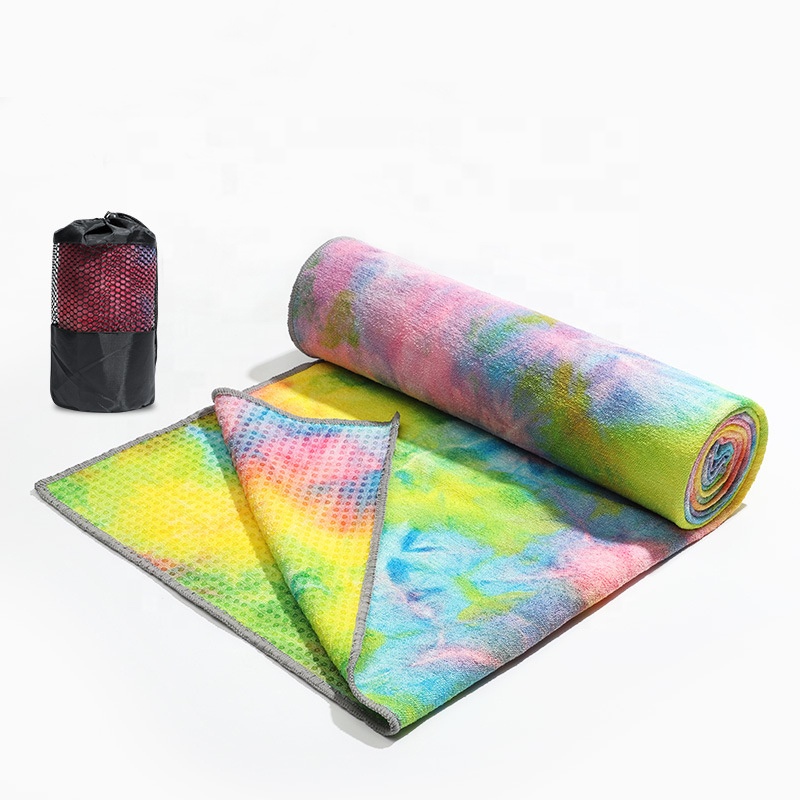
Selecting the right towel makes proper usage significantly easier. Consider these factors before purchasing:
- Material: Microfiber offers best balance of absorbency and grip; bamboo blends add natural antimicrobial properties
- Size: Must match your mat dimensions—standard (24″x68″), long (24″x72″), or extra-long (24″x74″)
- Grip Technology: Silicone dots for most mats; rubberized backing for standard mats only
- Thickness: Thinner for better mat connection; thicker for extra cushioning in restorative practices
Mastering how to use a yoga mat towel properly transforms it from an accessory into an essential performance tool. The right placement, securing method, and maintenance routine ensure your towel enhances rather than interrupts your practice. By implementing these specific techniques tailored to your yoga style, you’ll experience improved stability, extended mat life, and greater confidence in challenging poses. Remember that perfect towel performance comes from matching your usage technique to both your towel type and practice environment—so experiment with these methods to discover your optimal setup. Your next session could be the one where you finally hold that arm balance without slipping, all thanks to properly implemented towel techniques.