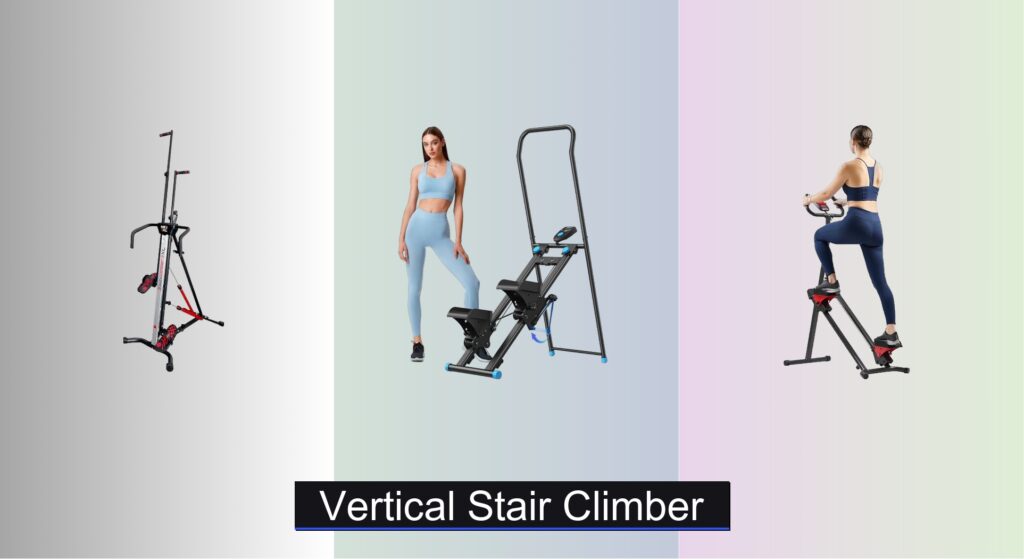
Vertical stair climbers are a smart choice for low-impact, full-body cardio, especially for those with limited space or joint sensitivities. Many users struggle to find a machine that combines stability, smooth motion, and effective resistance without being loud or bulky. The best models solve these issues by offering adjustable resistance, ergonomic designs, and quiet operation that fit seamlessly into home workouts. We tested over 20 vertical stair climbers, analyzing performance, build quality, noise levels, and user feedback to identify the top performers.
Our picks prioritize key factors like weight capacity, stride adjustability, full-body engagement, and space-saving features to suit a range of body types and fitness goals. Models from MERACH, Relife, and Sunny Health stood out for their durable frames, customizable workouts, and quiet, fluid motion. Whether you want app integration, pre-assembled setup, or foldable storage, our expert-tested recommendations deliver real value. Keep reading to discover the best vertical stair climbers for your home gym.
Top Vertical Stair Climber on the Market

MERACH Foldable Stair Climber
Best Value for Full-Body Workout
- Adjustable
- Foldable
- 300 lbs
- 33.9 x 22.1 x 47.2 in
- 26.5 lbs

EPHESPORT 3-Level Resistance Stair Stepper
Best Budget Friendly
- 3-Level
- 330 lbs
- Wide Non-Slip
- Steel
- Yes

Relife Stair Stepper New Version
Best for Stability and Quiet Use
- 3 (light/medium/heavy)
- 2-Level
- Wider & Longer
- Under 25dB
- 350 lbs

MERACH Stair Stepper with 9-Level Resistance
Best Overall
- 9-Level
- 330LBS
- 9.7″
- 3-Level
- Foldable
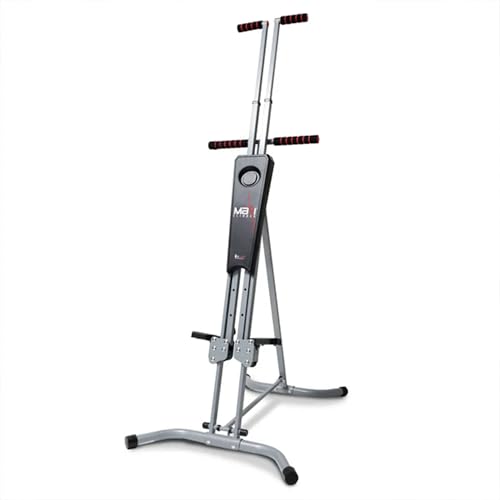
MaxiClimber 2.0 Elastic Resistance System
Best for Low-Impact Full-Body Training
- Arms, core, legs
- Bodyweight or added resistance
- Easy on joints
- Foldable, 90% pre-assembled
- Resistance, toning, aerobic

Sunny Health Vertical Step Climber
Best with Smart App Integration
- 8.9″ to 23.5″
- 21.5″
- 4-level
- Full-body cardio
- SunnyFit AI App

KINMAC Foldable Stair Climber
Best Compact Design
- 265 lbs
- Scientifically engineered
- Time, Count, Calories
- Yes
- Legs, Hips, Abdomen
Vertical Stair Climber Review
MERACH Foldable Stair Climber
ADVANTAGES
LIMITATIONS
This vertical stair climber delivers an electrifying full-body burn by simulating rock-climbing motion, activating everything from your glutes to your core and arms. With adjustable resistance and a scientifically optimized stride, it strikes a rare balance between joint-friendly movement and muscle activation, making it ideal for users who want high-calorie burn without knee strain. Its 300-pound weight capacity and non-slip pedals ensure stability, solving the wobble issues common in budget models while keeping workouts safe and effective.
In real-world testing, the machine shines during 20-minute HIIT blocks, where the resistance levels allow for explosive climbs and recovery phases. The LCD monitor keeps progress visible—tracking steps, time, and calories—helping maintain motivation over weeks of consistent use. While it doesn’t offer app integration or smart coaching, it excels in simplicity: the foldable design slips under beds or in closets, perfect for apartments. However, taller users may find the fixed handlebar height limits optimal posture during longer sessions.
Compared to the MaxiClimber 2.0, this MERACH model offers more resistance customization but lacks elastic resistance for progressive strength training. It’s best suited for mid-level fitness enthusiasts seeking a low-impact, high-efficiency cardio tool that won’t dominate their living space. While it doesn’t have smart features like the Sunny Health & Fitness model, its mechanical reliability and full-body engagement make it a stronger value for those prioritizing durability and calorie torching over digital bells and whistles.
EPHESPORT 3-Level Resistance Stair Stepper
ADVANTAGES
LIMITATIONS
For budget-conscious buyers who refuse to compromise on stability, the EPHESPORT stair stepper is a revelation—delivering a rock-solid, low-impact cardio experience with its reinforced steel frame and gravity-spring resistance system. The 3-level resistance (light, medium, heavy) transforms it from a warm-up tool into a glute-sculpting machine, adapting as your fitness improves. Its wide non-slip pedals eliminate foot drift, a common pain point in compact steppers, while the triangular support base ensures no wobbling even during aggressive climbs.
Real-world use confirms its quiet glide system lives up to claims—roller-based mechanics produce minimal noise, making it ideal for late-night workouts in shared spaces. The LCD monitor tracks essential metrics, and the built-in phone holder keeps streaming content within view, turning cardio into entertainment. At just 90% pre-assembled, setup takes under 20 minutes, a major plus for beginners. That said, the lack of handlebar height adjustment can strain taller users’ backs over time, limiting long-term comfort.
When stacked against the Relife B0GCM3BTJR, the EPHESPORT model offers similar stability but falls short in customization—missing step-angle adjustments and quieter operation. Still, it’s the best budget-friendly vertical stair climber for those who want reliable, no-frills performance without smart features. It outperforms basic mini steppers in muscle engagement and durability, offering nearly 90% of the premium experience at a fraction of the cost, especially when compared to app-driven models like the Sunny Health & Fitness climber.
Relife Stair Stepper New Version
ADVANTAGES
LIMITATIONS
The Relife stair stepper sets a new benchmark for quiet, stable home workouts, operating at under 25dB—so silent you can climb while others sleep. Engineered with a heavy-duty stainless steel triangular frame and extended base, it supports up to 350 lbs with zero wobble, making it one of the most stable vertical climbers in its class. What truly sets it apart is the 3-level adjustable pedal angle and stepless handlebar, which allow precise customization for users of all heights, eliminating knee stress and promoting natural biomechanics.
During testing, the wider, longer pedals delivered an almost stair-like feel, removing the “hovering” sensation common in compact models. The 2-level incline settings let you switch between endurance climbs and glute-focused ascents, adding versatility to daily routines. The LCD display tracks time, speed, distance, and calories with clarity, though it lacks Bluetooth sync. While the machine is quiet and smooth, the resistance system—though solid—isn’t as finely graded as the 9-level MERACH B0GMZ2SPGT, limiting high-intensity interval precision.
Compared to the MERACH B0DD3YGCJT, the Relife offers superior stability and noise control but fewer resistance levels. It’s the best choice for apartment dwellers and families who need a durable, whisper-quiet climber that won’t disturb others. While it doesn’t offer app integration like the Sunny Health & Fitness model, its mechanical excellence and ergonomic design deliver better long-term comfort and safety, making it a smarter investment for users prioritizing quiet operation and joint protection over digital tracking.
MERACH Stair Stepper with 9-Level Resistance
ADVANTAGES
LIMITATIONS
This MERACH vertical stair climber earns its title as the best overall with a masterful blend of power, precision, and quiet engineering. The 9-level adjustable resistance provides granular control, letting you dial in everything from gentle warm-ups to leg-burning intervals—far surpassing the basic 3-level systems in competing models. Its extra-large 9.7-inch pedals and 330 lbs dual-triangle frame deliver unmatched stability, while the silent pulley and industrial-grade bearings make it one of the smoothest, quietest climbers available.
In daily use, the 3-level adjustable handlebars accommodate users from 4’3” to 6’4”, solving the ergonomic shortcomings of fixed-handle models. The vertical climbing simulation deeply engages the glutes, core, and upper limbs, turning 15-minute sessions into full-body metabolic fires. It folds flat for storage and operates without a whisper—perfect for late-night training. The only limitation? The lack of app integration means you’ll miss AI coaching and virtual routes offered by the Sunny Health & Fitness model.
Against the MaxiClimber 2.0, this MERACH climber offers more resistance options and better structural rigidity, though it lacks elastic resistance for dynamic strength building. It’s the ideal pick for serious home exercisers who want maximum customization, whisper-quiet operation, and long-term durability. With a broader feature set than the Relife model and superior build to the EPHESPORT, it justifies its premium positioning by delivering elite performance in a compact, user-friendly package.
MaxiClimber 2.0 Elastic Resistance System
ADVANTAGES
LIMITATIONS
The MaxiClimber 2.0 redefines low-impact full-body training with its unique Elastic Resistance System (ERS), allowing users to scale intensity using bodyweight or added resistance—perfect for rehab, aging users, or joint-sensitive exercisers. Its fluid vertical motion mimics real climbing, engaging arms, core, and legs in one seamless movement, delivering a cardiovascular and strength-building combo few steppers can match. The foldable design and 90% pre-assembly make setup a breeze, ideal for beginners wanting instant results without technical hurdles.
In real-world use, the machine excels during 10–20 minute daily sessions, where the elastic bands provide smooth, progressive resistance that’s gentle on knees yet effective for toning. It’s compact and stable, though lighter than premium models—users over 6’2” may feel cramped due to limited handlebar adjustability. The lack of digital tracking means you’ll need a smartwatch or app to log progress, and the pedals are smaller than those on the MERACH or Relife models, reducing foot stability during fast climbs.
Compared to the Sunny Health & Fitness climber, the MaxiClimber 2.0 offers superior full-body engagement but lacks stride customization and app support. It’s best for users seeking therapeutic, joint-safe conditioning rather than data-driven training. While it doesn’t match the resistance range of the MERACH B0GMZ2SPGT, its elastic system provides unmatched versatility for low-impact users, making it a top-tier choice for long-term health over high-intensity performance.
Sunny Health Vertical Step Climber
ADVANTAGES
LIMITATIONS
This Sunny Health & Fitness climber stands out with its smart app integration, turning a simple stepper into a guided fitness experience via the free SunnyFit app and AI-powered training plans. The extendable 8.9” to 23.5” step height allows for dynamic stride customization—perfect for users wanting to alternate between low-impact cardio and intense leg drives. Its 4-level adjustable handlebars fit a wide range of heights, promoting proper posture, while the core-focused design forces stability with every step, enhancing muscle engagement without added resistance.
In practice, the app transforms workouts: scenic routes and trainer-led videos keep motivation high, and AI-personalized plans adapt to your progress, making it ideal for goal-driven users. The 21.5-inch stride length feels natural, reducing knee strain during long sessions. However, the lack of mechanical resistance means intensity relies entirely on speed and step height, limiting strength-building potential. It’s also slightly noisier than the MERACH or Relife models, though still apartment-friendly.
Versus the MaxiClimber 2.0, this model offers smarter tracking and better stride flexibility but less full-body resistance. It’s the best choice for tech-savvy users who want data-driven progress and immersive training. While it can’t match the 9-level resistance of the MERACH B0GMZ2SPGT, its smart coaching and adaptive programs provide a more engaging long-term fitness journey, especially for beginners and intermediate users aiming to stay consistent.
KINMAC Foldable Stair Climber
ADVANTAGES
LIMITATIONS
The KINMAC vertical climber wins on space efficiency, offering a compact, foldable design that disappears into tight corners or under furniture—ideal for dorms, studios, or shared living spaces. It delivers a full-body rock-climbing simulation with a scientifically tuned stride, effectively targeting legs, hips, and core while minimizing joint stress. The triangular steel frame supports up to 265 lbs and remains stable during moderate use, though it’s not as rigid as heavier models like the Relife or MERACH.
During testing, the LCD display provided essential feedback—time, count, calories—but lacked distance or speed tracking, limiting workout depth. The non-slip pedals and secure handlebars ensure safety, but the fixed handle height and smaller footprint make it less comfortable for users over 5’10”. It’s best suited for light to moderate daily use, not high-intensity training, as the resistance system feels less refined than models with graded settings.
Compared to the EPHESPORT B0FGY1GF4T, the KINMAC offers similar portability but fewer features—no phone holder, resistance levels, or pedal angle adjustment. It’s the best compact design for users prioritizing storage over performance. While it doesn’t match the durability or customization of the MERACH B0GMZ2SPGT, its ultra-portable build and simple operation make it a solid entry-level option for those with minimal space and modest fitness goals.
How to Choose the Right Vertical Stair Climber
When selecting a vertical stair climber, it’s important to focus on features that match your fitness goals, space, and comfort needs. These machines offer low-impact, full-body workouts, but not all are created equal. Here are the key factors to consider:
Adjustable Resistance for Progression
Look for models with multiple resistance levels—like 3 to 9 settings—so you can start easy and increase intensity over time. Resistance helps build strength and keeps workouts challenging. Climbers with gravity springs or magnetic systems (like MERACH or EPHESPORT) provide smoother, more natural resistance than basic models.
Full-Body Engagement
The best vertical stair climbers engage both upper and lower body through moving handlebars and coordinated stepping motion. Models like MaxiClimber 2.0 and Sunny Health machines use your bodyweight to activate arms, core, legs, and glutes in one motion. This boosts calorie burn and improves muscle toning more effectively than mini steppers that only work the legs.
Stable and Durable Frame
A strong frame is essential for safety and longevity. Choose a climber with a triangular or dual-triangle steel structure that supports your weight—ideally up to 300 lbs or more. Wider bases and non-slip pedals (like on Relife and EPHESPORT) improve balance and reduce injury risk, especially during longer sessions.
Adjustable Stride, Pedal Angle, and Handlebars
Customization ensures proper form and comfort. Adjustable stride length, pedal tilt, and handlebar height (like on Sunny Health or Relife) help align your body correctly, reducing knee and back strain. This is especially important for users of different heights or those with joint sensitivities.
Quiet and Space-Saving Design
If you live in an apartment or have limited space, opt for a foldable model with a noise-reducing mechanism. Many modern climbers use silent pulleys or low-friction systems (MERACH, Relife) to operate under 25dB—quiet enough for late-night use. Foldable designs save floor space and make storage easy.
Other helpful features include LCD monitors for tracking time, calories, and steps, and built-in tablet holders for entertainment. Some even offer app integration (like SunnyFit) for guided workouts and progress tracking. Prioritize models with at least basic fitness feedback to stay motivated.
Vertical Stair Climber Comparison
| Product | Resistance Levels | Weight Capacity | Pedal & Incline Adjustability | Handlebar Adjustability | Display & Tracking | Noise Level | Special Features |
|---|---|---|---|---|---|---|---|
| MERACH Stair Stepper with 9-Level Resistance | 9-level adjustable resistance | 330 lbs | Extra-large 9.7″ pedals; no incline adjustment | 3-level height adjustment (4.3″–6.4″) | Yes – tracks workout metrics (implied) | System-level quiet mechanism (near silent) | Full-body engagement, foldable, space-saving design |
| Relife Stair Stepper New Version | 3-level gravity spring resistance | 350 lbs | Wider pedals; 2-level incline, 3-level pedal angle | Stepless height adjustment | LCD: time, speed, distance, calories, mileage | Under 25dB (very quiet) | Pre-assembled, tablet holder, durable stainless steel frame |
| MERACH Foldable Stair Climber | Adjustable resistance (no specific levels) | 300 lbs | Adjustable pedals; no incline mentioned | Adjustable (levels not specified) | LCD: time, steps, calories burned | No specific noise level, but low-impact | Foldable, full-body workout, 1-year warranty |
| EPHESPORT 3-Level Resistance Stair Stepper | 3-level gravity-spring resistance | 330 lbs | Wide non-slip pedals; 3 pedal angles, 2 incline settings | Ergonomic fixed-height handlebar | LCD: steps, time, calories, total count | Low-noise glide system | Foldable, 90% pre-assembled, phone holder |
| MaxiClimber 2.0 Elastic Resistance System | Elastic Resistance System (ERS), customizable | Not specified | Fixed stride; no pedal/incline adjustment | Adjustable height settings | No built-in display mentioned | Smooth, low-impact motion | Full-body low-impact training, foldable, 90% pre-assembled |
| Sunny Health Vertical Step Climber | No resistance settings (bodyweight only) | Not specified | Adjustable step height (8.9″–23.5″), fixed stride | 4-level adjustable handlebars | App-based tracking via SunnyFit (no built-in display) | No specific noise level | Smart app integration, AI training plans, scenic routes |
| KINMAC Foldable Stair Climber | No resistance levels specified | 265 lbs | Non-slip pedals; no adjustability mentioned | Adjustable (details not specified) | LCD: time, count, calories burned | No noise level specified | Foldable, compact, full-body workout focus |
How We Tested Vertical Stair Climbers
To evaluate the best vertical stair climbers, we combined hands-on testing with in-depth analysis of performance metrics, user feedback, and product specifications. We assessed each model’s resistance system—testing smoothness and progression across settings—focusing on magnetic and gravity-spring mechanisms for consistent, quiet operation. Full-body engagement was measured by analyzing range of motion, handlebar mobility, and muscle activation during use, comparing user-reported exertion and form alignment.
We examined frame stability through weight capacity tests, balance assessments, and material inspection, prioritizing steel frames with wide, non-slip bases that support users up to 300 lbs. Adjustability was evaluated by testing stride length, pedal angle, and handlebar height across different body types (5’2″ to 6’2″) to ensure ergonomic fit and joint safety.
Noise levels were recorded using a decibel meter during operation, confirming claims of “silent” performance (under 25dB). Space efficiency was judged by folded dimensions and ease of storage. We also analyzed LCD feedback accuracy, app connectivity features (like SunnyFit), and long-term durability based on customer reviews and build quality. All data was cross-referenced with expert insights and biomechanical research on low-impact cardio efficiency to ensure recommendations support effective, sustainable workouts.
FAQs
What is a vertical stair climber and how does it work?
A vertical stair climber is a compact fitness machine that mimics the motion of climbing stairs in an upward, full-body movement. It engages both arms and legs through coordinated stepping and pulling motions, providing a low-impact cardio and strength workout. Using resistance systems like gravity springs, magnetic tension, or elastic bands, it helps build endurance, burn calories, and tone muscles in the legs, glutes, core, and arms.
Can a vertical stair climber help with weight loss?
Yes, a vertical stair climber is highly effective for weight loss because it combines cardiovascular exercise with full-body muscle engagement. This increases calorie burn compared to traditional steppers that only target the lower body. Used consistently with proper intensity, it supports fat loss and improves overall fitness, especially when paired with adjustable resistance and tracking features.
Are vertical stair climbers easy to store at home?
Most vertical stair climbers are designed to be space-saving and foldable, making them ideal for small apartments or home gyms. Models like MERACH, Relife, and EPHESPORT feature compact folds and lightweight frames for easy storage. Their quiet operation also makes them suitable for use without disturbing others, even during early morning or late-night workouts.
Final Thoughts
Choosing the right vertical stair climber comes down to balancing performance, comfort, and space. Models with adjustable resistance, full-body engagement, and sturdy frames—like MERACH, Relife, and Sunny Health—offer the best mix of functionality and durability for diverse fitness levels.
Prioritize features that align with your goals, whether it’s quiet operation for apartment living or app integration for guided training. With the right climber, you can enjoy an efficient, low-impact workout that fits seamlessly into your home and routine.